
Last updated November 17, 2026






Free written scope consultation - allowances, timeline, and change-order rules on paper before a single trade is scheduled
Seasonal Construction Care for Sunnyvale: Year-Round Homeowner’s Guide
Sunnyvale gets roughly 300 sunny days a year, and that’s exactly the problem. The same mild weather that makes this city comfortable enough to ignore your home’s exterior for a decade is what lets small failures hide until a wet El Niño winter finds every one of them at once. We’ve watched stucco cracks that sat quietly for three summers take on water in a single January storm and show up as ceiling stains by February. What follows is a split seasonal calendar built for the two stress periods Sunnyvale homes actually face – dry summer heat and weeks of atmospheric-river rain – plus the inspection routines and written log that keep a house ahead of both.
Quick Answer
Sunnyvale homes need two distinct maintenance calendars, not one annual checklist. Run a May-June pre-summer pass on paint, wood trim, deck boards and roof materials before the July-September UV peak, then an October-November pre-rain pass on gutters, downspout extensions and window flashing before the wet season. A post-rain inspection after every significant storm catches water intrusion while it’s still a cheap fix, and a written maintenance log ties the whole cycle together for resale.
Styles & brands we work with
- Kitchen remodeling
- Bathroom remodeling
- Home additions & ADU
- Roofing
- Windows & doors
- Driveway & pavers
- Fence
Table of Contents
- Why Sunnyvale Has Two Stress Seasons, Not Four
- The May-June Pre-Summer Checklist
- The October-November Pre-Rain Checklist
- Wildfire Prep for Sunnyvale Means Vents and Eaves, Not Just Landscaping
- The Post-Rain Inspection Routine
- Building a Written Seasonal Maintenance Log
- What to Hand Your Contractor and When to Call One
- Common Mistakes to Avoid
Why Sunnyvale Has Two Stress Seasons, Not Four
Most seasonal maintenance advice comes from climates with four clear seasons and a hard freeze that forces a decision. Sunnyvale doesn’t work that way. Our summers are dry and relentlessly bright, and our winters arrive as concentrated rain events rather than a slow cold soak. Two systems of attack, spread across two windows of the year.
The dry period from roughly May through October does its damage slowly. UV breaks down paint film, dries and checks exposed wood, and opens hairline gaps at caulk joints. The wet period from November through March does its damage fast. A single atmospheric-river system can drop several inches in a couple of days, and water finds every opening the summer created.
In our experience, the homeowners who get hurt are the ones who treat a mild forecast as permission to defer. The house looks fine in August. The failures are invisible until the rain arrives, and then they surface all at once – a soft spot at a window sill, a stain at a foundation vent, a deck board that’s gone spongy.
The fix is to stop thinking in terms of seasons and start thinking in terms of two deadlines. Beat the July heat with exterior work finished by late June. Beat the first real storm with drainage and flashing work finished by the end of October. Everything in this Sunnyvale guide follows from those two dates.
The May-June Pre-Summer Checklist
The goal of the pre-summer pass is to seal and protect everything that UV and dry heat will work on for the next four months. This is the window to catch failing paint, checked wood and tired deck boards before summer bakes them into bigger repairs. Work from the top of the house down:
- Walk the exterior paint. Look for chalky residue, hairline cracks and areas where the film has thinned. On stucco, pay close attention to south- and west-facing walls, which take the most direct sun in Sunnyvale.
- Probe the wood trim. Use a screwdriver to press gently at window and door surrounds, fascia and any decorative trim. Soft wood means water has already been in. Trim that’s checked and dry can be sanded and recoated; trim that’s soft needs replacing.
- Check deck boards and railings. Press at the board ends and around fastener heads, which is where rot starts first. Look for cupping and splintering on the top surface.
- Inspect caulk joints. Windows, doors, and the seam where siding or stucco meets trim. Re-caulk any joint that’s cracked or pulled away before summer heat widens it.
- Clear roof debris and check flashing. Remove leaf litter from valleys and behind chimneys, and confirm that step flashing at walls and around roof penetrations is intact.
Timing matters here. Paint and sealant need moderate temperatures to cure properly, and May and June in Sunnyvale give you that window before the July peak. A deck sealed in early June will hold through the summer. The same deck sealed in August may cure unevenly and fail sooner.
The October-November Pre-Rain Checklist
This is the pass that protects the interior of your house, and it’s the one most Sunnyvale homeowners skip. The logic is simple: rain will get onto your roof no matter what, so the job is to make sure it leaves the building the way it’s supposed to. That means drainage and flashing, in that order.
- Clean gutters and downspouts. Clear debris from every run, then test flow with a hose. A downspout that drains slowly in October will back up in a January storm.
- Add downspout extensions. The water needs to discharge at least a few feet from the foundation. Short extensions that dump water right at the base of the wall are one of the most common causes of wet crawl space and foundation issues we see in Sunnyvale.
- Inspect window flashing. Look at the top and sides of every window for gaps, lifted flashing, or failed sealant. This is where wind-driven rain gets in first.
- Check the roof covering. Look for lifted or missing shingles, cracked tiles, and any spot where the roof surface looks worn. Sunnyvale’s roof styles vary block to block, so pay attention to the specific assembly you have.
- Confirm grade and drainage. Soil should slope away from the foundation on all sides. Add soil where it’s settled, and clear any swale or French drain of debris.
- Check foundation vents. They should be open and clear. Some homeowners block them for winter; that traps moisture under the house. Leave them open to keep the crawl space ventilated.
The deadline is the first real storm, which in most years means the end of October. Waiting until the first rain shows up in the forecast is too late to book the work, and too late to test whether your drainage actually drains.
Wildfire Prep for Sunnyvale Means Vents and Eaves, Not Just Landscaping
When people in Sunnyvale think about wildfire prep, they think about clearing brush from the yard. That matters, but it’s only half the job. Embers don’t need a fuel ladder to reach your house – they ride wind and find the small openings that make up the building envelope. Vents and eave gaps are where that happens.
The two priorities we focus on for a Sunnyvale home:
- Vents. Attic and crawl space vents are designed to let air in and out. Standard open-weave screens let embers pass. Ember-resistant vent covers and fine mesh screening block them while still allowing ventilation. Every vent on the house needs to be checked, including any under-eave or foundation vents.
- Eave screening. Open eave construction (common on many Sunnyvale homes) leaves a gap where embers can lodge. Blocking those openings with fine metal mesh is a small, durable upgrade that closes a real exposure.
This work is a natural companion to the October pre-rain pass. Both involve inspecting the same parts of the exterior, and both are best done with the same contractor on the same visit rather than two crews working the same walls months apart.
The Post-Rain Inspection Routine
The days after a significant storm are when a house tells you what it needs. Water intrusion that gets caught within a week or two is usually a small, targeted repair. The same intrusion that goes unnoticed for a month or two can turn into mold growth, rotted framing, and a much larger bill. Build this routine into your winter:
- Walk the exterior walls. Look for new cracks in stucco, bubbling or staining paint, and dark streaks under windows or at corners.
- Check inside at every window and door. Feel the sill and frame. Look for discoloration, peeling paint or soft drywall.
- Inspect the foundation vents and crawl space. Look for standing water, damp soil, or white powdery stains at the base of the foundation.
- Check the attic and ceilings. Look for stains on ceilings and at roof penetrations. Stains often show up well after the storm that caused them.
- Look at the gutters and downspouts again. Confirm they’re still attached and still discharging away from the house after wind and debris.
- Write it down. Every observation goes into the log described below – what you saw, where, and when.
The point is early detection. In our experience, a stucco crack found and sealed in the days after a storm stays a small repair. Left alone, it becomes a budget line.
Building a Written Seasonal Maintenance Log
A maintenance log is a simple document that tracks what was inspected, what was found, and what was done, with dates attached. Its value isn’t in the writing. It’s in what the log lets a future contractor – or a future buyer – know without having to take anyone’s word for it.
Here’s what to include for a Sunnyvale home:
- The date of each inspection or repair.
- What was checked and what was found – specific locations, not general notes.
- What was done about it, and by whom.
- Photos of anything that was repaired, and of any area you’re watching.
- Any product or material details – brand, color, or line – so future repairs match.
Why this has real resale value: a log shows a buyer the house has been maintained on schedule, with a paper trail. It also lets your contractor work faster and quote more accurately, because past issues and past fixes are already on record. When you’re working with a company that puts the price and the guarantee in writing, as we do at every Penhallow Remodeling Sunnyvale project, the log is the natural companion to that record. It also confirms the work behind a 365-Day Done Right Promise if anything fails inside the guarantee period.
What to Hand Your Contractor and When to Call One
A good contractor appreciates a homeowner who shows up with a record. When you call for a Sunnyvale project, bring three things: your maintenance log, your photos, and a short list of the specific locations where you’ve seen an issue. That combination lets a written price get built quickly and accurately, instead of from a vague description over the phone.
Here’s when to bring in a professional rather than chase it yourself:
- Any water intrusion you’ve actually seen – a stain, a soft spot, or damp framing.
- Exterior paint or siding repairs across more than a small area.
- Any roof work at height. Ladder work on a Sunnyvale roof is genuinely dangerous, and the materials are unforgiving.
- Window flashing repair, which requires understanding the assembly behind the wall, not just the visible surface.
- Any structural or framing question.
- Deck repairs beyond a single board replacement.
If you’re planning a larger project that seasonal maintenance has surfaced, this is the moment to talk it through. Our Penhallow Remodeling Sunnyvale home page covers how we work, and for exterior and whole-home scopes the General Contractor in Sunnyvale page explains the process. If water intrusion has reached a bathroom wall, the Bathroom Remodeling in Sunnyvale page covers what repair-only work looks like. If deferred maintenance has pushed a kitchen project forward, the Kitchen Remodeling in Sunnyvale page has the full scope and pricing guide.
Common Mistakes to Avoid
- Skipping the October pre-rain pass. It’s the single most expensive habit to break in Sunnyvale, because the damage from a wet winter is rarely small and rarely cheap.
- Trailing downspouts that dump at the wall. Water that lands right at the foundation is one of the most common causes of water intrusion we see, and one of the easiest to prevent.
- Sealing a deck in the heat. Product applied in temperatures Sunnyvale reaches in July and August can cure unevenly and fail the following winter. May and early June are more reliable.
- Ignoring a stucco crack until winter. A crack found in October is a caulk-and-seal repair. The same crack found in February may be a framing repair.
- Blocking foundation vents for the winter. It seems sensible during a cold snap, but it traps moisture in the crawl space and does more harm than good.
- Treating wildfire prep as landscaping only. Defensible space matters, but vents and eave gaps are where embers actually enter the house.
- Keeping repairs in your head. The maintenance log has real resale value, and a verbal memory of “we had that fixed a few years back” doesn’t carry the same weight.
See the difference
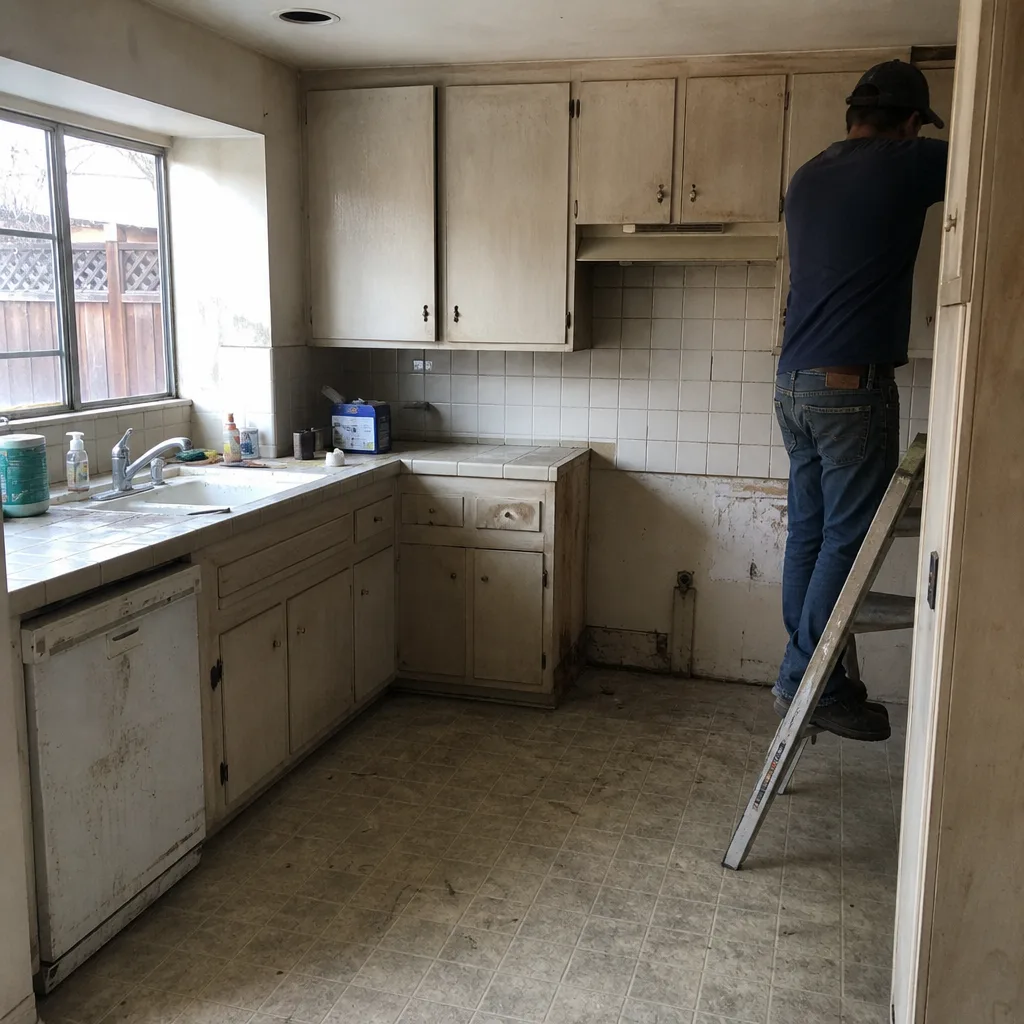 Before
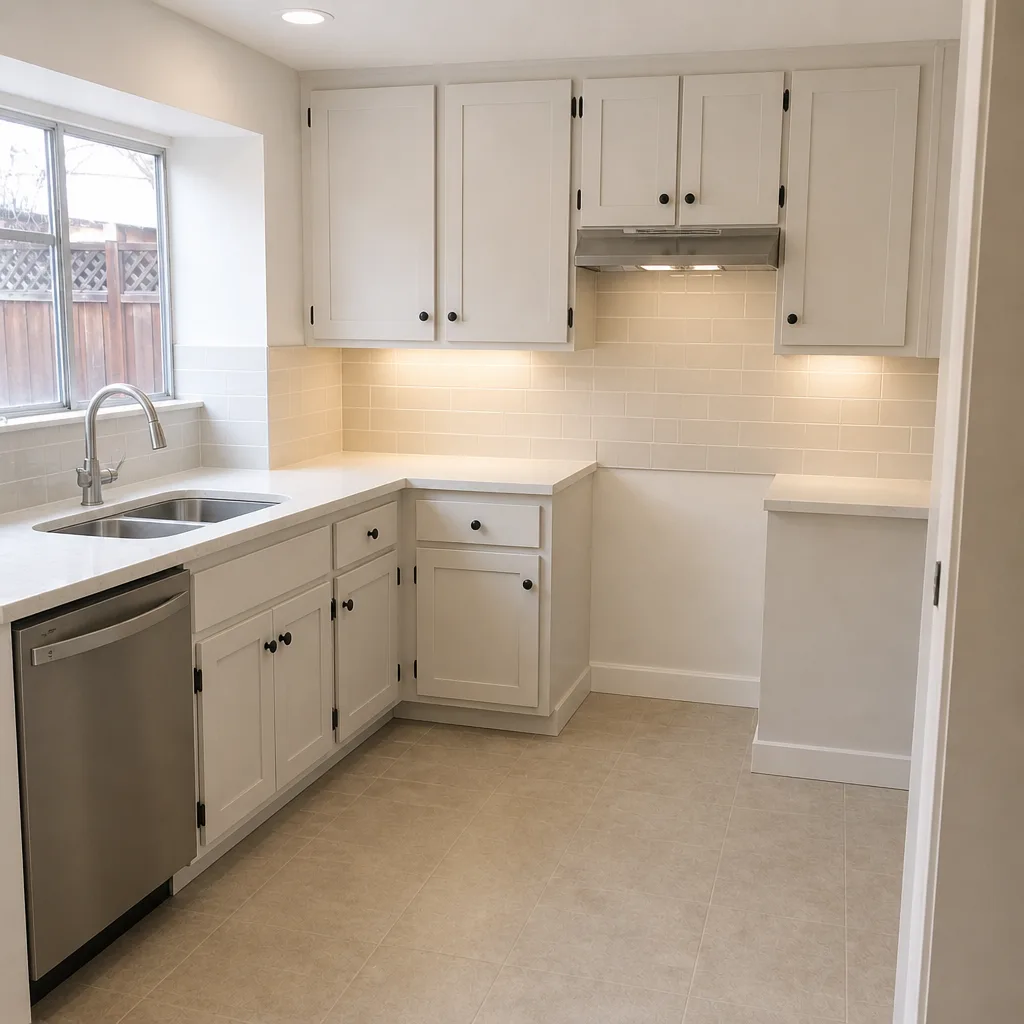 After
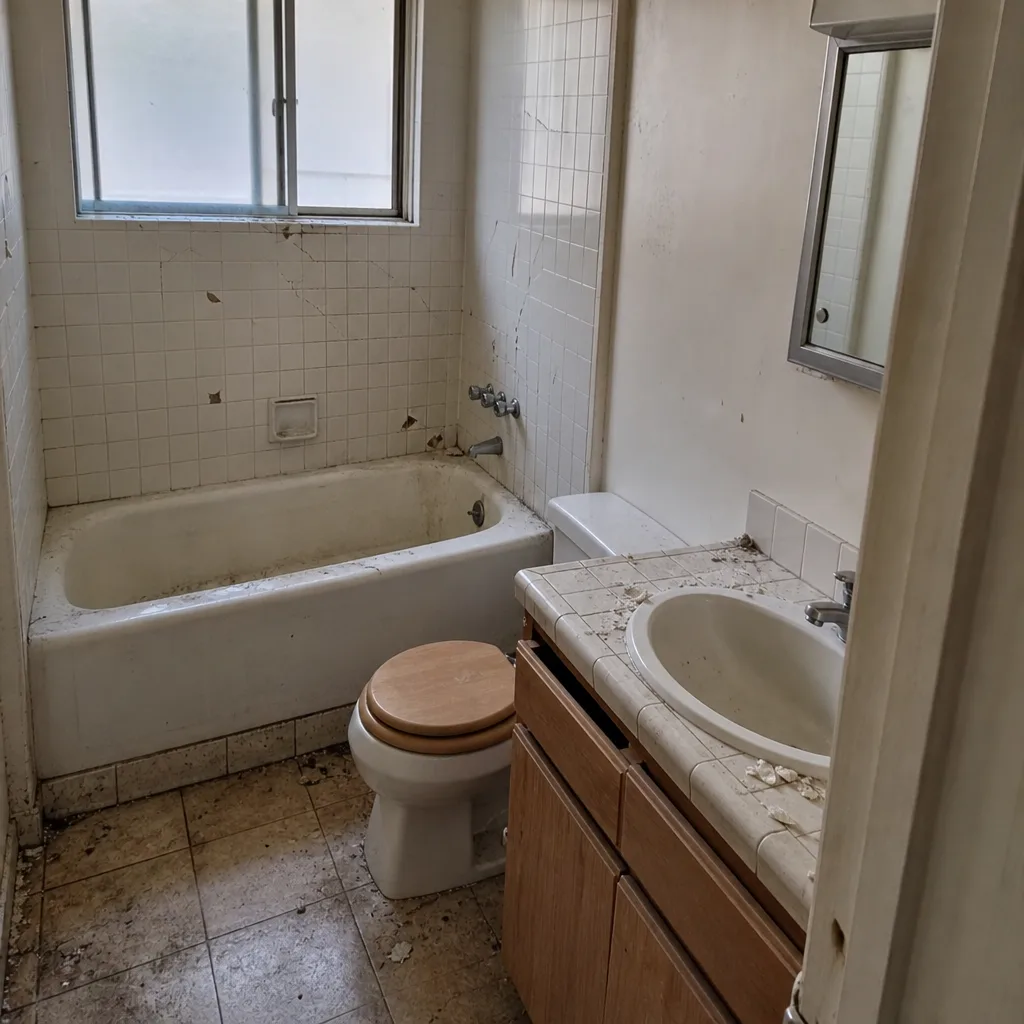 Before
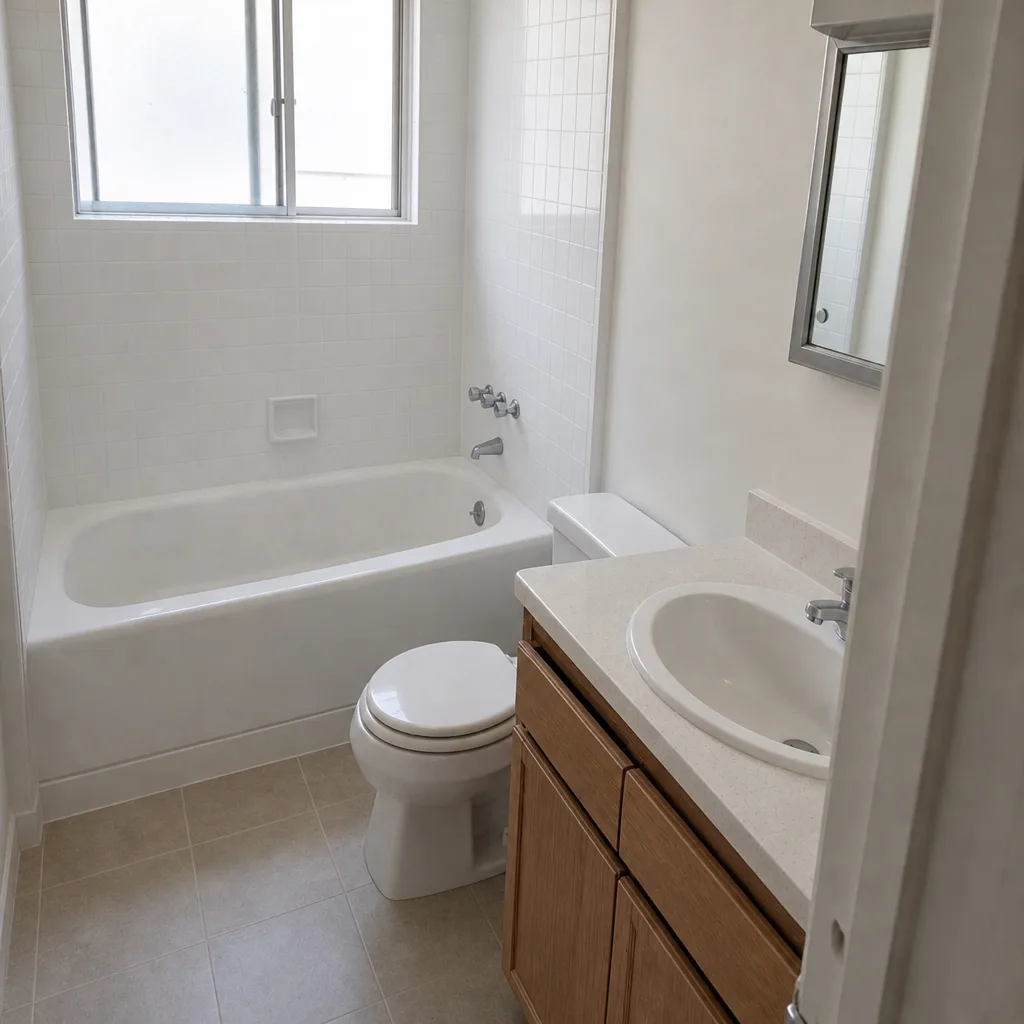 After
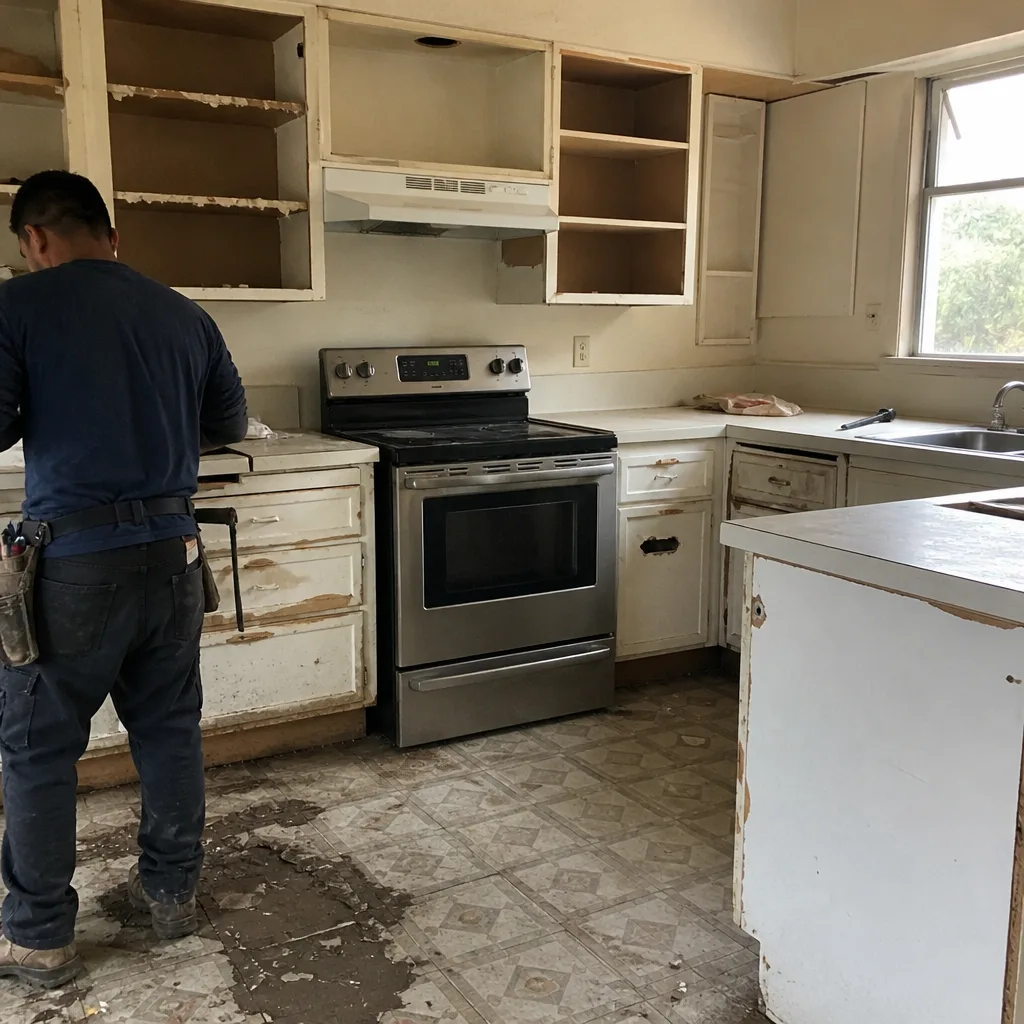 Before
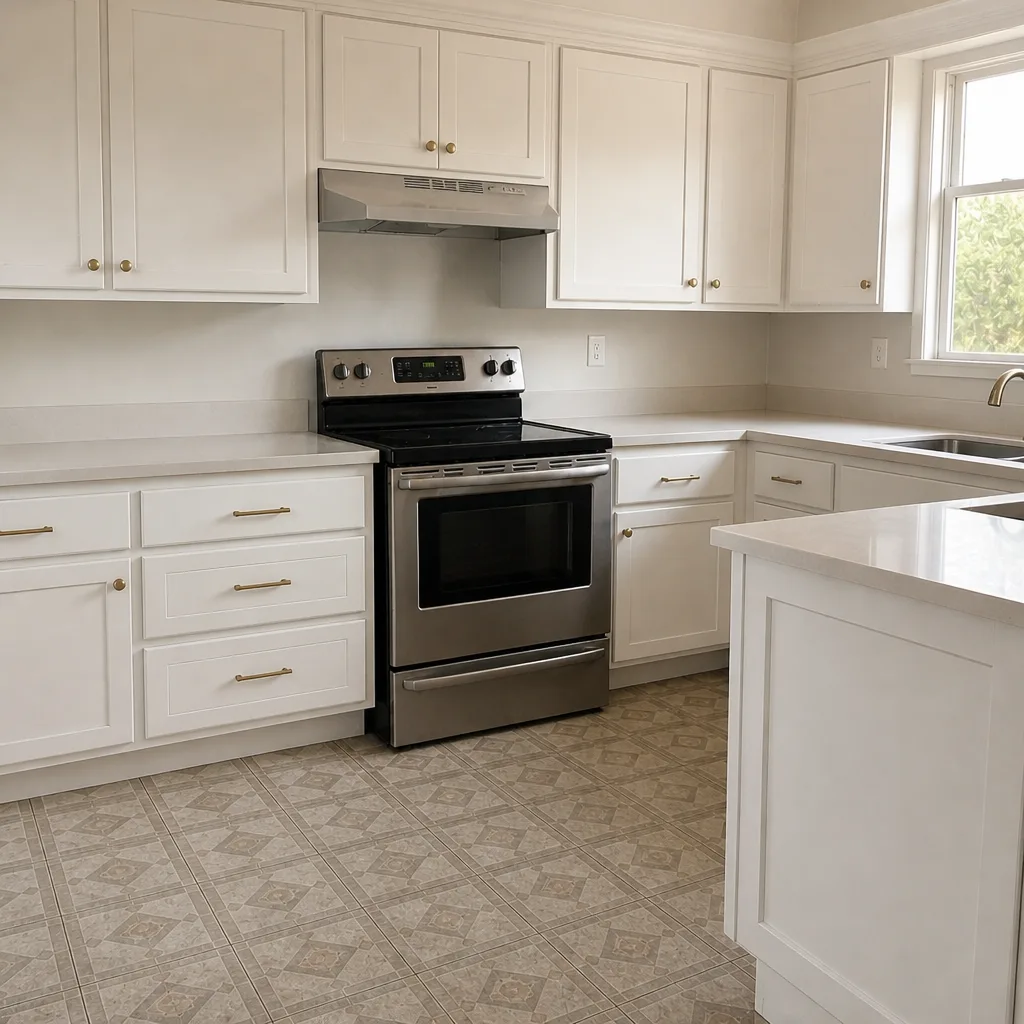 After
When to Call a Professional
Call a professional the moment you see water intrusion, soft wood, or a roof issue that requires going up. Seasonal maintenance is something you can largely own yourself; repairs to the building envelope are not. Any repair that involves opening a wall, chasing flashing behind siding or stucco, or reaching a Sunnyvale roof is work for someone trained to do it safely. The same applies to any deck or structural repair that goes beyond swapping a single board. And if winter has revealed a bigger problem than expected, the earlier it’s addressed the smaller it stays. Penhallow Remodeling Sunnyvale offers free estimates in Sunnyvale – call (888) 426-8719 to schedule one, and bring your log and photos.
Frequently Asked Questions
Two scheduled inspections a year, plus a quick walk-through after every significant storm. The May-June pre-summer pass protects the exterior through the UV peak, and the October-November pre-rain pass protects the interior through the wet season. Post-rain checks in December through March catch anything that got through. If you’ve had an unusually wet year, add a third inspection in January. Call (888) 426-8719 for a free estimate on any repair the inspections surface.
Downspouts discharging too close to the foundation, and stucco cracks going unsealed through the summer. Both are cheap to fix when caught early and expensive when caught in February. In our experience, most water intrusion we see in Sunnyvale traces back to one of those two. Call (888) 426-8719 to schedule a free estimate on repair work.
No, but it makes the process faster and the quote more accurate. A log tells a contractor what’s been checked, what’s failed before, and what materials are involved, which means fewer assumptions in the written price. It also improves resale, since a buyer can see a documented maintenance history. Call (888) 426-8719 to schedule a free estimate and bring the log with you.
Yes. Clearing defensible space matters, but embers enter a house through vents and open eave gaps, so ember-resistant vent covers and fine metal eave screening are part of the same job. Those are small upgrades that close a real exposure and pair naturally with the October pre-rain inspection. Call (888) 426-8719 for a free estimate on vent and eave screening.
Yes. Every project we complete is covered by the 365-Day Done Right Promise – if the work fails inside the guarantee period, we come back and fix it at no charge, with the free return visit built in. The guarantee is in writing, and the price is too, so the number on day one is the number on the invoice. Call (888) 426-8719 to schedule a free estimate.
Yes, where a permit is required, we pull it and handle the inspection. Exterior repair scope varies, so the first step is confirming with the city what your specific repair requires – that’s part of the written price process, not something you’re left to chase. Call (888) 426-8719 for a free estimate and we’ll walk through the permit question for your scope.
The Bottom Line

Sunnyvale is easy to live in and easy on your house – until it isn’t. The mild climate doesn’t remove maintenance, it hides the consequences until a wet winter surfaces them all at once. Beat the July heat with paint, trim and deck work finished by late June. Beat the first storm with gutters, downspout extensions and window flashing finished by the end of October. Inspect after every big rain, and write down what you find. Add ember-resistant vents and eave screening where you can. A house run on this two-deadline calendar stays ahead of the weather instead of catching up to it.
Penhallow Remodeling Sunnyvale builds every project on a written price before any work starts, a defined arrival window, background-checked uniformed technicians, and the 365-Day Done Right Promise in writing. A live person answers the phone 24/7. Call (888) 426-8719 for a free estimate, and bring your maintenance log.
Written by the team at Penhallow Remodeling Sunnyvale.