Last updated November 17, 2026






Free written scope consultation - allowances, timeline, and change-order rules on paper before a single trade is scheduled
Bathroom Remodeling Troubleshooting: Common Problems and How to Fix Them
A grout joint that develops a hairline crack in the first year isn’t settling. It’s movement, and movement in a tile installation means the substrate beneath it is either wet, unbonded, or both. We’ve torn out Sunnyvale showers that looked perfect from the doorway and found saturated cement board and a membrane that was never sealed at the curb. The homeowner paid for a remodel twice: once for the first job, and again for the correction. What follows is the guide we wish every homeowner had before signing a contract: the five failure patterns we see most often, how to read the early signals, and exactly what your written guarantee should compel a contractor to do when something fails.
Quick Answer
Most bathroom remodel problems that appear after completion come down to waterproofing and substrate failures, not cosmetic ones. A cracked grout line in year one signals movement or moisture, not settling. A separated caulk joint at the tub deck means the two surfaces are moving independently, usually because one was never properly anchored. Drywall bubbling on the room below is the clearest sign of an active leak behind tile. In Sunnyvale, the mild climate hides these failures longer than in colder regions, so the fix often arrives six to eighteen months late.
Styles & brands we work with
- Kitchen remodeling
- Bathroom remodeling
- Home additions & ADU
- Roofing
- Windows & doors
- Driveway & pavers
- Fence
Table of Contents
- The Five Failure Patterns We See Most in Sunnyvale
- How to Test for a Failed Waterproofing Membrane
- What a Written Guarantee Covers vs. What It Doesn’t
- The Documentation Process: Reporting a Defect in Writing
- Materials Defects vs. Workmanship Failures
- Sunnyvale-Specific Complications
- Common Mistakes to Avoid
- When to Call a Professional
The Five Failure Patterns We See Most in Sunnyvale
In our experience remodeling bathrooms across Sunnyvale’s older neighborhoods and newer developments, these five issues account for the majority of post-completion callbacks. Each points to something specific beneath the surface, and each has a different fix.
1. Tile Cracking
A crack running along a grout line or through the face of a tile is movement, not settling. In a shower, it usually means the substrate has flexed, gotten wet, or both. Cement board that was installed without a waterproofing membrane over it will absorb moisture and swell over time. When it swells, the tile above has nowhere to go but up, and the crack appears. A single hairline crack in the first year is an early warning. A crack that repeats along the same line is a substrate failure.
2. Grout Discoloring
Grout that turns dark or green in a shower, especially near the floor, is sitting on moisture that isn’t draining. The culprit is usually a pan that was built with a flat slope or a weep system that was clogged with thinset during install. Sunnyvale’s mild climate means the moisture doesn’t freeze and heave the way it would in the mountains, so the discoloration shows up as a slow stain rather than a dramatic crack. That slow stain is still a sign of a pan that isn’t shedding water.
3. Caulk Separating at the Tub Deck
Caulk at the joint between a tub and the tile around it separates for two reasons: the tub settled after fill and needed re-caulking, or the tile wall was never anchored to the framing behind it. The second is a workmanship issue. When the wall flexes with weight or humidity, the caulk stretches and eventually tears. The fix isn’t more caulk. It’s anchoring the wall.
4. Slow Drains After Demo
A drain that slows down weeks after a remodel is usually debris: thinset, grout, or tile dust that made it into the drain body before the cover went on. The other possibility is a shower pan that was mudded over the drain’s weep holes. A licensed plumber can tell the difference with a camera. This one is worth diagnosing early, because the fix for blocked weep holes is opening the floor.
5. Drywall Bubbling
Bubbling paint or soft drywall on the ceiling of the room below a bathroom is the clearest sign of an active leak. It’s also the one homeowners catch last, because it’s not in the room they just paid to remodel. If you see it, stop using the shower and call for a leak inspection the same week.
How to Test for a Failed Waterproofing Membrane
You can’t see a waterproofing membrane once the tile is set. What you can do is read the signs at the edges of the installation, where moisture shows up first. The membrane behind your tile (usually a liquid-applied coating or a sheet product like Kerdi) is the layer that keeps water out of the wall cavity. When it fails, the evidence appears in predictable places.
- Check the grout lines in the shower floor. Dark or missing grout at the perimeter is the first sign water has gotten behind the tile.
- Press the tile at the shower curb. A hollow sound or slight give means the curb wasn’t properly built or wrapped. This is one of the most common membrane failures we see.
- Look at the caulk joint where the shower wall meets the floor pan. If caulk pulls away repeatedly after re-caulking, water is moving behind it.
- Inspect the ceiling below the bathroom. A faint ring, bubbling paint, or a soft spot indicates a leak passing through the pan or the wall.
- Check the outside wall of the shower for efflorescence. A white, powdery deposit on the drywall or grout on the opposite side of the shower wall means moisture is migrating through.
If two or more of these signs are present, the membrane has most likely failed. In our experience, a Sunnyvale bathroom that shows these signals six to eighteen months after a remodel is not a case of settling or humidity. It’s a waterproofing failure, and the repair involves removing tile and substrate, not just re-grouting. Call (888) 426-8719 for a free evaluation before you spend money on cosmetic fixes.
What a Written Guarantee Covers vs. What It Doesn’t
A written workmanship guarantee is the only document that matters when something fails. Verbal promises from six months ago are worth less than the paper they weren’t written on. The best guarantee spells out in plain language what happens when work fails and what triggers the callback. Before you sign any contract, ask for that language in writing.
Here’s what a solid workmanship guarantee generally covers:
- Waterproofing failures traced to installation, including a membrane that wasn’t sealed at seams or a pan that doesn’t slope to the drain.
- Tile failures caused by improper substrate, missing cement board, or thinset applied over wet board.
- Fixture leaks from improper installation of the valve, drain, or supply lines, as long as the leak isn’t from a failed part.
- Drywall and paint failures that trace back to prep and installation, like paint bubbling on a wall that wasn’t primed correctly.
- Caulk and grout separation within the first year, when it comes from movement in the installation rather than normal wear.
What a good guarantee doesn’t cover, and shouldn’t: damage from a plumbing leak inside the wall that started at the supply line and had nothing to do with the tile work, damage from a homeowner’s own repair attempt, and normal wear on caulk and grout after several years. The line is whether the failure traces to the work or to something outside it. Our 365-Day Done Right Promise covers every project in writing; the language is in the contract, not the brochure.
The Documentation Process: Reporting a Defect in Writing
How you report a defect determines whether your guarantee claim is simple or a fight. A contractor who wants to do right by you needs a clear, timestamped record of what’s wrong and when it started. The process takes twenty minutes and saves months.
- Photograph the defect from at least three angles. A wide shot of the room, a close-up of the problem, and a shot that shows the defect’s location relative to a fixed feature like the drain or the door frame.
- Note the date you first noticed it and the date it started to worsen. Add a sentence about what changed: a stain that spread, a crack that lengthened, a seam that opened wider.
- Write down the original install date and the name of the installer, if you have it. Both are relevant to the guarantee window.
- Describe the defect in plain language. “Grout at the shower floor perimeter turned dark green within six weeks of completion,” not “the shower doesn’t look right.”
- Send it by email or through the company’s written channel, not by text or a phone call. You want a timestamp and a copy.
- Keep every reply. The guarantee usually requires the contractor to inspect, and the inspection date matters if the issue gets worse.
When we receive a written report, we schedule an inspection, and if the failure traces to the work, we fix it at no charge. If it turns out to be a materials defect, we help the homeowner pursue the manufacturer’s warranty and, in most cases, the manufacturer covers the part and our team handles the labor. Call (888) 426-8719 and a live person will take your report, day or night.
Materials Defects vs. Workmanship Failures
Not every post-remodel failure comes from the installation. Some come from the product. The two require different responses, and the sooner you know which one you have, the faster it gets fixed.
Workmanship failures trace back to how the product was installed. A shampoo niche that leaks is a workmanship issue if the membrane wasn’t sealed around it. A toilet that rocks is workmanship if the flange wasn’t set level. Materials defects trace back to the product itself: a bathtub that crazes, a grout that never hardens correctly, a drain cover that warps from a heat problem in the finish. When we install a fixture or a cabinet, we choose products that carry their own manufacturer warranty alongside our workmanship guarantee. That layering matters. It means a fixture failure has two layers of protection, and a workmanship failure has one very clear path.
How to tell the difference:
- Look for a pattern. One tile cracked is probably a workmanship issue. A cluster of tiles cracking in a straight line is a substrate problem. A single tile that crazed and cracked while the ones around it are fine is a product defect.
- Check the paperwork. The manufacturer’s warranty and the installation manual usually say whether the product was meant for the application. A shower product installed in a tub surround that wasn’t rated for wet areas is a spec failure.
- Note when it appeared. A product defect often shows up the first time the item is used. A workmanship failure shows up on the first big temperature swing or the first wet season.
If you’re not sure which one you have, call us and we’ll walk through it with you. Free estimates are included with every job and the inspection is part of the guarantee.
Sunnyvale-Specific Complications
Sunnyvale has a specific set of conditions that affect how bathroom remodels fail, and they differ from what you’d see in a colder climate.
The first is the age of the housing stock. Much of Sunnyvale’s older housing was built in the 1950s and 1960s, with bathrooms that were retrofitted once or twice. Those bathrooms often have a layer of original tile set on a mortar bed, a layer of drywall over that, and a newer tile on top. When a new remodel goes in, the installer has to account for the thickness of all those layers. If the substrate doesn’t have a consistent surface, the tile above it will move. In Sunnyvale we regularly see shower walls that look fine until the first winter rain, when a crack opens along the grout line at the original mortar bed.
The second is the mild climate. Cold climates freeze water inside the wall, which forces failures to the surface. Sunnyvale’s warm, dry summers mean a slow leak can travel for months before it shows up as a stain on the ceiling below. That’s why our inspections look at the ceiling and the adjacent drywall, not only the tile face.
The third is permit scope. Sunnyvale requires a permit for a bathroom remodel that moves plumbing or electrical, and the inspection process includes verification of the waterproofing at the rough stage. If a contractor skipped the permit, there’s no independent record of what was behind the tile. That record matters when something fails. Our general contractor team pulls permits and passes inspection on every project, and the paperwork is yours to keep. Learn more about our General Contractor in Sunnyvale services.
Common Mistakes to Avoid
- Re-caulking over a leak. Fresh caulk hides a moisture problem for a few weeks and traps the water behind it. If the caulk at the tub deck keeps separating, the fix is anchoring the wall, not another tube of silicone.
- Accepting a verbal estimate. A verbal number changes at the door. Ask for the price in writing before any work starts, and ask what the number includes. The written number should be the number on the invoice.
- Skipping the permit to save time. Sunnyvale permit inspections catch waterproofing problems at the rough stage, before the tile goes on. A skipped permit means you lose that record, and it makes a guarantee claim harder to prove.
- Choosing the cheapest bid. The lowest bid is usually the one that leaves out the substrate prep, the membrane, or the permit. Those are exactly the items that fail in year one.
- Not reading the guarantee. If the guarantee doesn’t say in writing what it covers and what happens when work fails, it isn’t a guarantee. It’s a brochure.
- Ignoring the ceiling below. A water stain on the ceiling of the room below the bathroom is an active leak. Waiting until the drywall sags makes the repair bigger.
- Not reporting in writing. A verbal complaint about a defect is hard to date and hard to prove. A written one is timestamped and specific.
We’ve written a separate guide covering the design and installation side of a Sunnyvale bathroom project. If you’re at the planning stage, see our Bathroom Remodeling in Sunnyvale page for the process, the timeline, and what the written price covers.
See the difference
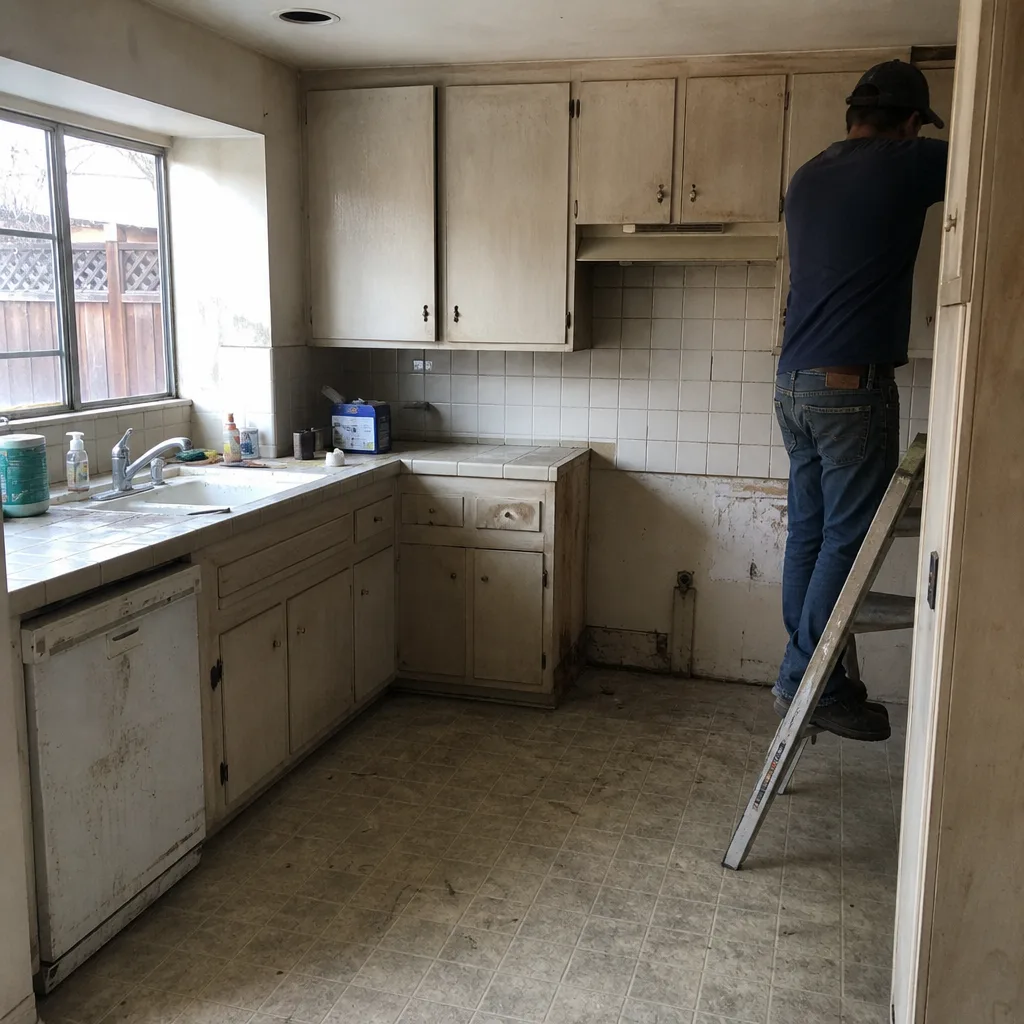 Before
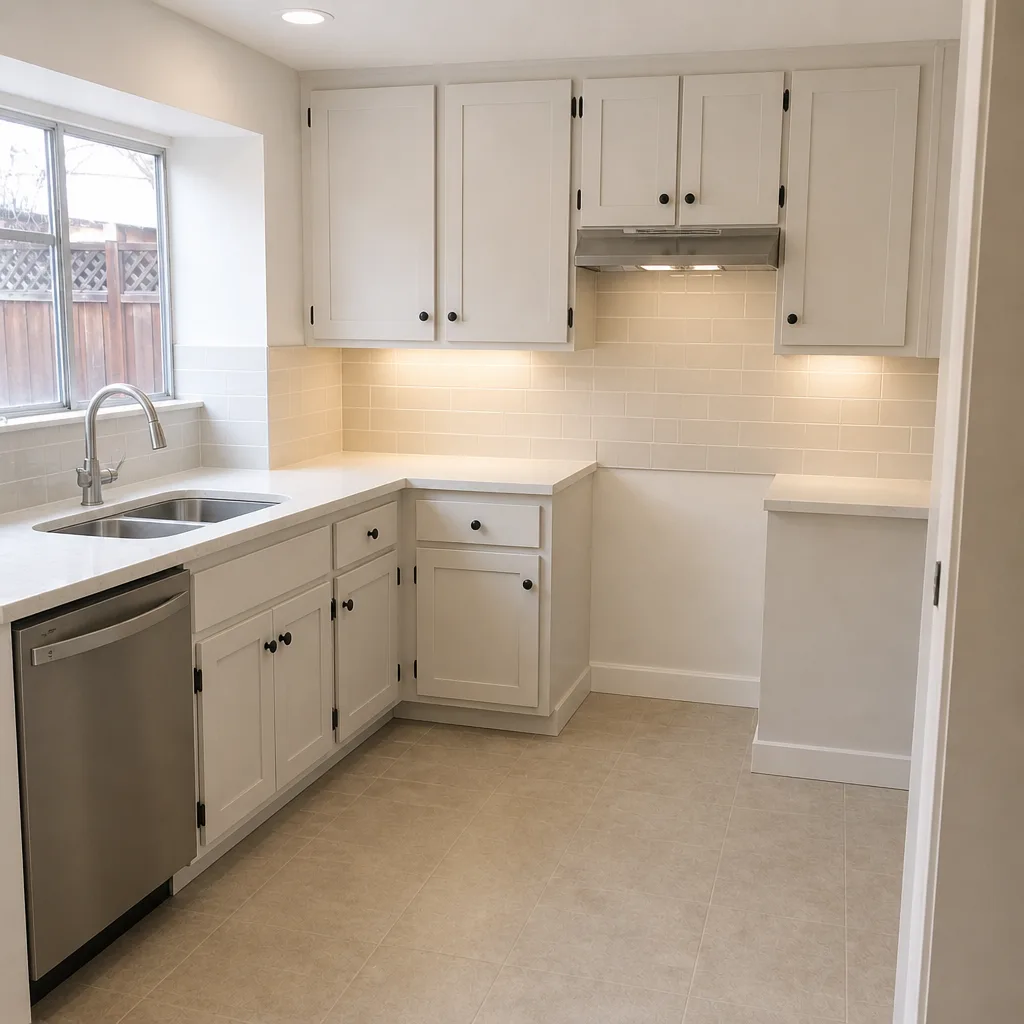 After
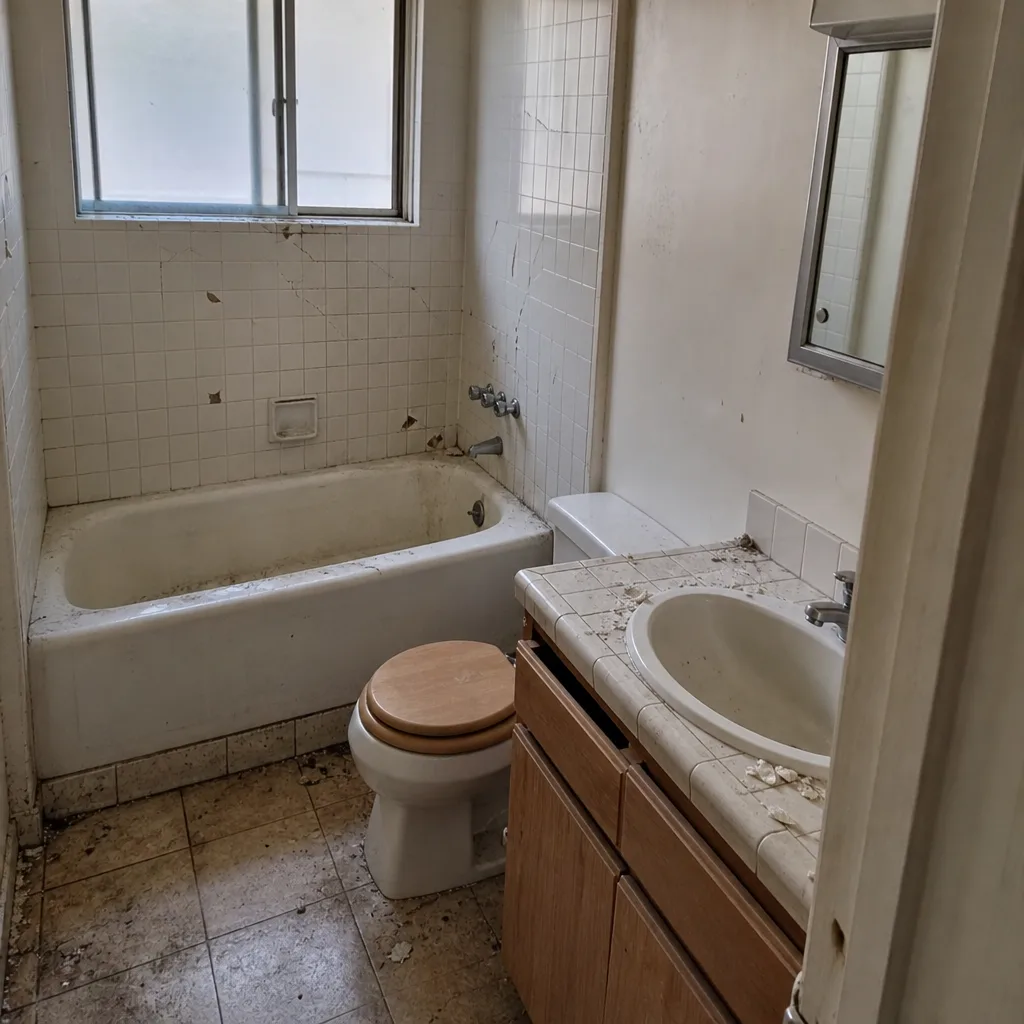 Before
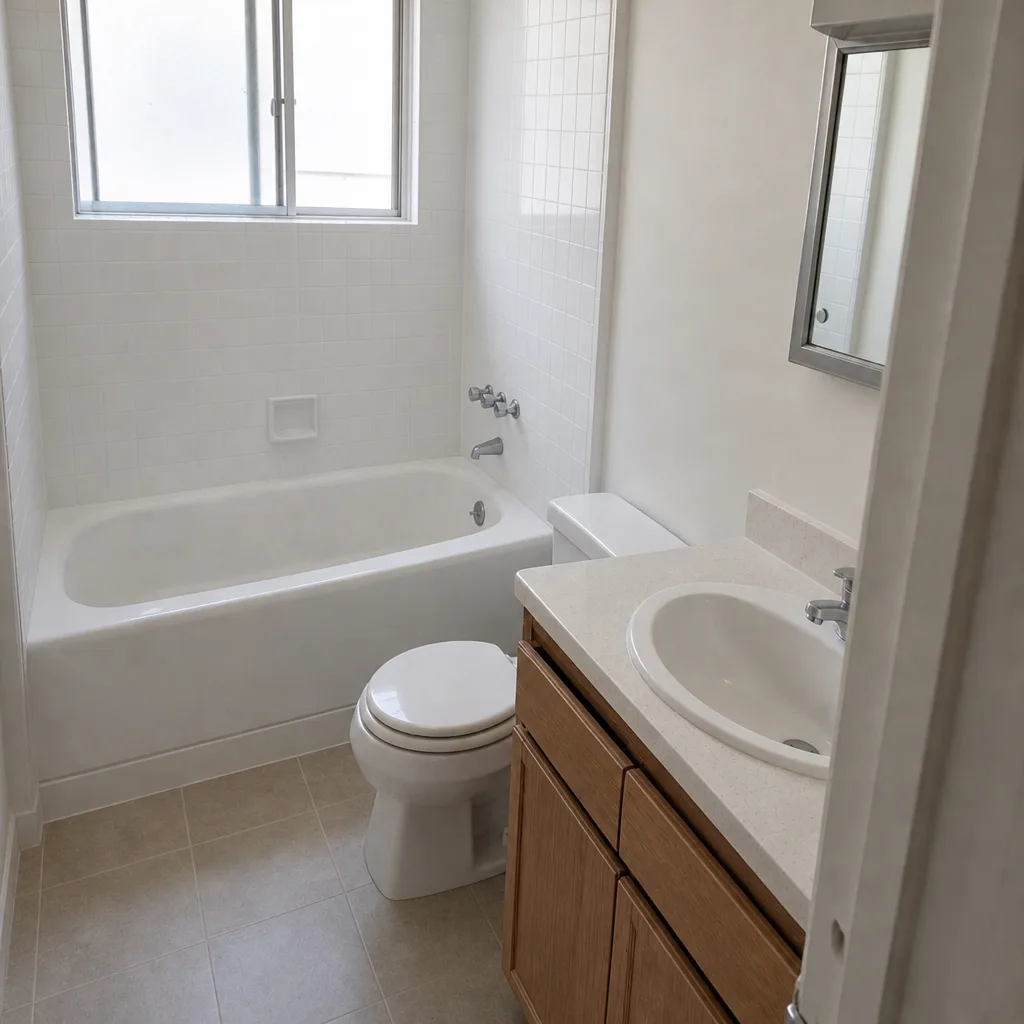 After
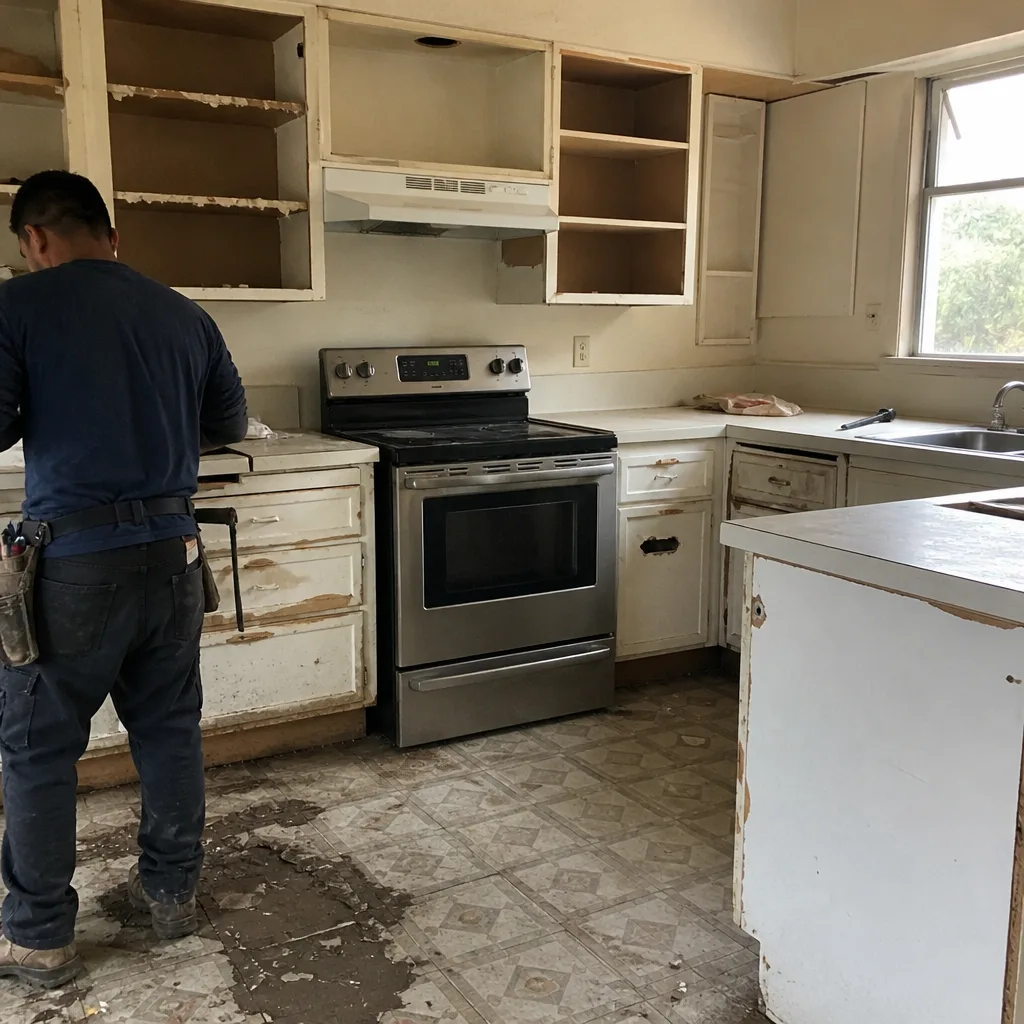 Before
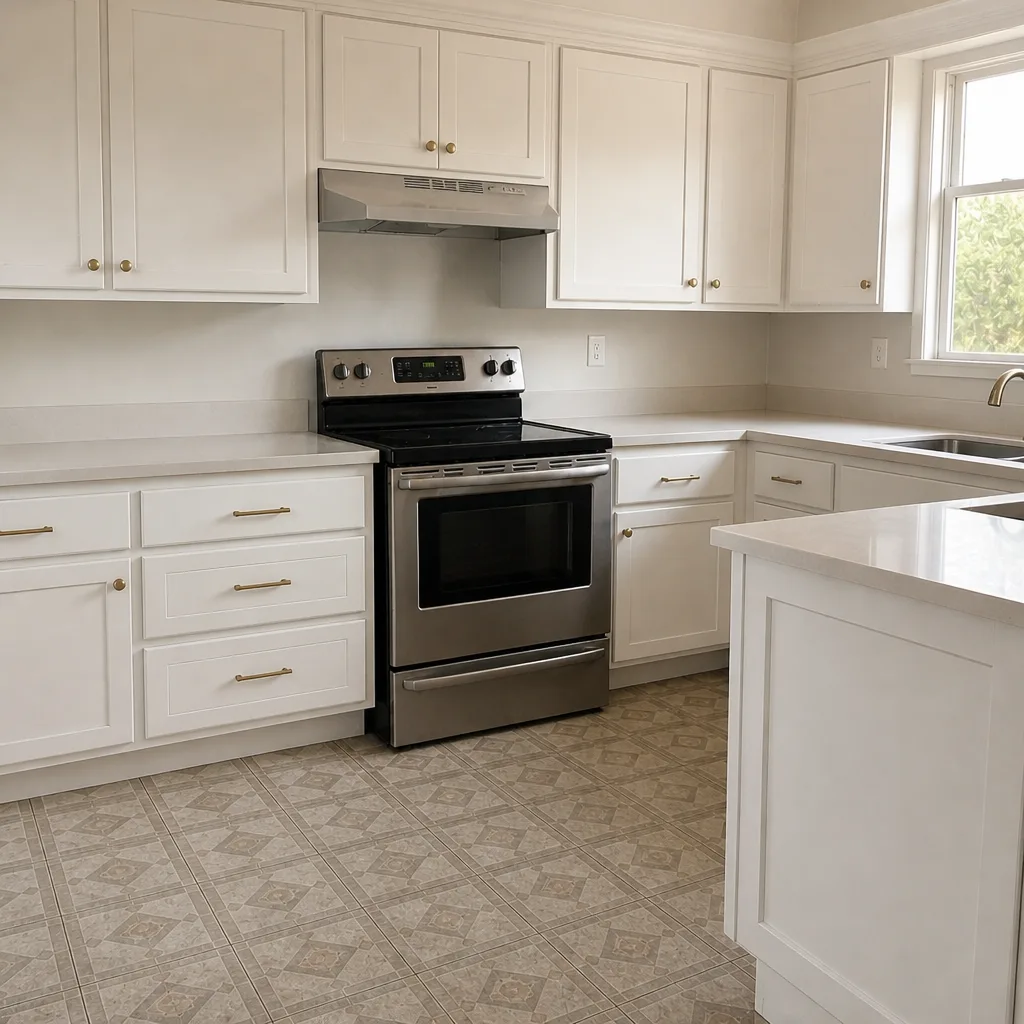 After
When to Call a Professional
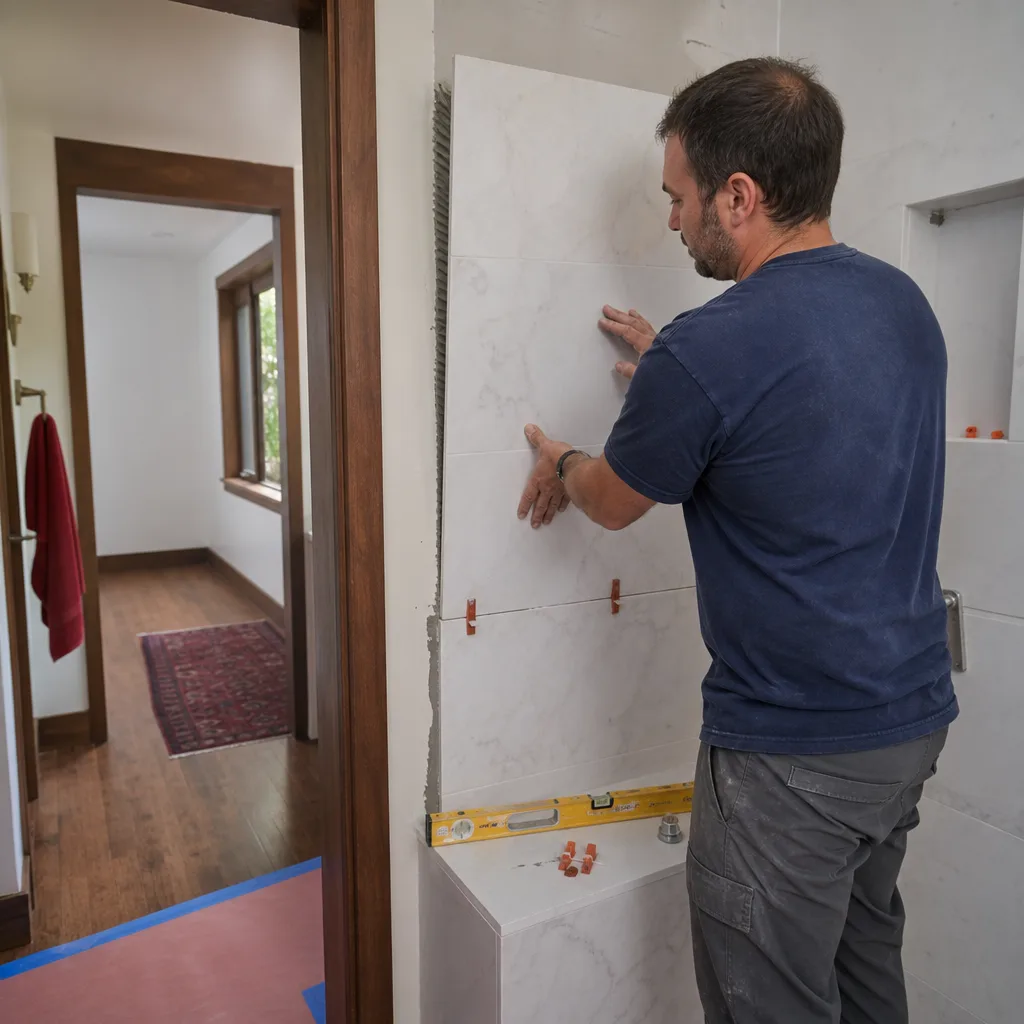
Some failures are cosmetic and can wait for a scheduled visit. Others are active leaks that will get more expensive the longer you wait. Call for a professional evaluation if you see any of these: water staining or bubbling on the ceiling below the bathroom, a shower pan that feels soft underfoot at the curb or corners, a grout crack that widens over a few weeks, caulk that separates within days of being replaced, or a slow drain that a plunger doesn’t clear. If a tile has cracked and the tiles around it sound hollow when tapped, that’s a substrate problem and it needs to be opened up. Free estimates are included with every job.
If you’re planning a new bathroom remodel rather than troubleshooting an existing one, start with our guide to the Kitchen Remodeling in Sunnyvale process to see how the written price and guarantee structure works on a larger project, then apply the same standard to your bathroom.
Penhallow Remodeling Sunnyvale offers free estimates in Sunnyvale. Call (888) 426-8719 and a live person will answer, day or night.
Frequently Asked Questions
Six months is the typical window for waterproofing and substrate failures to surface. The membrane behind the tile fails first at the seams and the curb, then water migrates into the wall cavity or under the floor. Sunnyvale’s warm climate means the moisture doesn’t freeze and push to the surface quickly, so the stain shows up later than it would in a colder region. Call (888) 426-8719 for an inspection; estimates are free.
A cosmetic fix like re-grouting or re-caulking runs a few hundred dollars. A waterproofing repair that involves removing tile and substrate typically runs $2,000 to $8,000 depending on the size of the shower and how much tile has to come out. A repair that includes the shower pan and drain rebuild can run higher. If the failure traces to the original work, it’s covered by your written guarantee at no charge. Call (888) 426-8719 for an exact quote.
The 365-Day Done Right Promise covers failures that trace to the work, in writing, for one year from completion. That includes waterproofing failures, substrate problems, tile failures from improper installation, and fixture leaks from improper installation. It doesn’t cover damage from a separate plumbing failure, homeowner repair attempts, or normal wear on caulk and grout after the first year. Call (888) 426-8719 and we’ll go through exactly what your guarantee covers.
No. Every homeowner receives a written price before any work starts, and the number on day one is the number on the invoice. If the scope of the repair changes once the wall is opened (and it sometimes does, when the damage behind the tile is larger than the surface shows), we write a revised price and get your approval before continuing. We don’t change the number mid-job without your signature.
Yes. Sunnyvale requires a permit for a bathroom repair that involves moving plumbing or electrical, and the inspection process includes a look at the waterproofing at the rough stage. We pull the permit and pass the inspection on every project that needs one, and the paperwork is yours to keep. Call (888) 426-8719 for a free consultation on your project.
A cosmetic repair like re-caulking or re-grouting is usually a one-day visit. A waterproofing repair that involves removing tile, replacing the membrane, and re-tiling runs three to seven working days for a standard shower. A repair that includes the shower pan and drain rebuild runs longer. We schedule the work in a defined arrival window and leave the site cleaner than we found it. Call (888) 426-8719 to schedule.
The Bottom Line

The failures that cost Sunnyvale homeowners the most are the ones you can’t see on day one: the membrane that wasn’t sealed, the substrate that was already wet, the wall that was never anchored. A cracked grout line in year one is a signal, not a cosmetic problem. Read it early, photograph it, report it in writing, and know exactly what your guarantee covers before you need it. Ask for the price in writing before work starts, ask for the guarantee in writing before work starts, and hold both. Call (888) 426-8719 to schedule your free estimate.
Written by the team at Penhallow Remodeling Sunnyvale.