Last updated November 17, 2026







Free written scope consultation - allowances, timeline, and change-order rules on paper before a single trade is scheduled
Kitchen Remodeling Warning Signs Every Homeowner Should Know
The contractor who gives you the second-lowest bid and hands you a written price breakdown is almost always a safer choice than the contractor who gives you the lowest bid and hands you a one-page contract. We’ve watched the same pattern play out across Sunnyvale for years: the cheapest number wins the day, then loses the homeowner thousands by month two. The warning signs most people watch for are loud – bad reviews, no insurance, no-shows. The ones that actually cost you money are quiet. This guide covers both, starting with the quiet ones.
Quick Answer
The most dangerous kitchen remodeling warning signs are a contractor willing to skip permits, an estimate with undefined allowances instead of real material numbers, and a written price treated as a starting point rather than a commitment. A legitimate estimate itemizes labor, names every allowance in dollars, lists exclusions, and ties payments to milestones – anything vaguer is a warning sign in itself.
Styles & brands we work with
- Kitchen remodeling
- Bathroom remodeling
- Home additions & ADU
- Roofing
- Windows & doors
- Driveway & pavers
- Fence
Table of Contents
- What a legitimate written kitchen remodel estimate must contain
- The allowance trap: how a low headline number becomes a mid-project surprise
- Permits, code, and what you inherit when a contractor skips them
- Mid-project warning signs that the job is going sideways
- The obvious signs: insurance, reviews, and references
- Sunnyvale-specific things to watch for
- Your pre-signing kitchen remodel checklist
- Frequently asked questions
What a Legitimate Written Kitchen Remodel Estimate Must Contain
A real estimate is a document you can hold a contractor to. A one-page contract with a single bottom-line number and a signature line isn’t an estimate – it’s a wish. Here’s what separates the two.
A legitimate kitchen remodel estimate includes, at minimum:
- Itemized labor by phase – demolition, framing, rough-in electrical and plumbing, drywall, cabinetry install, countertop template and install, finish work. Each phase gets its own line and its own price, so you can see where the money actually goes.
- Material allowances with real dollar numbers – not “allowance for tile” but “$3,200 allowance for backsplash and floor tile.” If it says “allowance” without a number, that’s the allowance trap, which we’ll get to next.
- An exclusion list – what the price does not cover. Structural repair discovered after demo, appliance relocation, window replacement, plumbing upgrades to bring supply lines up to current code. Every legitimate contractor has exclusions, because every real job has unknowns. The question is whether they wrote them down before you signed.
- A payment schedule tied to milestones – not a lump sum up front, not a deposit that vanishes before anyone touches a cabinet. Standard practice ties payments to completed phases. A contractor asking for half the project price before the first load of debris leaves your driveway is telling you something.
- A defined timeline with a start date and a completion estimate – not a range like “spring to summer,” but actual dates with the caveats spelled out (inspection windows, product lead times, weather if exterior work is involved).
- Permit responsibility stated in writing – who pulls it, who pays for it, and whether the price includes the inspection-driven fixes that sometimes follow.
In our experience, a kitchen remodel in Sunnyvale typically runs $18,000 to $55,000 depending on cabinet line, countertop material, layout changes, and whether walls come down. A contractor who won’t itemize that number is either guessing or hiding something. Neither is a good reason to sign. If you want a clear example of what an itemized price looks like, our Kitchen Remodeling in Sunnyvale page lays out the same breakdown we put in writing before any job starts.
The Allowance Trap: How a Low Headline Number Becomes a Mid-Project Surprise
Allowances are the quietest expensive warning sign in the business. Here’s how the trap works.
A contractor bidding against three others needs to hit a low number to stay competitive. So they pad the estimate with low allowances: “$800 for countertops.” That number can’t buy real quartz. It might not buy a laminate install in a kitchen the size of a typical Sunnyvale mid-century home. It’s a placeholder, and the contractor knows it.
When you sit down to select materials, you choose Cambria or Caesarstone because that’s what you actually want in your kitchen – and the allowance blows up by $4,000, $6,000, or more. The contractor sends a change order. The price that looked $8,000 cheaper than the next bid is suddenly $2,000 more expensive, mid-demo, with your kitchen in boxes and no leverage.
Allowances aren’t automatically a warning sign. Real allowances – defined in dollars, calculated against real material prices the contractor has verified with their suppliers – are normal and useful. The warning sign is the undefined allowance: vague language, no dollar amount, or a number so low it’s clearly designed to be beaten at selection time.
Before signing, ask one question: “What happens if my selections exceed the allowances, and by how much did the last three homeowners exceed their kitchen allowances?” A contractor who answers in writing has done this before. A contractor who shrugs hasn’t, or won’t say. Our Penhallow Remodeling Sunnyvale home page spells out how we handle written pricing on every project, including allowances, so you know the number on day one matches the number on the invoice.
Permits, Code, and What You Inherit When a Contractor Skips Them
In Sunnyvale and across Santa Clara County, kitchen remodeling work that changes layout, adds or relocates electrical circuits, moves plumbing, or alters structural framing requires a permit. So does replacing a water heater in some cases, and so does anything that touches the building envelope. The permit process exists so the work gets inspected before it gets buried under drywall.
Some contractors skip permits for two reasons. The first is speed: no permit means no inspection window, no waiting for an inspector’s schedule, and a project that appears to move faster. The second is that their work wouldn’t pass. That second reason is the one that should keep you up at night.
When a homeowner inherits an unpermitted kitchen remodel, they inherit every problem the skipped inspection would have caught. Unpermitted electrical work discovered during a future sale triggers a disclosure requirement and can stall the transaction until the work is redone at the buyer’s or seller’s expense. Unpermitted plumbing that was never tested under pressure can leak inside a wall for months before anyone notices. Unpermitted structural changes – removing a load-bearing wall, for example, without the engineered beam that should replace it – are the kind of problem that costs more to fix than the remodel itself.
Ask any contractor you’re interviewing: “Will you pull the permit, and can I see the permit number once it’s issued?” A legitimate contractor answers yes without hesitation. One who says “you don’t need a permit for that” when you know the work touches electrical or structure is telling you exactly what kind of contractor they are. If the topic concerns you, our General Contractor in Sunnyvale page covers how we handle permits on kitchen and whole-home projects.
Mid-Project Warning Signs That the Job Is Going Sideways
The loudest warning signs arrive before signing. The quieter ones show up during the job, when you have less leverage to walk away. Watch for these:
- Payment requests arriving ahead of the schedule. If the contract ties the second payment to cabinet installation and the contractor asks for it before cabinets are delivered, that’s a warning sign. Sometimes it means cash flow strain. Sometimes it means the next phase isn’t as close to done as the previous payment implied.
- Subcontractors who don’t know the scope. If the electrician arrives and asks where the range is going, or the tile setter asks what tile you picked after your selections were locked in weeks ago, the contractor isn’t communicating the plan down the line. That gap turns into rework, and rework turns into change orders.
- Work buried before inspection. This is the most serious mid-project warning. If drywall goes up over electrical or plumbing before the inspection happens, someone is trying to skip a step. Once it’s buried, the inspector can’t see it, and neither can you. A contractor willing to bury work before inspection is a contractor willing to bury problems – and you’ll find them later, when the wall has to come down again.
- No written change orders. A verbal “we’ll need to add a little for that” is how estimates become surprises. Every change should hit paper with a signed price before the work happens.
- Silence when you ask for an update. Contractors get busy, and we’re not talking about a slow text back. If you ask twice over several days for a schedule update and get nothing, that’s a pattern, not a moment.
If any of those three mid-project signs appear on your job, stop paying and request a written status update before the next phase begins. That’s not confrontational – it’s normal project management, and any professional contractor will expect it.
The Obvious Signs: Insurance, Reviews, and References
The quiet warning signs get the attention in this guide because they cost the most money. But the loud ones still matter, and they’re worth a short, honest treatment.
- No license and no insurance. In California, general contractors are required to hold a state license, and any contractor operating on your property should carry both liability insurance and workers’ compensation coverage. Ask for the certificate of insurance, not a verbal assurance. If a technician is injured on your property and the contractor carries no workers’ comp, the liability can land on your homeowner’s policy.
- Reviews that describe exactly one failure pattern. A single bad review is noise. Three reviews describing the same issue – the price changed after demo, no one returned calls after the deposit cleared, work failed within a year – is a pattern. Read the one-star reviews first and look for repeats.
- References you can’t reach. If a contractor hands you references and none of them pick up, or all of them are from projects more than three years old, that’s a warning sign. Ask for a reference from a project finished in the last twelve months. A good contractor can always produce one.
- No written guarantee. What happens if the tile cracks in month four or the cabinet door separates from the hinge in month eight? If the answer is a verbal “we’ll take care of you,” that’s not a guarantee – it’s a hope. Ask to see the written guarantee before signing, and confirm what it covers and for how long.
These are all things a homeowner can check in an afternoon. Quick answers, direct questions, and one phone call to the state licensing board will rule out most of the worst contractors before you ever sit down to talk about cabinets.
Sunnyvale-Specific Things to Watch For
Kitchen remodeling in Sunnyvale runs into a few local realities that homeowners elsewhere won’t see, and some of them are warning signs in disguise.
Older homes with unpermitted prior work. Many Sunnyvale homes built in the 1950s through the 1970s have had at least one kitchen update since original construction. Not all of those updates were permitted. When you remodel, the contractor is responsible for bringing whatever they touch up to current code – which means the previous owner’s shortcut can become your cost. A contractor who promises “no surprises” without a site inspection isn’t being honest; a contractor who inspects the attic and the panel before signing is.
The sub-panel reality. Electrical panels in some older Sunnyvale homes aren’t sized for the load a modern kitchen puts on them – induction range, dishwasher, disposal, microwave, refrigerator, and the small appliances that live on the counter. A contractor who quotes a kitchen remodel without assessing the electrical service is either skipping a step or planning to bury the problem in a change order later. Ask whether the estimate includes a panel assessment.
HOA rules and city permit timelines. Some Sunnyvale neighborhoods and most condos and townhomes have HOA rules about exterior changes – venting, window relocation, even exterior wall color – that a kitchen remodel may touch. A contractor who doesn’t ask whether an HOA is involved is a contractor who hasn’t done many Sunnyvale remodels. The permit timeline in Santa Clara County also runs on its own schedule, and a contractor who quotes a completion date without checking current inspection wait times is quoting a guess.
If you’re also planning bathroom work alongside a kitchen remodel, our Bathroom Remodeling in Sunnyvale page covers the same warning signs in the bathroom context, including the permit triggers unique to plumbing and waterproofing.
Your Pre-Signing Kitchen Remodel Checklist
Run through this at the kitchen table before you sign anything. You don’t need to memorize it – print it and check boxes.
- Is the price fully itemized by phase? Labor, materials, and every allowance should have its own line. A single bottom-line number with no breakdown fails this step.
- Does every allowance have a dollar amount? Not “allowance for tile” but “$3,200 allowance for backsplash and floor tile.” If it doesn’t have a number, it’s not an allowance.
- Is there a written exclusion list? If the contract doesn’t say what the price doesn’t cover, the price covers nothing more than the paper it’s printed on.
- Is the payment schedule tied to milestones? Payments should follow completed phases, not calendar dates or the contractor’s cash flow needs.
- Does the permit responsibility appear in writing? Who pulls it, who pays for it, and what happens if the inspection requires fixes.
- Is there a written guarantee, and can you read it before signing? Confirm what it covers, for how long, and what happens if something fails. Verbal promises don’t count.
- Have you seen a certificate of insurance? Liability and workers’ comp, current, with your address or the project address confirmed.
- Have you called at least one reference from the last twelve months? And asked what went wrong, not just what went right.
- Is there a defined start date and completion window? With the caveats in writing – inspection schedules, product lead times, and anything else that can move the date.
- Does the change order process exist in writing? Every change should hit paper with a signed price before work happens, no exceptions.
If any line on this list comes back “we’ll figure that out later,” that’s the quiet warning sign showing its face.
Common Mistakes to Avoid
- Choosing the lowest bid without comparing scope. The lowest bid is often low because it excludes work the others included. Compare line by line, not bottom line to bottom line, or you’re comparing two different jobs.
- Signing a contract before the allowances are defined in dollars. The headline number that got you to sign is the number that gets replaced by change orders during selection. Get every allowance number in writing.
- Assuming “the contractor will handle the permit” without checking. Confirm it in the contract, and ask for the permit number once it’s issued. A permit that was never pulled can’t be inspected, and unpermitted work becomes your problem at sale.
- Paying more than the contract calls for to “keep the crew moving.” Schedule pressure is real, but a payment schedule exists so both sides stay protected. If the crew needs cash to keep going, the project needs a new conversation, not a new check.
- Skipping the panel assessment on an older Sunnyvale home. A kitchen that exceeds your electrical service will fail inspection or trip a breaker every time you run the range and the microwave. Assess it before demo, not after.
- Accepting a verbal guarantee. A promise to “make it right” has no teeth if it isn’t in writing with a defined period and scope. Ask to read the guarantee before signing, not after something fails.
- Not checking the HOA or city requirements before design. A layout change that violates an HOA rule or city setback in Sunnyvale can force a redesign mid-project – and the cost lands on you.
See the difference
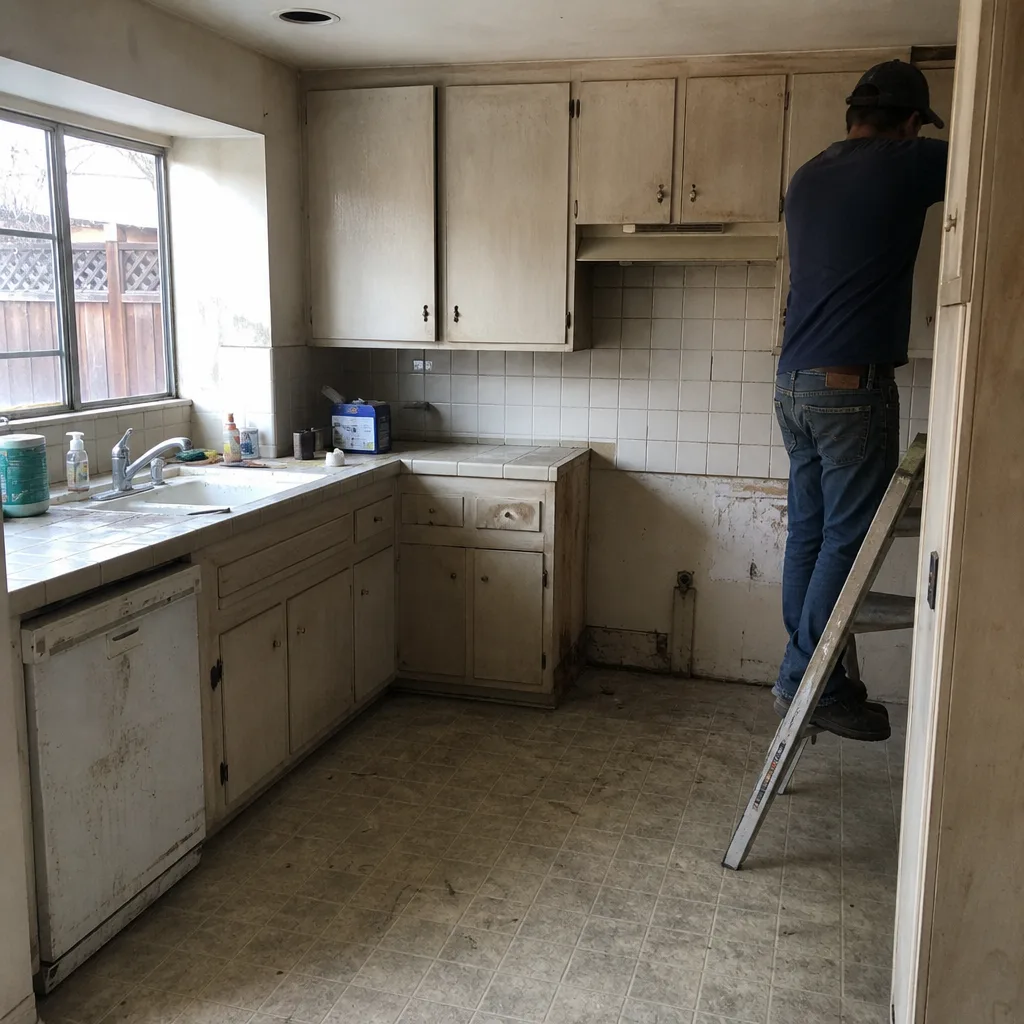 Before
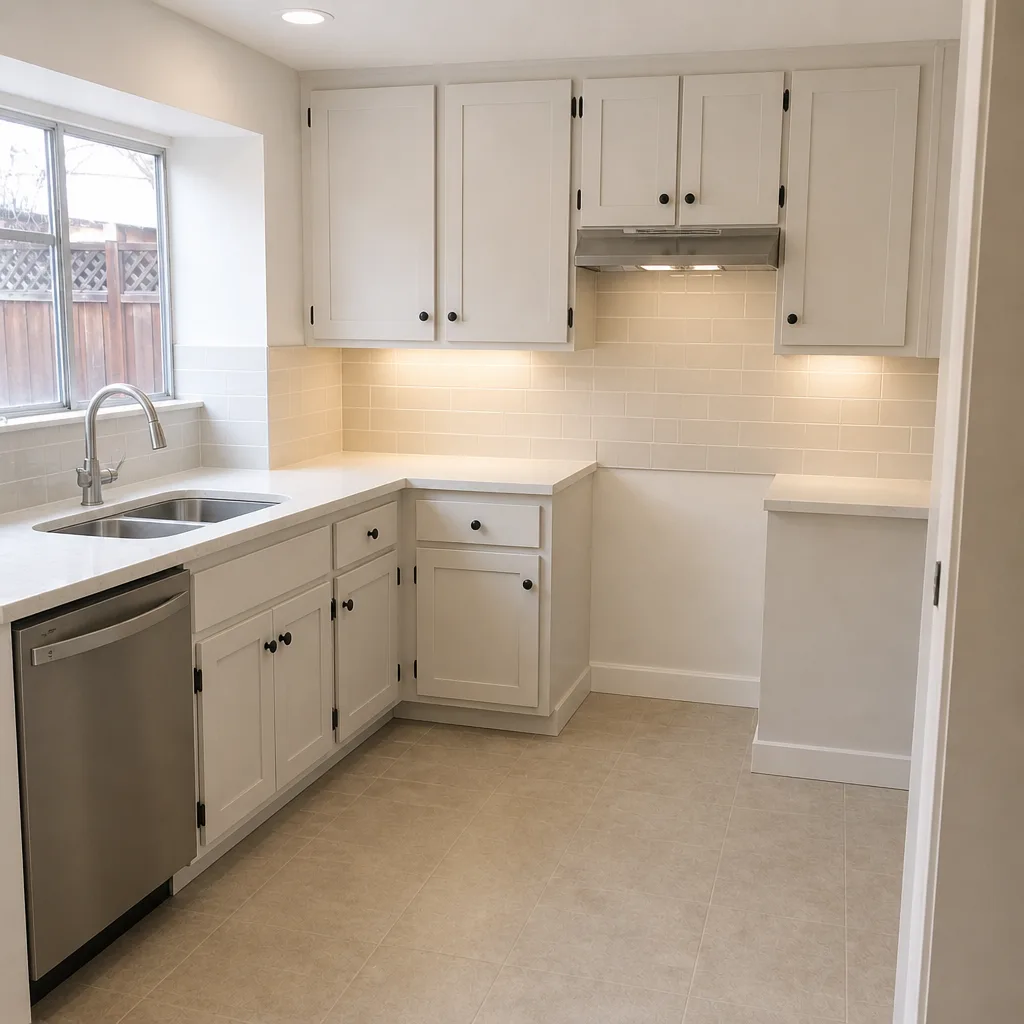 After
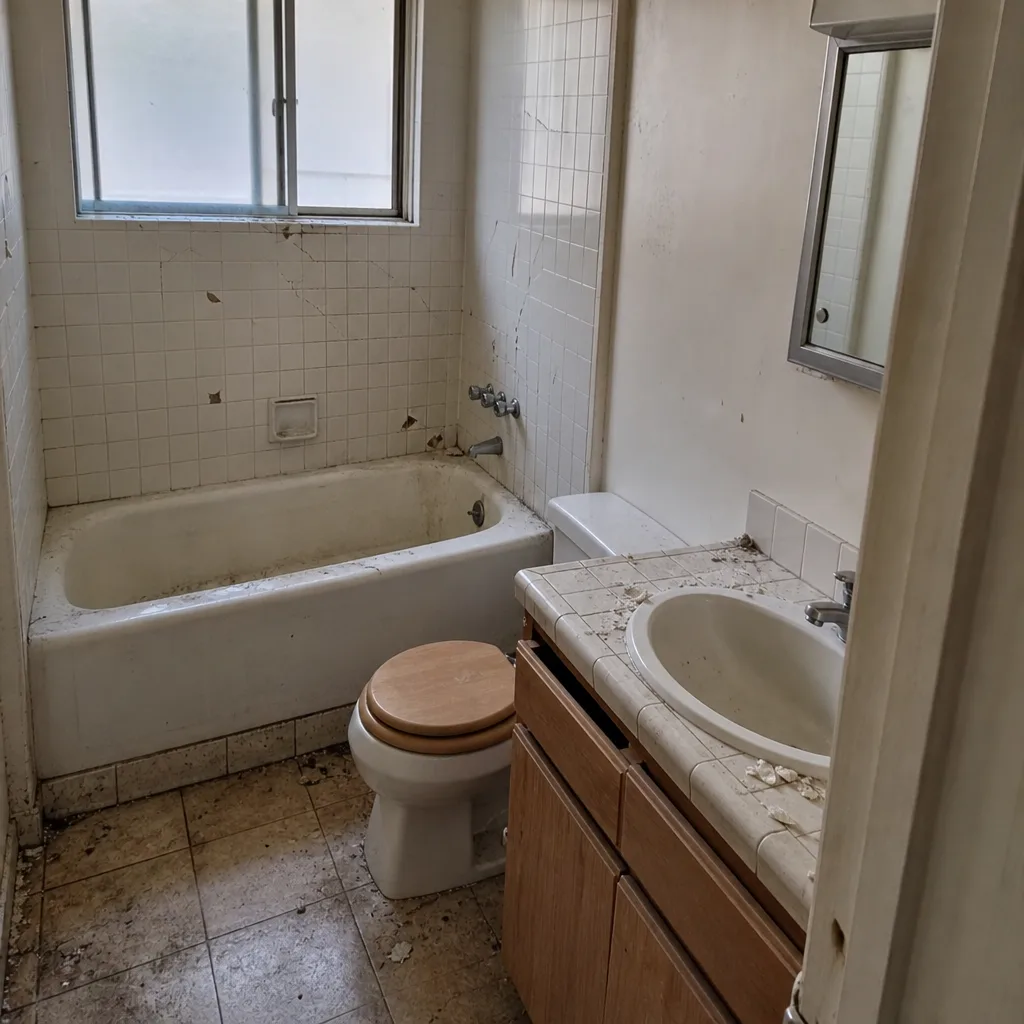 Before
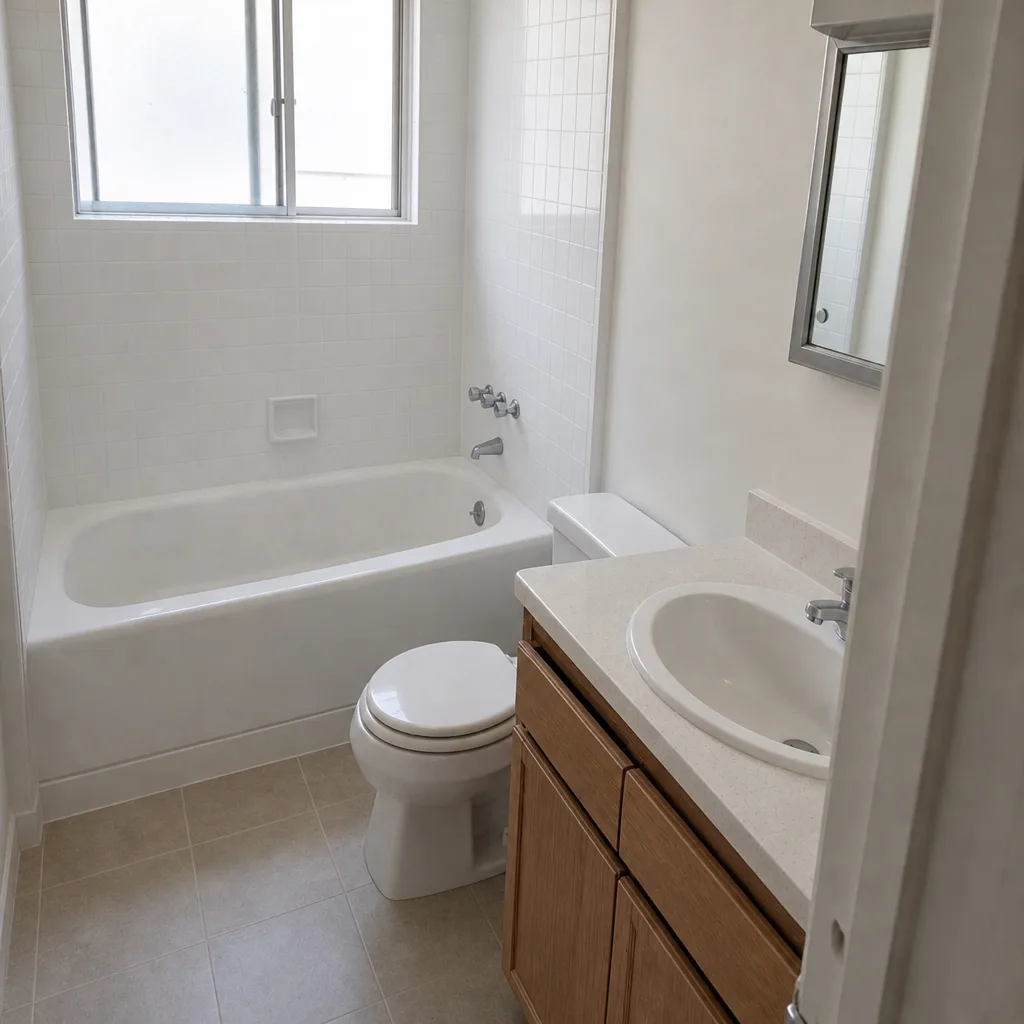 After
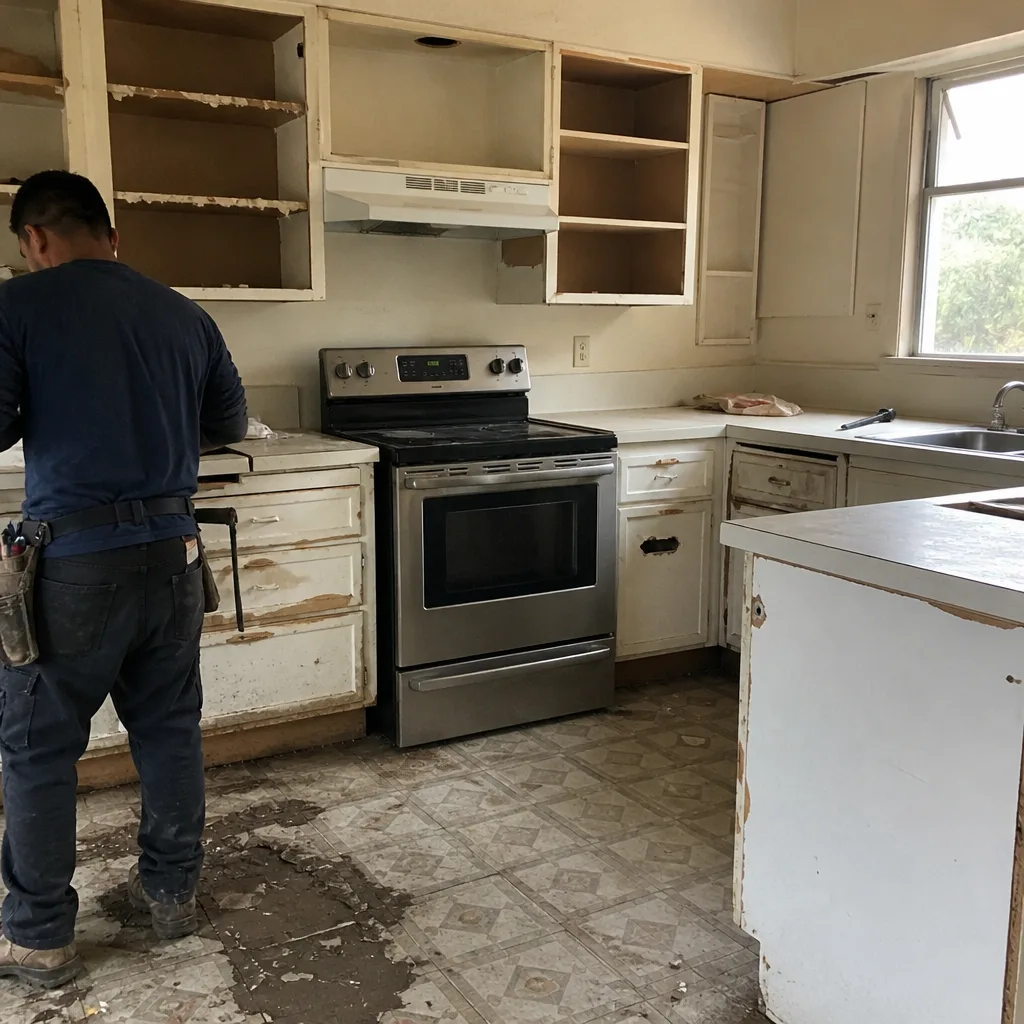 Before
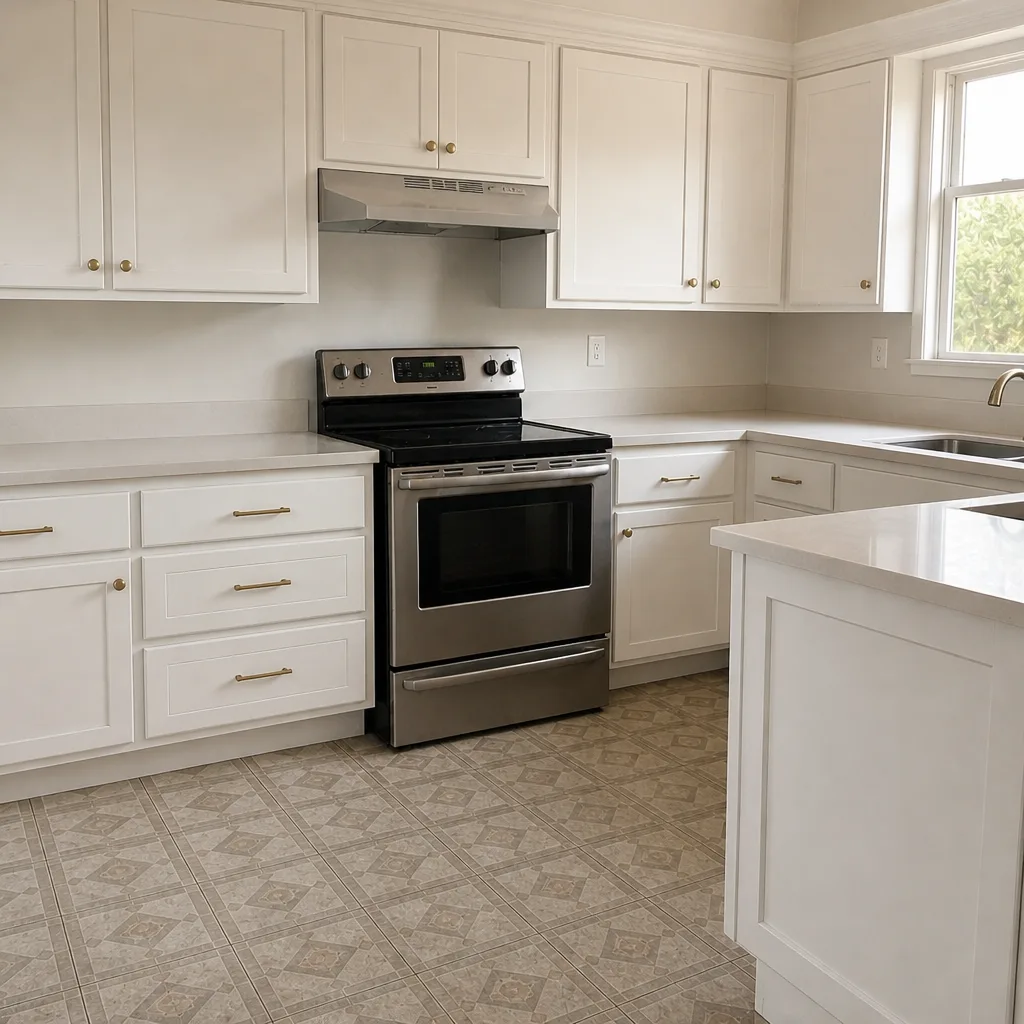 After
When to Call a Professional
Some kitchen work is a homeowner project: painting, swapping a light fixture, replacing a faucet. The rest isn’t – and the line matters for safety and for your permit file. Call a licensed contractor when the work touches electrical circuits, plumbing supply or drain lines, structural framing, gas lines to a range or cooktop, or anything that requires a permit in Sunnyvale. Call one immediately if you discover unpermitted prior work during your planning process, if you’re unsure whether the layout change you want is structural, or if a contractor has asked for a payment that isn’t on the schedule you signed. Penhallow Remodeling Sunnyvale offers free estimates in Sunnyvale – call (888) 426-8719 and we’ll walk your kitchen and put a written price in your hands before anything is touched.
Frequently Asked Questions

Most Sunnyvale kitchen remodels run $18,000 to $55,000, with the range driven by cabinet line, countertop material, whether walls come down, and whether the electrical panel needs upgrading. Cosmetic updates with stock cabinetry land near the bottom of that range; full layout changes with semi-custom cabinetry, quartz counters, and a panel upgrade land near the top. Call (888) 426-8719 for an exact written quote – estimates are free.
Not if the estimate was written correctly. A properly itemized estimate defines allowances in dollars, lists exclusions up front, and prices the known scope, so the number on day one is the number on the invoice. The legitimate changes that do occur – structural repair found after demo, a homeowner-requested upgrade – should hit paper as a signed change order before any work happens. If a contractor’s price moves without a written change order, that’s a warning sign, not a normal event.
Yes. Any kitchen work that touches electrical, plumbing, structural framing, or the building envelope requires a permit in Sunnyvale and across Santa Clara County. We pull the permit, schedule the inspections, and pass the fixes that follow them as part of the project scope – not as a surprise change order. Ask to see the permit number once it’s issued; a legitimate contractor will hand it over without hesitation.
Most Sunnyvale kitchen remodels take 6 to 10 weeks from demo to final inspection, with the range depending on cabinet and countertop lead times, permit inspection scheduling, and whether structural work is involved. Layout changes and panel upgrades add time. Any contractor quoting a completion date without checking current Santa Clara County inspection wait times is guessing – ask for the assumptions in writing.
An allowance is a dollar amount set aside in the estimate for a material the homeowner will select later – tile, countertops, fixtures, lighting. A legitimate allowance is a real number based on current material prices; an undefined allowance or one written without a number is the warning sign. If the estimate says “allowance for countertops” without a dollar figure, ask what the number is and what happens if your selections exceed it.
You inherit every problem the skipped inspection would have caught – unpermitted electrical that fails a future sale inspection, plumbing that leaks inside a wall, structural changes without proper engineering. You also carry a disclosure obligation when you sell. If you discover a contractor worked without a permit, stop work and call the city before proceeding; retroactive permitting is possible but costs more than doing it right the first time.
The Bottom Line
A kitchen remodel is only as safe as the paperwork in front of you before you sign. The second-lowest bid with a fully itemized price, defined allowances, a permit in writing, and a written guarantee beats the lowest bid on a one-page contract every time – and in Sunnyvale, where older homes often carry unpermitted prior work, the difference between the two is measured in thousands. Use the checklist. Read the guarantee. Ask where the number came from. And if a contractor can’t hand you a written price with real allowances before picking up a tool, you’ve found your warning sign early, which is exactly where you want to find it.
Ready to see what a written estimate should look like? Call Penhallow Remodeling Sunnyvale at (888) 426-8719 for a free estimate. A live person answers the phone around the clock, every technician arrives background-checked and in uniform, and the price you see on day one is the price on your invoice – backed by our 365-Day Done Right Promise.
Written by the team at Penhallow Remodeling Sunnyvale.