
Last updated November 17, 2026


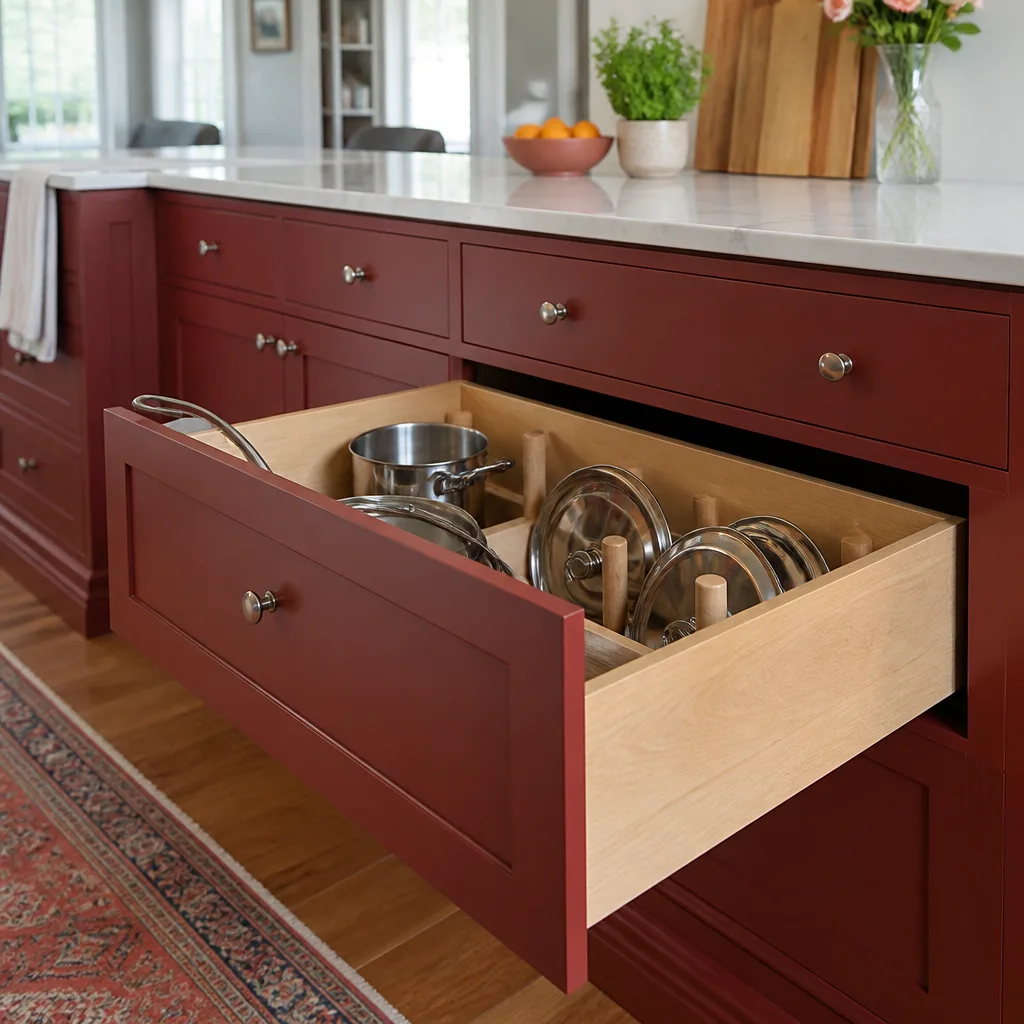





Free written scope consultation - allowances, timeline, and change-order rules on paper before a single trade is scheduled
Kitchen Remodeling Maintenance Schedule: What to Do and When
The day your contractor hands over the keys, your maintenance clock starts ticking, and almost nobody tells you that. There’s no plaque on the wall listing what to do in month one versus month nine. Most homeowners find out the hard way: grout that was sealed in March is failing by fall, cabinet doors are hanging crooked, and a warranty claim gets refused because a filter wasn’t changed. This guide gives you the schedule nobody hands you at the end of a job – a plain-language, month-by-month plan for the first year after a kitchen remodel in Sunnyvale, including the 30- and 90-day settling checks, the tasks that protect your warranties, and the ones you should never attempt yourself.
Quick Answer
Your kitchen remodel needs a first-year maintenance schedule: a 30-day settling check (cabinet hinge adjustment, caulk inspection, appliance leveling), a 90-day grout and caulk review, seasonal ventilation filter changes, annual grout sealing, and yearly checks of water shutoff valves and earthquake straps. Skip those, and you can shorten the life of your countertops and void the manufacturer warranties on cabinets and appliances.
Styles & brands we work with
- Kitchen remodeling
- Bathroom remodeling
- Home additions & ADU
- Roofing
- Windows & doors
- Driveway & pavers
- Fence
Table of Contents
- The First 30 Days: The Settling Check
- The 90-Day Review: Grout, Caulk, and Door Alignment
- Countertop Care: Where Warranties Live and Die
- Cabinet Doors, Drawers, and Finishes
- Ventilation and Appliance Maintenance
- Sunnyvale-Specific Maintenance: Hard Water and Seismic Checks
- What You Can Do Yourself and What Needs a Contractor
- The Full Year-One Maintenance Calendar
The First 30 Days: The Settling Check

New kitchens move. Wood expands and contracts as it adjusts to your home’s humidity, cabinet doors settle on their hinges, caulk cures and shrinks slightly, and appliances finish leveling out on the floor. That’s normal, and it’s why the 30-day check matters. Around day 30, walk the kitchen with a notepad and look for four things.
- Cabinet door and drawer alignment. Open and close every door and drawer. Do any scrape the frame or sit unevenly against the next door? Hinges have adjustment screws (usually on the cabinet side). Most European-style hinges allow side-to-side and up-down tweaks with a screwdriver in about a minute.
- Caulk lines. Run a fingertip along the caulk where the countertop meets the backsplash and where the backsplash meets the wall. If you feel a gap or see a hairline crack, that’s a touch-up, not a drama. A squeeze tube of color-matched siliconized caulk handles it.
- Appliance level. Put a level on the range and check the refrigerator door swing. A fridge that isn’t level will let the doors drift shut or hang open. Most have leveling feet that turn with a wrench.
- Grout inspection. Look at the grout lines on the backsplash. Any pinholes or soft spots? Note them. You’ll fix them at the 90-day check.
In Sunnyvale, the 30-day check falls at the tail end of our dry season for most remodels. That matters because the caulk sets faster in low humidity, and you may see shrinkage slightly sooner than you would in a wetter climate. If a caulk line cracks in the first month, it’s almost always a curing issue, not a workmanship failure. Save your notes anyway – a good record tells a contractor exactly what needs attention.
The team that handles our Kitchen Remodeling in Sunnyvale projects builds this 30-day walk-through into every handoff. If you want your own remodel done with that follow-through, start with a written price and a written guarantee.
The 90-Day Review: Grout, Caulk, and Door Alignment
By day 90, the kitchen has been through its first full humidity cycle and every joint has settled. This is when you do the real inspection, and it’s the point where a small fix prevents an expensive one. Grout that’s still holding after 90 days is going to hold for years, provided you seal it at the right time.
- Recheck the grout. Look for cracks, crumbles, or dark spots in the backsplash and floor tile. Any cracked grout lets water behind the tile, and in a kitchen that shortens the life of the substrate (the moisture-resistant layer behind the tile).
- Re-caulk where needed. If the original caulk has separated from the countertop edge, remove it with a plastic scraper and reapply. Never stack new caulk on old.
- Adjust cabinet doors again. Doors that were perfect at 30 days may drift by 90. Same screwdriver fix.
- Check appliance connections. Look under the sink at the water lines and at the dishwasher supply. Any weeping around the fittings should be called in, not tightened by hand.
Most kitchen remodel guides skip this step, which is a mistake. The 90-day review is where you catch problems while they’re still under the workmanship guarantee. If the caulk is failing because it was applied wrong, that’s a callback. If it’s failing because the substrate is flexing, that’s a bigger issue that needs a contractor’s eye. A written 365-Day Done Right Promise is only useful if you know when to use it. Day 90 is that moment.
Countertop Care: Where Warranties Live and Die

Countertop warranties are stricter than most homeowners expect. Cambria quartz, Silestone, and Caesarstone all publish care guidelines, and every one of them includes a clause about heat, cleaners, and cutting directly on the surface. Miss the maintenance requirements, and a claim for a chip or a stain can be refused.
What to do monthly, by material:
- Quartz (Cambria, Silestone, Caesarstone): Wipe with warm water and a mild dish soap. Never use bleach, ammonia, or abrasive pads. Never put a hot pan directly on the surface – use a trivet or a folded towel. Quartz resin can scorch at around 300°F. No sealing is needed, but a yearly inspection of the edge seams catches separating joints early.
- Granite or natural stone: Seal once a year with an impregnating sealer. The water test tells you when: drip a little water on the surface, wait 10 minutes, and if the water beads up, you’re fine. If it soaks in and darkens the stone, it’s time to seal.
- Solid surface: Refresh with a manufacturer-approved polish, and buff out light scratches with a fine pad once a year.
Heat damage is the number one warranty killer on quartz countertops. It’s also the most common reason a homeowner in Sunnyvale calls us about a chip that was “always there.” It wasn’t. A trivet costs $12 and protects a $6,000 countertop. That’s the trade.
Cabinet Doors, Drawers, and Finishes
Cabinet finishes – especially the factory finish on KraftMaid and Wellborn lines – are durable, but they don’t like two things: standing water and aggressive cleaners. The finish warranty usually holds if you clean with a damp cloth and a mild soap solution. It doesn’t hold against a degreaser designed for restaurant kitchens.
Your cabinet maintenance schedule:
- Monthly: Wipe fingerprints and grease with a damp microfiber cloth. Follow with a dry cloth so no moisture sits on the surface.
- Quarterly: Tighten every hinge screw and drawer slide screw. Wood cabinets move slightly with humidity, and hardware loosens over time. This prevents the sagging-door look that ages a kitchen quickly.
- Twice a year: Apply a manufacturer-approved cabinet conditioner to wood finishes. Check the toe kick and the underside of the upper cabinets where moisture from the dishwasher or the range hood may condense.
If a door is rubbing because the cabinet box itself moved, don’t shim it. Call the contractor. A cabinet that is out of plumb is a structural concern, not a hinge problem. That’s the line between a homeowner task and a professional one.
Ventilation and Appliance Maintenance

This is where most warranties on ranges and dishwashers actually fail. Manufacturers require that the appliance be installed and maintained per the owner’s manual. If the range hood filter is clogged, the hood can’t vent heat and moisture, and the manufacturer can point to that in a claim.
- Range hood filter: Clean monthly if you cook daily, every three months otherwise. Most filters are dishwasher-safe. Replace carbon filters for recirculating hoods every six to twelve months.
- Refrigerator: Vacuum the condenser coils every six months. Dusty coils make the compressor work harder and shorten the appliance’s life.
- Dishwasher: Run a cleaning cycle monthly with a dishwasher descaler. Here’s the Sunnyvale part: our water is moderately hard, and the mineral content builds up on heating elements faster here than in cities with softer water.
- Oven: Wipe up spills before they bake on. Use the self-clean cycle no more than twice a year – the extreme heat stresses oven gaskets and the cabinet surround.
If a new appliance fails in the first year, the manufacturer warranty is your first call, not us. But we’ve seen enough appliance failures to know that most of them show up as a strange noise before they fail. Note it, and note the date. Manufacturers ask for a service history more often than homeowners expect.
Sunnyvale-Specific Maintenance: Hard Water and Seismic Checks
Sunnyvale has two local conditions that shape a kitchen maintenance schedule: hard water and earthquakes. Neither shows up in the generic care guide that comes with a new faucet, and both matter.
Hard water. Our municipal water runs moderately hard, and hard water deposits mineral scale on faucets, showerheads, and grout lines. In the kitchen, that means:
- Wipe the Kohler or Moen faucet dry after each use. Hard water spots etch the finish if left standing.
- Soak the aerator in white vinegar every three months. It’s a 10-minute job that restores flow and prevents the calcium crust that dulls the spray.
- Seal grout in the first year and again every 12 months. Hard water and unsealed grout are a bad combination, and in Sunnyvale, we see grout darken faster than homeowners anticipate.
Seismic checks. California code (CBC and the state’s seismic provisions) requires restraint for certain appliances and tall cabinets. That’s not just a construction requirement – it’s a maintenance item. Every year, check that:
- The refrigerator has an earthquake strap or is braced. Replace any strap that looks worn.
- Upper cabinet runs are fastened to studs. Even a small movement in an earthquake can loosen a cabinet that was poorly anchored.
- The range and dishwasher are secured per the manufacturer’s anti-tip and restraint requirements.
These checks take 20 minutes and cost nothing. In a region where we feel tremors regularly, they’re the difference between a kitchen that stays put and a kitchen that needs rebuilding.
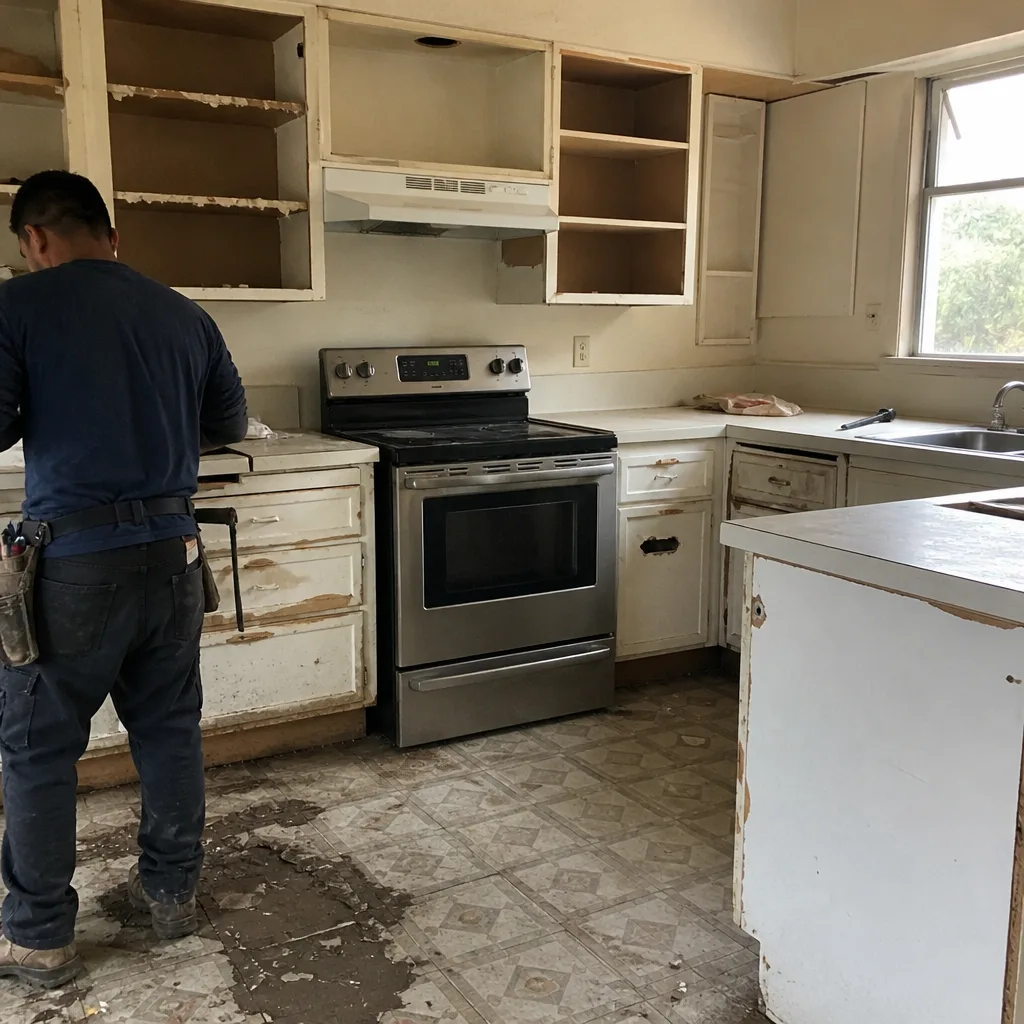
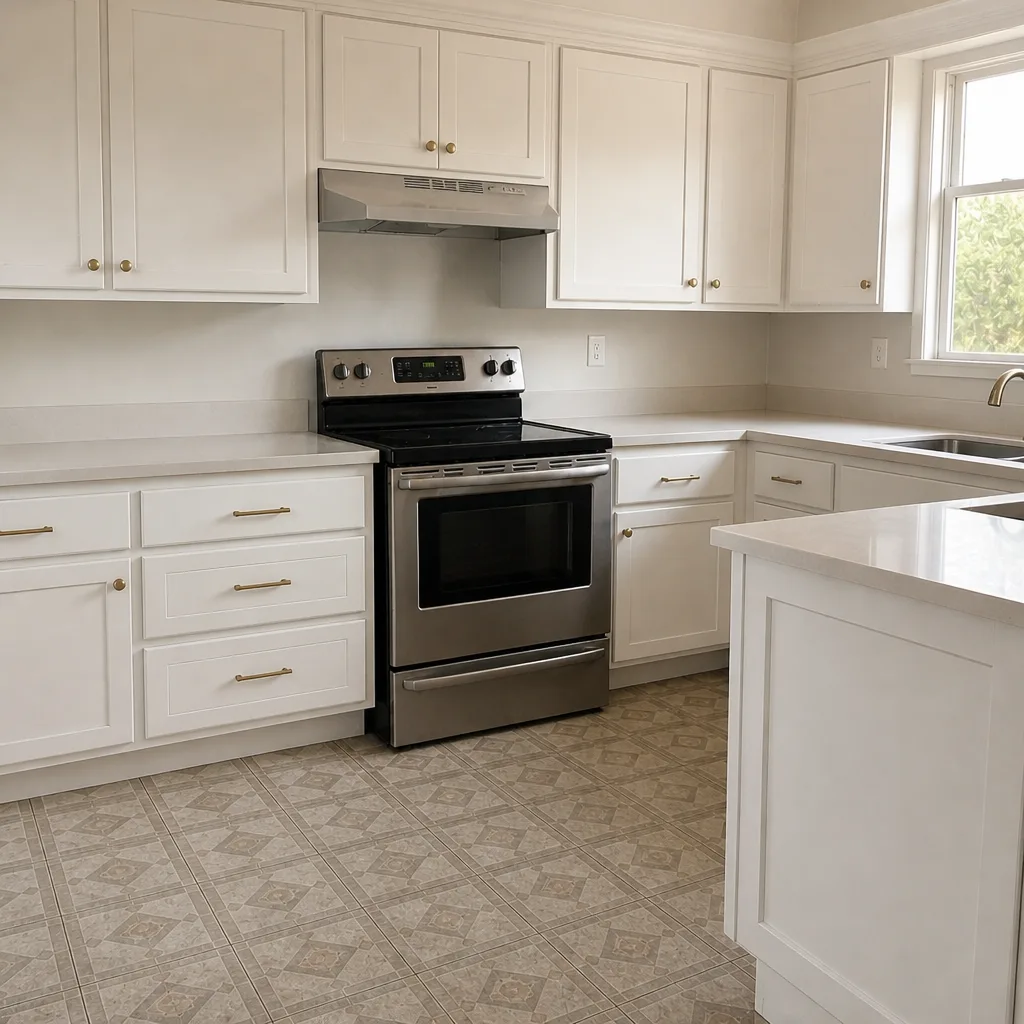
See the difference
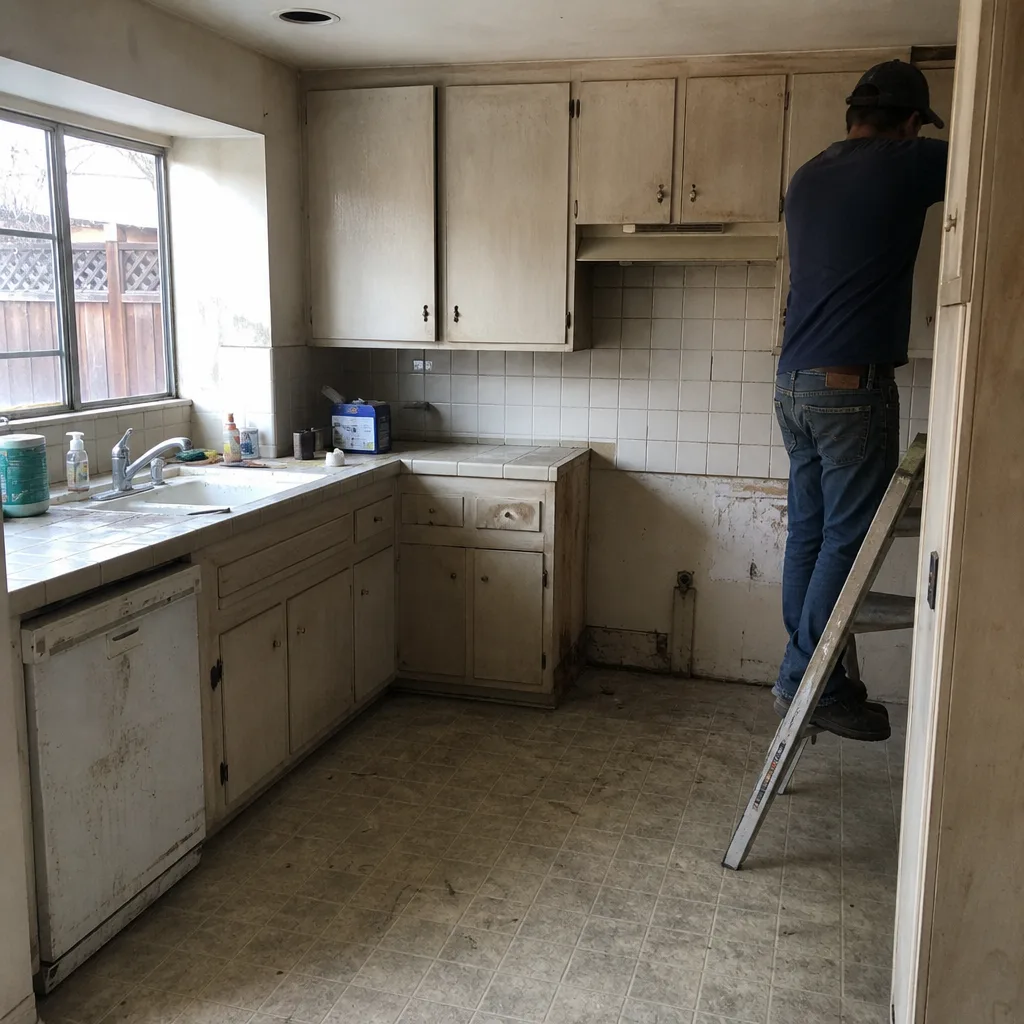 Before
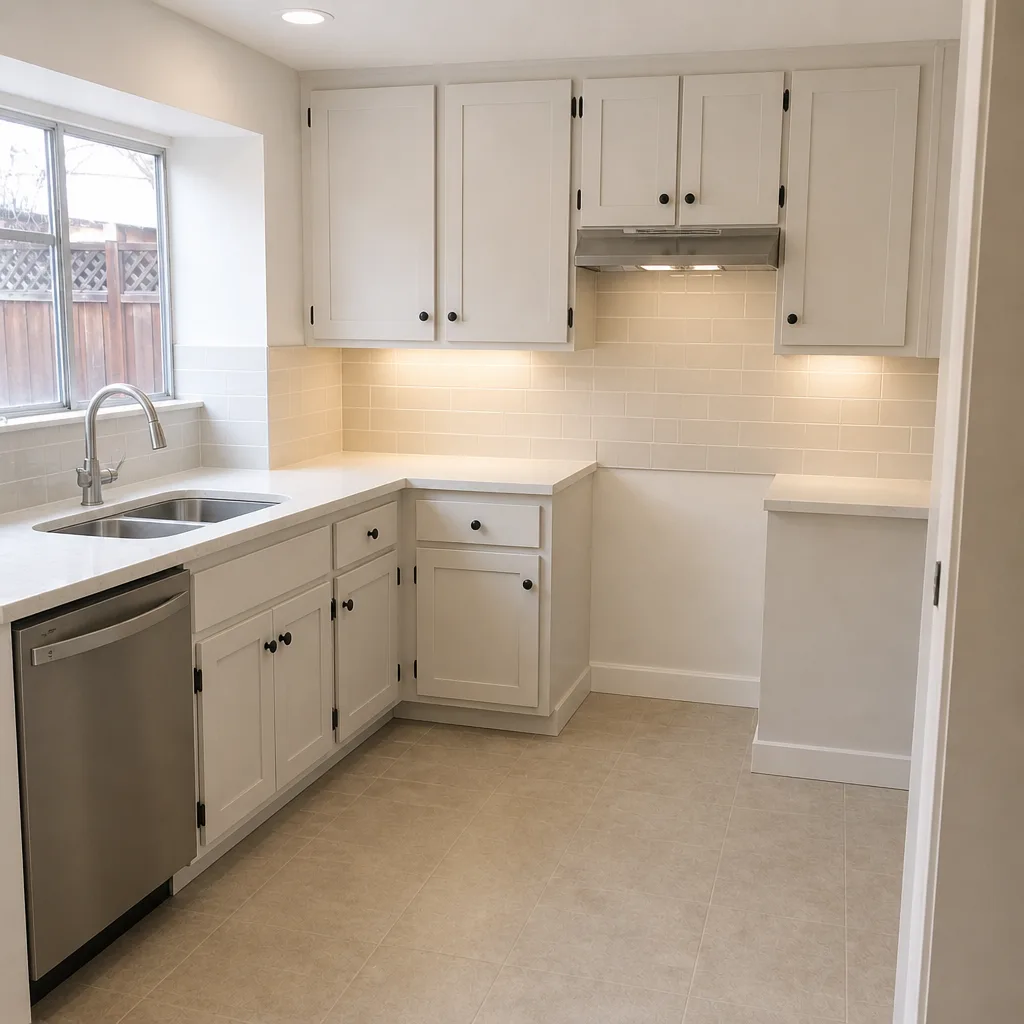 After
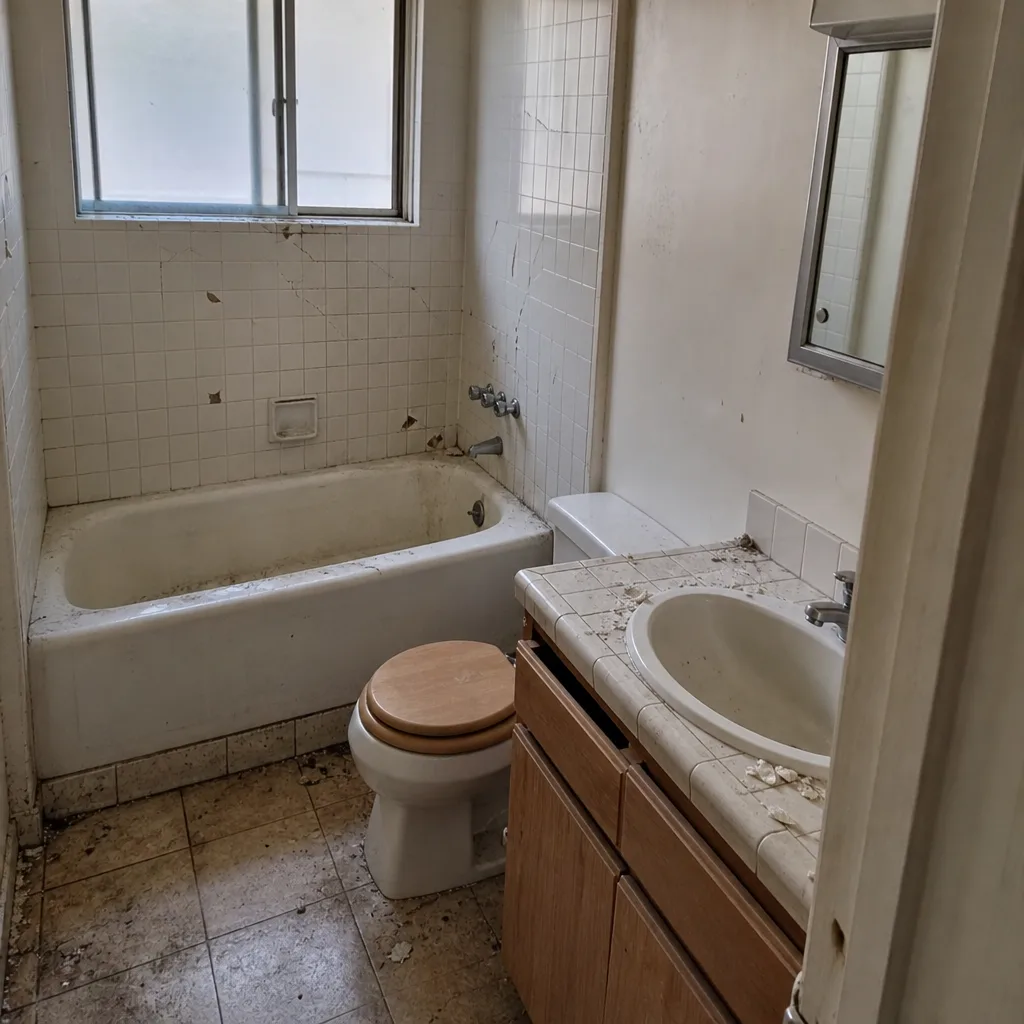 Before
 After
 Before
 After
What You Can Do Yourself and What Needs a Contractor
The most useful maintenance guide isn’t the most cautious one – it’s the one that tells you which jobs are yours and which aren’t. Here’s the honest split.
Homeowner tasks (safe, no code, no tools that bite):
- Aerator cleaning, faucet polishing, and scale removal with vinegar.
- Range hood filter cleaning and replacement.
- Refrigerator coil vacuuming.
- Caulk touch-ups at the countertop seam.
- Tightening cabinet hinge and drawer screws with a screwdriver.
- Dishwasher descaler runs.
Contractor tasks (call us):
- Any repair involving the water supply lines under the sink or behind the refrigerator.
- Re-sealing grout on the floor tile, and any grout repair that involves removing cracked material.
- Cabinet out-of-plumb or structural issues.
- Countertop chip or seam repair on quartz or stone.
- Appliance restraint check where the anchor is questionable.
- Anything electrical behind the backsplash or under the range hood.
We’ve been in enough Sunnyvale kitchens to know that homeowners try the water line and regret it. A slow leak behind the dishwasher can run for weeks and rot the substrate before you see a stain. Call the professional for the plumbing. Save the screwdriver for the hinge.
The Full Year-One Maintenance Calendar
Here’s the whole kitchen remodel maintenance schedule in one place. Print it, stick it on the inside of a cabinet door, and check it off.
- Month 1 (30 days): Settling walk-through. Check hinges, drawer slides, caulk lines, appliance level, and grout. Note anything that needs attention.
- Month 3: Full grout and caulk review. Re-adjust cabinet doors. Check water connections under the sink and dishwasher. Call the contractor for anything that fails these checks.
- Month 6: Vacuum refrigerator coils. Clean the range hood filter. Descale the dishwasher. Replace the recirculating hood carbon filter if you have one. Wipe down cabinet finishes with mild soap.
- Month 9: Deep-clean grout lines. Check countertop seams and edges. Inspect and replace any worn caulk. Check earthquake straps and appliance restraints.
- Month 12: Annual grout sealing. Seal natural stone countertops if applicable. Test water shutoff valves (turn them a quarter-turn and back). Check the under-cabinet and toe-kick finishes. Schedule a professional inspection if anything failed the check.
- Every month: Wipe faucets dry, clean range hood filters (in heavy-use kitchens), and run a dishwasher cleaning cycle if your water is hard.
That’s the schedule. It’s not much – 20 minutes a month and a bigger afternoon twice a year. The kitchens that look new at year ten are the ones that got this attention. The ones that look tired at year three usually skipped the 30-day check and the first grout sealing.
Common Mistakes to Avoid
- Never sealing new grout. Sealing should happen within the first year, after the grout has cured. Skip it, and in Sunnyvale’s moderately hard water, grout darkens and weakens fast.
- Using a degreaser on cabinets. A restaurant-grade degreaser will strip the factory finish on KraftMaid and Wellborn cabinets and could void the finish warranty. Use mild soap and water.
- Putting a hot pan on quartz. Quartz countertops can scorch at around 300°F. That’s an oven-safety temperature, not a stovetop-pan temperature. Always use a trivet.
- Skipping the 30-day cabinet adjustment. Doors that rub at 30 days become doors that sag at 12 months. A two-minute screwdriver fix early prevents a hardware replacement later.
- Ignoring the earthquake straps. Sunnyvale sits in a seismic zone. A $20 strap on a refrigerator or a reviewed cabinet anchor is the cheapest insurance in the kitchen.
- Not changing the range hood filter. Clogged filters are one of the reasons manufacturers refuse a range warranty claim. Clean or replace on schedule, and keep a note of when you did it.
- Handling water line repairs yourself. A leak behind the dishwasher can rot the substrate before you see the water. Call a professional.
When to Call a Professional
Some maintenance is yours; some isn’t. Call a professional if you find a soft spot in the grout with a water stain behind it, if the caulk line keeps separating after you’ve caulked it twice, if a cabinet is visibly out of plumb, if you have a chip or a seam separation on a quartz or stone counter, or if any appliance restraint looks questionable. Call immediately if you can smell gas near the range or if a water line shows any weeping. Electrical work behind the backsplash or under the range hood is a professional job, always – 120-volt wiring can shock and start a fire if the repair is wrong. Penhallow Remodeling Sunnyvale offers free estimates in Sunnyvale – call (888) 426-8719. We pull permits where they’re required, and we put the price and the guarantee in writing before work starts. If a repair we did fails inside the 365-day Done Right Promise, we come back and fix it at no charge.
Frequently Asked Questions
Seal grout within the first year after installation, ideally at the 12-month mark once the grout has fully cured. Sealing sooner than 30 days can trap moisture in fresh grout. On a backsplash, many installers pre-seal, but a second application in year one extends the life considerably.
New cabinet doors often drift out of alignment because the wood and the hinges settle with humidity changes. Adjust the hinges with a screwdriver – most European-style hinges allow side-to-side and up-down adjustment. If the door is still crooked after adjusting and the cabinet box looks out of plumb, call a professional; that’s a structural issue, not a hinge issue.
Yes. Sunnyvale’s water is moderately hard, and the mineral content builds up on faucets, aerators, and grout lines. Wipe faucets dry after each use, soak aerators in white vinegar every three months, and keep grout sealed to prevent the dark staining that hard water causes. Kohler and Moen finishes hold up well if they’re not left wet.
No. Quartz countertops made by Cambria, Silestone, and Caesarstone are non-porous and don’t need sealing. Applying a sealer to quartz can leave a residue that dulls the finish. Clean with mild dish soap and warm water, and never use bleach or ammonia.
Yes. A chip or a seam separation on quartz requires a professional repair to look right and to keep the warranty intact. DIY repair kits often make the chip more visible and void the manufacturer warranty. Call for a free estimate before you try anything.
Using abrasive or degreaser cleaners on the factory finish, allowing standing water on the finish, and unauthorized field repairs are the common ones. KraftMaid and Wellborn both specify mild soap and water. Keep your cleaning products simple and you stay covered.
The Bottom Line
A kitchen remodel is a 20-year asset, and the maintenance schedule is what protects it. The first year matters most: the 30-day settling check, the 90-day grout and caulk review, monthly filter changes, and annual grout sealing. Add the Sunnyvale-specific pieces – hard water care on faucets and grout, and annual earthquake strap checks – and your kitchen still looks new a decade from now. The tasks you can handle yourself are small and cheap. The ones that threaten a warranty or a floor are a phone call. If your kitchen needs a repair or a second opinion, get a free estimate and a written price before anything starts.
Planning a remodel or a repair? Start with the Penhallow Remodeling Sunnyvale home page to see how we approach the work. If your kitchen project is broader, our General Contractor in Sunnyvale team can scope it, and for the room next door, look at Bathroom Remodeling in Sunnyvale. Wherever you start, every job gets a written price before any work begins, a real arrival window, and a written guarantee. Call (888) 426-8719 for a free estimate in Sunnyvale. A live person answers, and the estimate is free.
Written by the team at Penhallow Remodeling Sunnyvale.