
Last updated November 17, 2026








Free written scope consultation - allowances, timeline, and change-order rules on paper before a single trade is scheduled
General Contractor Troubleshooting: Common Problems and How to Fix Them
Most remodeling disputes don’t start on demo day. They start three weeks earlier, when a homeowner notices something small and decides not to ask about it. The draw request that came in ahead of schedule. The inspection that got quietly pushed. The tile guy who showed up on a Saturday with no company logo on his shirt. Each of those is a signal, and by the time a project feels broken, the signals were usually there for a while. This guide is for Sunnyvale homeowners who want to know what they’re looking at and what to do next, in plain language, before a project problem becomes a legal one.
Quick Answer
If you’re dealing with problems with a general contractor mid project, the fix almost always starts with documentation, not confrontation. Put the issue in writing, reference your contract’s scope and payment schedule, and request a written correction plan with dates. In California, a written cure notice is the standard first step for a contractor who has breached a scope, schedule, or payment term, and it protects your position if a dispute escalates. The five breakdowns below cover about 90% of what we hear from homeowners in Sunnyvale, and each one has a specific playbook.
Styles & brands we work with
- Kitchen remodeling
- Bathroom remodeling
- Home additions & ADU
- Roofing
- Windows & doors
- Driveway & pavers
- Fence
Table of Contents
- Is it a real delay, or is your contractor juggling jobs?
- The draw schedule problem: spotting unbalanced payments
- How to send a California cure notice without blowing up the relationship
- When subcontractors show up saying they haven’t been paid
- Stalled inspections and permit red flags
- Mid-project scope changes and change-order math
- How a written workmanship guarantee changes your leverage
Is it a real delay, or is your contractor juggling jobs?
A real delay leaves a paper trail. A contractor juggling your job against another one leaves a trail of excuses that don’t connect to anything you can verify. The difference matters because one calls for patience and the other calls for a written cure notice (covered further down). Here’s how to tell them apart in about ten minutes.
Signs of a legitimate delay
- Supplier backorders you can verify – KraftMaid and Wellborn cabinet lines genuinely run 6 – 12 weeks on certain finishes, and your contractor should be able to forward a confirmation with your order number and a revised ship date.
- Permit office lag – The City of Sunnyvale’s building division handles a heavy volume of residential permits, and plan review can add 3 – 6 weeks on a structural or kitchen-remodel scope. Ask for the permit number and check the status online yourself.
- Inspection scheduling windows – Some trades get booked out 5 – 10 business days. You can call the county inspection line and confirm the scheduled date.
- Weather on exterior work – James Hardie siding and exterior paint don’t go on in the atmospheric river rain weeks we get in Sunnyvale in January and February, and no honest contractor will tell you otherwise.
Signs your job is being juggled
- Crews disappear for 4 – 7 days with no explanation, then reappear with new subs you’ve never met
- The next draw request arrives before the milestone tied to it has been completed
- Materials sit undelivered for weeks with no revised delivery date
- Your project manager goes silent on Friday and reappears Monday with a new excuse every week
If you’re seeing two or more of the juggling signs, the fix is a written status request: a short email asking for the current scheduled milestone dates in writing, by name of task, with dates. A contractor who is doing the work will respond with specifics within 48 hours. One who isn’t will give you vague language about “the schedule” or “supply chain.”
The draw schedule problem: spotting unbalanced payments
An unbalanced draw schedule asks you to pay more than the work completed is worth. The classic version: a 50/50 split with 50% due at signing and the second 50% due “when the job is substantially complete.” That sounds clean. It isn’t. It means you have almost no leverage for the back half of the project and almost no protection if the contractor walks.
What a balanced draw schedule looks like
For a kitchen remodel in the $18,000 – $55,000 range, a fair schedule usually breaks into 5 – 7 draws, each tied to a physical milestone you can see:
- 10% at contract signing (holds place, orders materials)
- 15% at demo complete and rough-in underway
- 20% at inspection passed (framing, electrical, plumbing)
- 20% at drywall complete and cabinets delivered to site
- 20% at cabinet install and countertop template
- 10% at countertop install and fixture set
- 5% at punch list and final walkthrough
How to renegotiate without blowing up the relationship
Don’t open with “I don’t trust you.” Open with the milestone language. Something like: “Before we sign, can we tie each draw to a completed milestone so we’re both protected? I’d like the second draw tied to demo complete instead of the current 30% at material delivery.” Almost every reasonable contractor will adjust a draw schedule when the ask is framed as mutual protection. The good ones already structure it that way. If yours won’t budge on a 50/50 split with a big front-loaded percentage, that’s your warning sign, and the conversation you’re having should be with a different general contractor in Sunnyvale.
How to send a California cure notice without blowing up the relationship
A cure notice is a written notice that a specific contract term has been breached and that the contractor has a defined window to fix it. In California, this is a normal, expected step in residential construction, and it does not mean a lawsuit. It means “here’s what’s wrong, here’s what fixing it looks like, here’s the deadline.” A written cure notice protects your right to recover costs or damages later if the contractor doesn’t perform, and it starts the paper trail a judge or an arbitrator would want to see.
What a good cure notice includes
- Reference the contract – include the date, the project address, and the contract section that was breached
- State the specific defect – “Electrical rough-in inspection failed on October 14 at the kitchen island” beats “your work is bad”
- State the required cure – “Re-permit and re-inspect the electrical rough-in and deliver a passed inspection slip by [date 10 – 15 business days out]”
- State the consequence of non-performance – “If the cure is not completed by [date], we will pursue remedies consistent with our contract and California law”
- Send it correctly – certified mail to the address on the contract, plus a plain email copy. Keep both proofs.
Send it. Don’t threaten it, don’t text it, don’t verbally describe what you’re “about to do.” In our experience, most mid-project problems resolve in the cure-notice window without any escalation, because the notice itself tells the contractor you know the process.
When subcontractors show up saying they haven’t been paid
This is the one people get wrong most often. A sub who hasn’t been paid by your general contractor can file a mechanics lien against your property, not against the GC. That means the problem is not a payroll dispute you watch from the side, it’s a title issue on your house. In California, subcontractors and material suppliers have 90 days from completion of their work (or 90 days from recording a notice of completion) to record a lien. You do not have the luxury of “waiting to see how it plays out.”
What to do this week
- Get it in writing from the sub. Ask the sub for their name, their company, the amount owed, and what work it covers. Get it by email.
- Send it up the chain. Forward the sub’s written claim to your GC by email the same day, and ask for a written response with a payment date.
- Request lien waivers. Every draw should include a signed conditional lien waiver from the GC and any subs or suppliers whose work is being paid for by that draw. If your GC isn’t providing waivers, ask why.
- Consider a joint check. If the sub says they’ve been unpaid before, offer to issue the next draw as a joint check to the GC and the sub, both names on the check. This is common and protects everyone.
- Protect your title. If a lien gets recorded, contact a construction attorney within a couple of days. You don’t wait for it to sort itself out.
If your contractor gave you a written guarantee that covers completed work, ask them in writing how the guarantee holds up if a sub files a lien. A company that stands behind the work will answer the question. One that can’t answer it has a problem, and now you know that too.
Stalled inspections and permit red flags
In Sunnyvale, most kitchen and bathroom remodels require at least a building permit, and structural scope triggers additional engineering. If your contractor has stopped pulling scheduled inspections, that’s not a scheduling annoyance, it’s a red flag. An inspection that gets pushed repeatedly often means the work isn’t ready to be seen.
What to verify yourself
- Permit number – Ask for it, and look it up on the City of Sunnyvale’s permit portal. You’ll see the current status of each inspection phase.
- Inspection slip – Every passed inspection generates a slip or online record. Ask your contractor to forward each one.
- Cover inspections before concealment – Electrical, plumbing, and framing inspections need to happen before drywall goes up. If drywall is going in over un-inspected rough-in, stop the work and call the city yourself.
This is one of the reasons we write the inspection sequence into every kitchen remodeling in Sunnyvale contract: it removes the ambiguity about who is responsible for what, and when. Pulling permits and passing inspections isn’t a bonus, it’s the baseline of a legal project.
Mid-project scope changes and change-order math
Scope changes mid-project aren’t a problem by themselves. Unpriced scope changes are. If your contractor does extra work and hands you a bill at the end without a signed change order, you’re in a dispute waiting to happen, and the number is always bigger than the one that would have been agreed to up front.
The change-order rule
- Every change gets a written change order before work starts. No exceptions, no “we’ll settle up at the end.”
- The change order states the scope, the price, and the schedule impact. All three. “Adding a pot filler” isn’t a change order until it says $340 and adds two days.
- No work starts on a change until the change order is signed. This is the one hard line, and it protects both sides.
Some of the most common mid-project changes we see in Sunnyvale are electrical: a homeowner realizes during rough-in that the kitchen island needs two more outlets for a coffee setup and a charging station, or that the recessed lighting layout isn’t going to work once cabinets are placed. Those are normal. A change order priced at $180 – $650 depending on scope is normal. A verbal “we’ll work it out” is not.
How a written workmanship guarantee changes your leverage
When you have nothing in writing, a dispute is a negotiation between your memory and your contractor’s. When you have a written workmanship guarantee, the dispute is about a document, and the timeline for resolution is defined. That’s the difference.
At Penhallow Remodeling Sunnyvale, every project carries the 365-Day Done Right Promise: if the work fails inside the guarantee period, we come back and fix it at no charge, and that’s covered in writing before work starts. If a repair fails, we schedule a second visit at no additional service-call or re-inspection fee. For a homeowner in a dispute, that document changes the math. You’re no longer arguing about who pays for the fix, you’re holding up a warranty and asking the contractor to honor it. If they won’t, that document is evidence in any subsequent process.
Compare that to a contractor who gave you a handshake estimate and a verbal promise. There’s no document to point to, no defined window, and the “fix” is whatever they decide it is. For anyone weighing bids in Sunnyvale right now, the guarantee is worth more than the price difference between contractors. Ask for it in writing from every bid, and if a contractor won’t put their workmanship guarantee on paper, you already have your answer. It’s one reason we point homeowners at our bathroom remodeling in Sunnyvale page before they start comparing bids: the guarantee and the pricing are what you’re actually comparing.
Common Mistakes to Avoid
- Paying a front-loaded deposit. A 50% deposit at signing on a $40,000 kitchen remodel means your contractor has $20,000 before a single cabinet arrives. Sunnyvale homes change hands quickly and a front-loaded deposit is the single biggest reason homeowners lose money mid-project.
- Not checking the permit status yourself. The City of Sunnyvale’s online permit portal takes five minutes. Checking it monthly would prevent most inspection-related disputes we hear about.
- Skipping lien waivers at each draw. Signed waivers are what stand between you and a mechanics lien from a sub you’ve never met. Ask for them every draw, even when it feels awkward.
- Verbal change orders. “We’ll settle up at the end” almost always ends with a larger number than a written change order would have. Never authorize work without a signed change order.
- Not putting a cure notice in writing. Homeowners often want to “give it another week” instead of sending the notice. In California the timeline matters, and a written cure notice protects your recovery window. Don’t lose days by staying polite.
- Trusting a verbal guarantee. If your contractor won’t put their workmanship guarantee on paper, there is no guarantee. Get the promise in writing or reconsider the bid.
- Letting a sub’s unpaid-claim issue wait. A sub who hasn’t been paid can file a lien against your Sunnyvale home. If you hear about an unpaid claim, act within the week, not the month.
See the difference
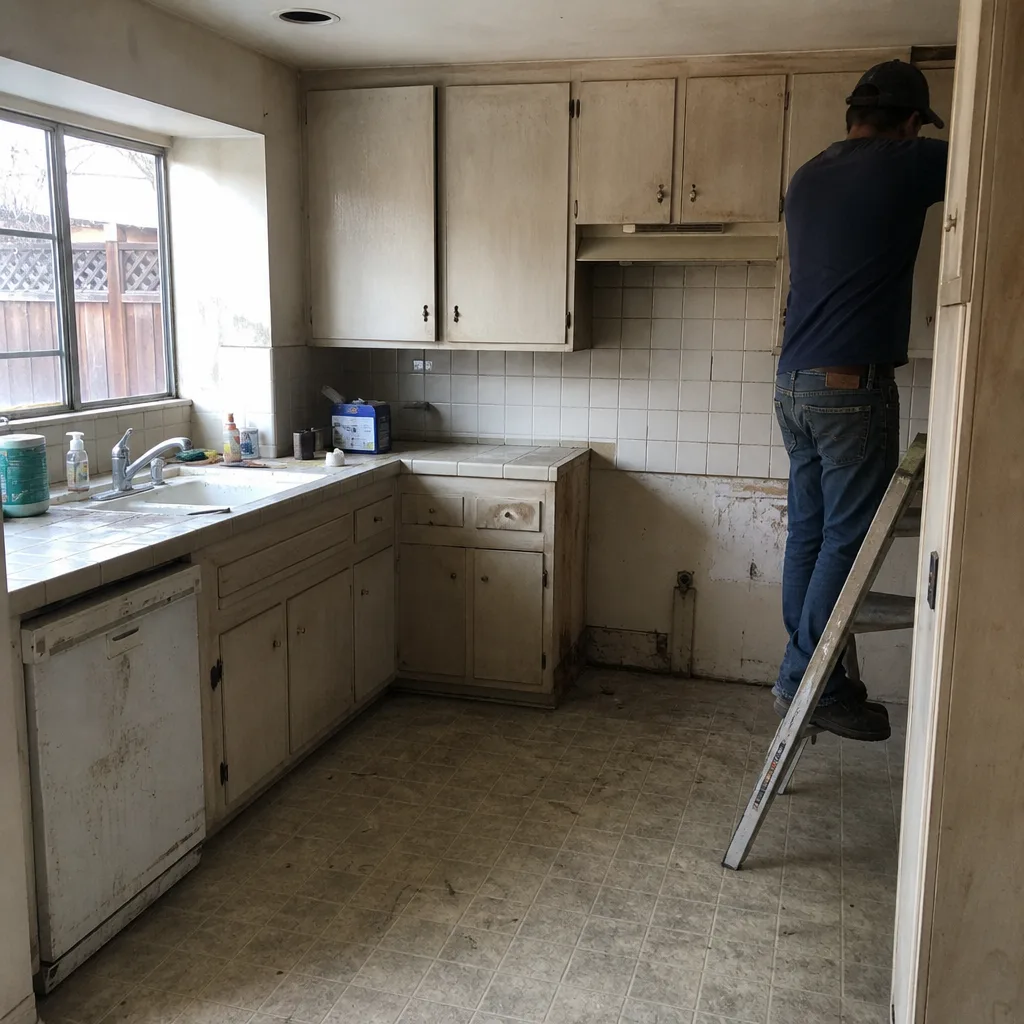 Before
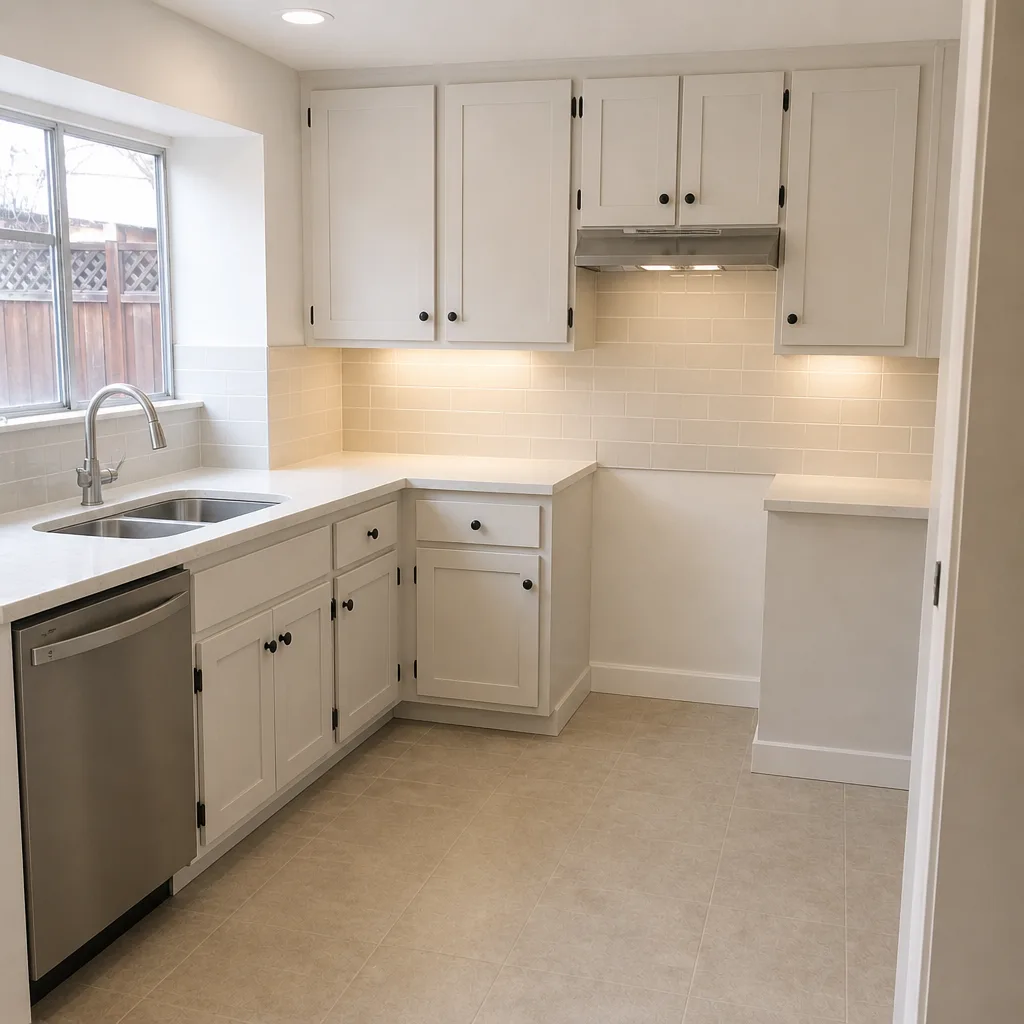 After
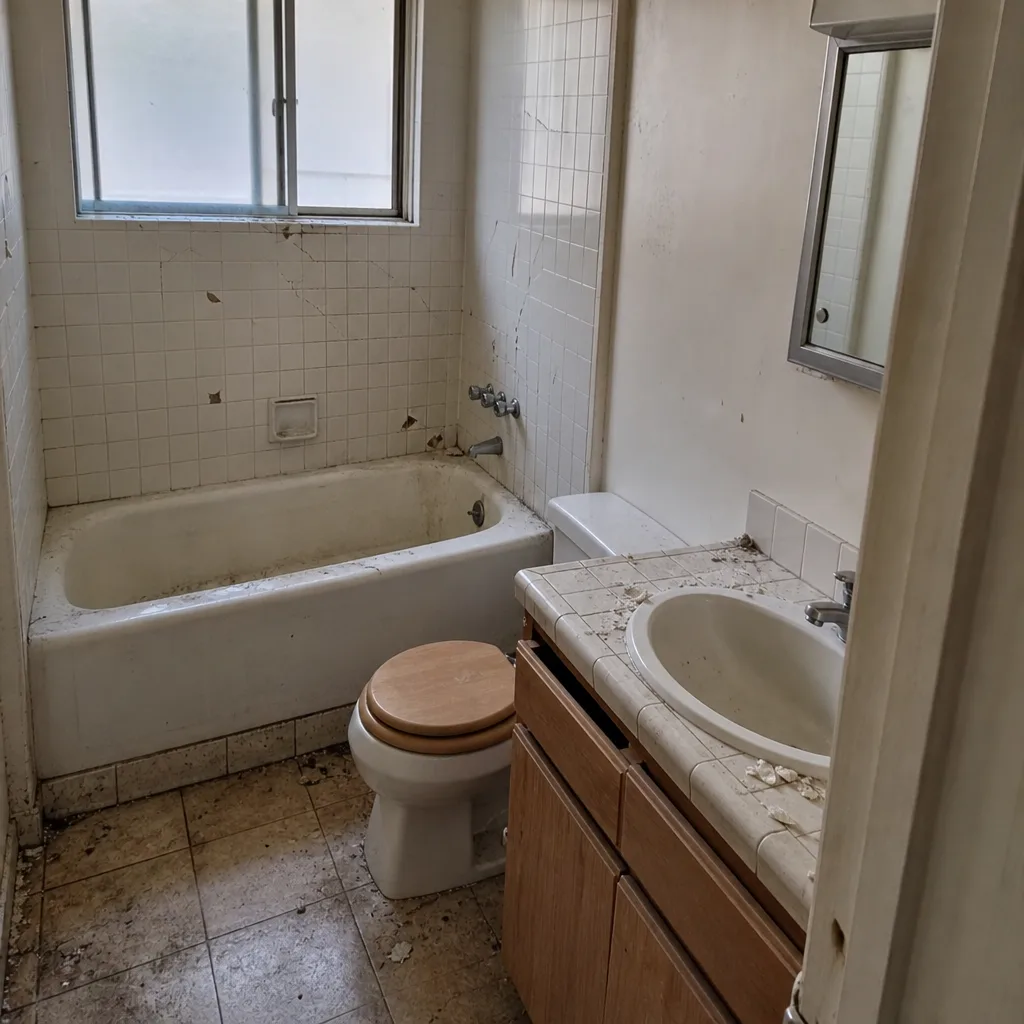 Before
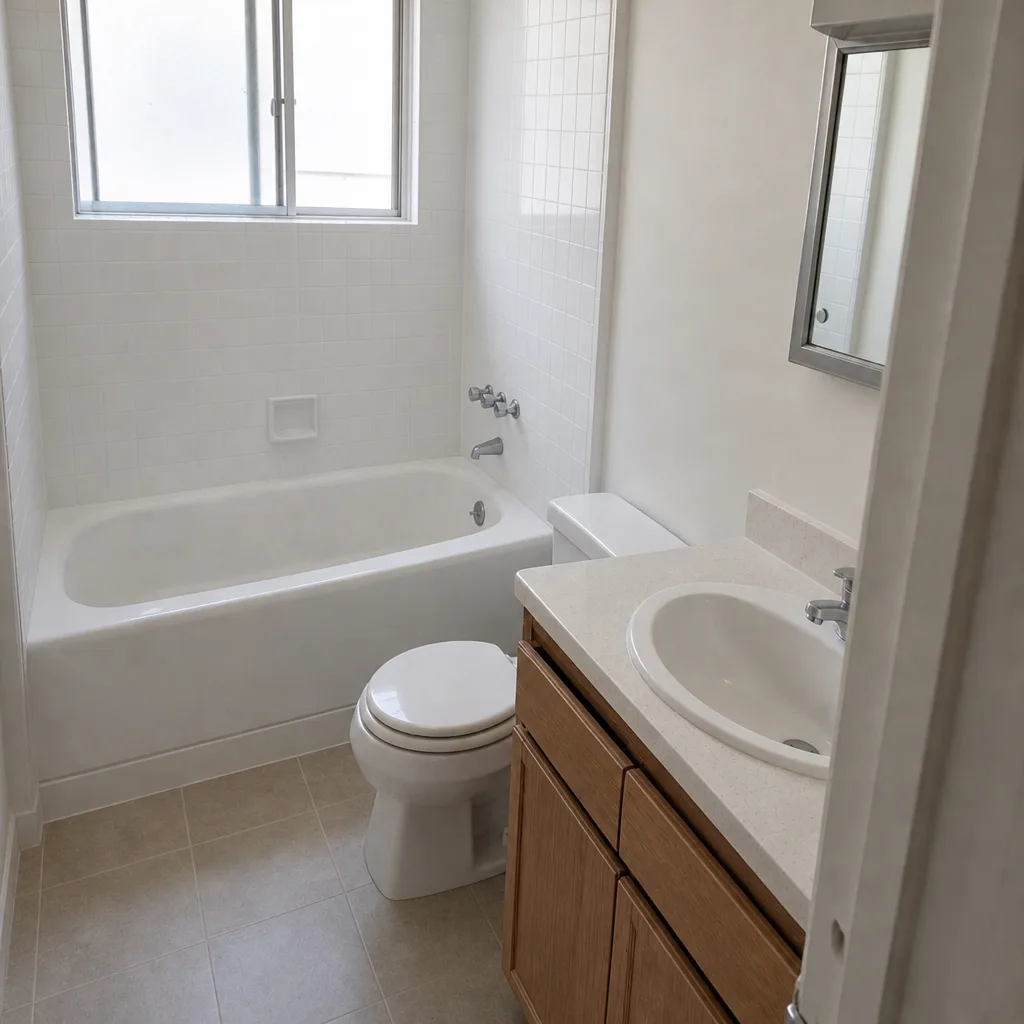 After
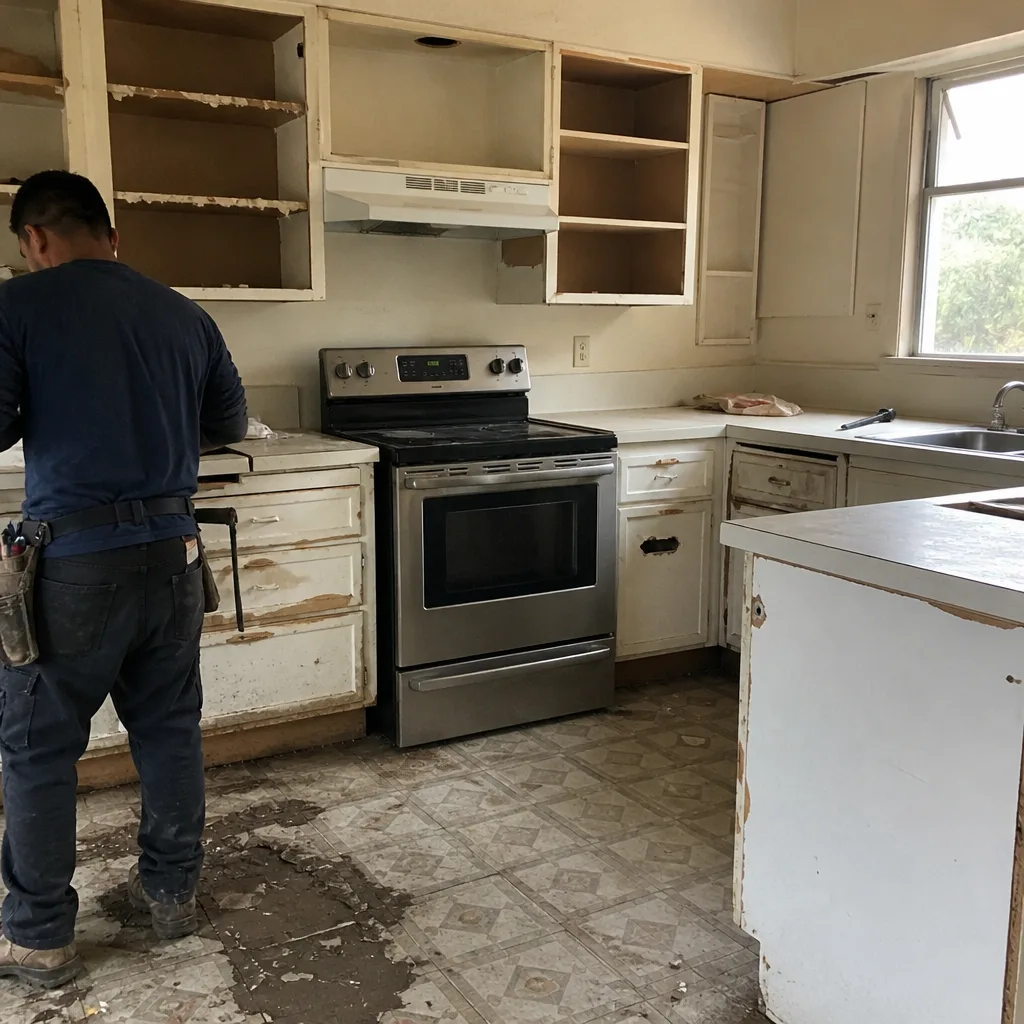 Before
 After
When to Call a Professional
Call a professional when you’re dealing with structural or code-related work, when a permit or inspection has stalled, or when a subcontractor’s unpaid claim has been raised. Those three situations escalate quickly and touch your property’s title and legal standing. Also call when you’re getting a bid you’re not sure how to evaluate: a written price and a written guarantee are the two things a pro brings that a verbal estimate can’t, and it’s worth comparing yours against a benchmark before you sign. Penhallow Remodeling Sunnyvale offers free estimates in Sunnyvale. Call (888) 426-8719 to schedule yours, and if a current project is already underway, we’ll walk through the draw schedule, the permit status, and the workmanship guarantee with you in a single visit. Every technician who arrives is background-checked and uniformed, and a live person answers the phone.
Frequently Asked Questions

Send a written status request asking for the current scheduled milestone dates, by task, and give a 5-business-day window for a response. If you get no response or vague language about “the schedule,” send a written cure notice citing the schedule milestone in your contract. In California, the written notice protects your recovery position. Call (888) 426-8719 if you want a second opinion on the contract before you send it. Estimates are free.
Yes, if the draw is tied to a milestone that hasn’t been completed, you are within your rights to withhold it, and you should state in writing exactly which milestone fails and what completion requires. California law allows withholding for incomplete or defective work; withholding on a milestone that’s already been delivered is a different story and can cut against you. Tie every draw to a physical milestone you can see and confirm.
A mechanics lien is a claim filed against your property by a subcontractor or material supplier who hasn’t been paid for work or materials delivered to your home. In California, subs and suppliers have 90 days from completion of their work (or 90 days from recording a notice of completion) to record a lien. Call a construction attorney the same week you learn about a potential lien. Don’t wait for it to file.
Kitchen remodels in Sunnyvale typically run $18,000 – $55,000 depending on layout, cabinet line, and countertop material. A mid-range project with KraftMaid or Wellborn cabinetry, Cambria or Silestone countertops, Kohler and Moen fixtures, and new hard floor usually lands in the $32,000 – $48,000 range. A layout change that adds structural scope or moves plumbing pushes the top end higher. Call (888) 426-8719 for a written price for your specific kitchen. Estimates are free.
Not without renegotiating the draw schedule first. A 50/50 split means half the money is paid before half the work is done, and you lose leverage on the back half of the project. Ask for a schedule tied to physical milestones (demo, rough-in inspection, drywall, cabinets delivered, cabinet install, counter install, punch list). Most contractors will adjust when the ask is framed as mutual protection.
You almost certainly don’t owe the sub directly if your contract is with the general contractor, but the sub can still file a mechanics lien against your property for unpaid work. Get the claim in writing from the sub, forward it to your GC the same day, and request a written payment schedule and signed lien waivers with the next draw. If a lien gets recorded, involve a construction attorney within days. Call (888) 426-8719 if you want to walk through the paperwork first. Estimates are free.
The Bottom Line
The biggest determinant of how a mid-project dispute goes isn’t which contractor you hired, it’s whether you have documents. A written price before work starts, a draw schedule tied to physical milestones, signed lien waivers at every draw, written change orders for every scope change, and a written workmanship guarantee that survives the crew leaving. All five protect you the same way, and all five are things you can ask for before a single cabinet is pulled. If a contractor pushes back on any of them, that’s the answer, and it’s better to know now than at week eight. The fix for problems with a general contractor mid project is almost always the same: put it in writing, tie it to a document, set a date. And call (888) 426-8719 if you want to compare your current setup against what a written bid and a 365-Day Done Right Promise actually look like. Free estimates, and the number on day one is the number on the invoice.
Written by the team at Penhallow Remodeling Sunnyvale.