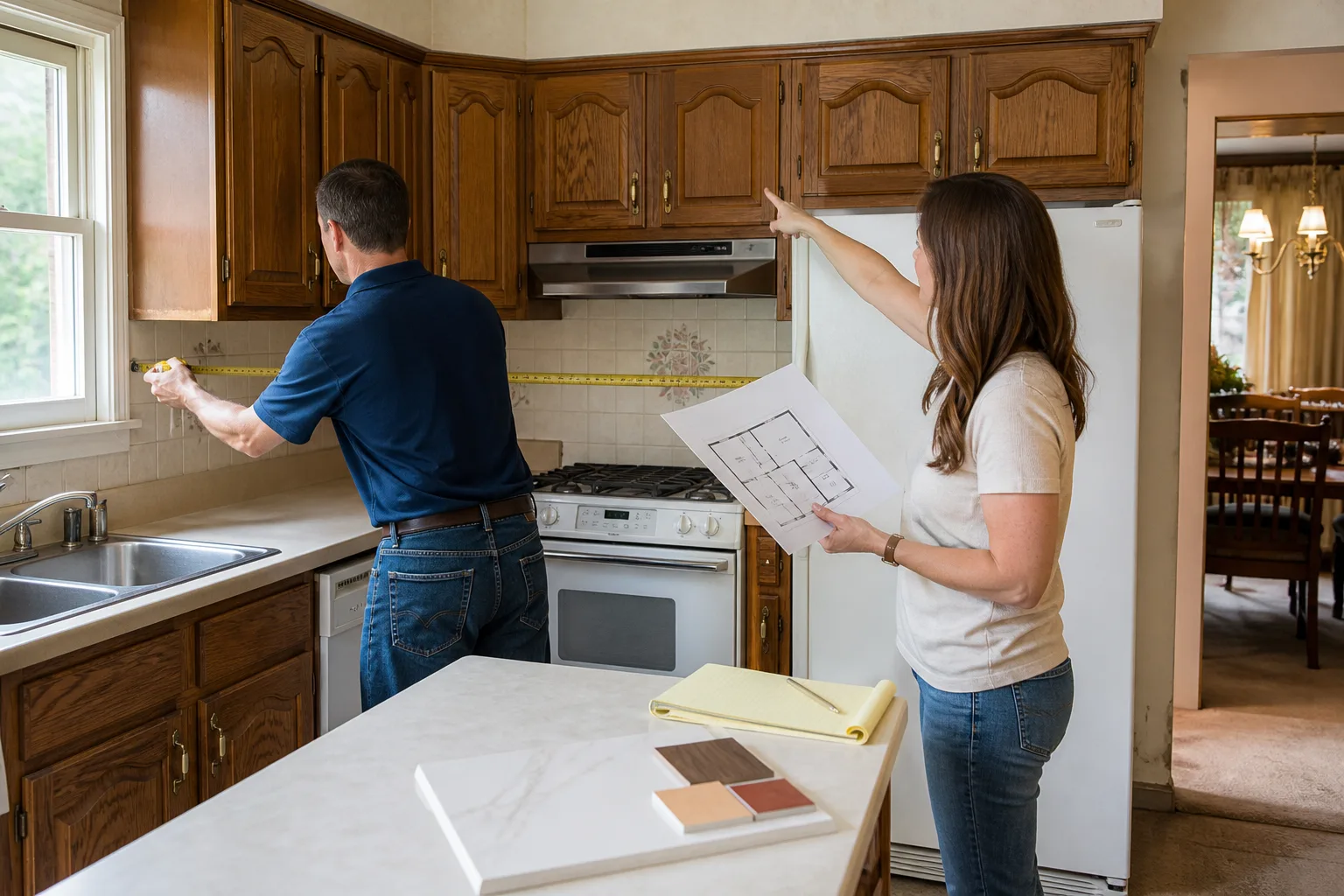
Last updated November 17, 2026







Free written scope consultation - allowances, timeline, and change-order rules on paper before a single trade is scheduled
Home Remodeling Troubleshooting: Common Problems and How to Fix Them
If you can’t point to a written document that defines what the finished work was supposed to look like, you don’t have a remodeling problem – you have a documentation problem that your remodeling problem is hiding inside. That’s the uncomfortable truth we’ve learned from years of walking into Sunnyvale homes where a failed tile job or a sticking door feels like a construction disaster but traces back to a scope of work that was never pinned down in writing. A verbal “we’ll handle the trim” leaves room for two very different ideas about what “handled” means. This guide separates the physical fixes from the accountability fixes, because most homeowners get stuck on the second one. You’ll learn how to diagnose problems by category, how to read a guarantee, and exactly how to raise an issue in writing.
Quick Answer
Most home remodeling problems fall into four categories – structural, cosmetic, mechanical, and water-related – and the fix depends on whether the issue is a workmanship failure (the contractor’s responsibility), a materials failure (covered by the product warranty), or a documentation gap (nobody wrote down what “right” looked like). In California, homeowners have practical escalation options including a contractor callback, a CSLB complaint, small claims court, or CSLB arbitration. The physical repair is usually straightforward; the accountability path is where people get lost.
Styles & brands we work with
- Kitchen remodeling
- Bathroom remodeling
- Home additions & ADU
- Roofing
- Windows & doors
- Driveway & pavers
- Fence
Table of Contents
- Structural Problems: Cracks, Sagging, and Shifting
- Cosmetic Problems: Grout, Paint, and Uneven Finishes
- Mechanical Problems: Doors, Windows, and Hardware
- Water-Related Problems: The Most Expensive Failures
- How to Read a Written Guarantee When a Problem Appears
- Common Post-Remodel Disputes in California and Your Options
- Problems That Appear After the Warranty Period
- How to Raise a Problem With a Contractor in Writing
Structural Problems: Cracks, Sagging, and Shifting
Structural symptoms are the ones that make homeowners nervous, and rightly so. But a hairline crack in drywall above a door frame is usually not a structural failure – it’s seasonal movement. Sunnyvale sits on expansive clay soils in many neighborhoods, and those soils swell in the wet season and shrink in the dry months. That movement telegraphs through drywall as diagonal cracks at door and window corners. We see this constantly in older Sunnyvale homes near the downtown corridor that were built before modern shear-wall standards.
Here’s how to tell the difference:
- Hairline cracks at corners (under 1/16 inch): Almost always seasonal movement or normal settling. Cosmetic fix, patch and repaint.
- Horizontal cracks in foundation walls: A red flag. This can indicate soil pressure pushing against the foundation. Get a structural engineer’s opinion before doing anything.
- Doors and windows that suddenly stick after years of working fine: Could be settling, could be swelling from moisture. Check the water-related section below before assuming structural.
- Visible sag in a ceiling or floor: Stop. Don’t walk on a sagging floor or hang anything from a sagging ceiling. Call a structural professional.
Who’s responsible? If the crack appeared within the first year after a remodel and traces to work the contractor performed – like a new opening that wasn’t properly headed – that’s a workmanship issue. If it’s pre-existing movement the scope never addressed, it falls outside the contract unless you specifically asked for it. That’s the documentation gap again. The general contractor scope should have flagged known soil conditions before work started. If you’re planning a remodel and want a scope that accounts for Sunnyvale’s soil realities, our general contractor services in Sunnyvale start with an assessment of what the structure is doing before we touch it.
Cosmetic Problems: Grout, Paint, and Uneven Finishes
Cosmetic complaints are the most common callbacks we hear about, and they’re the most preventable. Cracking grout in a shower surround, paint peeling at a tub edge, tile lippage (where one tile sits higher than its neighbor), caulk that turns black within months – these are rarely mysterious. They trace to three causes: the wrong substrate, the wrong product for the environment, or rushing the cure time.
Take cracking grout in a bathroom. The grout itself isn’t usually the villain. The problem is almost always what’s behind the tile. Cement board substrate (the moisture-resistant layer behind your tile) that was installed without proper waterproofing, or greenboard drywall used where cement board belonged, lets moisture migrate and the grout cracks as the assembly moves. Sanded grout in a shower floor with a slight deflection in the subfloor will crack every time. The fix is to address the substrate, not to re-grout over the problem.
Paint peeling at a tub or shower edge is almost always a caulk failure or a paint that isn’t rated for wet environments. In Sunnyvale’s older homes, we regularly see standard interior latex used where a bathroom-rated enamel was needed. The paint fails at the moisture line within a year.
What to check before you call anyone:
- Take a photo with a ruler or coin next to the defect for scale.
- Note when it first appeared and whether it’s getting worse.
- Check whether the area gets direct water contact.
- Look for a pattern – one tile or the whole wall?
If the work was done within the past year and the defect traces to installation, that’s a workmanship claim. Our bathroom remodeling in Sunnyvale work is backed by our 365-Day Done Right Promise for exactly this reason: the substrate and waterproofing details are where cosmetic failures are won or lost, and we put that in writing.
Mechanical Problems: Doors, Windows, and Hardware
Mechanical problems are the sticking door, the window that won’t latch, the cabinet drawer that rubs, the faucet that drips two months after install. These feel minor until they’re not. A door that sticks in July and frees up in December is telling you something about moisture and framing. A window that won’t latch after a replacement is a safety and energy issue.
The most common mechanical callbacks we see in Sunnyvale:
- Doors that bind after new flooring: The door was trimmed for the old floor height, and the new floor raised the threshold. Usually a 5-minute fix with a plane, but it should have been caught at install.
- Windows that won’t latch: Often a shim issue or a frame that wasn’t plumb. If it’s a Therma-Tru or similar replacement window, the manufacturer warranty covers the unit, but the installation is the contractor’s responsibility.
- Cabinet drawers that rub: KraftMaid and Wellborn cabinets ship with adjustable glides. If a drawer rubs, it’s an adjustment, not a defect. But if a cabinet box is out of square because the wall behind it wasn’t prepped, that’s installation.
- Dripping faucets: Kohler and Moen fixtures carry their own warranties, but a drip at the supply line connection is installation.
The line between “materials” and “workmanship” matters here. A failed cartridge in a Moen faucet is a materials claim through Moen. A leak at the connection the plumber made is a workmanship claim through the contractor. Knowing which is which saves you weeks of being bounced between the two.
Water-Related Problems: The Most Expensive Failures
Water damage is where remodeling problems get expensive fast, and it’s the category where the documentation gap hurts most. A slow leak behind a shower wall can run for months before you see it. By the time the drywall stains, the framing may already be compromised. Sunnyvale’s wet winters and dry summers create a cycle that punishes any waterproofing shortcut – the assembly gets wet, dries, gets wet again, and every failure point gets tested repeatedly.
The symptoms to watch for:
- Musty smell in a bathroom or near a kitchen sink with no visible water
- Paint or caulk bubbling at a wet area edge
- Soft spots in drywall or subfloor
- Grout that stays dark long after a shower
- Staining on the ceiling below a bathroom
What causes it, ranked by frequency in our experience:
- Missing or incomplete waterproofing membrane behind tile in a shower or tub surround. The most common and the most damaging.
- Poorly sloped shower pans that let water pool instead of draining.
- Failed caulk at the tub-to-wall joint that lets water behind the tile.
- Supply line connections that weren’t properly tightened or used the wrong fitting.
Water problems need to be diagnosed before they’re repaired. If the source isn’t found, you’ll be fixing the same damage twice. Our kitchen remodeling in Sunnyvale scope includes a moisture check at every sink and appliance connection for this reason. And if you’re mid-project and concerned about what you’re seeing, stop and get it looked at before the next layer goes on.
How to Read a Written Guarantee When a Problem Appears
The first thing to do when a problem appears is pull out your contract and guarantee and read what’s actually covered. Not what you remember being said – what’s written. Most guarantee disputes come down to homeowners assuming “guaranteed” meant everything, when the written document carved out specific categories.
Here’s how the categories usually break down:
- Workmanship: The labor and installation quality. This covers things like improper waterproofing, out-of-square framing, poorly set tile, connections that leak. This is the contractor’s responsibility, and a written guarantee should state the term and what “make it right” means.
- Materials: The product itself failing – a cartridge that fails in a Kohler faucet, a cabinet door that delaminates, a countertop that chips from an internal flaw. This runs through the manufacturer’s warranty, and recognized brands like Cambria, Silestone, and Caesarstone carry their own terms. Your contractor’s job is to help you file, not to absorb the cost.
- Outside both: Damage from misuse, neglect, water intrusion from a source unrelated to the work, settling from soil movement, or normal wear. This is where homeowners feel most blindsided, because nobody told them this category existed.
A written guarantee should answer four questions plainly: What’s covered, for how long, what happens when you call, and who pays. Our Penhallow Remodeling Sunnyvale home page lays out ours: a 365-Day Done Right Promise that covers workmanship for a full year, with a free return visit if a repair fails. The point isn’t that ours is longest – it’s that it’s in writing, specific, and you can hold us to it.
Common Post-Remodel Disputes in California and Your Options
When a problem appears and the contractor won’t make it right, California gives homeowners real options. Knowing the sequence saves time and keeps you from escalating too fast or too slow.
The most common disputes in California residential work:
- Work that doesn’t match the written scope or plans
- Change orders that were never signed but are suddenly on the final invoice
- Defects that appear within the first year and the contractor disputes responsibility
- Abandonment mid-project
- Permit work done without permits pulled
Your practical options, in order:
- Contractor callback in writing. Always the first step. Put the issue in writing, request a specific remedy and timeline, and keep a copy. Most disputes end here because most contractors want to protect their reputation.
- CSLB complaint. The Contractors State License Board takes complaints on licensed contractors and can investigate. Filing is free and public record. A CSLB complaint often gets a response that a phone call won’t.
- CSLB arbitration. For disputes under a set dollar threshold (currently $50,000 for most residential cases), the CSLB offers a binding arbitration program. It’s faster and cheaper than court.
- Small claims court. For smaller dollar amounts, small claims is straightforward and doesn’t require a lawyer. The limit in California is $12,500 for individuals.
Note what’s not on this list: yelling at the crew, withholding final payment without documentation, or hiring another contractor to redo the work before the first one has had a written chance to fix it. All three weaken your position. If the work was permitted and an inspector failed it, that’s a strong piece of documentation. Pull the permit history before you escalate – it’s public record.
Problems That Appear After the Warranty Period
A problem that shows up after your written guarantee has expired isn’t automatically your problem to eat. California law distinguishes between latent defects – problems that were hidden at the time of construction and wouldn’t have been discovered by reasonable inspection – and wear-and-tear. Latent defects carry longer legal exposure, sometimes up to 10 years depending on the type of defect and the theory of liability. Wear-and-tear is just life.
How to tell the difference:
- Latent defect signals: A pattern across multiple units or areas, a failure that traces to a specific installation decision (wrong fastener, missing flashing, no waterproofing), or a problem that was visibly patched over.
- Wear-and-tear signals: Gradual degradation over years, the failure is on a high-use surface, the material reached its normal service life, or the issue follows a change in how the space is used.
Documentation is everything here. Save the original contract and scope, all change orders, the final inspection records, photos from during construction if you have them, and dated photos of the current problem. A latent defect claim without documentation is much harder to pursue. If you’re unsure which category your problem falls in, get a second opinion from a licensed contractor or, for structural issues, a structural engineer. That report is worth the cost.
How to Raise a Problem With a Contractor in Writing
Written communication is your leverage. A phone call is easy to forget; an email or letter creates a record. Here’s the process, in plain language:
- Write within a week of noticing the problem. Delay weakens your position. Note the date you first observed it.
- Be specific and factual. State what the problem is, where it is, when it appeared, and what you want done. “The grout in the master shower floor is cracking along the drain line, first noticed May 3, and we’re requesting inspection and repair under the workmanship guarantee” is stronger than “the shower is broken.”
- Include photos with scale. Attach dated photos. Note any pattern.
- Reference the guarantee or contract. Point to the specific clause that covers the issue. If you don’t have one, say so and ask what the contractor proposes.
- Request a response by a specific date. Two weeks is reasonable. State what happens if you don’t hear back – “If I don’t hear from you by June 1, I’ll file a complaint with the CSLB.”
- Send it in a way that creates a record. Email with read receipt, or certified mail. Keep a copy.
- If the contractor goes silent: Send a second letter, then file the CSLB complaint. The CSLB complaint is free and it gets attention.
Keep every piece of paper. The contract, change orders, inspection reports, texts, emails, photos, receipts. If you escalate to arbitration or small claims, the person with the best documentation usually wins. And if you’re starting a new project and want a written price and a written guarantee before work begins, that’s the conversation we start with. Call us to schedule a free estimate, and we’ll put the scope and the number in writing before a single cabinet is pulled.
Common Mistakes to Avoid
- Skipping the written scope because the contractor seems trustworthy. Trust is earned by writing things down. A verbal scope is the single biggest predictor of a post-remodel dispute, and Sunnyvale homeowners aren’t immune just because the contractor was recommended by a neighbor.
- Paying in full before final inspection. Hold back a meaningful amount until the final inspection passes. In Sunnyvale, permitted work isn’t done until it’s signed off.
- Letting a small water problem wait for the dry season. Sunnyvale’s wet winters mean a slow leak has months to spread. A $200 diagnosis in October is cheaper than a $6,000 repair in April.
- Redoing the work yourself before the contractor has had a written chance to fix it. Once you touch it, the workmanship claim gets murky. Document first, then repair.
- Not pulling the permit history. Permit records are public and free. A contractor who said they’d pull permits but didn’t has handed you a strong piece of evidence.
- Accepting a verbal “we’ll get to it” without a date. A date in writing is a commitment. A verbal promise is a hope.
- Confusing “guaranteed” with “covered forever.” Read what the written guarantee actually says. Materials and workmanship run on different clocks.
See the difference
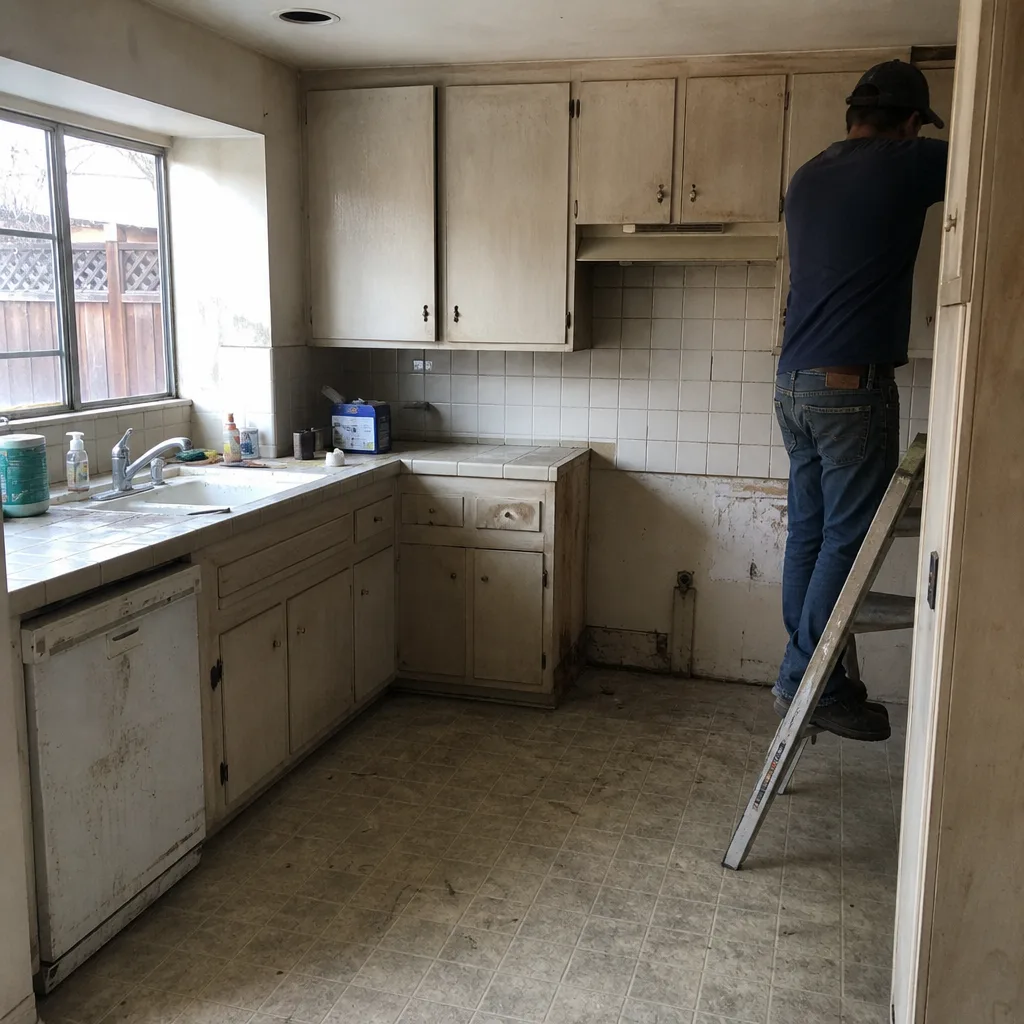 Before
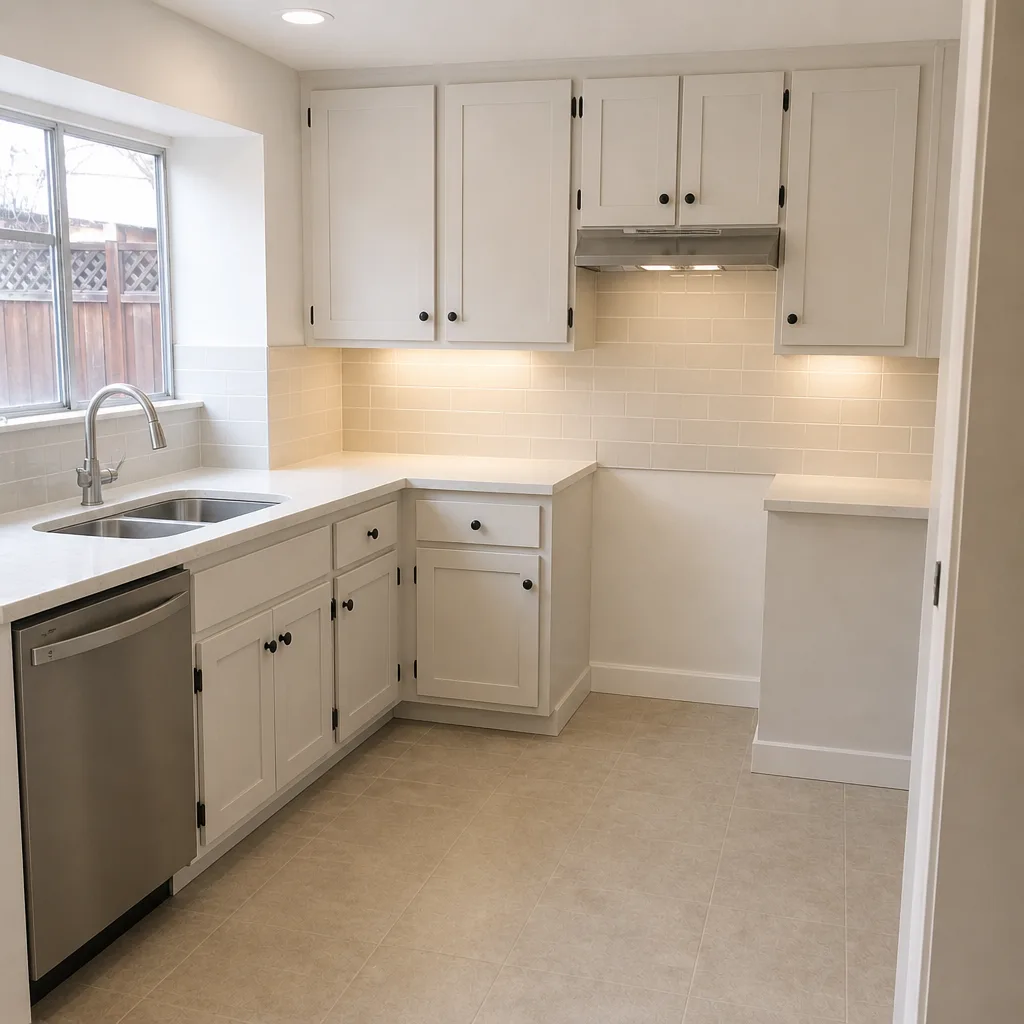 After
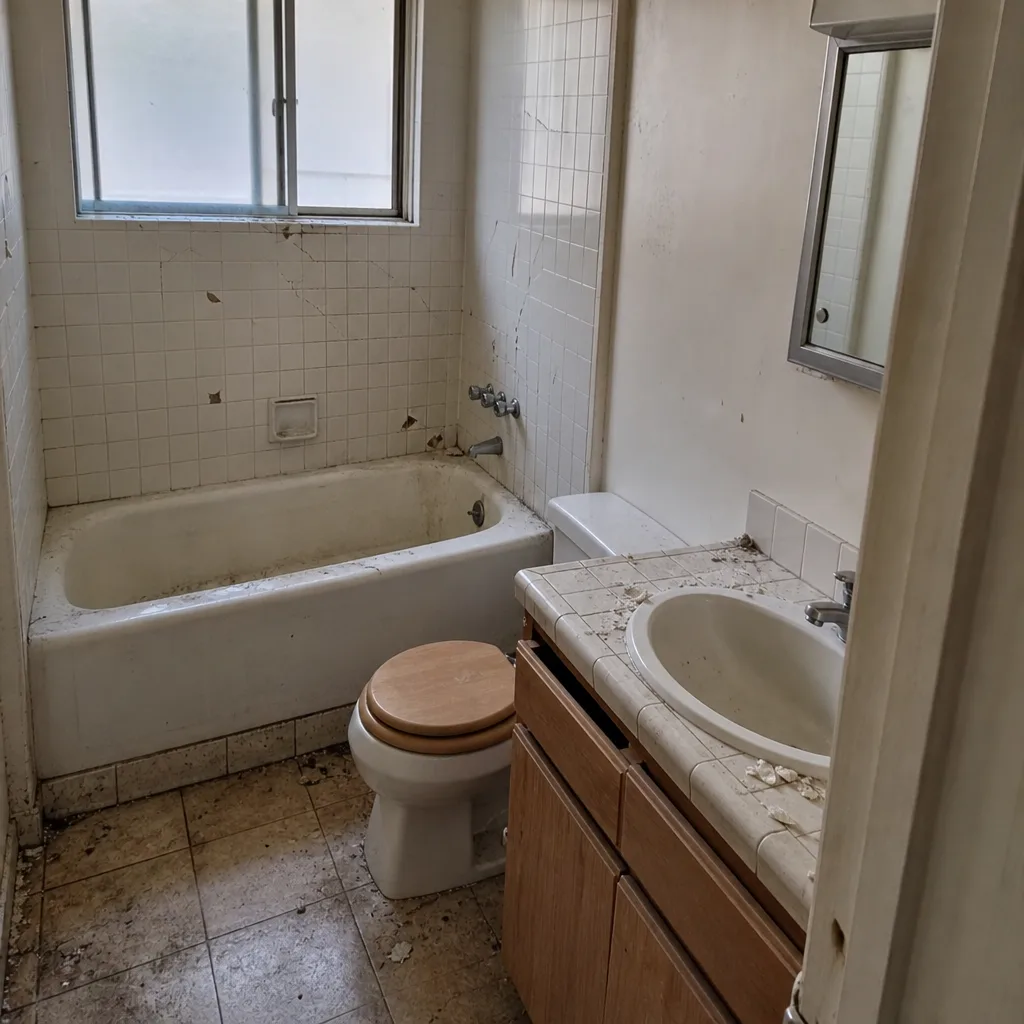 Before
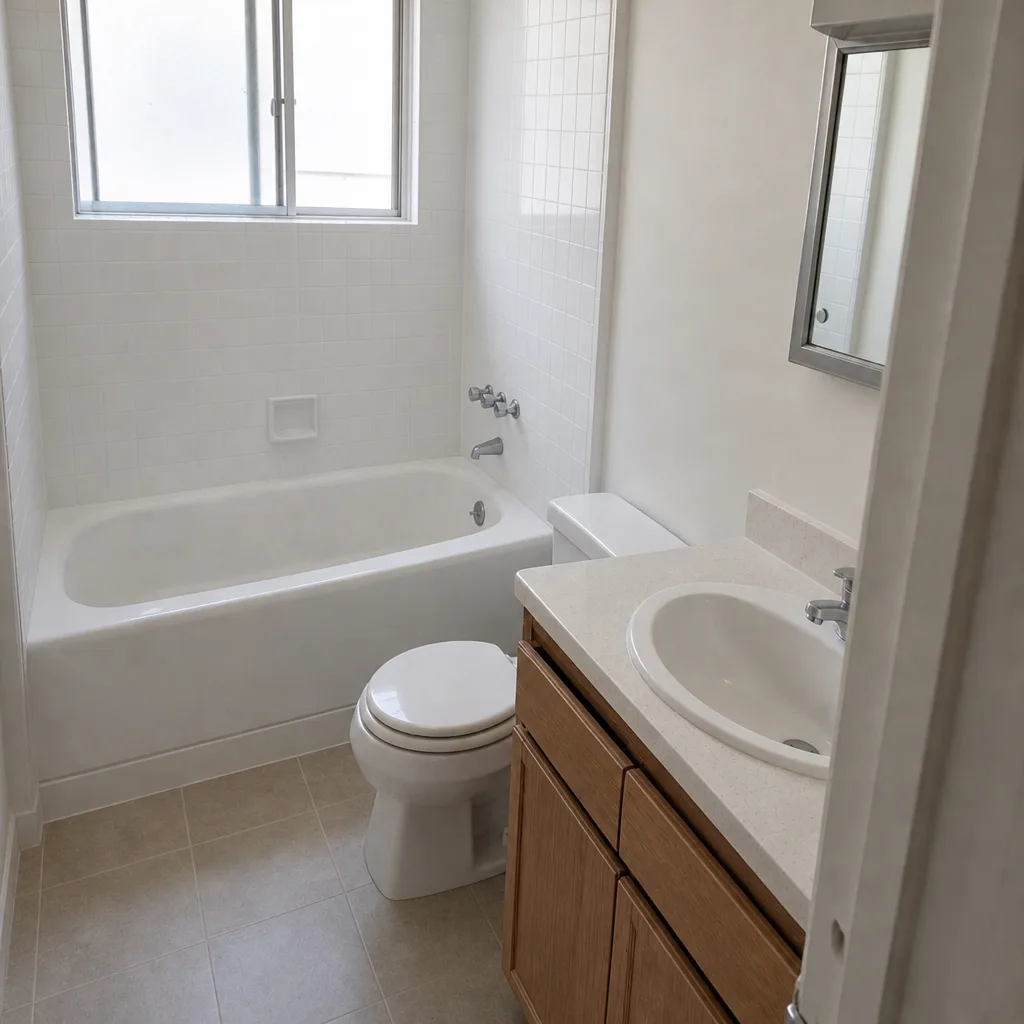 After
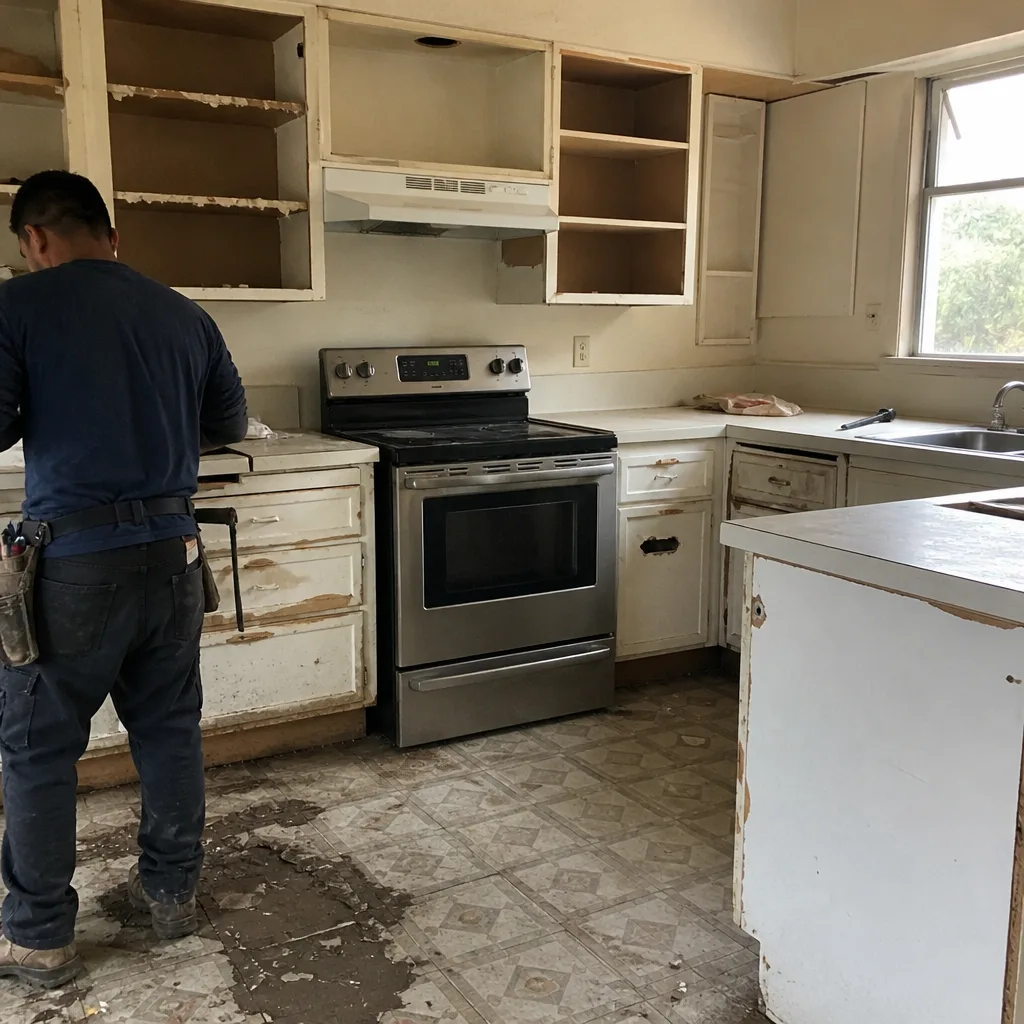 Before
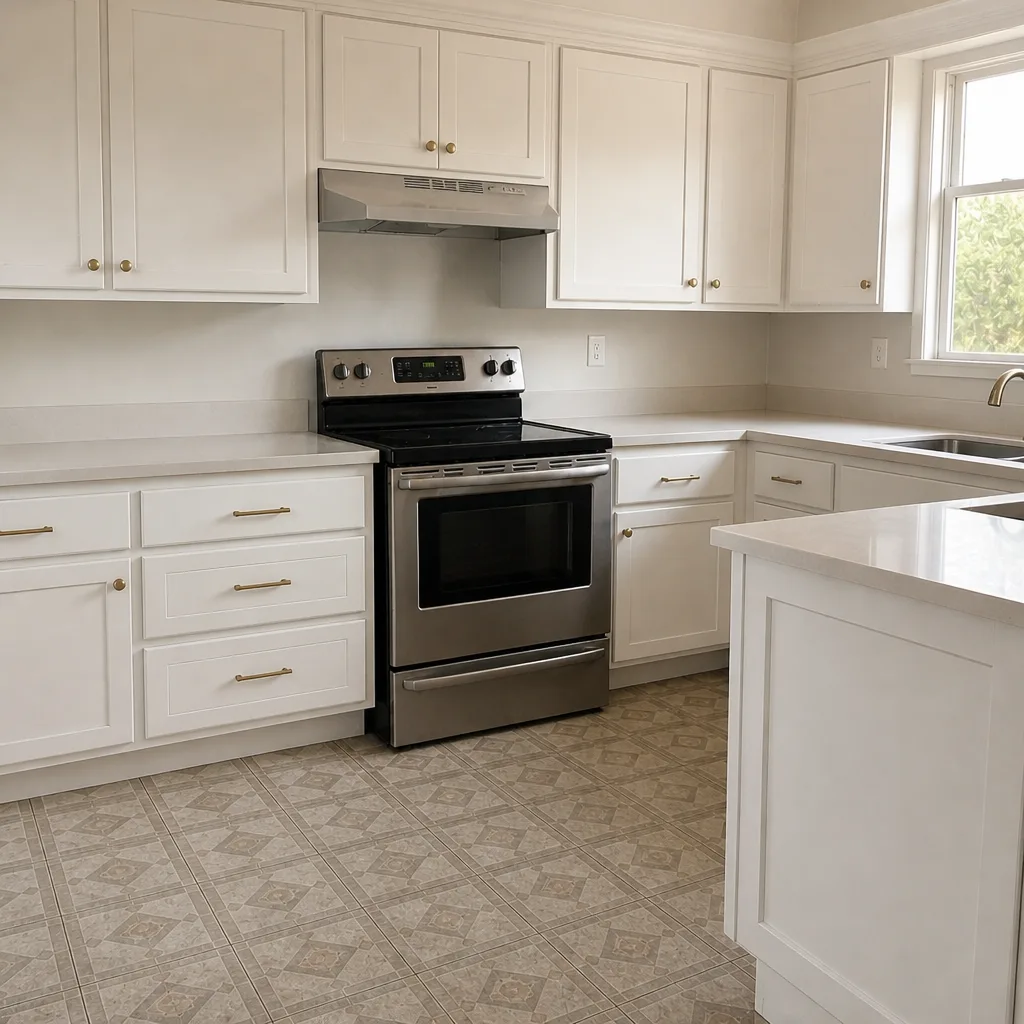 After
When to Call a Professional
Some problems are diagnostic and safe to check yourself – a stuck door, a cracked grout line, a window that won’t latch. Others need a trained eye before you touch anything: water intrusion that’s spread beyond a single surface, foundation cracks that are horizontal or wider than 1/8 inch, anything that smells musty behind a wall, or structural sagging of any kind. If a repair involves opening a wall, pulling a permit, or touching the waterproofing assembly, it’s a professional call. Penhallow Remodeling Sunnyvale offers free estimates in Sunnyvale – call (888) 426-8719 to schedule. Our technicians have up to 22 years of experience diagnosing exactly these categories of problems, and we put our findings and the price in writing before work starts.
Frequently Asked Questions

Repairing a failed shower waterproofing in Sunnyvale typically runs $2,500-$7,500 depending on how much tile has to come out and whether the framing behind it was damaged. If the failure is within a workmanship guarantee, the cost is on the contractor. If it’s after the warranty period and traces to a latent defect, you may have recourse; if it’s wear-and-tear, it’s a standard repair. Get a written scope and price before work starts, and call (888) 426-8719 for a free estimate.
Cracked grout within a year usually means the substrate moved or the grout wasn’t installed correctly – often both. In a shower, missing or incomplete waterproofing behind the tile is the most common cause. In a floor, inadequate subfloor prep or a sanded grout that was mixed too wet. If the work is within your written workmanship guarantee, request a repair. Call (888) 426-8719 to have it assessed.
Workmanship guarantees vary by contractor; one year is common, but the terms matter more than the length. Read what “workmanship” covers, what response time is promised, and whether a return visit is free. Our 365-Day Done Right Promise covers workmanship for a full year with a free return visit if a repair fails, in writing on every project. Call (888) 426-8719 to see the terms in writing.
Latent defects are problems that were hidden when the work was done and wouldn’t have been found by a reasonable inspection – missing flashing, wrong fasteners, no waterproofing behind a wall. Wear-and-tear is gradual degradation of a surface that reached its normal service life. Latent defects carry longer legal exposure under California law, sometimes up to 10 years depending on the theory. If you’re unsure which category you’re facing, get a licensed assessment.
Send a written request via email with read receipt and a copy by certified mail, state the problem and a specific response deadline (two weeks is reasonable), and note that you’ll file a CSLB complaint if you don’t hear back. Keep a copy. If the deadline passes, file the CSLB complaint – it’s free and it’s public record. If the work was permitted, pull the inspection history as supporting documentation.
Fixing a structural crack in a foundation or a load-bearing wall almost always requires a permit in Sunnyvale, and any repair involving the structural elements needs a licensed contractor and an inspection. Cosmetic patching of a hairline drywall crack doesn’t need a permit. When in doubt, call the city building department – the answer is free and it protects you. Call (888) 426-8719 if you want an assessment of whether the crack is structural before you call the city.
The Bottom Line
Most remodeling problems feel like construction failures but trace back to a documentation gap – the scope was verbal, the guarantee was vague, nobody wrote down what “right” looked like. The physical fixes are manageable once you know which category you’re facing: structural, cosmetic, mechanical, or water-related. The accountability puzzle is solvable too, if you have the contract, the guarantee, and the permit history in hand. Read your guarantee before you call. Put your complaint in writing. Keep every piece of paper. And on your next project, insist on a written price and a written guarantee before work starts. That’s the whole game.
Penhallow Remodeling Sunnyvale offers free estimates in Sunnyvale and throughout the surrounding area. Call (888) 426-8719 to schedule, and a real person will answer – day or night. Every job we connect you with starts with a written price, a written guarantee, and background-checked, uniformed professionals who show up in the window we gave. That’s The Kingswell Way: say the price before the work, show up in the window we gave, leave the place cleaner than we found it.
Written by the team at Penhallow Remodeling Sunnyvale.