Last updated November 17, 2026

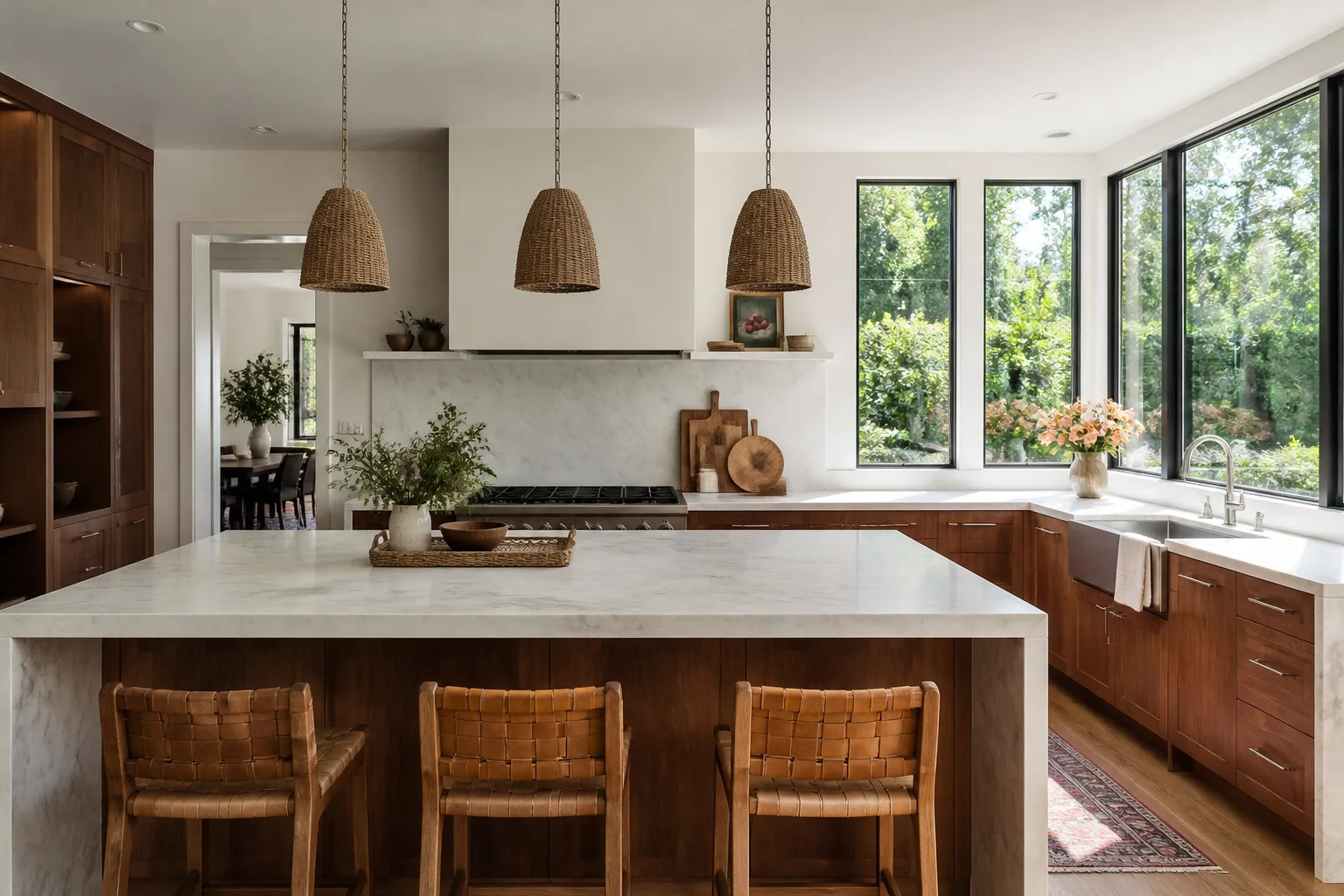
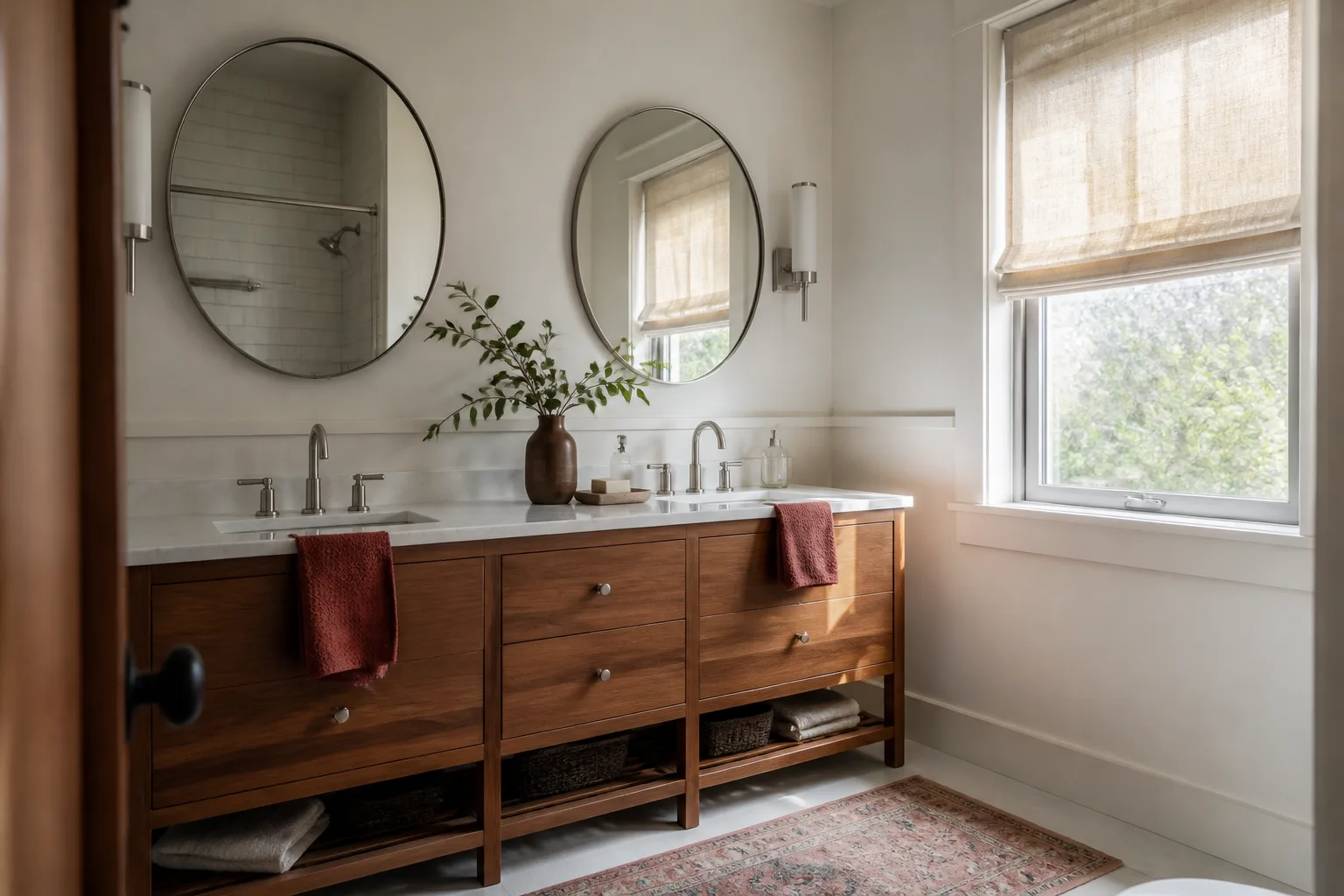
Free written scope consultation - allowances, timeline, and change-order rules on paper before a single trade is scheduled
General Contractor Warning Signs Every Homeowner Should Know
A contractor who hands you a quote the same day they walk through your house either has done enough identical projects to price on memory, or is giving you a number built to beat competitors rather than to reflect what your job actually costs. Most homeowners never learn which one they’re dealing with until demo day, when the “estimate” grows legs and the original number disappears. The warning signs that actually predict project failure are contractual and operational, not conversational. This guide walks through the observable behaviors you can check before you sign anything, with Sunnyvale examples throughout so you know what to look for in this market specifically.
Quick Answer
The clearest warning signs when hiring a contractor are: a verbal or same-day estimate instead of a written fixed-price quote, a license you can’t independently verify, a front-loaded payment schedule that asks for a large deposit before work starts, a refusal to pull permits, and a “guarantee” that exists only in conversation. Each of those is checkable in a few minutes, and each one tells you more about your risk than any friendly sales pitch ever will.
Styles & brands we work with
- Kitchen remodeling
- Bathroom remodeling
- Home additions & ADU
- Roofing
- Windows & doors
- Driveway & pavers
- Fence
Table of Contents
- Why a Same-Day Verbal Estimate Is a Different Animal
- How to Verify a Contractor’s License in Under Three Minutes
- The Payment Schedule Test: What Front-Loaded Draws Reveal
- “We Don’t Pull Permits for Jobs This Size” Is Always a Warning
- What a Written Workmanship Guarantee Should Actually Say
- The Scope Creep Signals Hidden in a Vague Contract
- Sunnyvale-Specific Red Flags Worth Knowing
Why a Same-Day Verbal Estimate Is a Different Animal
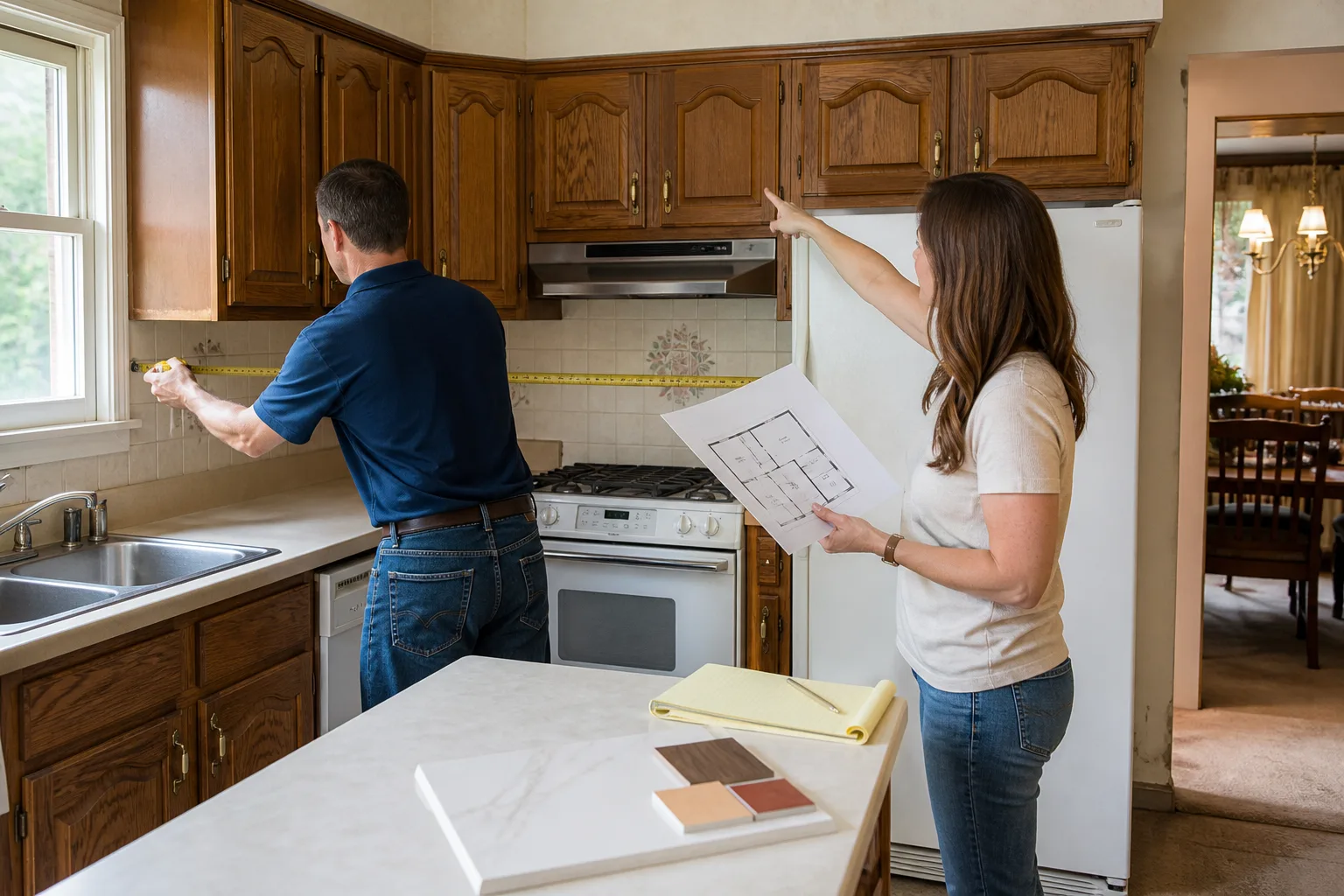
A verbal estimate is not a quote. It’s a conversation. The distinction matters because a written fixed-price quote carries obligations. It names materials, dimensions, allowances, exclusions, and a total. A verbal estimate carries none of that, and when the number on the invoice doesn’t match the number in your memory, there’s nothing to hold anyone to.
In our experience, a contractor who can price your kitchen remodel accurately in two hours from the doorway either has done dozens of nearly identical Sunnyvale kitchens, or is guessing low to win the job and planning to recover the margin through change orders. Both are risky. The first leaves no paper trail; the second is a bait-and-switch with a handshake.
What you should expect instead:
- A written document that separates labor from materials
- Named product lines for cabinets, countertops, and fixtures (not “mid-grade” or “standard”)
- Stated allowances with dollar amounts, so overages are predictable
- A total number you can compare against another written quote line by line
- A clear scope description: what’s included and, just as important, what isn’t
If you’re pricing a kitchen, the range in Sunnyvale typically runs $18,000 – $55,000 depending on layout, cabinet line and countertop material. A written quote will show you which end of that range you’re in and why. A verbal “around thirty, give or take” tells you nothing. It also means when the crew opens the wall and finds knob-and-tube wiring behind the drywall (common in Sunnyvale’s older Eichler and ranch homes), you have no agreed framework for what happens next.
How to Verify a Contractor’s License in Under Three Minutes
Every California contractor must hold a license issued by the Contractors State License Board (CSLB) for any project over $500 in labor and materials. The wallet card in their hand is not proof. What matters is what the CSLB database says, and it takes less than three minutes to check.
Here’s how:
- Go to the CSLB website and open the “Check a License” tool.
- Search by license number or by the business name. Both should match the name on your contract.
- Confirm the license status is “Active” and the classification matches the work (a B-General Building license for a full remodel, not a specialty class covering work outside their scope).
- Check the bond amount, which in California must be at least $25,000 for a general contractor, and confirm the workers’ compensation coverage shows as active.
- Look at the complaint disclosure section. Prior complaints aren’t automatic disqualifiers, but a pattern of unresolved complaints about the same issue is a signal worth weighing.
Two things regularly surface during this check in Sunnyvale. First, a contractor operating under a business name that doesn’t match their licensed entity, which means the license and the contract are pointing at two different things. Second, a license suspended for failing to maintain the bond or workers’ comp. Either one is a stop sign.
The Payment Schedule Test: What Front-Loaded Draws Reveal
A payment schedule tells you more about a contractor’s financial health than any reference check. A front-loaded schedule asks for a large chunk of money before the work that justifies it has happened. In California, the Business and Professions Code caps the down payment on a home improvement contract at 10% of the contract price or $1,000, whichever is less, with limited exceptions for special-order materials.
If a contractor asks for 30%, 40%, or half up front, they’re either unfamiliar with the rule or choosing to ignore it. Both are reasons to walk. In our experience, the contractors who push hardest for a large deposit are the ones who need your money to fund the previous job’s materials. That’s a cash flow problem you inherit the moment you sign.
A reasonable residential schedule looks closer to this:
- Small deposit at signing, tied to a specific milestone, within the legal cap
- Draws released as defined phases complete: demo, rough-in, drywall, finishes
- Retainage held back until final walkthrough and punch list sign-off
- Final payment only after inspection passes and you’ve had a chance to use the finished space
Ask directly: “What milestones trigger each draw?” A contractor who can answer without reaching for the contract is running a business that has thought this through. One who says “we just take it as we go” is telling you there’s no system.
“We Don’t Pull Permits for Jobs This Size” Is Always a Warning
There is no project size below which California permits disappear. Structural changes, electrical re-wiring, plumbing relocation, gas line work, and most kitchen and bathroom remodels that touch these systems require permits from the City of Sunnyvale. The rules follow the California Building Code, adopted locally by the city with amendments, and they apply to a $4,000 bathroom refresh the same way they apply to a $200,000 whole-home remodel.
When a contractor says “for a job this size we don’t bother,” what they actually mean is one of three things:
- They aren’t licensed to pull the permit, which means the work isn’t being done to code
- They’re licensed but want to avoid the inspection timeline, trading your compliance for their convenience
- They know the work wouldn’t pass inspection and would rather not find out
All three end the same way: a future buyer’s inspector flags the unpermitted work, the appraisal takes a hit, and the cost of getting it legalized lands on you. Sunnyvale’s permit portal is public, and inspection records are searchable. Before you hire anyone for work that touches structure, electrical, plumbing, or gas, ask what permits they’ll be pulling and verify they’re actually pulled before demo starts.
The contractors we work with pull permits on every project where they’re required and can show you the inspection sign-offs. That’s the standard. Anything less isn’t a shortcut; it’s a liability you’re being asked to hold.
What a Written Workmanship Guarantee Should Actually Say
“We stand behind our work” is a phrase, not a guarantee. A workmanship guarantee is a contractual promise with defined terms, and if those terms aren’t on paper, they don’t exist in any enforceable way. When you’re evaluating a contractor, ask for the guarantee language in writing and read it against five questions:
- How long is the coverage period? A written number of days or years, not “as long as you own the home” (which isn’t enforceable and usually isn’t meant).
- What exactly is covered? Workmanship defects (a tile popping loose, a joint failing, a door that won’t close) are what you want covered. Material defects usually sit with the manufacturer’s warranty.
- What triggers a claim? A phone number, a written request process, and no fee for the return visit.
- What happens during a claim? Who comes back, within what window, and at whose cost.
- What voids the guarantee? Usually homeowner alterations, neglect, or acts of nature. Fine, as long as it’s spelled out.
This is where a guarantee like the 365-Day Done Right Promise is a useful benchmark: it runs for 365 days, it’s in writing on every project, and if something fails inside that window the company returns and fixes it at no charge, with no service call fee. Whether you’re comparing contractors in Sunnyvale or anywhere else in the Bay Area, that’s the level of specificity to hold everyone to. A guarantee that names the window, the coverage, and the fix is worth reading. “We stand behind our work” is not.
The Scope Creep Signals Hidden in a Vague Contract
Most projects don’t fail because the contractor was a fraud. They fail because the scope was never locked down, and every decision became a negotiation after work started. The warning signs of a vague scope show up in the proposal before you sign:
- “Allowance” language without numbers. An allowance tells you a dollar figure is provisional. Without a number, it’s a blank check. A proper proposal lists every allowance with a specific amount.
- No exclusions section. Every remodel excludes something. A proposal that doesn’t say what’s excluded is pretending perfection, and that pretense gets corrected with a change order later.
- Materials described by quality rather than brand. “Premium cabinets” means nothing. KraftMaid and Wellborn mean something. If a contractor quotes Cambria quartz, you know the warranty, the thickness, and the color program they’re working from. If they quote “quartz,” you don’t.
- No change order process described. Written change orders with a signature requirement and a stated markup is standard. Verbal “we’ll work it out” is where the budget goes to die.
- Missing site logistics. Who handles the dumpster permit? Where does the material stage? How is the kitchen kept functional during the remodel? Sunnyvale’s narrower residential streets make staging a real planning question, and a contractor who hasn’t thought about it hasn’t thought about your project.
When we quote a kitchen, the written proposal names the cabinet line, the countertop material, the fixtures, and the allowances by dollar amount. That’s not because we’re unusually formal. It’s because the alternative is the negotiation that ruins projects.
Sunnyvale-Specific Red Flags Worth Knowing
Some warning signs look different in Sunnyvale than they would in a newer market. The city’s housing stock runs from mid-century ranches to 1990s production homes to newer infill, and each brings its own risks that a contractor with local experience will flag before you sign.
First: mid-century homes often have cast iron drain lines that look fine on camera and fail within eighteen months of a bathroom remodel that disturbs them. A contractor who doesn’t raise this before demo either hasn’t worked on many Sunnyvale homes or is hoping the failure happens after they’ve been paid. Second: older homes often have aluminum branch wiring and undersized panels, both of which trigger code upgrades when you touch the electrical system. A written quote that doesn’t mention panel capacity as a line item is either assuming it’ll be fine or planning to charge you later.
Third: Sunnyvale has a distinct microclimate sitting between the bay and the Santa Cruz Mountains, with warm dry summers and mild wet winters. That affects material choices in ways that show up years later, particularly exterior siding and the moisture barrier behind tile in bathrooms and kitchens. Cement board substrate (the moisture-resistant layer behind your tile) isn’t optional in this climate. A contractor who treats it as optional is cutting a corner you’ll pay for.
If you’re evaluating a remodel in the area, the guide to the general contractor in Sunnyvale covers what a proper written proposal looks like on this market’s jobs. The bathroom remodeling in Sunnyvale page goes deeper into the wet-area specifics that catch out-of-area contractors. And if you’re thinking about a larger project, the kitchen remodeling in Sunnyvale page walks through scope and material choices in detail.
Common Mistakes to Avoid
- Accepting the lowest bid without reading the scope. The lowest bid is usually the one with the most exclusions and the vaguest allowances. Comparing two written quotes line by line beats comparing two bottom-line totals every time.
- Skipping the CSLB check because the contractor “seemed honest.” The three-minute license check isn’t about suspicion. It’s the baseline due diligence that separates a licensed contractor from an unlicensed one. Skip it and you have no recourse if the work fails.
- Paying a large deposit because the contractor “needs to order materials.” In California, the legal down payment cap is 10% or $1,000. Anything more, especially on a Sunnyvale remodel where material lead times run four to eight weeks, is a sign the contractor’s cash flow is your problem now.
- Accepting “we don’t need a permit for that.” In Sunnyvale, electrical, plumbing, structural, and any remodel touching these systems requires a permit. A contractor skipping the permit is either unlicensed, cutting corners, or both.
- Treating a verbal “we guarantee our work” as a written guarantee. Read the guarantee terms before you sign. If it doesn’t name the window, the coverage, and the fix, it’s not enforceable.
- Not asking who’s actually on the crew. Subcontracted labor is normal in remodeling, but the contractor should be able to tell you who’s in your house and what standards they’re held to. Background-checked, uniformed technicians on every job is a standard worth asking about.
- Not verifying the contractors’ insurance certif and letting work start without proof of general liability coverage on file. If a worker is injured on your property without coverage, the exposure lands on your homeowner’s policy. Ask for the certificate before demo day, not after.
See the difference
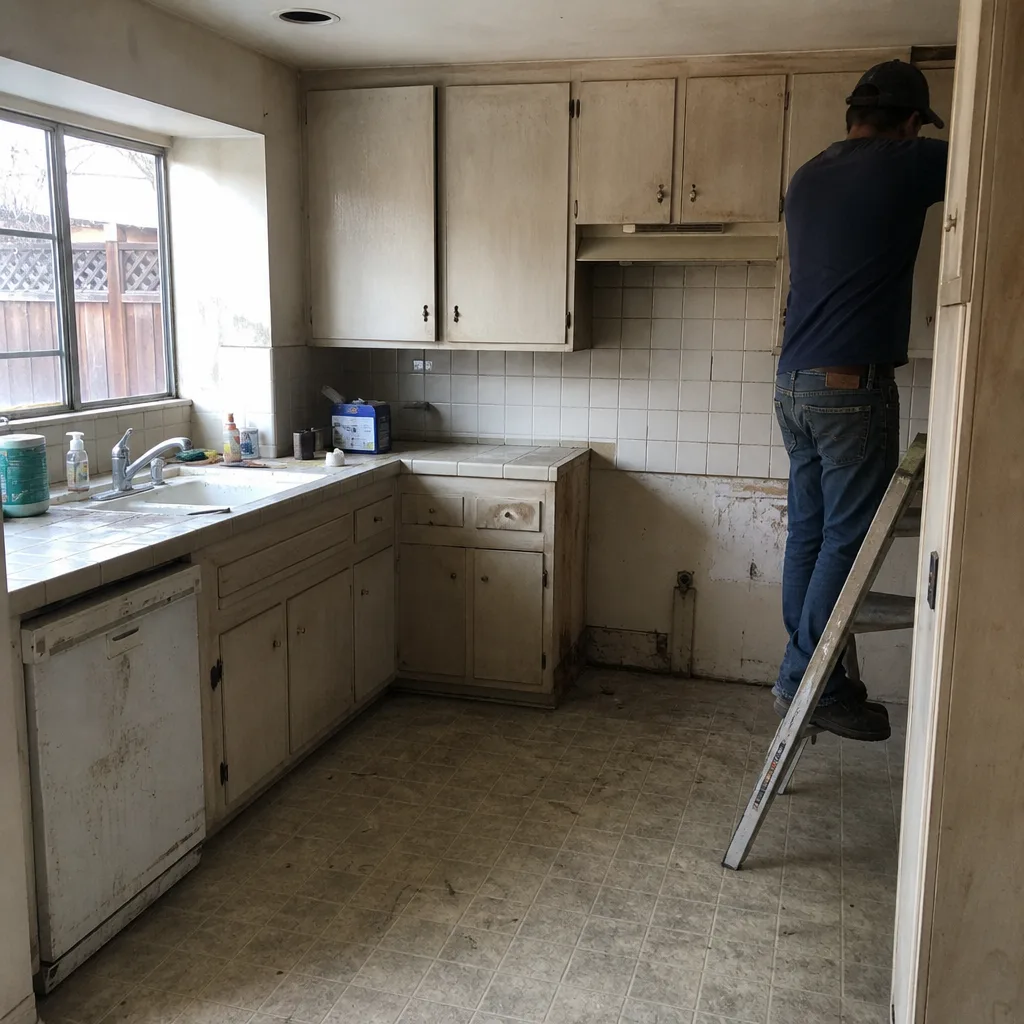 Before
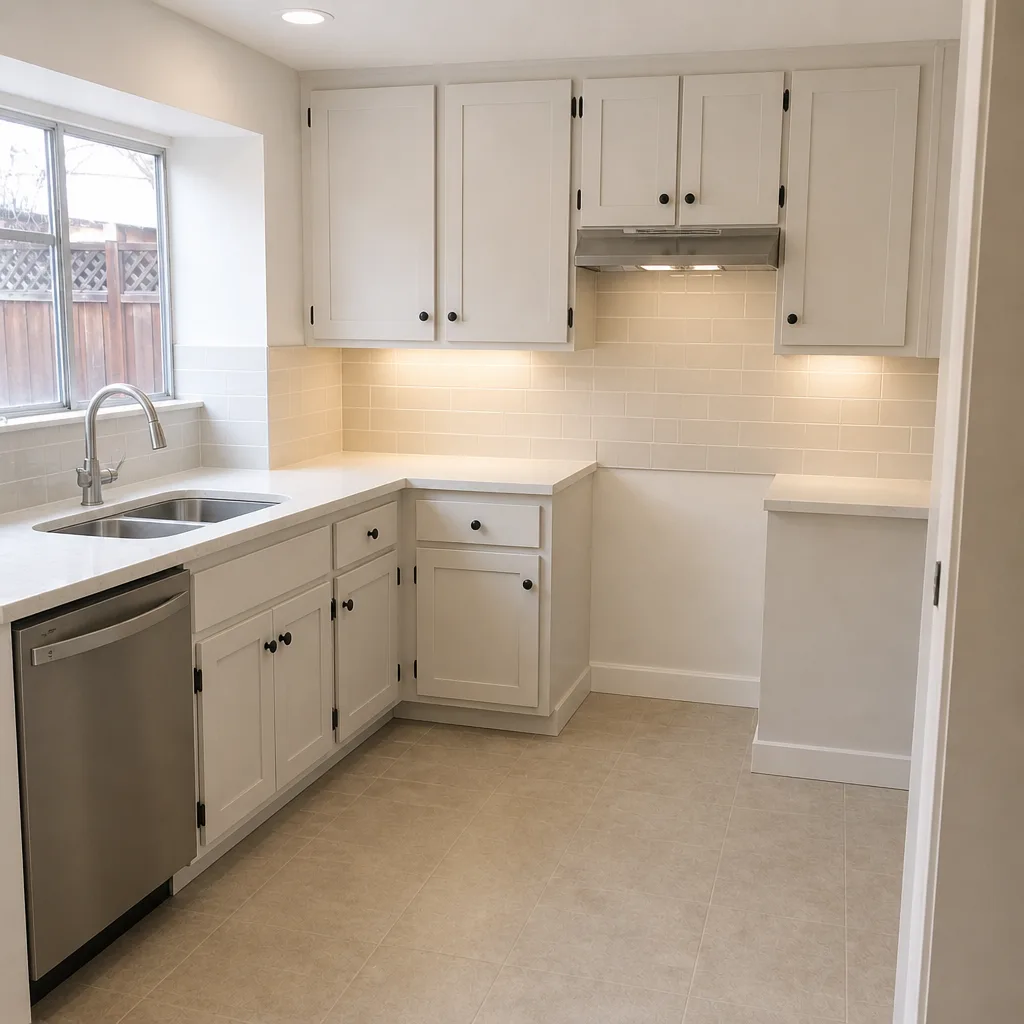 After
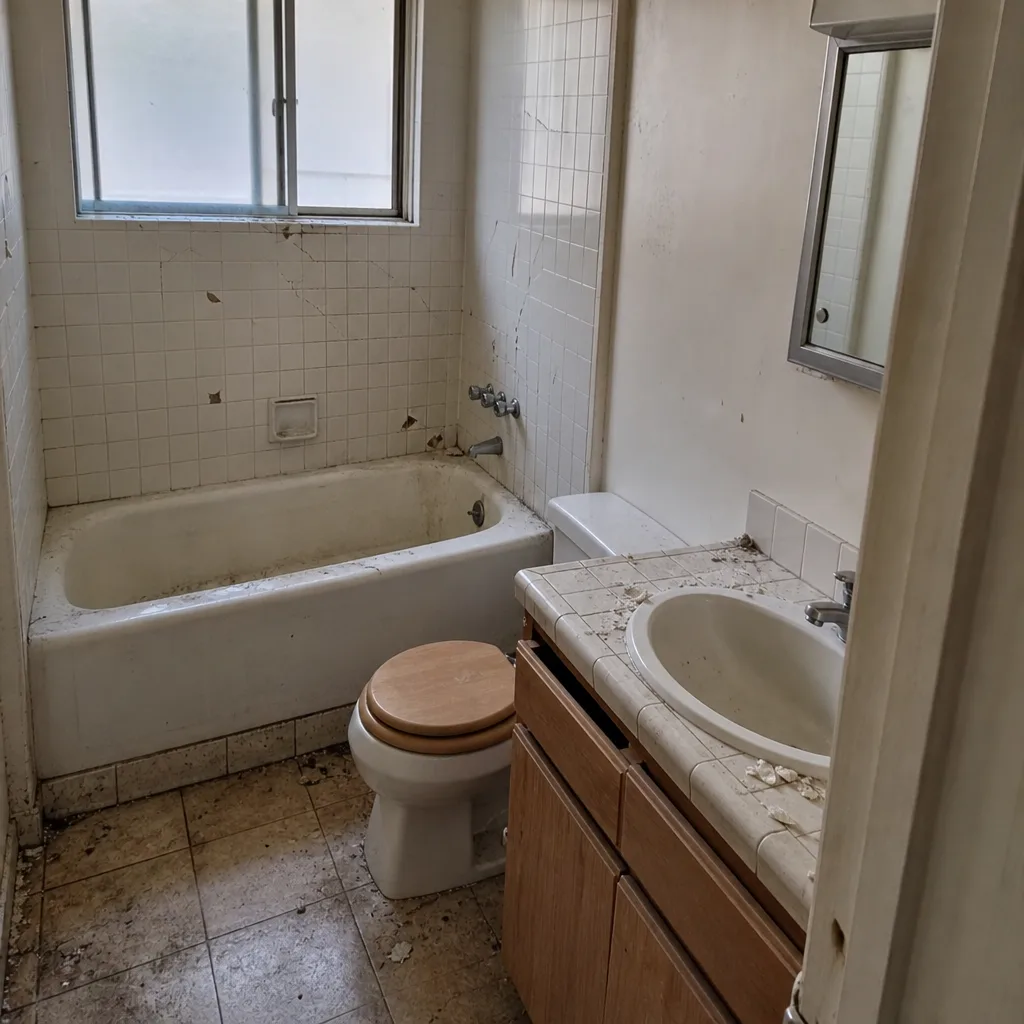 Before
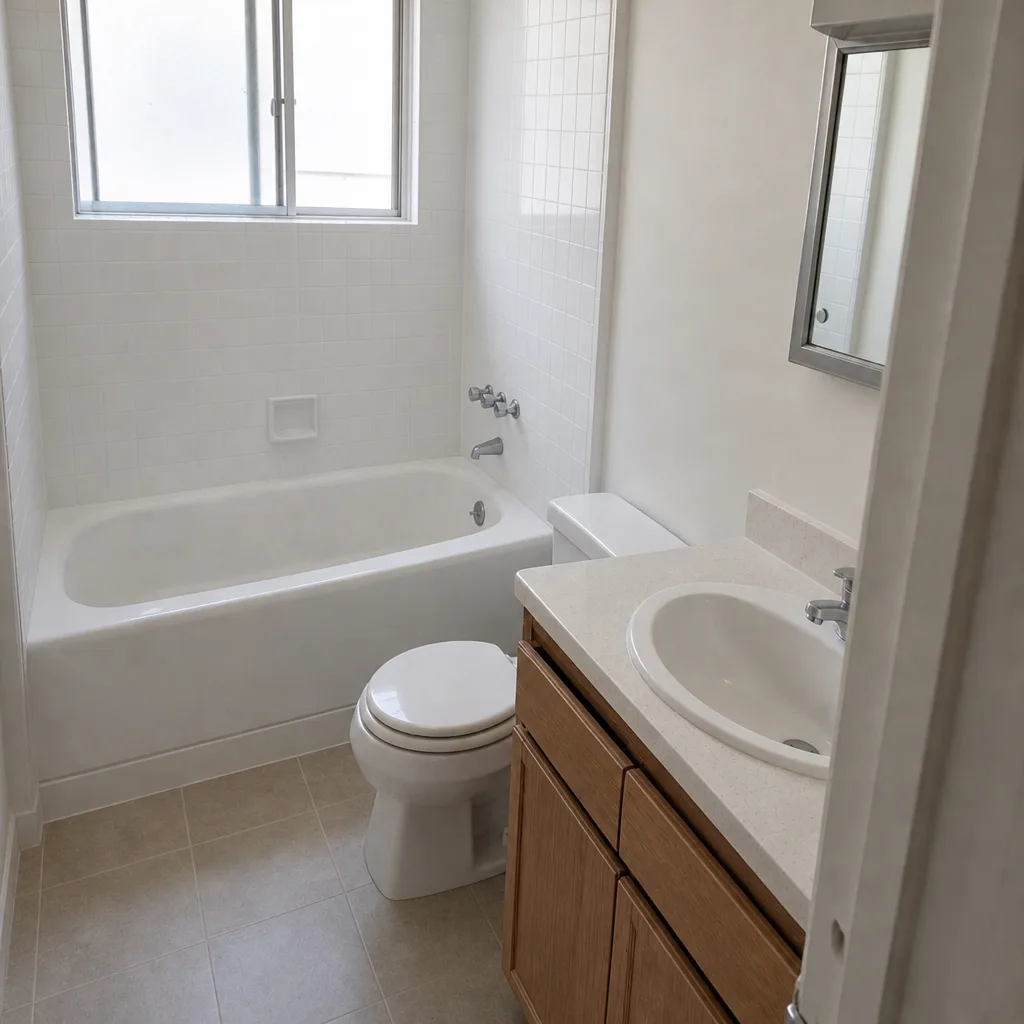 After
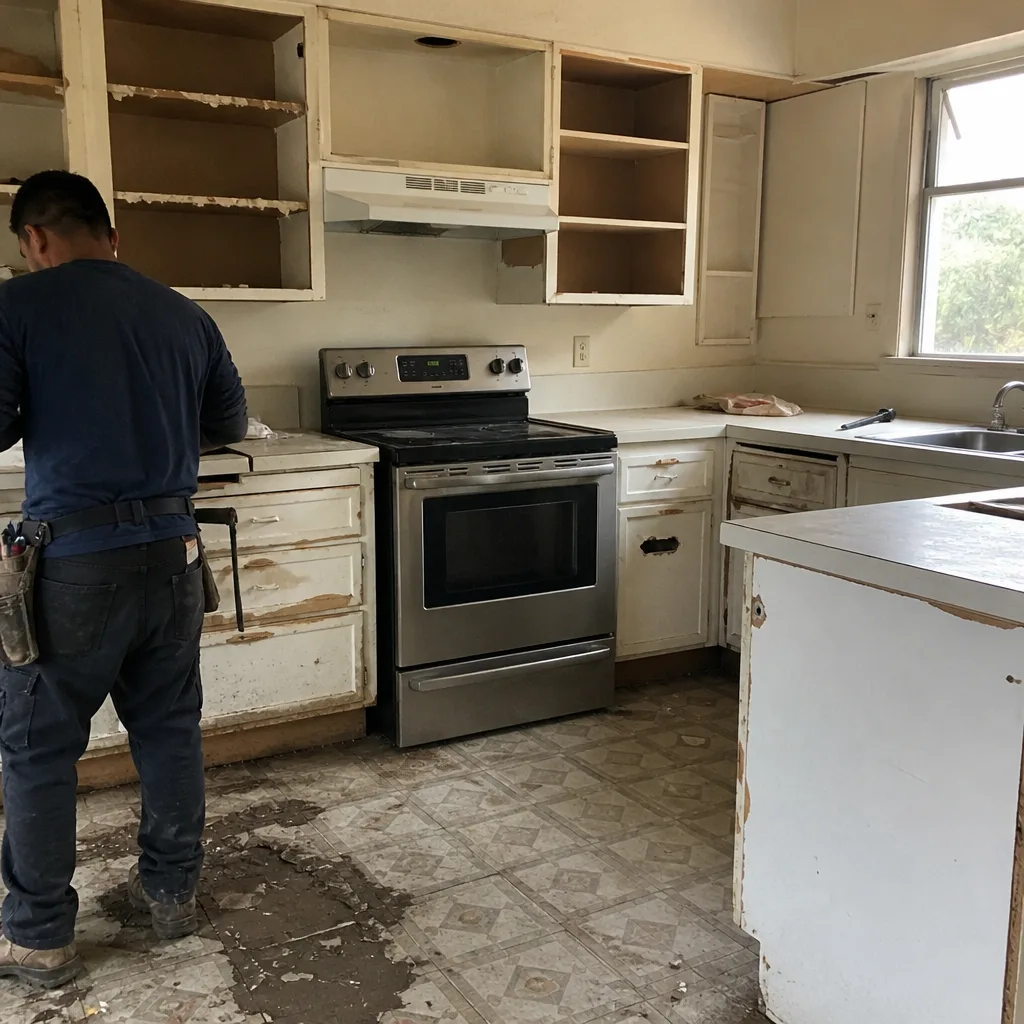 Before
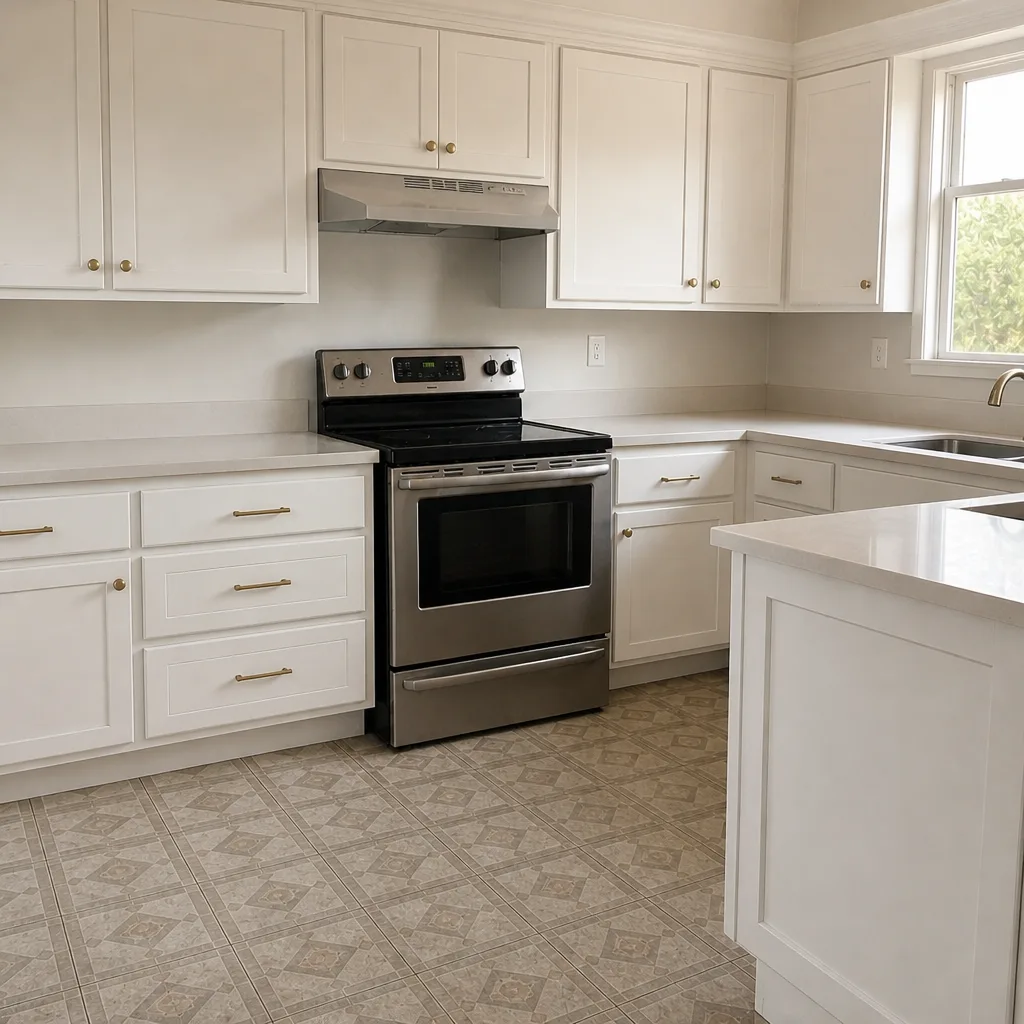 After
When to Call a Professional
Some of what this guide describes is inspection and comparison you can do yourself. But once you’re past the screening stage, professional guidance pays for itself. Call a licensed contractor when: you’re comparing written quotes and need to understand why a low bid is low; a proposal is missing permits or a written guarantee; you’ve found red flags mid-project and need to know your options; or you’ve inherited a partially completed remodel and aren’t sure what’s salvageable.
We’ve seen plenty of Sunnyvale projects come to us at the second phase, after a first contractor has left work unfinished or a permit problem has surfaced. Unwinding those situations costs more than starting clean. If you’re at the screening stage, get a second written quote. If you’re past it and the contractor is giving you the signals above, call us before you sign or hand over another draw. Penhallow Remodeling Sunnyvale offers free estimates in Sunnyvale. Call (888) 426-8719 to schedule yours. A live person answers around the clock, and the estimate comes in writing.
Frequently Asked Questions
Kitchen remodels in Sunnyvale typically run $18,000 – $55,000 depending on layout, cabinet line and countertop material. A mid-range project with KraftMaid cabinetry and Cambria quartz countertops usually lands in the $30,000 – $45,000 range for a standard layout; extensive layout changes, upgraded fixtures like Kohler or a new electrical panel push it higher. Get a written line-item quote so you can see where each dollar goes. Call (888) 426-8719 for a free written estimate.
Look up the license number on the Contractors State License Board (CSLB) website, confirm the status shows “Active,” and check that the license classification matches the work and the bond and workers’ compensation coverage are current. The check takes about three minutes and catches most of the serious problems before you sign. If anything doesn’t match the name on your contract, walk away.
California law caps the down payment on a home improvement contract at 10% of the contract price or $1,000, whichever is less, with limited exceptions for special-order materials. A contractor asking for 30%, 40% or more up front is either ignoring the rule or unaware of it. Both are good reason to keep looking.
Yes, if the project touches structure, electrical, plumbing, or gas lines, which most kitchen and bathroom remodels do. Sunnyvale requires permits for these categories regardless of project size or dollar value. A contractor who says “for a job this size we don’t pull permits” is telling you the work won’t be code-compliant or inspected. Ask what permits will be pulled and verify them before demo.
A real workmanship guarantee names the coverage period (a specific number of days or years), defines what’s covered (workmanship defects, not material defects), describes what happens when a claim is made (who returns, at whose cost, within what window), and states what voids it. A guarantee like the 365-Day Done Right Promise meets those criteria. “We stand behind our work” does not. Ask for the guarantee language in writing before you sign anything.
Not on a written fixed-price quote, unless the scope changes in writing. Change orders should always be written, signed, and priced before the change is made. The number on day one should be the number on the invoice. If a contractor can’t commit to that, they’re not offering a fixed price. Call (888) 426-8719 for a written estimate you can hold us to.
The Bottom Line
The contractor warning signs that actually matter are all checkable before you sign. A license verified on the CSLB site, a bond amount on file, a written fixed-price quote instead of a verbal estimate, a payment schedule that respects California’s deposit cap, permits pulled where the code requires them, and a written workmanship guarantee with named terms. None of those checks take more than a few minutes, and any one of them can save you five figures and a year of your life. In Sunnyvale, the market adds a few more specifics (permit portals, mid-century plumbing, that bay-and-mountain climate), but the underlying test is the same everywhere: does the contractor put the price and the guarantee in writing before a tool is picked up? If yes, you’re having the right conversation. If not, you’ve found your answer.
Contact
If you’ve been through the checklist and want a straight answer on a project, call us. Penhallow Remodeling Sunnyvale gives you a written price before any work starts, a defined arrival window, and the 365-Day Done Right Promise in writing on every project. Background-checked, uniformed technicians on every job. Materials drawn from brands like KraftMaid, Cambria, and Kohler, so what’s behind the guarantee is as solid as the guarantee itself. A live person answers the phone around the clock. Call (888) 426-8719 for a free estimate. If you’re still early in your planning, start with the Penhallow Remodeling Sunnyvale home page to see how we work.
Written by the team at Penhallow Remodeling Sunnyvale.