Last updated November 17, 2026





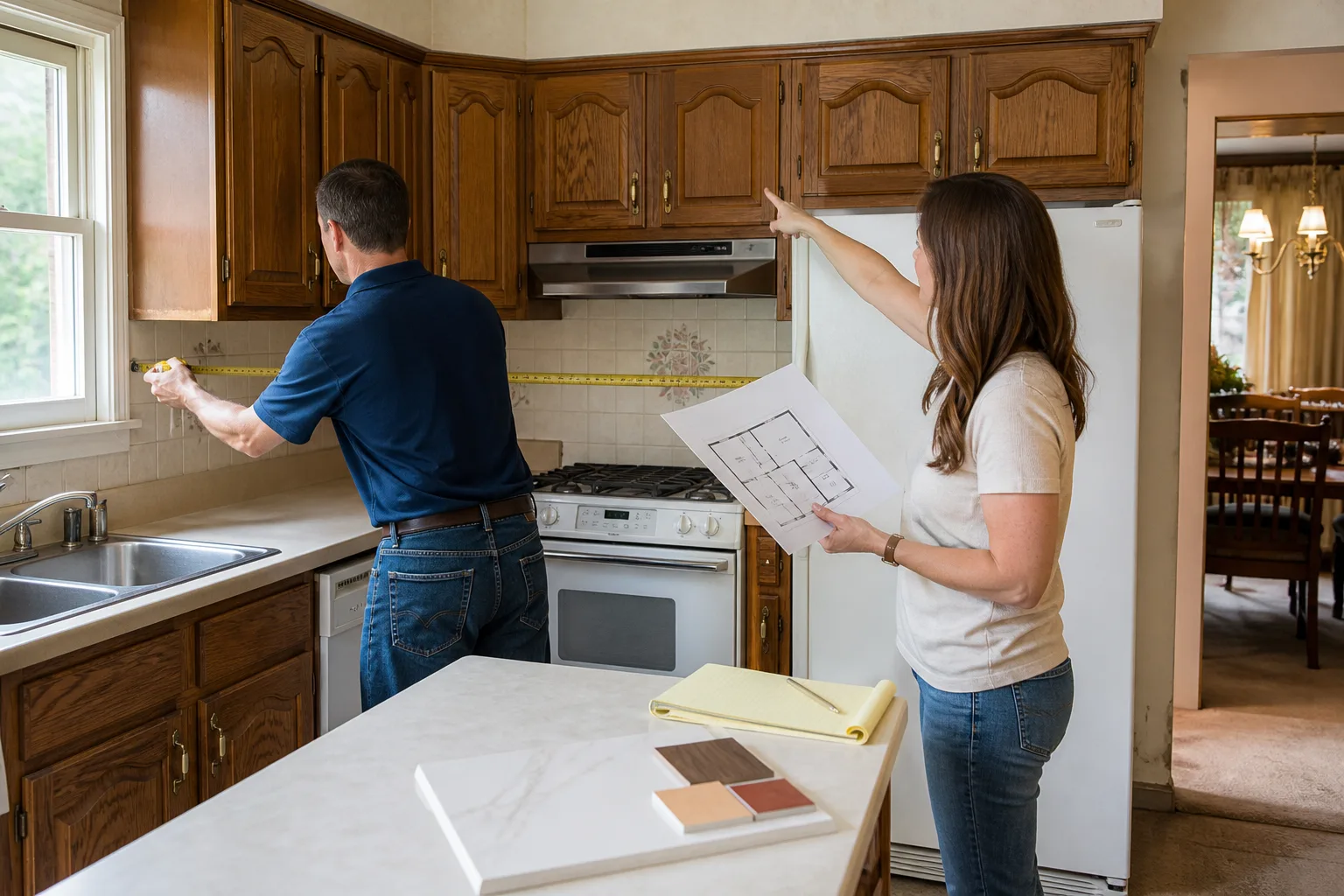
Free written scope consultation - allowances, timeline, and change-order rules on paper before a single trade is scheduled
Construction Warning Signs: A Sunnyvale Homeowner’s Reference Guide
A contractor who shows up without a subcontractor list, starts demo before the permit is posted on-site, and asks for 50% upfront isn’t necessarily a scammer. But each of those things is a documented precursor to a California CSLB complaint. Most “red flag contractor” lists focus on the sales call, the handshake, the pitch. This guide covers what happens after you say yes, which is where most of the damage actually occurs. What you’ll learn: what California law caps for deposits, how to read a contract for the materials language that prevents substitutions, which job-site omissions signal a contractor who’s going sideways, and how to tell the difference between behind schedule and abandoned. Sunnyvale homeowners live in a market where permits are scrutinized and inspectors are thorough. Use that to your advantage.
Quick Answer
The most reliable construction warning signs in Sunnyvale are structural and contractual rather than conversational: a deposit request above California’s legal cap of 10% or $1,000 (whichever is less), demolition before the permit is posted on-site, a contract that fails to name specific product lines and model numbers, and job-site omissions like missing moisture barriers or unterminated blocking. Each of these is grounds to pause work and ask for written clarification before another dollar changes hands.
Styles & brands we work with
- Kitchen remodeling
- Bathroom remodeling
- Home additions & ADU
- Roofing
- Windows & doors
- Driveway & pavers
- Fence
Table of Contents
- The California Deposit Cap: What the Law Actually Says
- The Permit Posting Requirement
- The Materials Bait-and-Switch
- Job-Site Warning Signs
- Behind Schedule vs. Abandoned: What California Law Says
- Contract Language to Check Before You Sign
- Liens and Payment Risk
- Your Options When Warning Signs Appear
The California Deposit Cap: What the Law Actually Says
California Business and Professions Code § 7159.5 places a hard limit on what a home improvement contractor can collect before any work begins: 10% of the total contract price or $1,000, whichever is less. A contractor who asks for 40% or 50% down is either unaware of this statute or operating outside it. Both are problems for you.
We’ve seen this warning sign frequently in Sunnyvale, where the permitting arc and the construction quality draw contractors from across the South Bay who may not be familiar with the state’s deposit rules. A request for 50% upfront on a $60,000 kitchen remodel means handing over $30,000 before a cabinet is ordered. If that contractor disappears, you’re out $30,000 and you still own the kitchen.
What does legitimate look like? A modest initial deposit that covers permit applications and design confirmation, then draws against real milestones: demo complete, rough-in signed off, substrate installed, cabinets delivered. Each draw should be documented and dated in the written contract.
What Deposit Structure Looks Like on a Legitimate Project
- 10% or less at signing – a deposit within the statutory cap, written into the contract with a clear line item.
- Milestone draws – scheduled payments tied to specific phases of work, not calendar dates.
- Final payment at punch list – a meaningful holdback that closes out only when the work is complete and meets the contract spec.
- No cash-only requests – licensed contractors take checks and traceable payments; a contractor insisting on cash is a separate warning sign.
Any request above $1,000 up front on a contract worth less than $10,000 is a stop sign. Full stop. Ask them to cite the statute they’re working under.
The Permit Posting Requirement
Most construction projects in Sunnyvale – structural changes, additions, kitchen and bathroom remodels that touch plumbing, electrical, or framing – require a building permit through the Sunnyvale Department of Public Works. Once the permit is issued, the contractor is required to post it on-site in a location visible from the street. If the permit isn’t posted when the first dumpster arrives, that’s a demonstrable warning sign.
The line we hear most often is “the permit is coming.” Sometimes that’s true – the permit is pending review and the contractor is prepping. Sometimes it means the permit application hasn’t been filed, and demolition is already underway. In California, working without a permit can void your homeowner’s insurance on any related damage and can result in an inspector requiring the work to be torn out and inspected from the ground up.
Steps to Verify the Permit Before Demo Begins
- Ask for the permit number in writing before any work starts. Legitimate contractors have it.
- Check the permit status through the City of Sunnyvale permit portal. It updates when inspections are scheduled and signed off.
- Confirm the permit is posted on-site, at eye level, from the street.
- Confirm the permit lists the correct scope. A permit for a “bathroom addition” that doesn’t include electrical is a paperwork signal.
- Get the name of the assigned inspector and the scheduled inspection dates in your contract.
In our work across Sunnyvale, we’ve seen kitchen and bathroom permit reviews move at predictable speed when the drawings are clean and the contractor knows the local front-counter staff. That’s a differentiator you can ask about directly. Our team works through the process on every Kitchen Remodeling in Sunnyvale project, and posters go up before the first dumpster lands.
The Materials Bait-and-Switch
This one costs homeowners the most money over time because it’s hard to see until something fails. The contract specifies “quartz countertops.” You sign. Three weeks later, the installed counter is a thinner, off-brand laminate-backed product that looks similar in a photo. You may not notice for a year.
The language that prevents this substitution is contractual, not verbal. A well-written contract names the product, the brand, the model number, and the color code. It also specifies the substitution procedure: if the named product is unavailable, the contractor must provide written notice, propose an equal-or-better alternative, and get your written approval before ordering. Anything less is a materials bait-and-switch waiting to happen.
What to Look for in Your Contract’s Materials Section
- Brand and product line – not “quartz” but “Cambria quartz, Brittanicca color, 3cm thickness.”
- Model numbers – for fixtures, faucets, tile lots. Model numbers lock in the exact spec.
- Substitution clause – written approval required before any product change, with a stated equal-or-better standard.
- Roofing specs – for roof-scope projects, the contract should name the shingle line, not just “40-year shingles.” Brands like Owens Corning, IKO, and Atlas publish product specs that you can verify against the delivered bundles.
- Substrate and underlayment specs – the layer behind the tile is worth naming. See the job-site section below.
Brand-named materials carry their own warranties. Cambria quartz comes with a transferable lifetime warranty that sits alongside our 365-Day Done Right Promise. James Hardie siding carries its own manufacturer warranty on the product. Specifying brands gives you more layers of protection, not fewer.
Job-Site Warning Signs
The structural stuff in your walls and floors gets covered up fast, and once it’s covered you can’t audit it without demo. These are the things to look at while the walls are open, or to check during your scheduled walk-throughs even if you aren’t a builder. If something is missing, ask for written clarification before the next phase begins.
Signs to Check at Rough-In
- Missing moisture barrier – in bathrooms and any exterior wall, a waterproof membrane (often a sheet membrane or liquid-applied system) goes behind the tile substrate. If tile is being set onto bare concrete board with no barrier, water will find the framing within a few years.
- Skipped blocking – horizontal framing pieces (blocking) installed between studs are what grab bars, TV mounts, and cabinet rails anchor to. No blocking means anything heavier than a picture frame has to rely on drywall anchors.
- Improperly supported headers – when a wall is opened for a doorway or pass-through, the framing above it (the header) has to be sized and supported to code. An undersized header shows up as a sagging drywall line or a sticky door within a season.
- Untaped or unsealed duct/penetration gaps – gaps around plumbing and electrical penetrations let in air and moisture. A contractor who leaves them exposed at rough-in isn’t planning to come back and seal them.
- No framing inspection before drywall – if drywall goes up without a framing inspection being signed off, that’s a warning sign that the inspections process is being shortcut.
These are all things you can walk through and photograph at the rough-in stage. Ask the contractor to walk you through the site before the drywall closes up. In our work in Sunnyvale’s older Eichler and mid-century homes, we’re especially attentive to insulation and moisture barrier integrity because the original construction methods were sometimes less forgiving than current code.
Behind Schedule vs. Abandoned: What California Law Says
These two states are legally very different, and knowing the difference determines what you can do. “Behind schedule” is a scheduling variance, sometimes weather-related, sometimes permitting-related. “Abandoned” is a contract violation that opens up legal remedies.
California law doesn’t set a fixed number of days. Instead, the test is whether the contractor has ceased performance without legal excuse and without notice. Signs that a project is moving toward abandonment: no crew on-site for 14+ days with no written notice, no answering of calls or emails, unpaid subcontractors or suppliers reaching out to you directly, and materials sitting untouched on-site for weeks. Under CSLB rules, a licensed contractor who abandons a project without legal excuse is subject to discipline up to and including license revocation. As a homeowner, your remedies include filing a CSLB complaint, filing a claim against the contractor’s bond, and pursuing civil action.
Documentation to Build the Case
- Log every day without a crew. Date, time, weather, whether you called, what was said.
- Save every email, text, and voice message. Communication trails matter enormously.
- Photograph the site weekly. Progress photos establish the last day of actual work.
- Collect subcontractor and supplier names. Their unpaid invoices support the CSLB complaint.
- Request a written status update. A contractor’s failure to respond to a written request is itself evidence of abandonment.
Our General Contractor in Sunnyvale team has picked up the pieces on several projects that reached this stage, and the pattern is nearly always the same: the warning signs appeared weeks before the abandonment, and no one wrote them down. Document early.
Contract Language to Check Before You Sign
The written contract is the single document that determines what your project will look like in six months. California requires a written home improvement contract for any job over $500, and the contract must include specific elements. Beyond the statutory requirements, here’s what to look for.
Every California Home Improvement Contract Should Include
- Scope of work – specific, itemized, and exhaustive. Not “remodel kitchen” but a line-by-line description of what’s being demolished, installed, and finished.
- Materials list with product names and model numbers – see the bait-and-switch section above.
- Deposit amount and milestone schedule – within statutory caps, tied to real phases.
- Start and completion dates – specific calendar dates, not “approximately 6 weeks.”
- Subcontractor disclosure – the names and license numbers of any subcontractors the contractor plans to use.
- Permit responsibility – who pulls the permit, who pays for it, who pays for re-inspection if a phase fails.
- Change order procedure – written and signed before any change in scope or price.
- Warranty and guarantee terms – how long, what’s covered, what happens if a repair fails.
- Arbitration or mediation clause – and, importantly, whether it’s mandatory and what it waives.
- Three-day right to cancel – California gives you three business days to cancel a home improvement contract for any reason. The contract should state this.
California’s contract regulations also require the CSLB license number to appear on the contract. If it doesn’t, that’s a warning sign. If it does, verify the license at cslb.ca.gov before you sign – and note that license standing can lapse between the time you check and the time work starts, so check again before demo.
Liens and Payment Risk
California’s mechanics lien law is designed to protect subcontractors and suppliers who don’t get paid by your general contractor. That protection can come at your expense: a subcontractor who isn’t paid can file a lien against your property, even if you’ve already paid the general contractor in full. The way to prevent this is a preliminary notice and lien release process built into the payment schedule.
Every subcontractor and material supplier on a California residential project can serve a preliminary notice. If they do, keep it. Before you make a milestone payment, request a conditional lien release from the general contractor for the phase you’re paying for, and a final unconditional lien release at the end of the project. If the general contractor resists providing releases, that’s a warning sign that subcontractors aren’t being paid on time.
In Sunnyvale, where multi-trade remodels are common, this is a practical safeguard. Our team on every Bathroom Remodeling in Sunnyvale project provides written lien releases at each milestone, so homeowners can see that the plumber and the tile setter have been paid before the next phase begins.
Your Options When Warning Signs Appear
You don’t have to wait for a project to fail before acting. The warning signs cover the whole arc from the contract to the punch list, and each stage has its own appropriate response.
Escalation Steps
- Ask for written clarification. Most contractors will respond in writing to a specific, factual question. “The permit wasn’t posted on day three of demo – can you confirm the permit number and posting date?” Their answer tells you a lot.
- Pause payment. If you’re being asked for the next milestone draw and the work isn’t there, don’t pay. Payment is a lever, and it’s a legitimate one where the contract milestone hasn’t been met.
- Request a site meeting. Walk the job with the contractor, in person, on a date that works for both of you. Document what was discussed.
- File a CSLB complaint. The CSLB accepts complaints on licensed contractors and can investigate the full arc of the project. Filing is free, and it can trigger a compliance review even if the project eventually completes.
- Consult an attorney. If a deposit above the statutory cap was paid, or if abandonment is evident, a California construction attorney can assess your options. The California Contractor State License Board also has a consumer complaint process that doesn’t require counsel.
Our Penhallow Remodeling Sunnyvale home page describes what a written-price, written-guarantee project looks like from the contractor side, which is useful to compare against what you’re seeing on-site. Every project we run starts with a written price, provides a written guarantee and the 365-Day Done Right Promise, and gets a real arrival window in writing.
Common Mistakes to Avoid
- Signing a contract with a blank materials section or an “allowance” for every line item. Allowances turn into change orders, and change orders turn into cost overruns. Get the actual product names and model numbers in writing before signing.
- Paying a deposit above the California cap without written justification. Paying a 40% deposit to “reserve a spot” in a contractor’s schedule means your money is funding someone else’s other job. Keep the deposit at or below the statutory limit.
- Letting demolition proceed before the permit is posted and verified. In Sunnyvale’s permitting environment, unpermitted demo can void your insurance on any related issue and require tear-out to inspect. Wait for the post.
- Skipping the rough-in walk-through. Once drywall closes the walls, moisture barriers and blocking are invisible. A written walk-through at rough-in gives you a chance to see the structure before it’s hidden.
- Ignoring the subcontractor list. California requires the contract to disclose subcontractors and their license numbers. If that section is blank, ask before work starts – a missing list means the general contractor is planning to add subs without telling you.
- Failing to keep a written job log. Calls, texts, photos, and daily schedule notes are the evidence base if a project goes sideways. A fifteen-minute log per week is the single most valuable document you can build.
- Assuming a verbal guarantee is a guarantee. “We’ll make it right” is not a guarantee. A written guarantee, with a stated period and a defined remedy, is. Ask for it in writing before they start.
See the difference
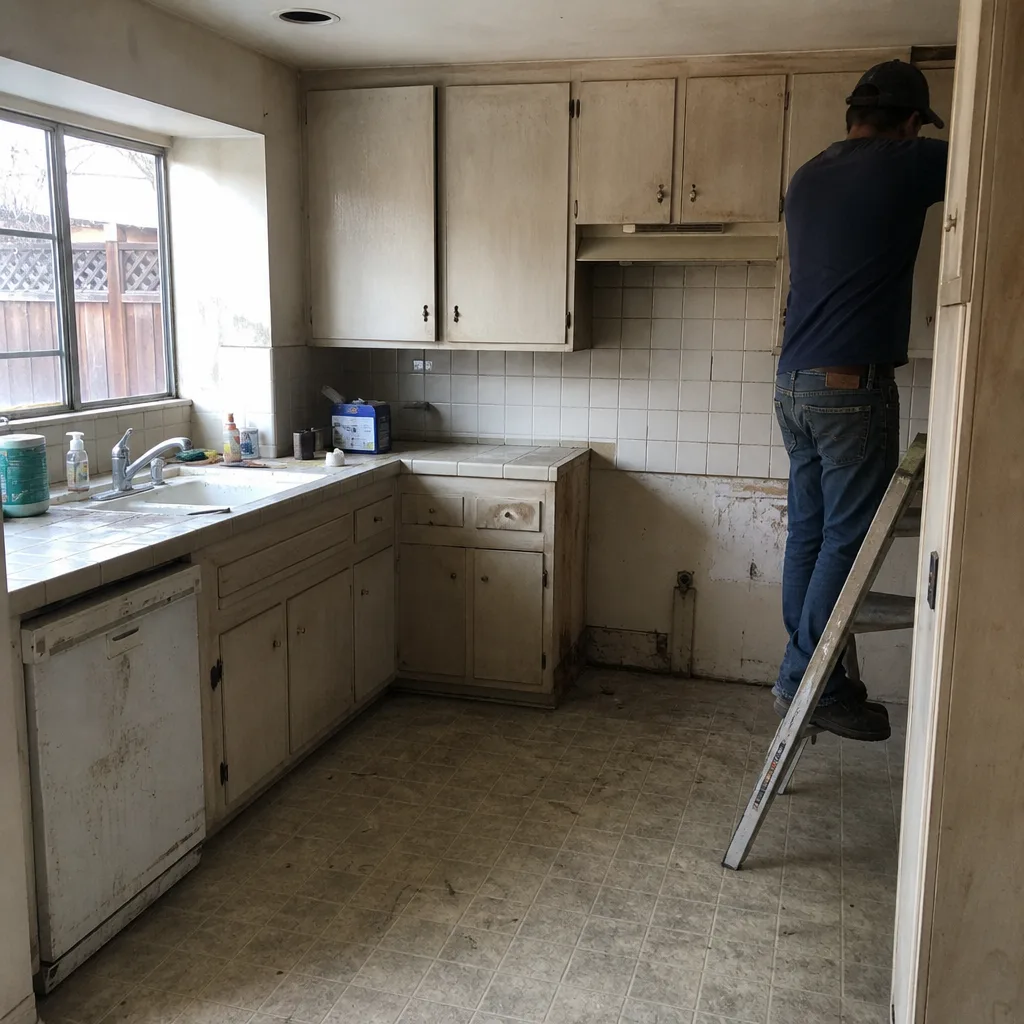 Before
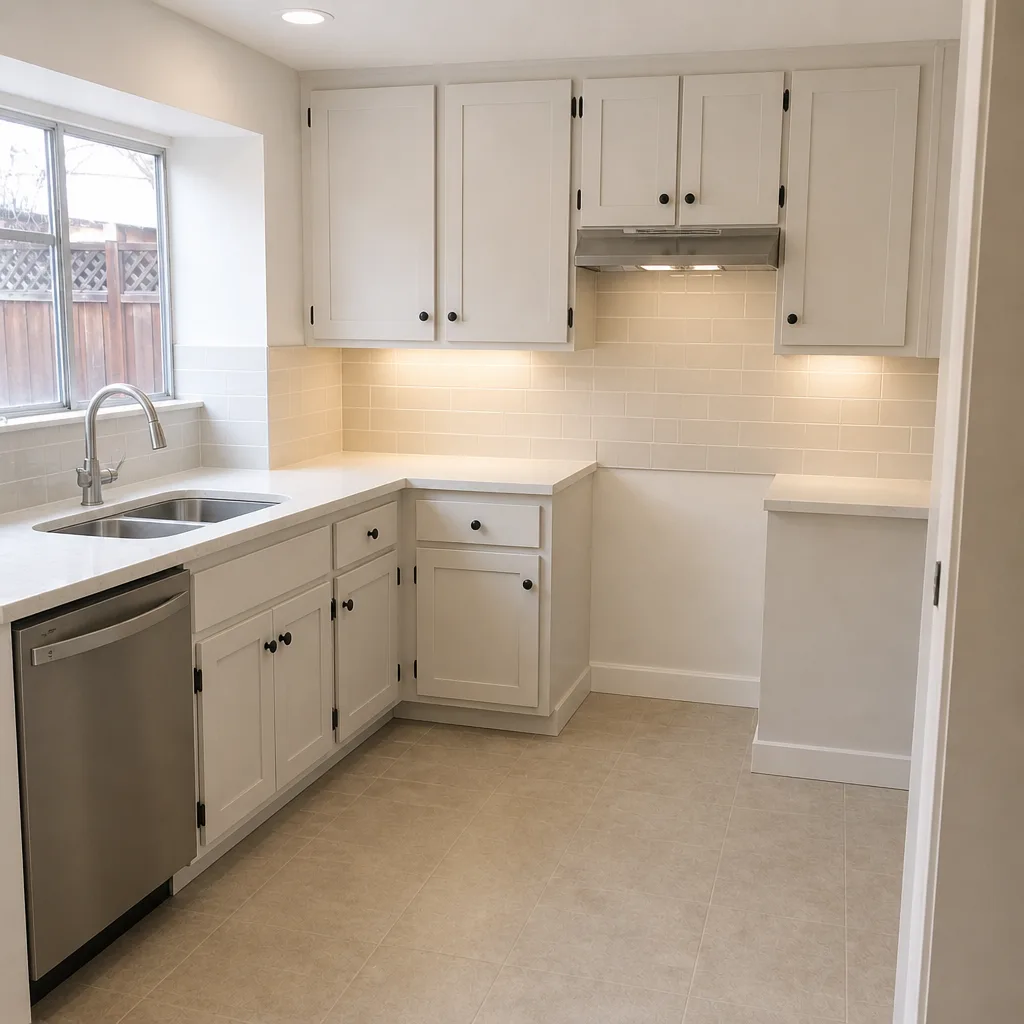 After
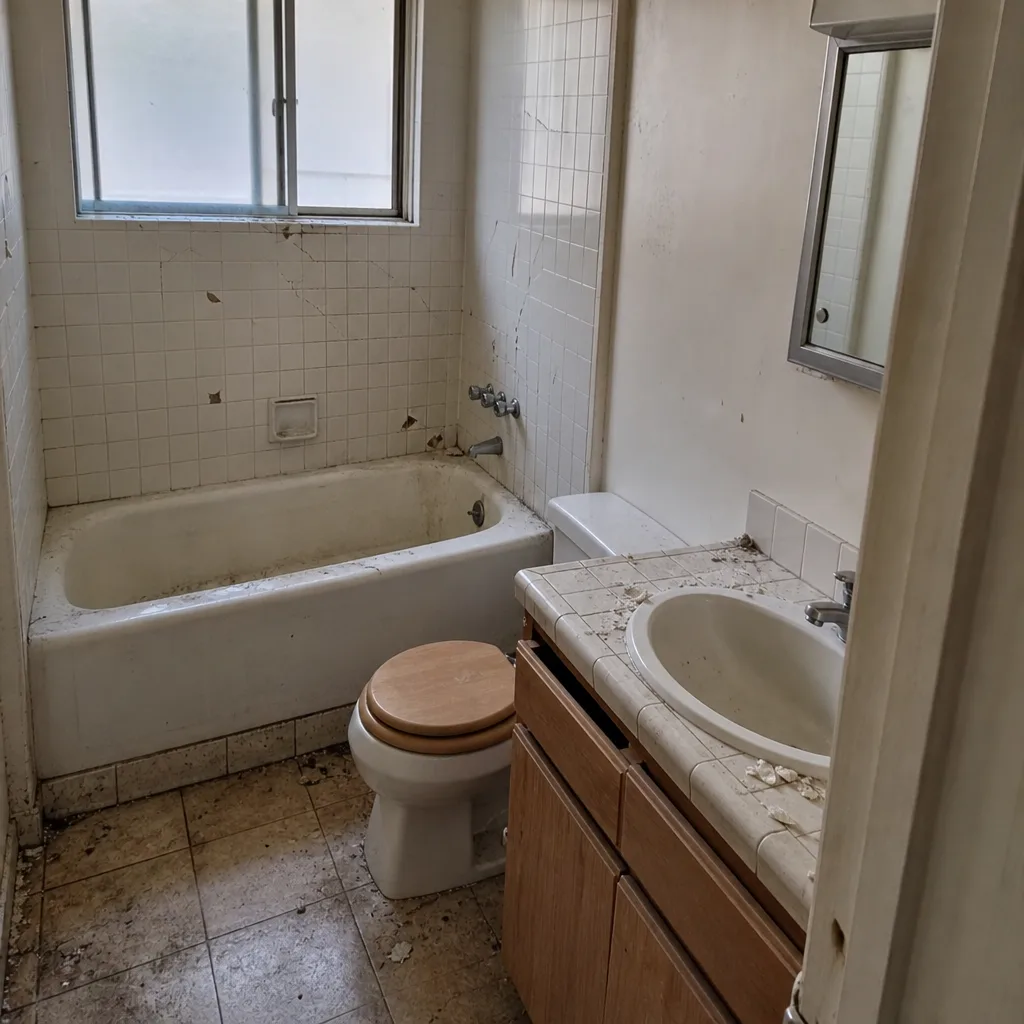 Before
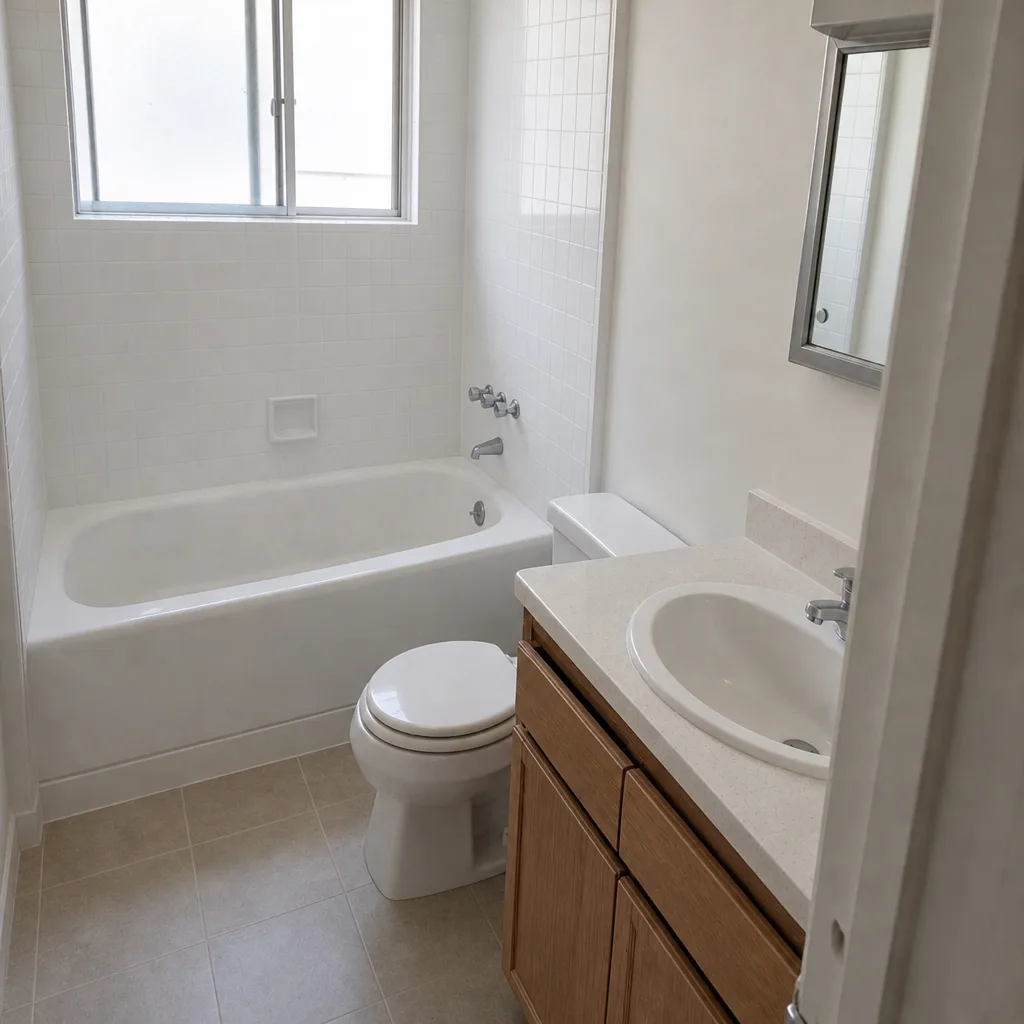 After
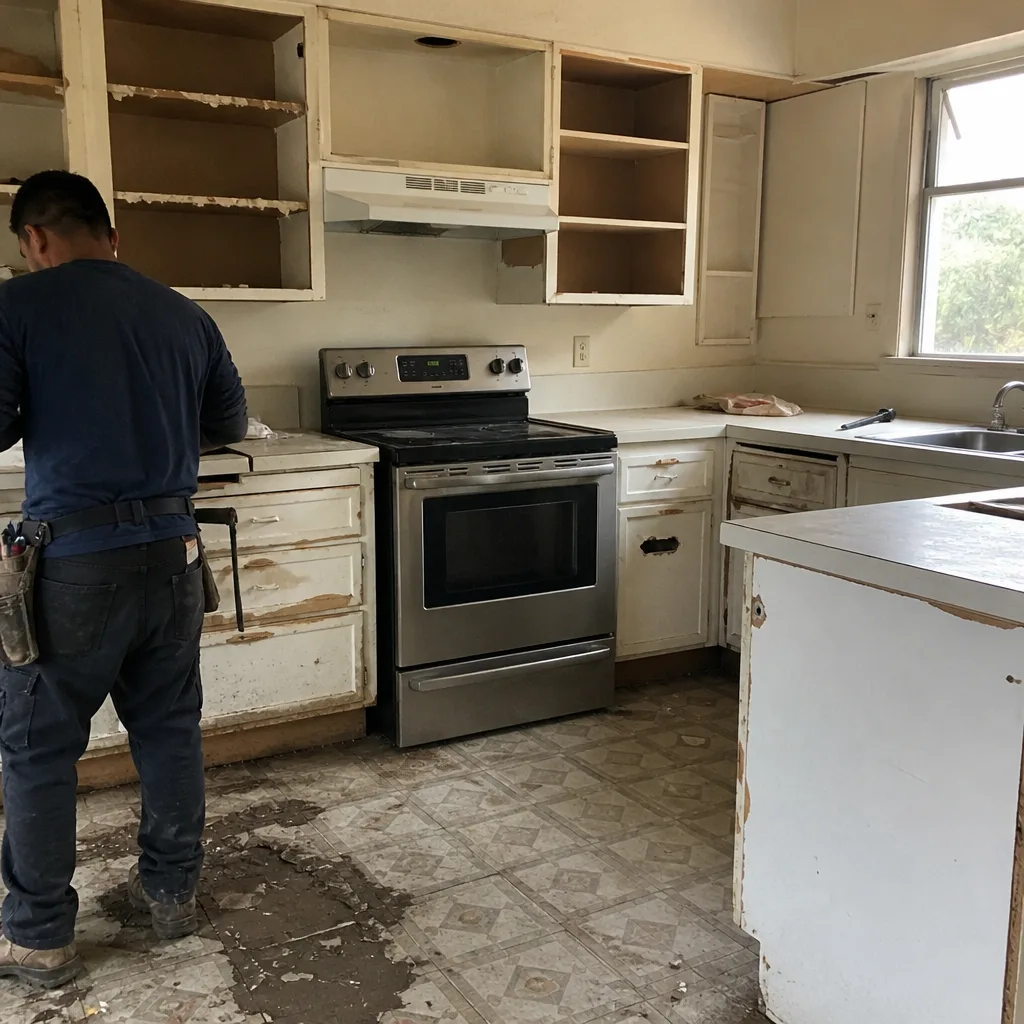 Before
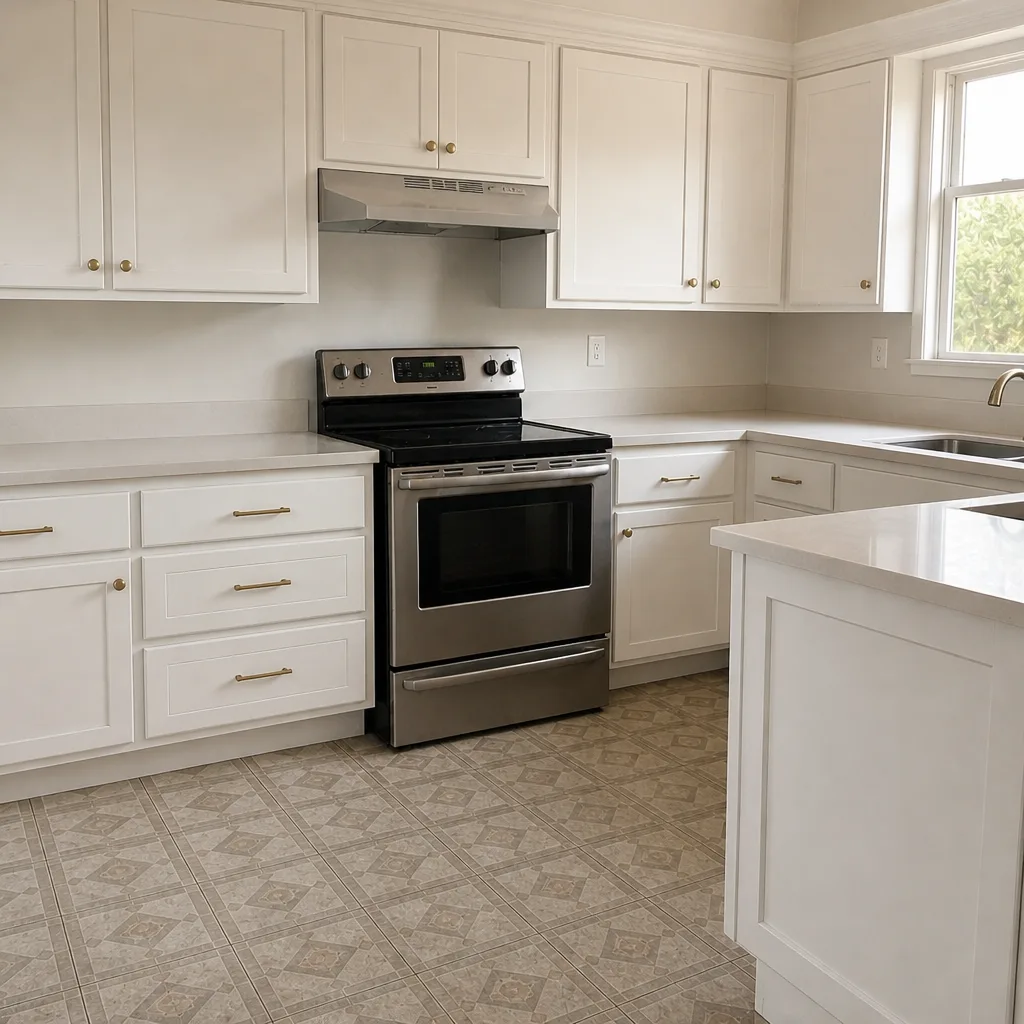 After
When to Call a Professional
Some of these warning signs are manageable in the moment. Others aren’t. If demolition has started without a posted permit, if you’ve paid a deposit above the statutory cap and been told it’s “standard,” if the subcontractors on your site are complaining they haven’t been paid, or if the crew has been absent for two weeks without a written schedule update, it’s time to call in professional guidance. That can be a construction attorney, a CSLB complaint, or a qualified contractor to assess the work and tell you what’s salvageable. In our experience across Sunnyvale, the earlier you bring in an independent set of eyes, the cheaper the correction. Most homeowners who call us at this stage have one thing in common: they saw a warning sign weeks earlier and talked themselves out of it.
Penhallow Remodeling Sunnyvale offers free estimates in Sunnyvale. Call (888) 426-8719 to schedule yours. A live person answers the phone at every hour, and every project begins with a written price and a written guarantee before a single tool comes out of the truck.
Frequently Asked Questions

California Business and Professions Code § 7159.5 caps the upfront deposit at 10% of the total contract price or $1,000, whichever is less. Any request above that amount before work begins is outside the statute. If a contractor insists on a larger deposit, that’s grounds to walk away or negotiate a milestone-based payment schedule. Call (888) 426-8719 if you want to talk through your specific contract – estimates from our team are free.
Stop the work and request the permit number in writing. If the contractor can’t produce one, they may be working unpermitted, which can void your homeowner’s insurance and require tear-out and re-inspection. Contact the City of Sunnyvale Building Division to verify permit status, and get the answer in writing before allowing work to continue.
California doesn’t set a fixed day-count. The legal test is whether the contractor has ceased performance without legal excuse and without written notice to you. No crew for 14+ days, unanswered calls, unpaid subcontractors reaching out directly, and materials sitting untouched are the classic combination. Document each day and file a CSLB complaint if the pattern persists.
A bait-and-switch happens when a contractor names one product in the contract and installs a cheaper substitute. The prevention is contractual: the contract should name brand, product line, model number, and color code, and include a written-approval substitution clause requiring your sign-off before any product change. Compare what’s delivered to what’s named in the contract – Owens Corning roofing bundles, for instance, have a specific product code you can verify against the contract.
The most reliable structural signs appear at rough-in: missing moisture barriers behind tile, absent horizontal blocking at grab-bar and cabinet locations, undersized headers over new openings, and unsealed penetrations around plumbing and electrical. Walk the site at rough-in before drywall goes up, and ask for a written confirmation that the framing inspection has been signed off.
Yes. California mechanics lien law protects subcontractors and suppliers who aren’t paid by the general contractor, even if you’ve paid the general contractor in full. The prevention is to request conditional lien releases before each milestone payment and an unconditional final release at project close. If a contractor resists providing releases, treat it as a warning sign. Call (888) 426-8719 for a free estimate on a project that starts with a written scope, a written price, and a written guarantee.
The Bottom Line
Most contractor problems are visible weeks before they become disasters, and the warning signs are structural and contractual rather than conversational. Watch the deposit against California’s 10%/1,000 cap. Watch for the posted permit before demo. Watch the contract for named materials and substitution clauses. Walk the site at rough-in. Track the days the crew is absent and document each one. Every project should have a written price, a written guarantee, and a written schedule before work begins – and any contractor who resists putting those three things on paper is showing you their hand. That’s what we hold to on every project we run in Sunnyvale, from Kitchen Remodeling in Sunnyvale to a Bathroom Remodeling in Sunnyvale rebuild, and it’s what the 365-Day Done Right Promise exists to back up.
Free Estimate, Written and Guaranteed

If you’re in the middle of a project and something on this list describes your situation, or you’re preparing to start a kitchen, bathroom, or whole-home remodel in Sunnyvale and want the written price and written guarantee in place before work starts, call us at (888) 426-8719 to schedule your free estimate. We answer the phone at every hour, we bring background-checked, uniformed technicians to every job, and we put the number on paper before anything gets pulled or set. If you’re still in the planning stage, our General Contractor in Sunnyvale page walks through what a written project scope actually looks like. Every project is backed by the 365-Day Done Right Promise: if the work fails, we come back and fix it at no charge, and the guarantee is in writing on every job.
Written by the team at Penhallow Remodeling Sunnyvale.