Last updated November 17, 2026


Free written scope consultation - allowances, timeline, and change-order rules on paper before a single trade is scheduled
DIY vs Professional General Contractor: What’s Safe to Do Yourself
Painting your own cabinets won’t affect your home sale. Installing your own recessed lights without a permit can require you to open your ceiling for a buyer’s inspector, at your expense, fifteen years from now. That gap is the whole story. The DIY-or-hire decision in remodeling isn’t really about whether you can swing a hammer. It’s about permit liability, insurance exposure, and what happens to your resale value when unpermitted work surfaces on a California disclosure. This guide draws the line where the law and your homeowner policy do, and shows you which tasks you can safely keep for yourself around a licensed job in Sunnyvale.
Quick Answer
In California you can safely DIY cosmetic and non-structural work: painting, finish hardware, cabinet pulls, trim, and demolition of surfaces like old tile or drywall that aren’t load-bearing. Work that touches electrical wiring, plumbing supply or drain lines, gas, structural framing, or anything requiring a building permit is legally meant for a licensed contractor, and a mistake there can void an insurance claim and complicate a future sale. The smartest approach is to split the job: hand the licensed and structural work to a general contractor and save money by doing the finish work yourself.
Styles & brands we work with
- Kitchen remodeling
- Bathroom remodeling
- Home additions & ADU
- Roofing
- Windows & doors
- Driveway & pavers
- Fence
Table of Contents
- What California Law Actually Says About DIY Work
- The Homeowner Exemption Most People Misunderstand
- The Insurance Gap: Why a DIY Mistake Follows You
- Unpermitted Work and Resale: What Happens at Escrow
- Tasks That Are Genuinely Safe to DIY
- How to Scope a Project So You Do the Finishes Yourself
- Why This Matters in Sunnyvale Specifically
What California Law Actually Says About DIY Work
California’s Business and Professions Code requires a licensed contractor for any project that will be performed for compensation, and for a specific list of work regardless of who does it. The state’s Contractors State License Board (CSLB) is the agency that enforces this, and it publishes a clear guide: if the work requires a building permit, a licensed contractor is generally expected to be involved. That covers new construction, additions, structural changes, and most electrical and plumbing modifications beyond simple fixture swaps.
Sunnyvale pulls its permits through the city’s own building division, and the inspectors know the neighborhoods. Routine work that needs a permit here includes:
- Adding or relocating electrical outlets, circuits, or light fixtures (except a straight bulb-for-bulb replacement)
- Any new or rerouted plumbing supply or drain line, including moving a bathroom sink
- Removing or altering a load-bearing wall, or opening up a kitchen to a living area
- Gas line work of any kind, including a new range or dryer hookup
- Water heater replacement and HVAC changes
- New windows or a door in an existing wall opening
None of that list is a judgment about your skills. The state decided the consequence of a mistake is severe enough (fire, flood, gas leak, structural failure) that it wants a licensed professional and an inspection record on the job. Match the work you plan against this list before you buy a single tool.
What “Licensed” Means in Practice
A licensed general contractor carries a state credential, a bond, and workers’ compensation insurance. Those last two are the ones homeowners forget. If a helper gets hurt on your property and the person you hired isn’t insured, the claim can land on your homeowners policy. That’s a big reason the CSLB says to verify a license number before work starts. It’s also why every project we touch includes a written price and a written guarantee before any cabinet is pulled or tile is set – the paperwork is the point.
The Homeowner Exemption Most People Misunderstand
People hear about an “owner-builder exemption” and assume it gives them a green light to do anything on their own home. It doesn’t. The exemption allows a homeowner to pull a permit and act as their own general contractor for work on a home they actually live in – and that consumer protection is narrow. It doesn’t remove the requirement that the work meet code, and it doesn’t cover the specialty trades.
In California, the state requires that certain tasks be performed by a licensed contractor with the matching specialty license:
- Electrical wiring and panel work (C-10 license)
- Plumbing supply and drain work (C-36 license)
- Gas line installation and repair
- HVAC installation (C-20 license)
So if you act as your own GC for a Sunnyvale bathroom remodel and hire a tile setter, that’s fine for the tile. But the moment the project touches the drain line or adds a GFCI outlet, the person doing that specific work should hold the right state license, even if you’re the one pulling the overall permit. The exemption was created so a homeowner could manage a project, not so they could bypass the trades the state regulates for safety.
What we see on the ground: homeowners who try to manage every trade themselves often under-budget the inspection and change-order process, and the savings they hoped for disappear by the time the second inspection fails. A General Contractor in Sunnyvale exists to sequence the licensed trades, pull the right permits, and pass the inspection the first time – that’s the value you’re buying, not the labor itself.
The Insurance Gap: Why a DIY Mistake Follows You
Here’s the part that surprises people. Your homeowners policy is written on the assumption that the work on your home was done correctly and, where required, permitted. If a fire or a water loss traces back to unpermitted DIY electrical or plumbing work, the insurer can deny or reduce the claim – even if the mistake was made years before by someone else, and even if you bought the house after the work was done. The policy doesn’t care who held the screwdriver. It cares whether the work was done to code.
Water is the classic case. A slow leak behind a DIY shower valve that isn’t properly sealed or supported can feed mold in the wall cavity for a year before it shows. By the time you see it, you’re looking at drywall, framing, and cabinet damage that runs $8,000 to $30,000 depending on how far it spread. If the insurer determines the cause was unpermitted plumbing, you may be paying for that out of pocket. That’s the real cost of “I watched a video and did it myself.”
Electrical is the other one that doesn’t stay contained. A miswired circuit can sit harmlessly for a decade and then arc under load. The claim adjuster’s first question after a fire is usually “do you have the permits and inspection records for the work?” It’s a hard question to answer when the work was never permitted. This is why we put the guarantee in writing and pair it with our Penhallow Remodeling Sunnyvale home standard – every project gets a written price, a real arrival window, and a 365-Day Done Right Promise. The written record is what protects you if something fails later, because it’s proof the work was done by a licensed professional under a real guarantee.
Unpermitted Work and Resale: What Happens at Escrow
California’s seller disclosure rules require you to tell a buyer about any work done to the property that required a permit, and any known issues with it. When a buyer’s inspector or your escrow officer finds unpermitted work – a new electrical panel with no permit on record, a bathroom that now counts as a second full bath with no inspection trail – you’re the one exposed. The buyer can demand remediation before closing, renegotiate the price down by the cost to fix it, or walk. You rarely win that negotiation.
We’ve watched this play out in Sunnyvale more than once, particularly on older homes in the neighborhoods near downtown where a bath or addition was tacked on in the 1980s or 1990s without a paper trail. When the house comes to market, the city has no inspection record, the buyer’s lender wants one, and the seller ends up paying to open walls so an inspector can look at the framing or wiring. That remediation bill can easily run $10,000 to $40,000 depending on the scope.
There’s a second cost that’s harder to see: price compression. Homes with clear permit records sell faster and often at a premium in the Sunnyvale market, because a buyer who sees clean paperwork doesn’t have to discount for risk. Unpermitted work does the opposite – it hands the buyer a negotiation tool. The cheapest time to get the paper trail right is during the remodel, not at the closing table ten years later. It’s why our Bathroom Remodeling in Sunnyvale projects pull permits as standard practice, not as an add-on.
Tasks That Are Genuinely Safe to DIY
Here’s the good news. A meaningful slice of a remodel is cosmetic, low-risk, and well within reach if you’re patient and want to save on labor. The rule of thumb: if the task doesn’t touch a permit, a gas or water line, a wire, or a structural member, you can do it yourself without legal or insurance exposure.
- Painting. Walls, trim, and cabinets are all fair game. Prep is 80% of the result – sand, degrease, use a proper cabinet enamel or a bonding primer on cabinets, and give it 24 hours between coats. Fine work, no permits.
- Cabinet pulls and finish hardware. Swapping knobs, drawer pulls, and hinges on kitchen and bath cabinetry is a screwdriver job. This is where small changes have the biggest visual payoff for the least money.
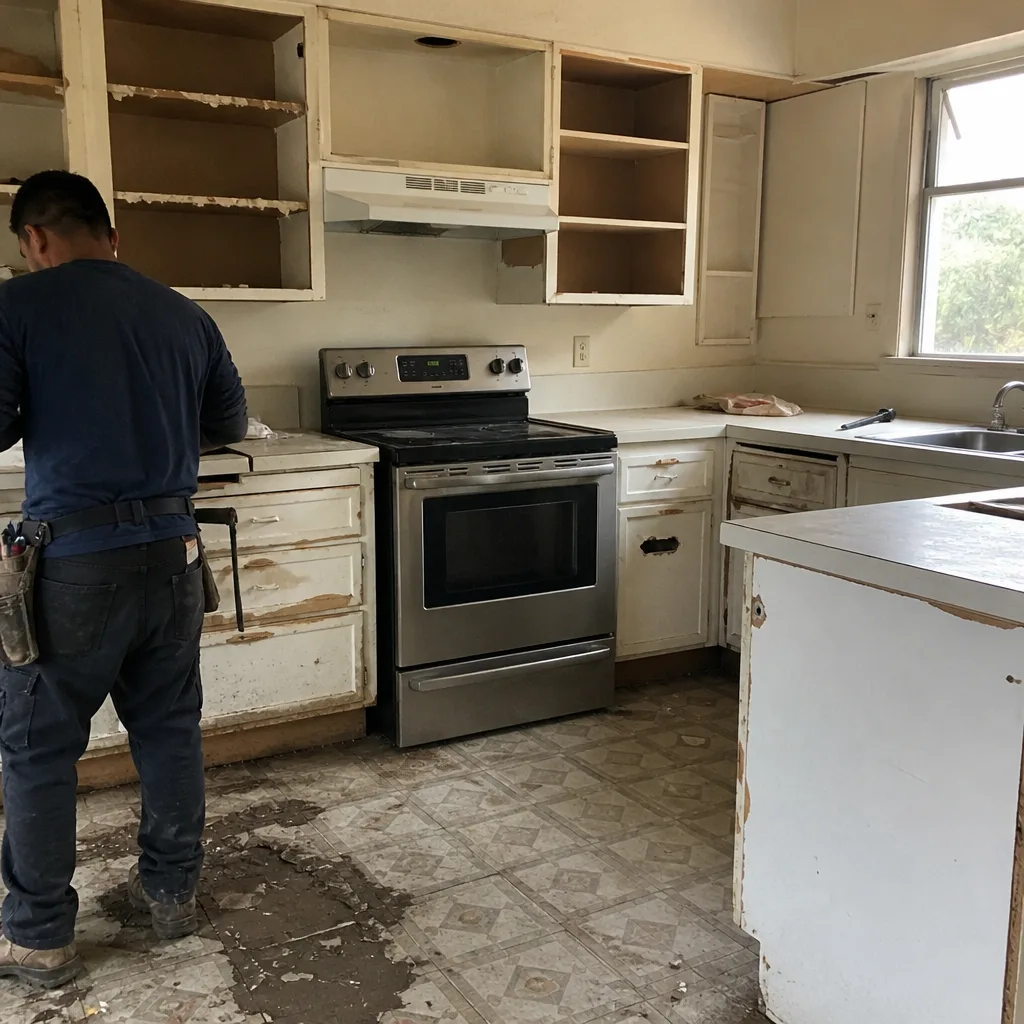
- Non-structural demolition. Pulling old carpet, taking down drywall that isn’t part of a structural wall, removing a dated vanity, or chipping out old tile with a rented hammer – all safe. Never open a wall before you know whether it’s load-bearing.
- Finish trim and moulding. Baseboards, window casings, and crown moulding can be installed by a careful homeowner, though the corners take practice. No permit needed.
- Fixtures that don’t touch a line. Swapping a light fixture that already has power, replacing cabinet pulls, or setting a freestanding vanity in place after the plumber has made the connections are all fine.
- Landscaping and cleanup. Moving dirt, planting, hauling debris – no license needed, and it makes the job site safer for the licensed trades.
The line is clear: cosmetic surface changes are yours. If a task is going to require an inspector to sign off on it, it belongs to someone licensed. The materials behind the finishes still matter though – when you hand the cabinet work to us, we install KraftMaid or Wellborn cabinetry and set Cambria quartz counters, and those products carry their own manufacturer warranties alongside ours, so the finish layer is protected from both directions.
How to Scope a Project So You Do the Finishes Yourself
The best real-world answer to the DIY-vs-hire question is: do both. The savings are real, and the legal exposure doesn’t increase if the scope is drawn in the right place. The trick is to split the project cleanly at the line between licensed work and finish work. Here’s how to do it in practice.
- Define what stays in the licensed scope. Structural changes, electrical, plumbing, gas, HVAC, and anything that will be inspected by the city stay with the contractor. Don’t negotiate this line down.
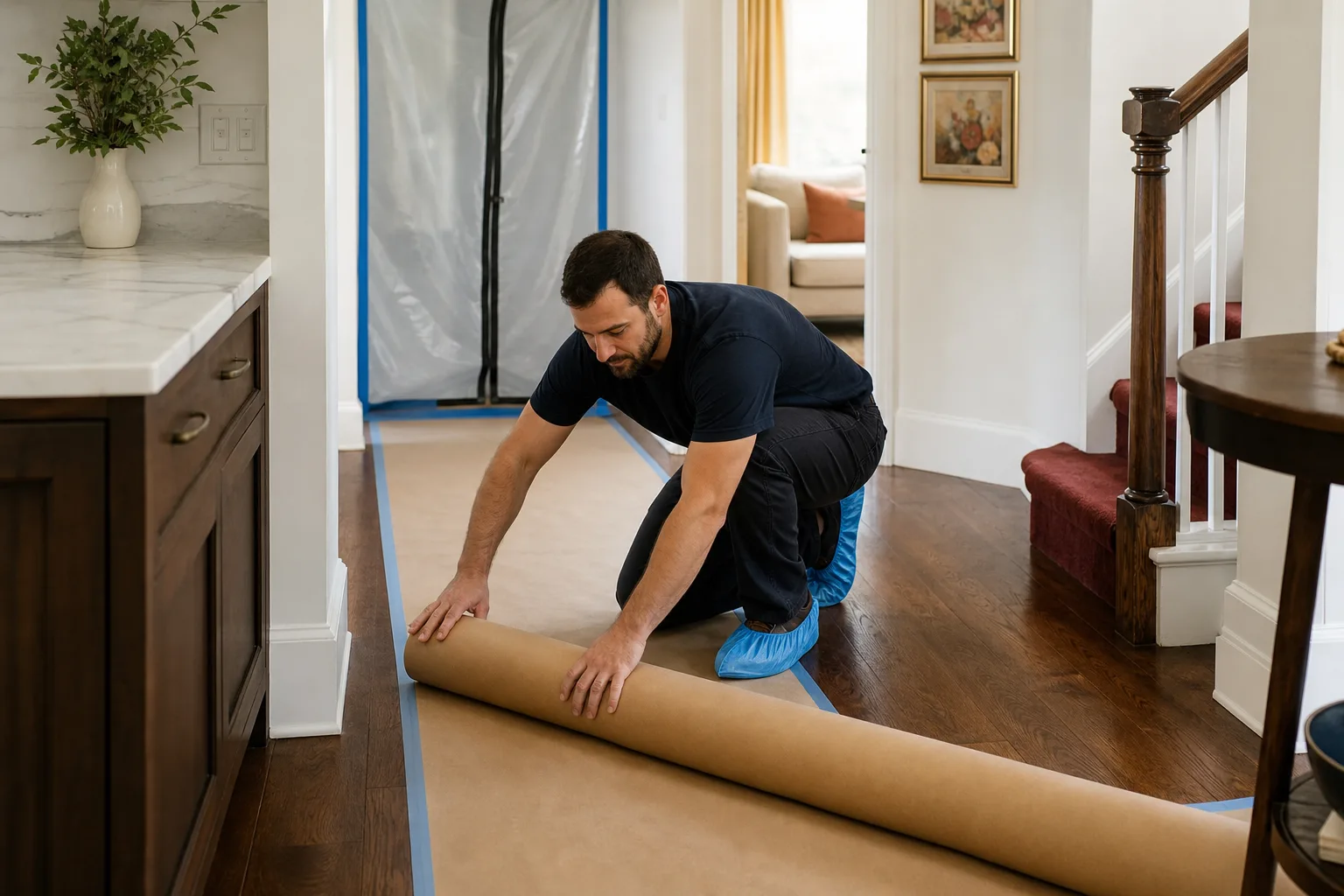
- Carve out a clean finish phase. Painting, trim, hardware, and staging happen after the contractor’s final inspection. Hand off the site with everything roughed in, wired, and inspected, then take it from there.
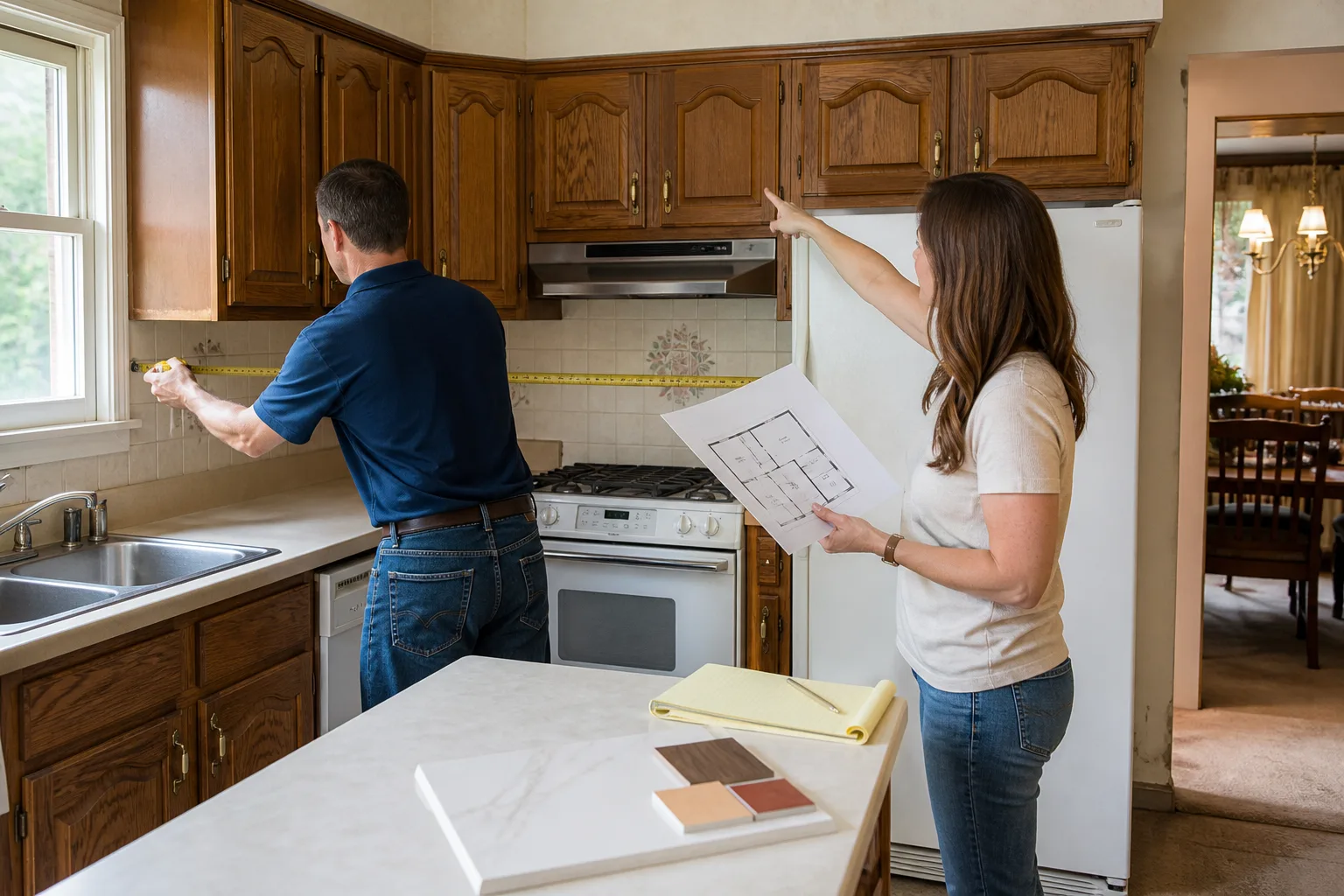
- Get the written price for the whole project anyway. Even if you’re doing part of it, ask for a line-item written quote on the licensed scope. You want a written number before work starts, not a verbal range that moves after demo day.
- Agree on the handoff sequence in writing. Who pulls the permit, who schedules the inspections, who owns the site during the transition phase, and what happens if a finish decision affects an inspected item. Fix it in writing to avoid a fight later.
- Time the DIY work around the weather. Sunnyvale’s mild, dry summers (and the wet winters around January and February) mean paint and exterior finish work belong in the dry months. Interior finishes can go year-round.
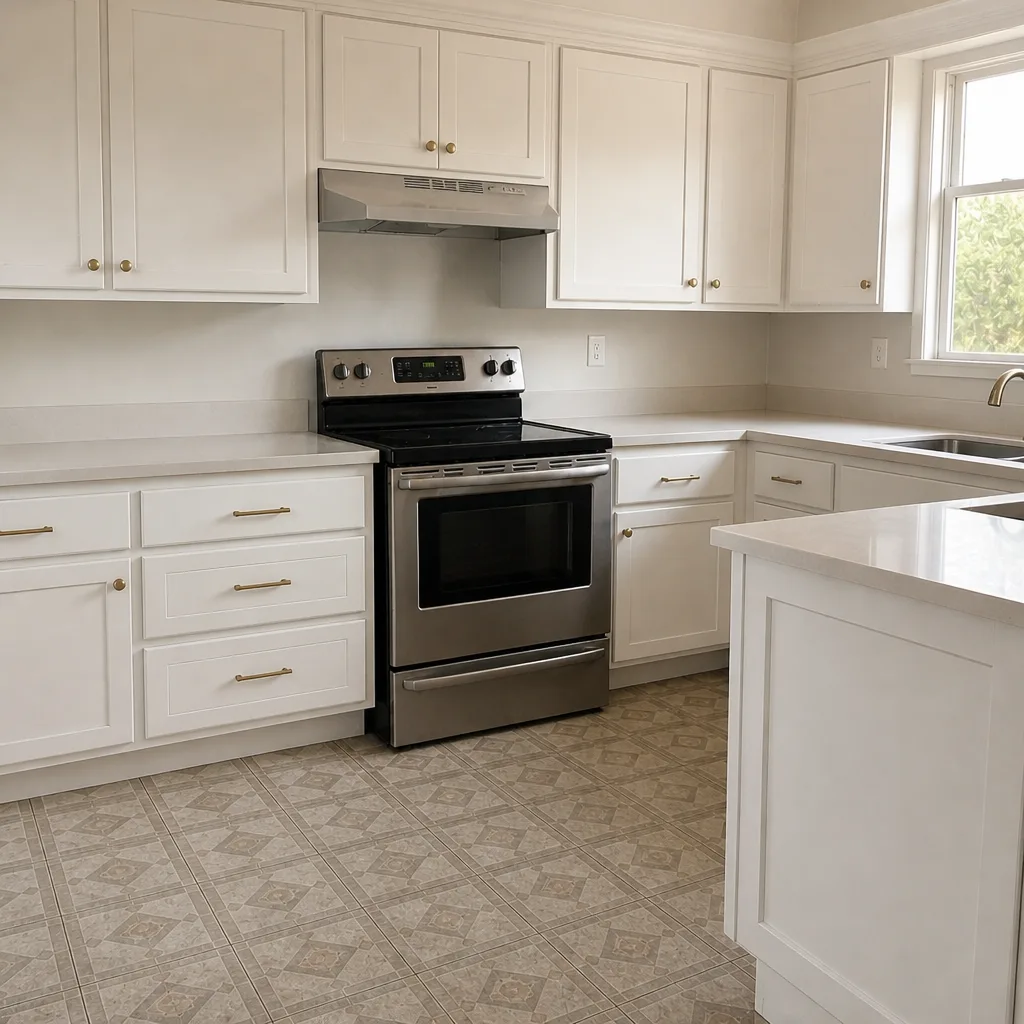
This split approach is what most of our customers actually want. A Kitchen Remodeling in Sunnyvale project typically runs $18,000 to $55,000 depending on layout, cabinet line, and countertop material – and if the homeowner paints and hangs hardware, that saves a chunk of labor without touching a permit or a single wire. We put the number in writing before work starts, walk the line-item through with you, and hand the site back clean so you can take over the finish phase with confidence. Every bit of the licensed work carries the 365-Day Done Right Promise, so a failed repair inside the first year gets fixed at no charge.
Why This Matters in Sunnyvale Specifically
Sunnyvale’s housing stock is a mix of 1950s and 1960s ranch homes alongside newer construction, and the older homes are where the permit question gets interesting. Many of these homes have had unpermitted additions, converted garages, or bathroom overhauls done in decades past. When a homeowner buys one of those houses and then remodels, the first thing a contractor has to do is untangle what’s legal from what isn’t – because the permit record is public, and a buyer’s inspector will look at it.
The climate adds a practical wrinkle. Sunnyvale gets real winter rain, and we regularly see bathroom failures that start at the shower pan or the tile substrate – usually because a DIY install skipped the cement board substrate (the moisture-resistant layer behind the tile) or the waterproofing membrane entirely. Once water gets behind the tile, the damage spreads into the framing. That’s a licensed-scope problem from the start, and it’s the kind of thing that shows up as a $15,000 remediation during escrow. The same applies to sewer and drain work in the older neighborhoods where cast iron and galvanized lines are still in the ground – they need a licensed plumber, not a weekend project.
Our technicians have up to 22 years of experience working on Bay Area homes, and they’ve seen every version of the DIY-that-went-wrong. When we send someone out, they come background-checked and in uniform, with a written price and a written guarantee in hand. It’s the same standard The Kingswell Way has set since 2004: say the price before the work, show up in the window we gave, and leave the place cleaner than we found it. A real person answers our phone 24/7 – no voicemail maze – so you can ask the “should I do this myself?” question before you buy the paint.
Common Mistakes to Avoid
- Assuming “I own the house” means “I can do the wiring.” Ownership has nothing to do with it. If the work needs a permit, the state expects a licensed contractor for the trade, and an insurer may deny a claim without one.
- Skipping the permit to save the fee. A permit fee in Sunnyvale runs a few hundred to a couple thousand dollars depending on the project. The remediation cost during escrow runs ten to fifty times that. It’s never the cheaper choice.
- Hiring an unlicensed handyman for electrical because he’s “great with wiring.” Great with doesn’t enter into it. If a fire traces back to the work, your policy looks for a license, not a referral.
- Painting cabinets without proper prep. Sanding and cleaning before a cabinet-grade paint is what makes a paint job last. Skip it and it peels in two years, especially in a Sunnyvale kitchen with morning humidity from the coast.
- Removing a wall before confirming it’s non-load-bearing. A wall that looks like partition can be structural. Get a structural assessment before you swing a sledgehammer.
- Doing the plumbing for a bathroom addition. Moving a drain or adding a supply line means opening the floor and passing inspection. A DIY mistake here is the most common cause of the insurance denials we hear about.
- Handing off finish work without a written sequence. If the contractor’s inspection hasn’t passed before you start painting, you’ll be repainting after they come back to fix something. Sequence the phases in writing.
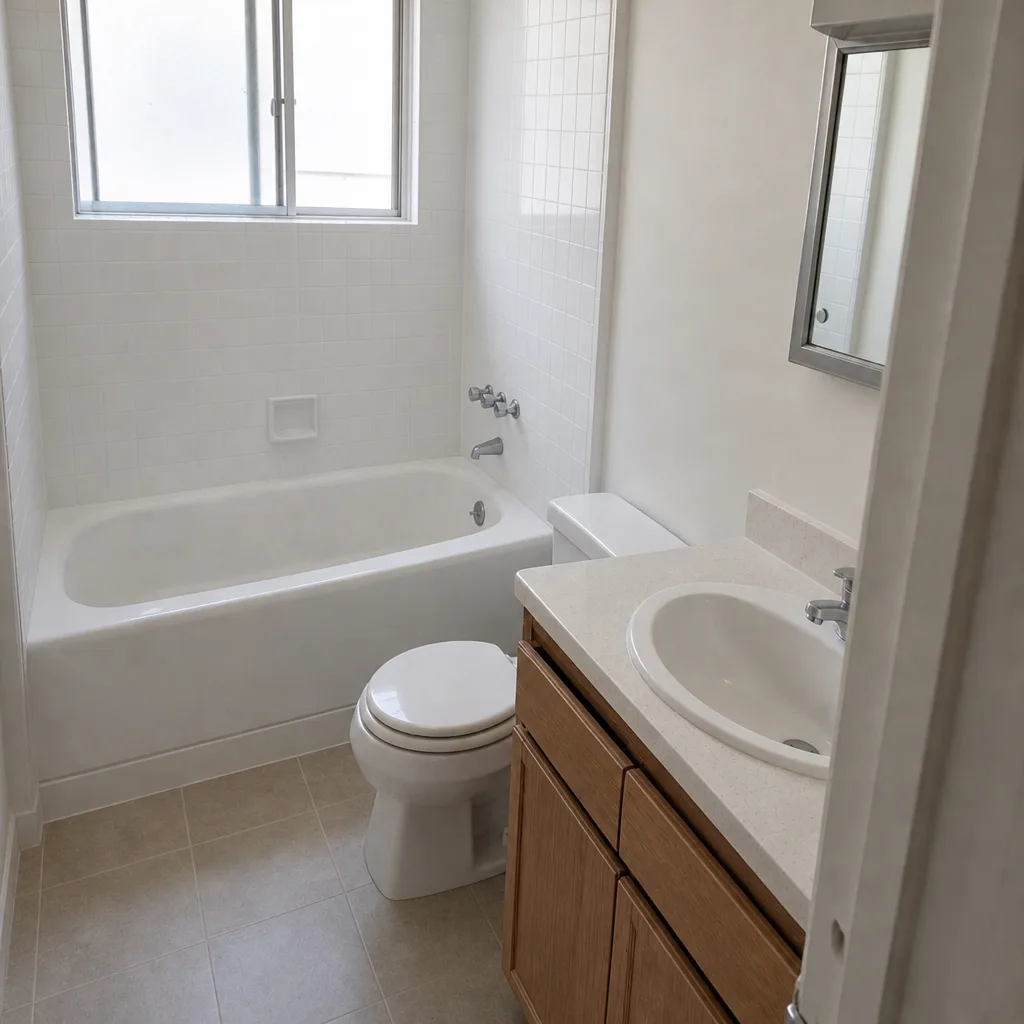
See the difference
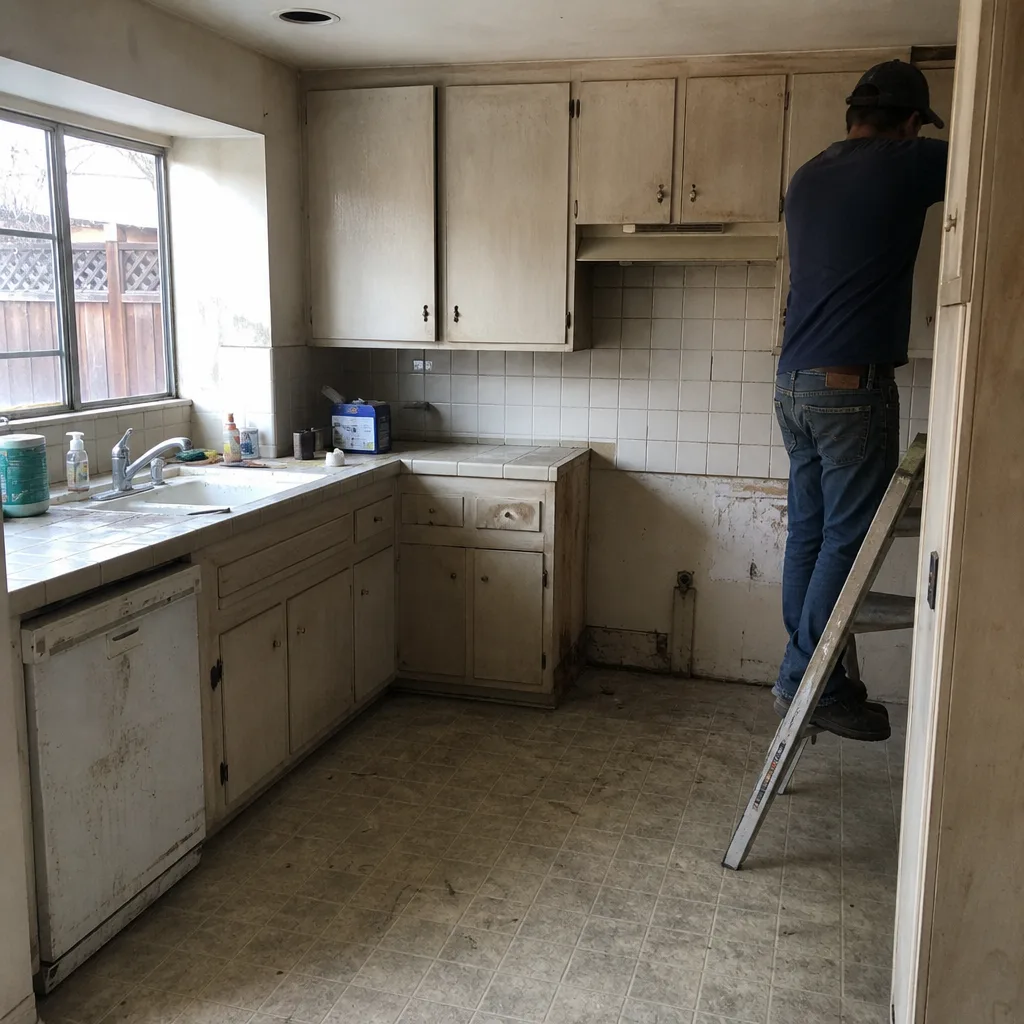 Before
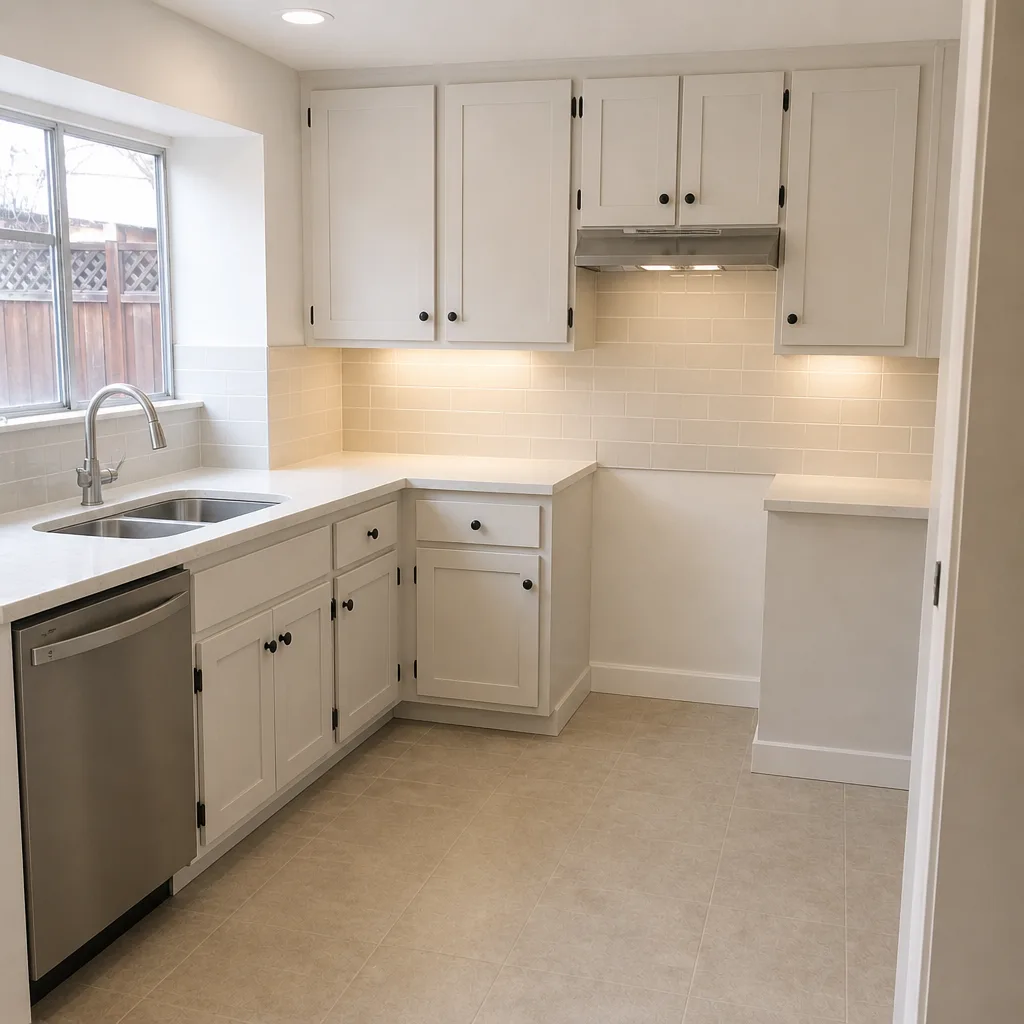 After
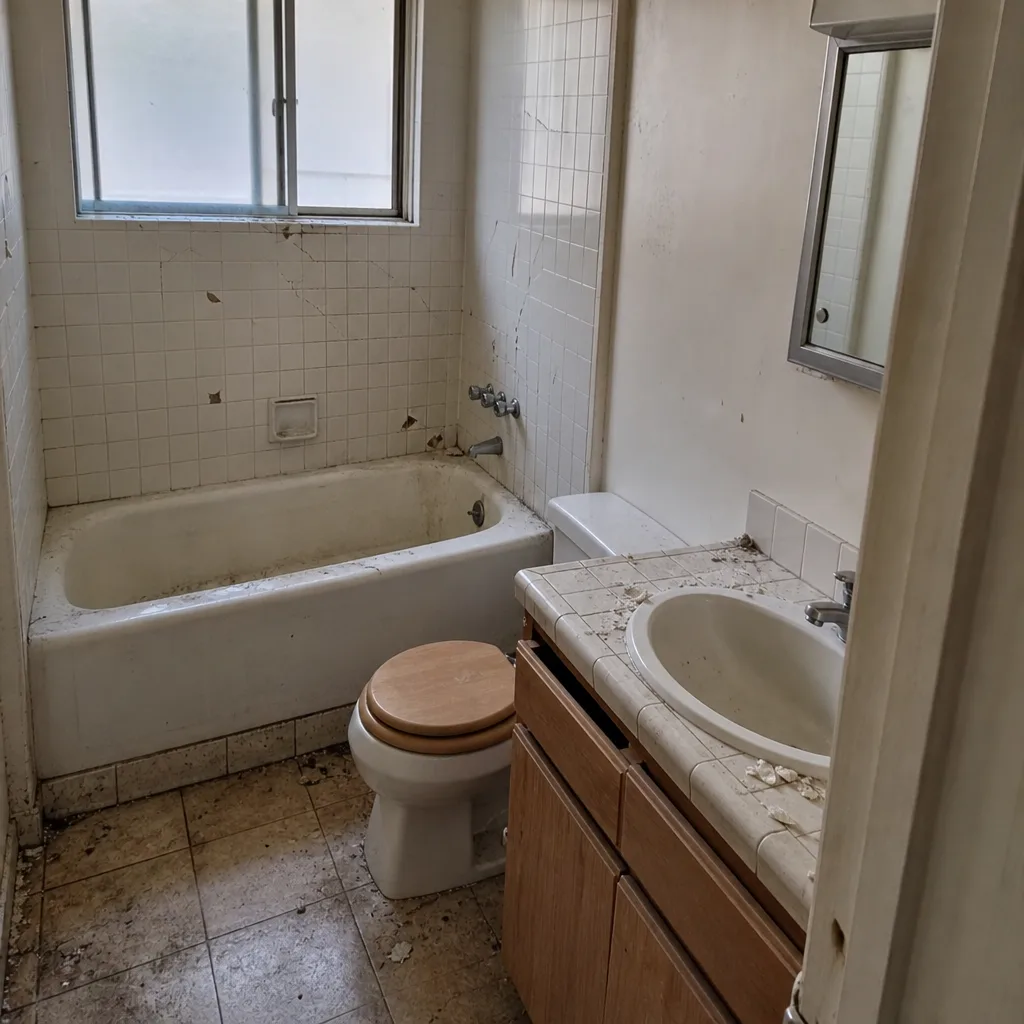 Before
 After
 Before
 After
When to Call a Professional
Call a professional when the task touches anything the state regulates: electrical wiring or panel work, plumbing supply or drain lines, gas, structural framing, HVAC, or any job that requires a building permit from the City of Sunnyvale. Call a professional when you’re not sure whether a wall is load-bearing. Call when the project involves a bathroom or kitchen where waterproofing and code will be inspected. And call when the work changes the home’s footprint or the number of bedrooms or baths, because that’s a resale disclosure you’ll want clean. Penhallow Remodeling Sunnyvale offers free estimates in Sunnyvale – call (888) 426-8719 and we’ll walk the scope with you, in writing, before any work starts.
Frequently Asked Questions

You can safely DIY painting, finish hardware, non-structural demolition, trim, and moving landscaping or debris. You should hire a licensed contractor for electrical, plumbing, gas, structural, HVAC, and anything that requires a building permit. If the work will be inspected, it’s contractor work.
Yes, a homeowner can pull a permit as an owner-builder for work on a home they live in, but that doesn’t exempt the specialty trades. Electrical, plumbing, and gas work still needs to be done by a licensed contractor holding the correct state license, and the work still has to pass inspection.
Yes. California’s disclosure rules require you to tell a buyer about unpermitted work, and a buyer’s inspector will find it during escrow. You’ll likely be asked to remediate before closing or renegotiate the price down by the cost to fix it, and homes with clean permit records tend to sell faster and for more.
Yes. If a fire or water loss traces back to unpermitted or non-code DIY electrical or plumbing work, the insurer can deny or reduce the claim, even years after the work was done. The policy looks for the permit and inspection record, not the skill level of the person who did the work.
Often, yes, as long as the split happens at the licensed line. Hand the contractor the structural, electrical, plumbing, and permit work, then take over painting, hardware, and trim after the final inspection. Sunnyvale kitchen remodels typically run $18,000 to $55,000 depending on layout, cabinets, and countertops, and the finish phase is where a homeowner can save the most without increasing legal exposure. Call (888) 426-8719 for a free estimate on the licensed scope.
Not if the existing plumbing connections stay where they are and you’re only swapping the cabinet. Once you move a supply line, add a drain, or change the layout, that’s licensed plumbing work, and it needs a permit and a licensed plumber.
The Bottom Line
The DIY-vs-hire line in Sunnyvale isn’t about confidence. It’s about permits, insurance, and the paper trail a future buyer will read. Painting, trim, hardware, and non-structural demo are yours to keep. Electrical, plumbing, gas, structural, and anything the city inspects belong to a licensed contractor, because the consequence of a mistake there runs into the tens of thousands and can void your insurance. Split the job at that line and you save money without taking on legal risk. Write down what’s in each phase, get the licensed scope priced in writing, and hold the number on day one to the number on the invoice.
Get Your Written Price Before Any Work Starts
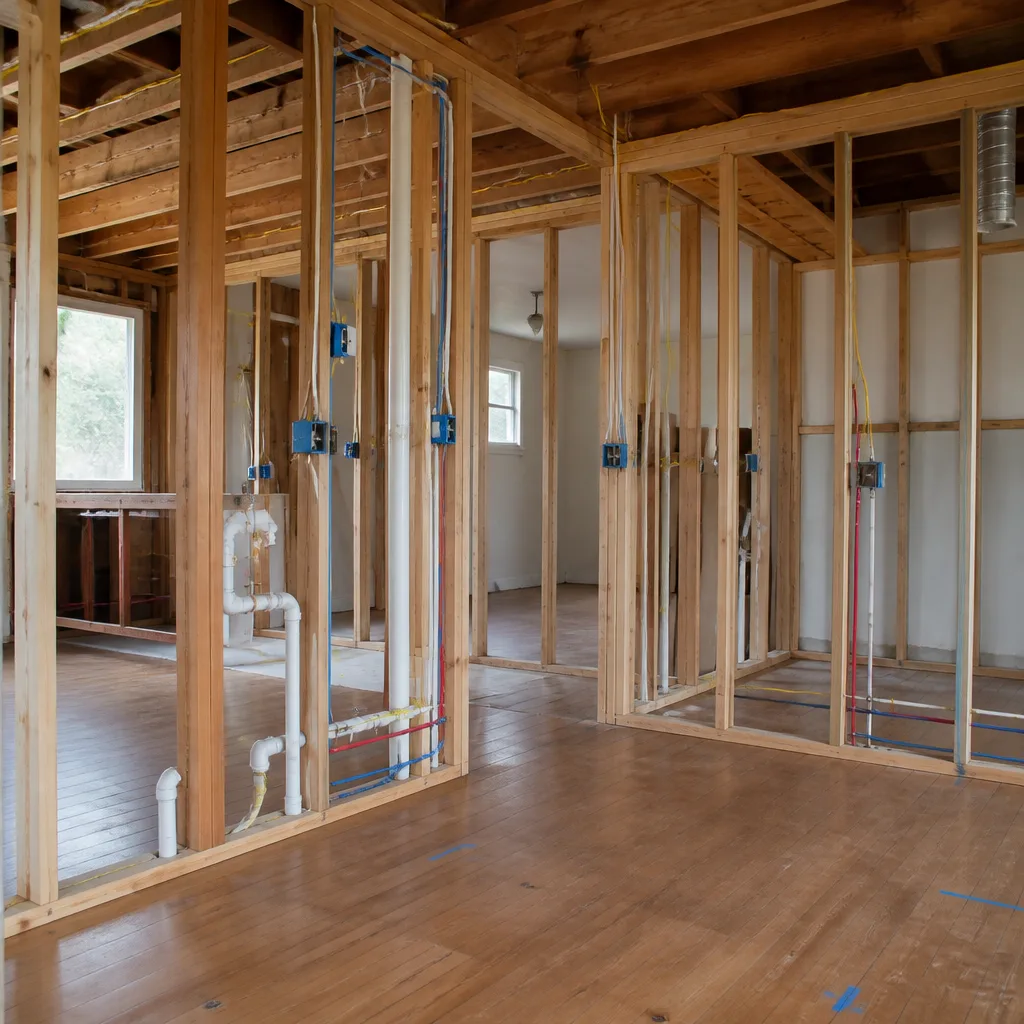
If you’re planning a kitchen, bath, or whole-home remodel in Sunnyvale and you’re not sure which parts are safe to do yourself, the fastest way to find out is a free estimate. We’ll walk the scope, draw the licensed line clearly, and give you a written, no-change-order price before a single cabinet is pulled. Call Penhallow Remodeling Sunnyvale at (888) 426-8719 to schedule your free estimate. A real person answers, and every project is covered by our 365-Day Done Right Promise and written guarantee – if the work fails inside the first year, we come back and fix it at no charge.
Written by the team at Penhallow Remodeling Sunnyvale.