Last updated November 17, 2026



Free written scope consultation - allowances, timeline, and change-order rules on paper before a single trade is scheduled
How Long Does General Contractor Take? Timelines and What to Expect
A typical kitchen remodel is six to eight weeks of actual labor. But from the day you sign a contract in Sunnyvale to the day the city signs off on final inspection, you’re usually looking at four to five months. That gap surprises nearly every homeowner we meet, and it’s where most project frustration starts. The work itself rarely runs late. The calendar around the work is what runs long. This guide breaks a generalization to be more specific: what happens in each phase of a Sunnyvale remodel, how long it really takes, and which delays a written schedule should account for but most quietly leave out.
Quick Answer
A general contractor’s remodel timeline depends on scope, but for Sunnyvale homeowners it usually means 3 – 4 months for a bathroom and 4 – 5 months for a kitchen, counted from contract signing, not from the first day of demo. The labor is only about half of that. Permit review, material lead times, and inspection hold days make up the rest, and a realistic schedule is written to include them.
Styles & brands we work with
- Kitchen remodeling
- Bathroom remodeling
- Home additions & ADU
- Roofing
- Windows & doors
- Driveway & pavers
- Fence
Table of Contents
- What the Real Calendar Looks Like
- Permit Review: Why It Sets Your Start Date
- Phase-by-Phase Breakdown With Day Counts
- Material Lead Times: The Bigger Variable
- How to Read a Schedule Before You Sign
- The Inspection Hold Days Nobody Mentions
- Why a Written Arrival Window Changes Everything
- Sunnyvale Weather and What It Does to Your Timeline
What the Real Calendar Looks Like
When a homeowner asks how long a remodel takes, they’re usually picturing the part they can see: demolition, the noise, the tile going in. That’s the labor, and it’s genuinely the shortest stretch. The real calendar starts the day you sign, and the clock spends more time in waiting rooms than in your house.
Here’s the honest shape of it for a Sunnyvale kitchen:
- Contract signing to permit application filed: 1 – 2 weeks (drawings finalized, documents assembled)
- Permit review: 2 – 6 weeks depending on project type (more below)
- Material ordering and delivery: runs alongside permit review if you order early, 4 – 10 weeks if you don’t
- Demo and rough-in: 2 – 3 weeks
- Inspection hold days: 3 – 10 business days total, scattered through the job
- Finish work and final inspection: 3 – 4 weeks
Add it up and you land near four months for a straightforward kitchen, longer if you’re changing the footprint or the layout triggers structural review. A bathroom moves faster because the scope is smaller, but the same waiting rooms apply: Sunnyvale permit review and inspection scheduling don’t shrink just because your job is smaller.
What surprises most people is that the labor numbers themselves are stable. Framing, rough plumbing, electrical, tile, cabinets, paint: those are known quantities to an experienced crew. Our technicians have up to 22 years of experience, and the actual construction phase rarely drifts more than a few days. The calendar moves because of the systems around the work, not the work.
Permit Review: Why It Sets Your Start Date
In Sunnyvale, your permit is the gate most remodels wait behind. The city generally splits projects into two lanes, and knowing which lane yours falls into tells you how long you wait before demo can start.
Over-the-counter projects are the faster lane. These are typically straightforward replacements that don’t change the structure, layout, or major systems: a like-for-like kitchen refresh with no wall removal, a bathroom remodel keeping the same fixture locations, water heater replacements, re-roofing. Review is often measured in days to a couple of weeks, and you can sometimes walk plans in.
Plan-check projects take the slower lane and get a full review by multiple departments. In Sunnyvale this commonly includes:
- Projects that move or remove walls, especially anything load-bearing
- Kitchen or bathroom remodels that relocate plumbing fixtures or add electrical circuits
- Structural changes, additions, or anything touching the building envelope
- Work that affects energy compliance documentation (Title 24) or fire separation
For these, plan review typically runs several weeks, and it can run longer if the reviewer comes back with corrections. That correction cycle is the quietest schedule-killer in the business. A plan that comes back once for revision adds weeks. Twice, and you’re looking at a different season.
The reason this matters in Sunnyvale specifically is that the city’s housing stock is old enough to complicate almost any remodel. Plenty of homes in the neighborhoods around downtown and the older blocks off Mathilda were built in the mid-20th century and have had layers of work done over the decades, some of it permitted, some of it not. A plan reviewer who spots a discrepancy, or a scope that touches existing non-compliant work, will flag it. That’s not the city being difficult; it’s the reason a contractor who knows how to prepare drawings matters. A clean submittal saves weeks.
This is also why any general contractor conversation in Sunnyvale should include the question of who pulls the permit and how they handle corrections. If your contractor shrugs at that question, the schedule they hand you is wishful. Every project we run pulls the permit and passes the inspection, and the written price accounts for the review timeline before work begins. For a deeper look at how this flows into a full build, see our page on general contractor services in Sunnyvale.
Phase-by-Phase Breakdown With Day Counts
Here’s the sequence a Sunnyvale remodel actually follows, with realistic working-day counts for each phase. These assume the permit is already in hand and the schedule starts at demo.
- Pre-construction (before demo, not counted as working days): final drawings, permit submittal, material selections locked, orders placed. The 2 – 6 week permit window lives here, along with your lead-time orders.
- Demo (2 – 4 days): tear-out of cabinets, counters, flooring, and any tile. This phase often surfaces surprises, like a hidden water-damaged subfloor (the underlayment layer beneath your finished floor) or old wiring. A realistic schedule leaves a small buffer here.
- Rough-in trades (5 – 8 days): framing changes, plumbing relocation, electrical rough-in, and HVAC adjustments. Rough-in means the work that goes inside the walls before they close back up. This is where you want the details right, because it’s the hardest phase to revisit.
- Rough-in inspection (1 – 5 business days of hold time): the city inspects plumbing, electrical, and framing before insulation and drywall. You wait for the inspector’s slot. This is a genuine hold day, and it’s a day most written schedules erase.
- Insulation and drywall (4 – 6 days): sealing the walls, taping, and finishing. Drywall compound needs time to dry between coats, so this isn’t a phase you can rush without cracking later.
- Finish work (10 – 15 days): cabinets, countertops, tile, fixtures, paint, trim. Cabinet install alone can run several days, and countertop templating and fabrication add their own window.
- Final inspection (1 – 5 business days of hold time): the city signs off. This is the last gate, and again it’s a scheduling slot, not an instant stamp.
Add it up: roughly four to six weeks of working days for a kitchen, plus the permit and material windows in front of it. A contractor who quotes you “three weeks, start to finish” is quoting the labor in a vacuum. Our team knows the difference between the work and the calendar, and we write the calendar honestly.
Material Lead Times: The Bigger Variable
Ten years ago, labor availability was the wild card in a remodel schedule. Now it’s material lead times, and they’re less predictable than the crews. A beautifully sequenced plan can still stall waiting on a cabinet box or a special-order fixture. This is why the single most useful scheduling habit is ordering the long-lead items before demo begins, not after.
What tends to run long in a Bay Area remodel:
- Custom or semi-custom cabinetry: can run 4 – 10 weeks from finalized order. Cabinet lines like KraftMaid and Wellborn are reliable once ordered, but the order has to be placed early and accurately.
- Natural stone countertops: slab selection, templating, and fabrication add a few weeks on their own, even when the stone is in stock. Quartz products from Cambria, Silestone, and Caesarstone can be faster if you pick from available slabs.
- Specialty fixtures and finishes: a specific tile pattern, a particular faucet finish from Moen, Delta, or American Standard, or a non-standard sink can each add weeks if not in local stock.
- Windows and doors: these are often the longest lead of all, and they sit on the critical path because they have to be installed before finish work.
Here’s what we tell Sunnyvale homeowners: pick your finishes and order your cabinets, countertops, and any specialty fixtures the week the permit goes in. That way material lead time and permit review overlap instead of stacking. When they stack, that’s how a four-month kitchen becomes six. Our kitchen remodeling in Sunnyvale service is built around this sequencing, because we’ve watched too many good kitchens sit in demo waiting on a cabinet door.
How to Read a Schedule Before You Sign
The schedule you get before you sign is a sales document until proven otherwise. A legitimate schedule shows the waiting; a get-the-signature schedule hides it. The difference is usually visible in about 30 seconds if you know what to look for.
A real project schedule includes:
- A stated permit review window, not “permits will be handled”
- Material order dates noted before demo, with lead-time ranges
- Inspection hold days shown as days, not skipped
- Buffers, even small ones, at the points where surprises are likely (demo, code corrections)
- A total calendar that matches the sum of its parts
A schedule written to get the contract signed usually has three tells. First, the total is suspiciously round and short. Second, there are no hold days between rough-in and drywall, or before final inspection. Third, the permit is listed as a single line item with no duration. Any of those means someone is showing you the labor and not the calendar.
One more check: ask whether the price and the schedule are written and whether the written number is the number you’ll be invoiced. Every project we run gives homeowners a written price before work starts, so the number on day one is the number on the invoice. That matters here because the schedule and the price are the same promise: no surprises. It’s the Penhallow Remodeling Sunnyvale standard, and it’s why our schedules look less polished and more honest than the ones that win bids by being fast.
The Inspection Hold Days Nobody Mentions
Here’s the piece of the calendar that vanishes from most schedules: the days you wait for an inspector. A remodel in Sunnyvale passes at least two inspection checkpoints, and each one is a scheduled appointment, not an instant sign-off.
The rough-in inspection happens before walls close up. The final inspection happens at the end of finish work. Between the request and the inspector’s visit, the job simply waits. That might be two days, it might be a week or more during busy stretches, and it’s not something your contractor controls.
What a contractor can control is sequencing. Good ones schedule an inspection request the moment the rough work is ready, and use the hold time for other parts of the job that don’t depend on the inspector’s sign-off. Bad ones call it in and stand around. Two hold days each at two checkpoints, plus a correction cycle if an inspector flags something, is easily a week or more added to the calendar. If you’re comparing two written schedules and one is a week shorter with no hold days shown, the shorter one is the fantasy.
The same rule, by the way, applies to the trades trade-by-trade. When the plumber finishes, the electrician still has to come back after the inspection, and the drywall crew waits on both. Each handoff has a day or two of lag. A schedule that treats these as zero is the clearest red flag on the page.
Why a Written Arrival Window Changes Everything
Open-ended schedules breed open-ended days. “We’ll be there sometime Tuesday” is the default standard in this trade, and it’s a quiet way of making the homeowner absorb the cost of an unreliable routine. When a contractor commits to a real arrival window, the accountability moves back where it belongs.
In practice, over a four-month Sunnyvale remodel, an arrival window commitment does three things. First, it keeps the trades sequenced instead of letting one late arrival cascade into next week. Second, it gives you a number to hold people to if something slips, which keeps the calendar visible. Third, it makes the daily handoff to you predictable, which matters more than most homeowners expect, because your life is happening around this job.
Every project we run commits to a defined arrival window. A live person answers the phone 24/7 if something changes, not a voicemail. And if something does go wrong with the work itself, the 365-Day Done Right Promise means we come back and fix it at no charge for a full year. A free second visit if a repair fails is written into every job, with no service call fee. The reason we set these commitments in writing isn’t to sound confident. It’s because accountability is what keeps a schedule honest once the contract is signed, and it’s much easier to hold than a verbal promise.
For a closer look at how this plays out on a smaller scope, our bathroom remodeling in Sunnyvale page walks through what a written commitment looks like on a shorter job.
Sunnyvale Weather and What It Does to Your Timeline
Sunnyvale’s climate is genuinely friendly to remodeling, and it’s worth knowing where it helps and where it doesn’t. Mild winters and dry summers mean exterior work, siding, and painting have wide windows of opportunity across the year. You’re unlikely to lose weeks to rain in the way a colder or wetter region would, and that makes scheduling more predictable.
The one caveat is the shoulder months. Late fall and early spring can bring damp mornings, and any wet work (concrete, exterior paint, stucco) needs dry conditions to cure properly. An experienced schedule in Sunnyvale still builds in a small weather allowance for exterior phases, even if it’s only a few days. Indoor remodels are almost entirely weather-insulated here, which is one more reason kitchen and bath projects can run close to their written calendar.
The Bay Area climate has a second, quieter effect: humidity. It’s mild, which is good for curing materials and for indoor air, but it’s also why moisture problems from old plumbing don’t always announce themselves. A bathroom remodel that uncovers a slow leak behind a wall is one of the most common surprises we see, and it’s a reason a schedule with a small demo buffer stays realistic. For a broader sense of how a full-home project unfolds across these seasons, our Sunnyvale home remodeling overview covers the timing question from a whole-house perspective.
Common Mistakes to Avoid
- Counting the calendar from demo instead of from signing. The clock starts when the contract is signed, and the permit review is already running. A schedule that starts at demo hides four to six weeks, and that’s the first surprise.
- Picking finishes after demo begins. Cabinet, countertop, and specialty fixture lead times have to overlap with permit review, not follow it. Order before demo or accept a longer schedule.
- Believing a schedule with no inspection hold days. Every legal remodel passes rough-in and final inspection. If those wait-days aren’t on the page, the page is selling, not scheduling.
- Comparing contractors on total price alone. The cheapest written number often has the largest hidden calendar. Ask what’s included in the price and when each line is delivered.
- Assuming the labor is the risk. On most Sunnyvale jobs the trades run on time. The real risk is material and permit delay, and a schedule written to acknowledge that is the one to trust.
- Skipping the plan-review correction question. Ask your contractor how they handle plan corrections and who pays for the re-review. On Sunnyvale plan-check projects, a single correction cycle can add weeks.
- Accepting a verbal arrival promise. “Sometime Tuesday” is not a schedule, it’s a hope. A written window you can hold someone to is the difference between a project you manage and a project that manages you.
See the difference
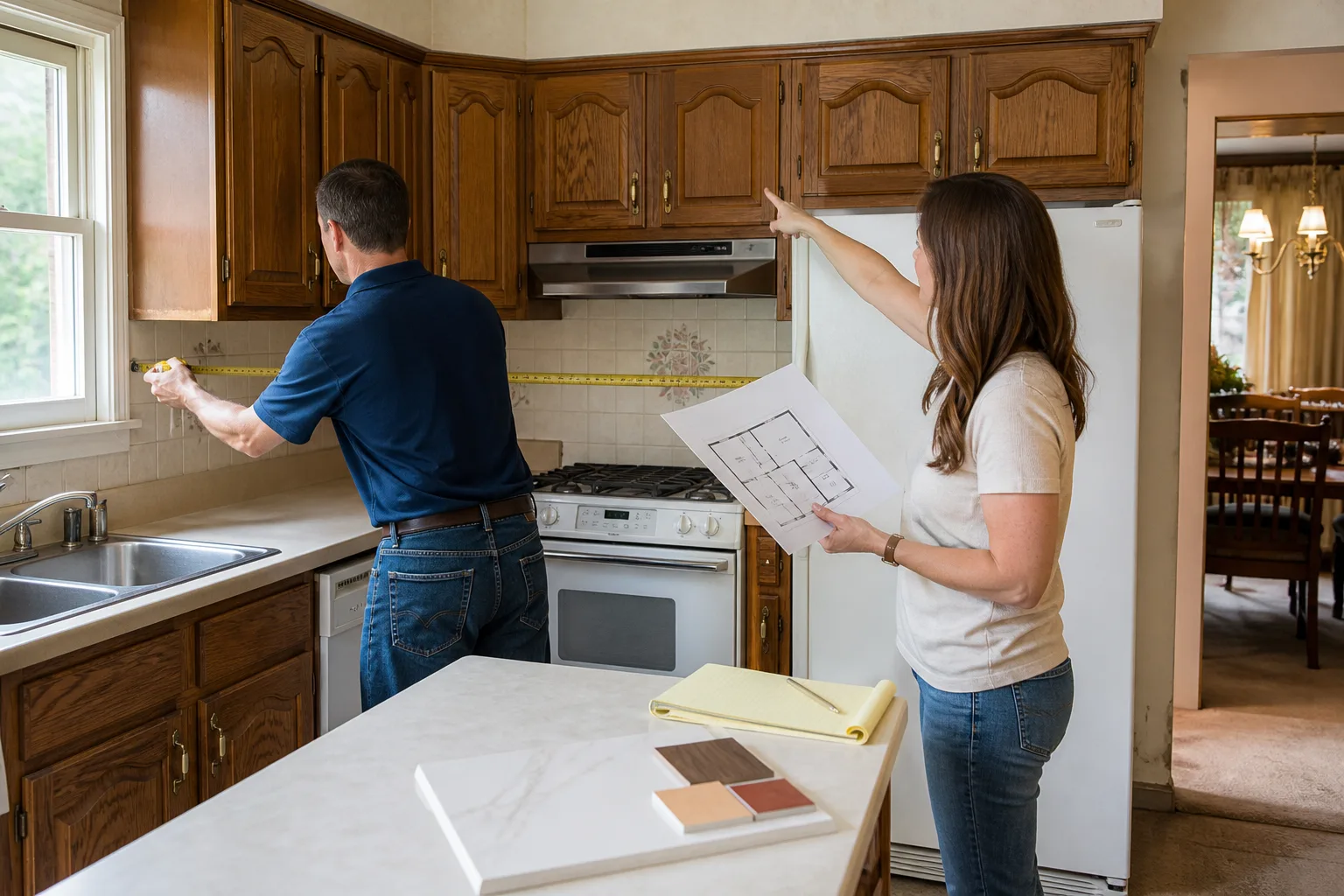
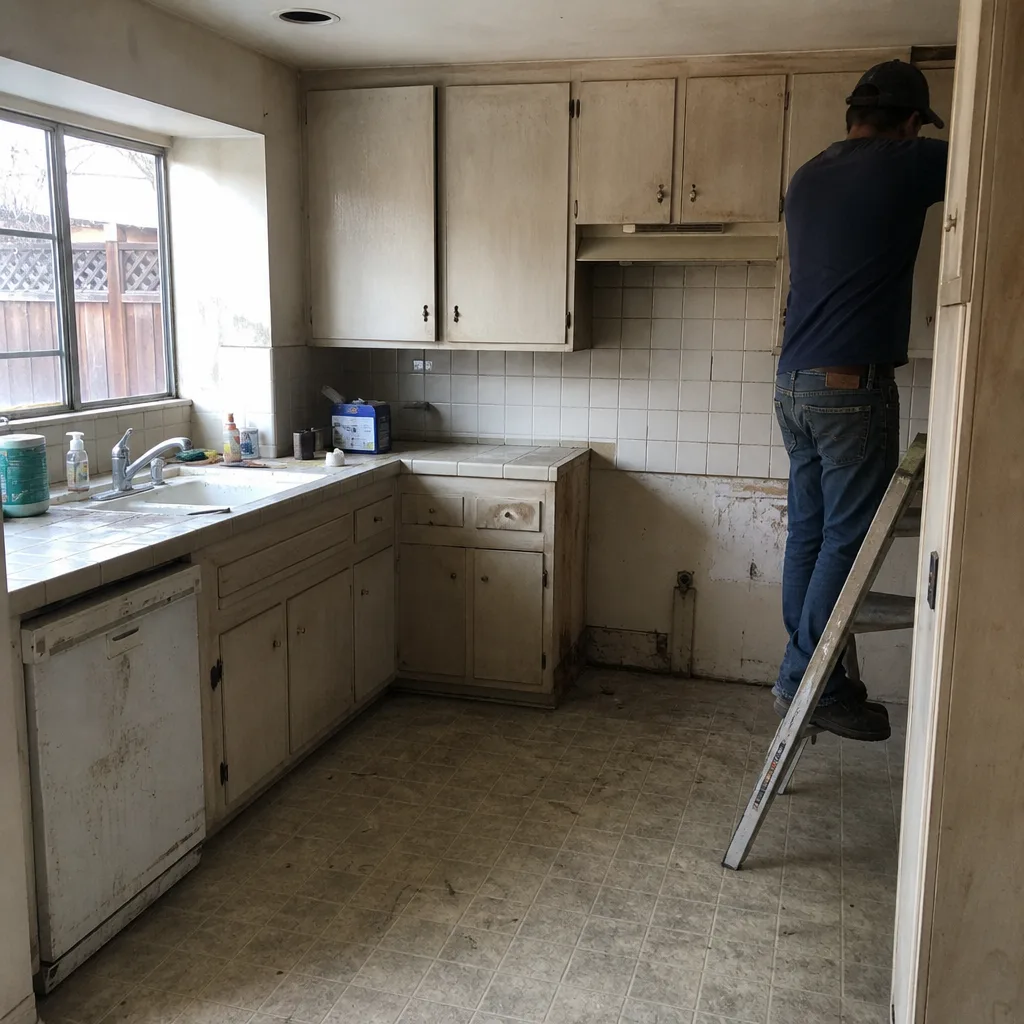 Before
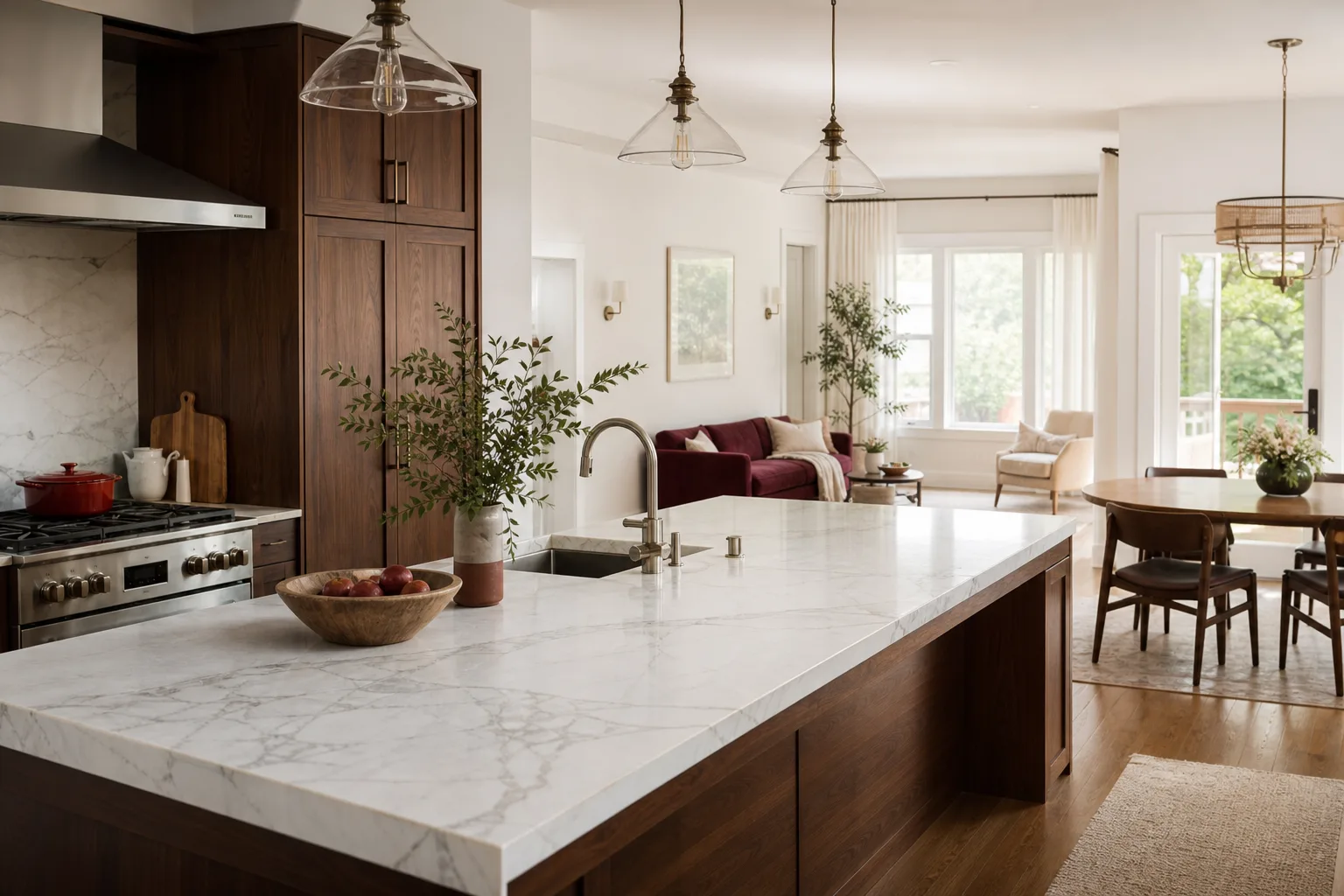
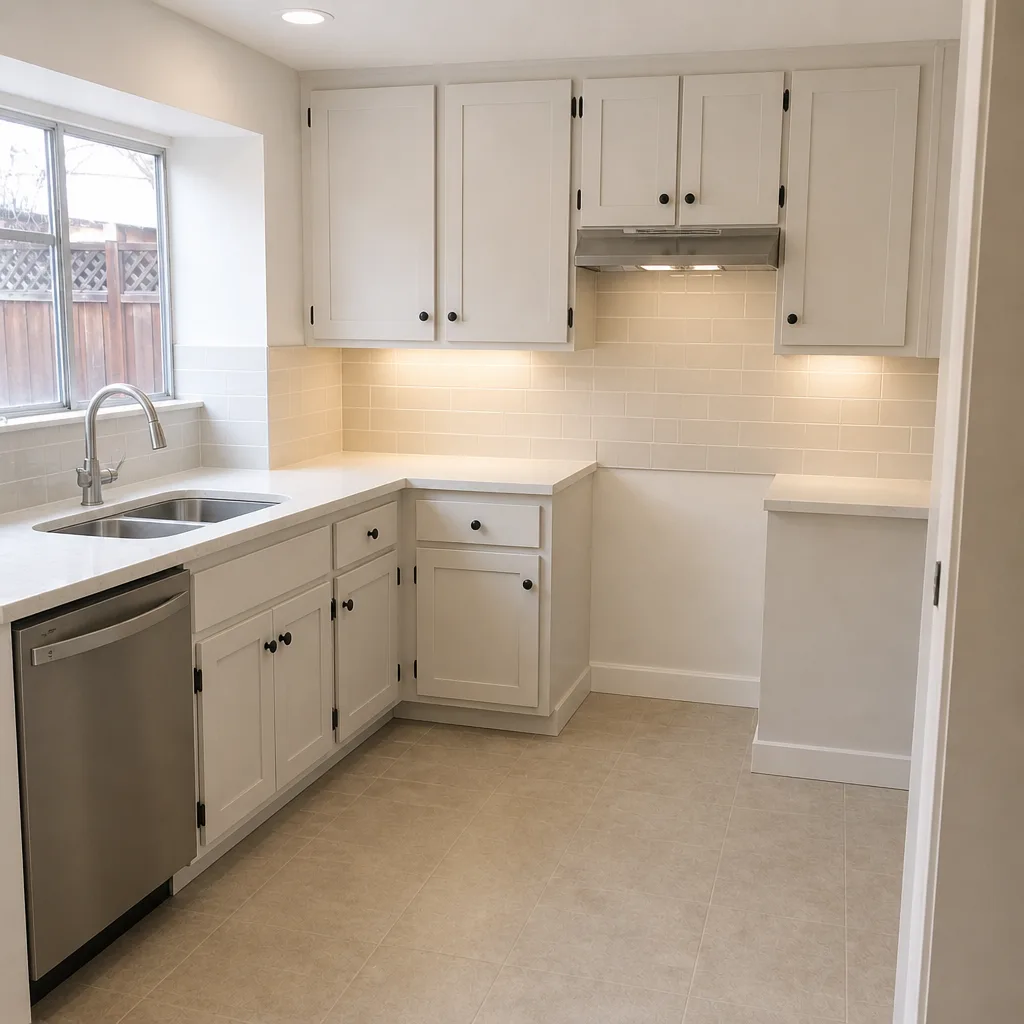 After
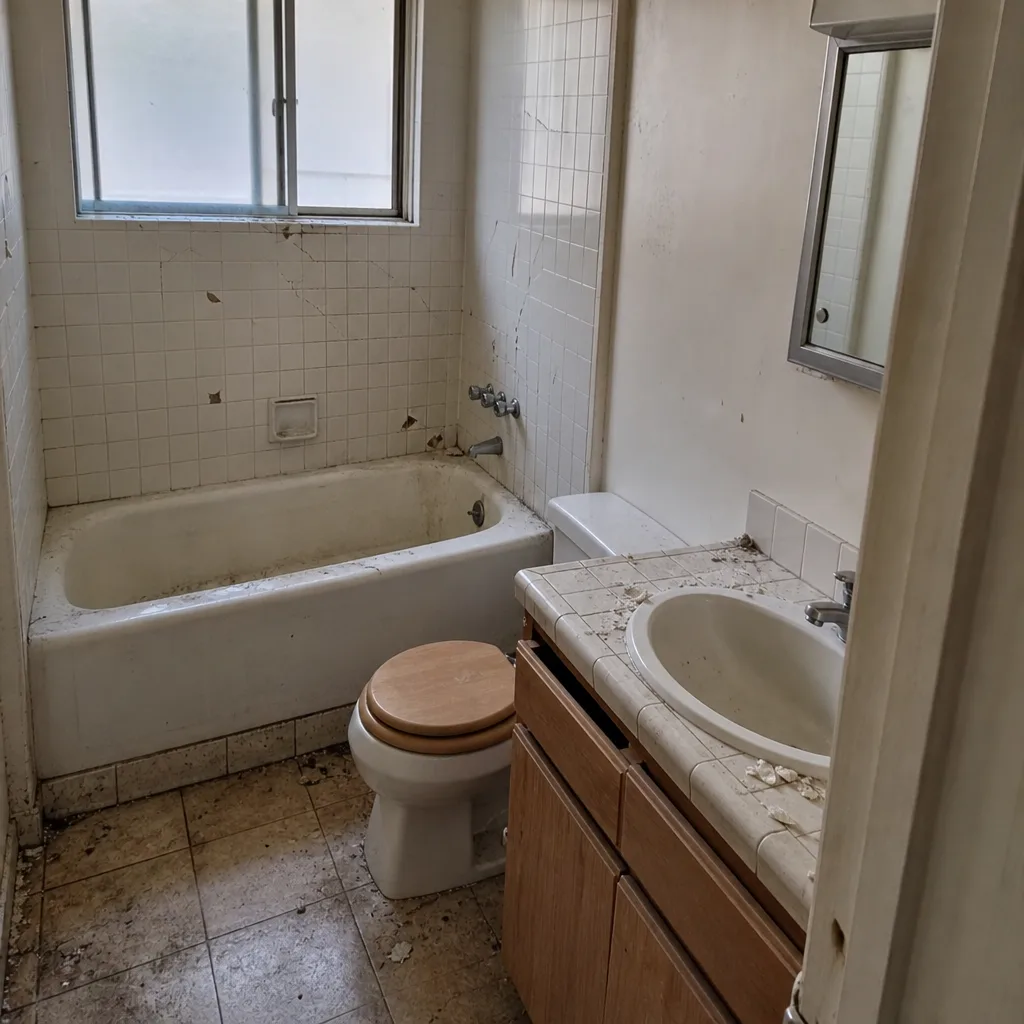 Before
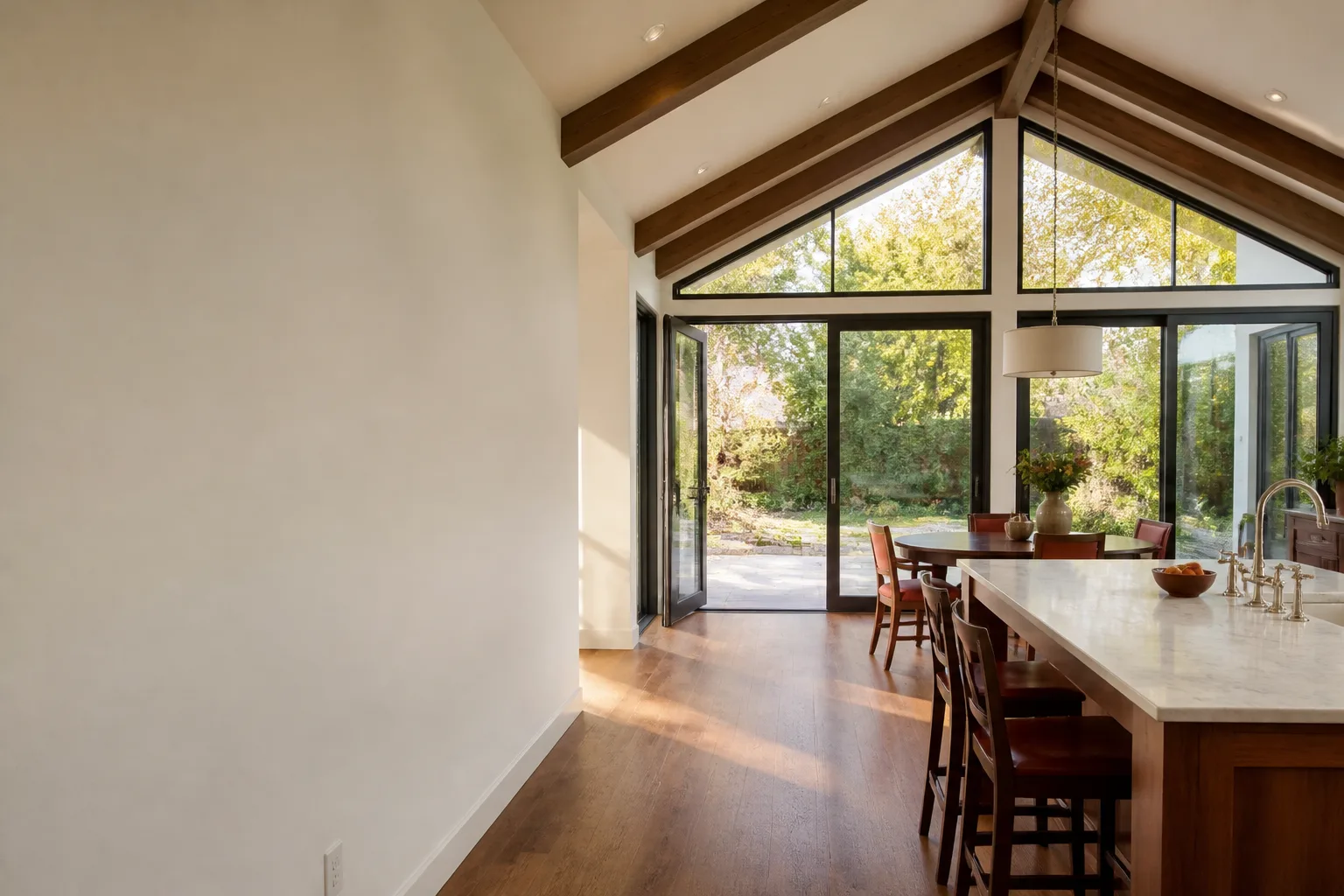
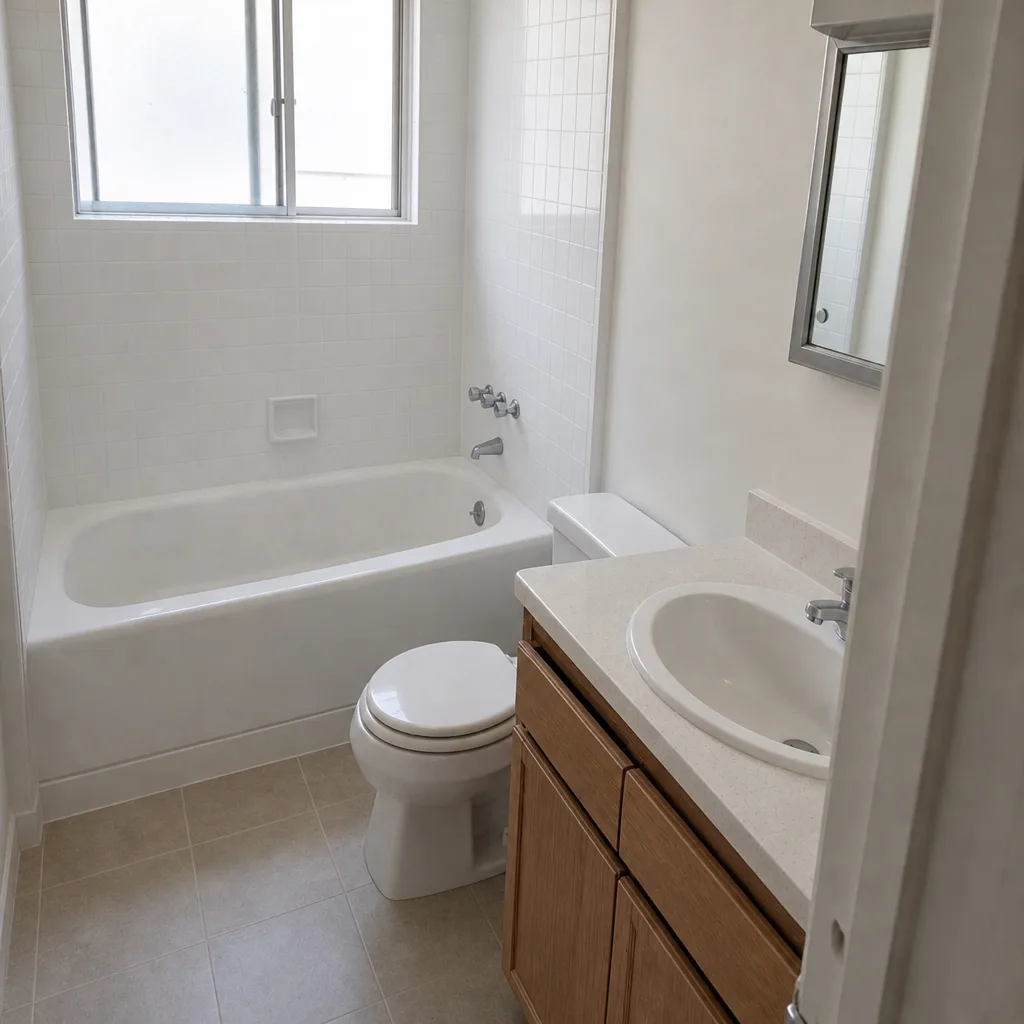 After
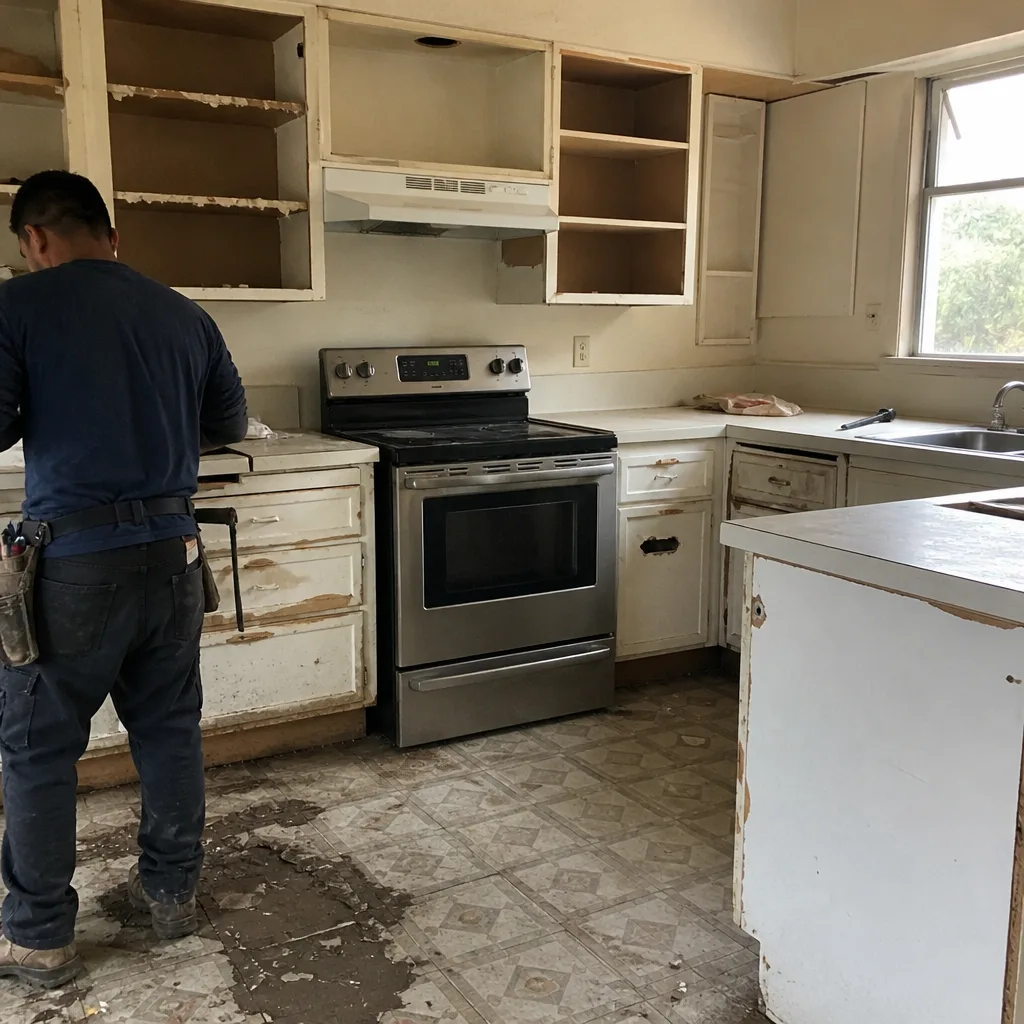 Before
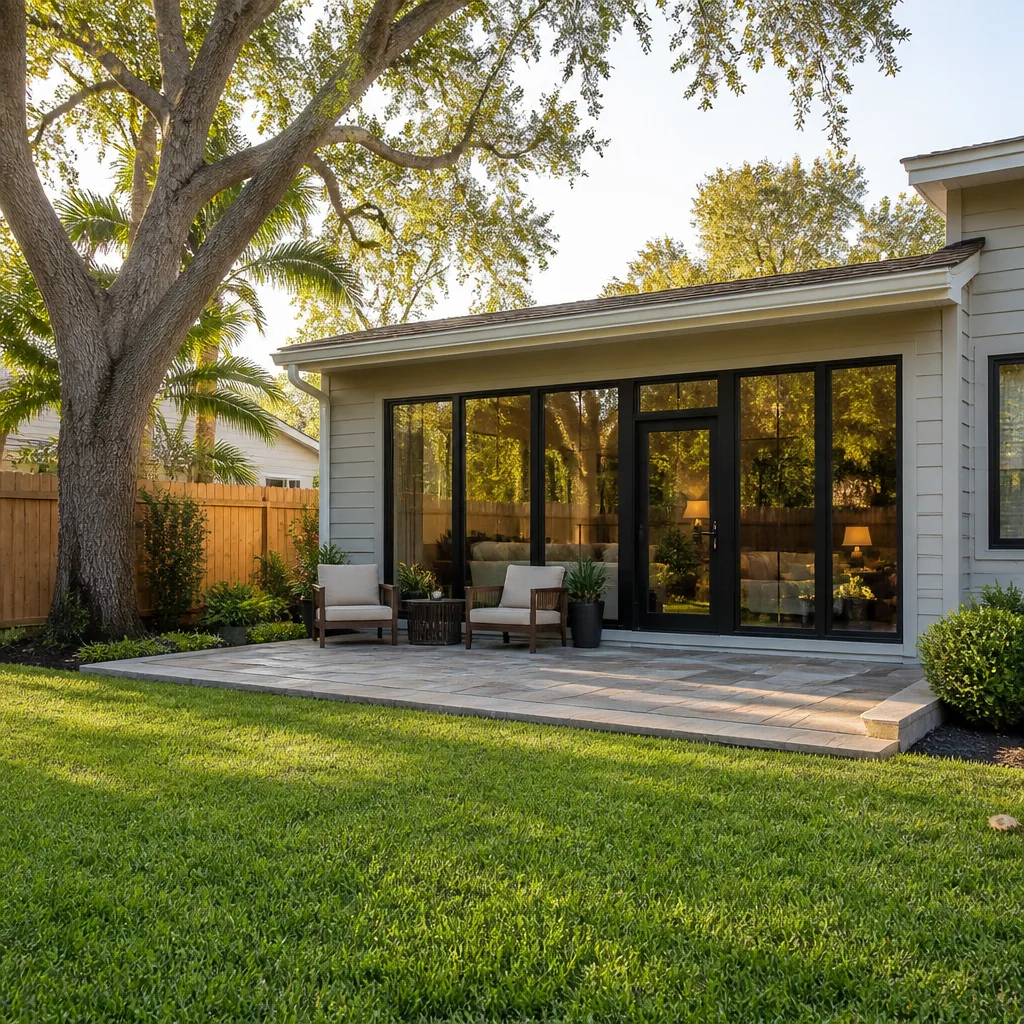
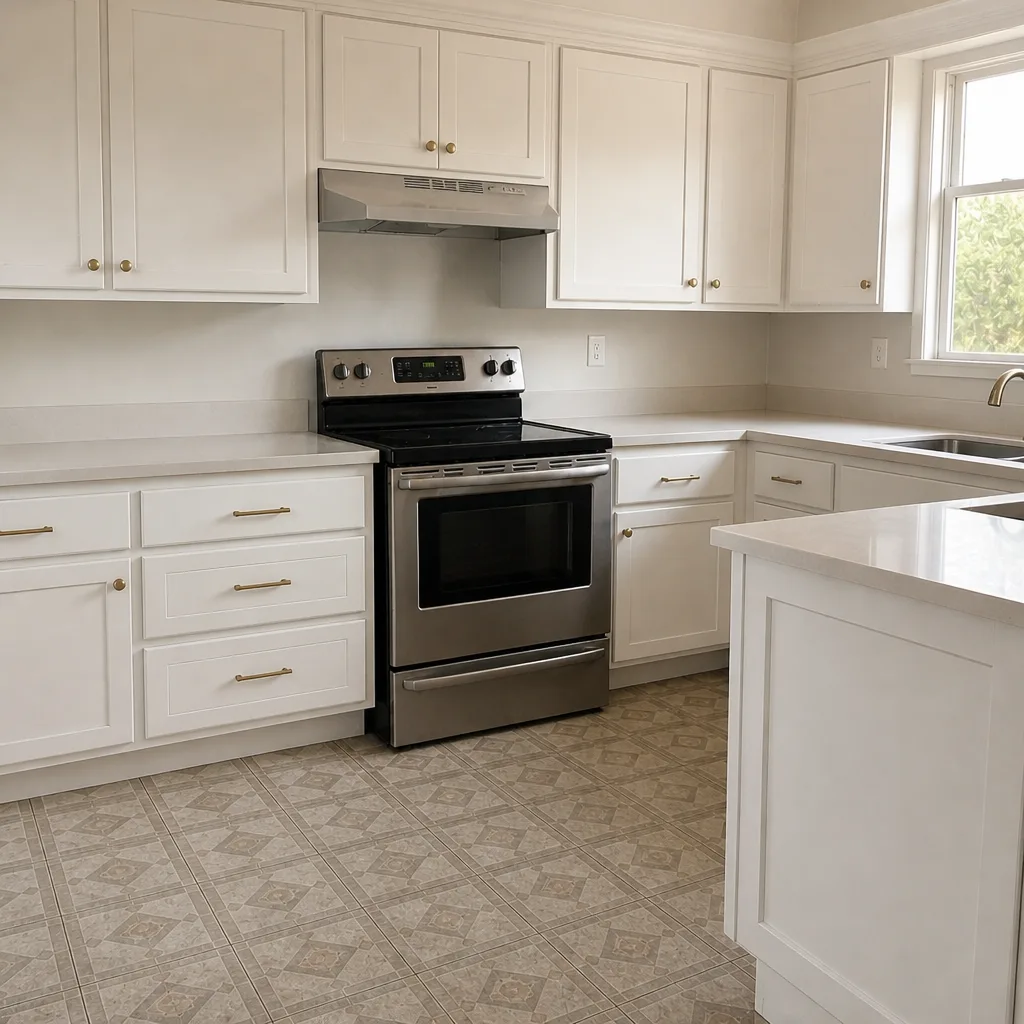 After
When to Call a Professional
Most of this guide assumes a planned remodel. But there are situations where calling a professional is the right move now, not later. If a project requires moving a wall, relocating plumbing, adding electrical circuits, or pulling a permit, a licensed general contractor needs to be involved, because getting these wrong can be dangerous and expensive. If your schedule has already slipped, or a contractor has gone quiet on you after signing, that’s a reason to get a second written opinion before more time passes. And if you’re simply deciding whether a kitchen or bath is worth doing this year, a real cost-and-timeline conversation removes the guesswork.
Our team at Penhallow Remodeling Sunnyvale offers free estimates in Sunnyvale. Call (888) 426-8719 and we’ll give you a written price and a written schedule you can actually hold us to, so the number on day one is the number on the invoice.
Frequently Asked Questions
A Sunnyvale kitchen remodel typically takes four to five months from contract signing to final inspection, with six to eight weeks of that being actual construction. The rest is permit review, material lead time, and inspection hold days. Call (888) 426-8719 for a written schedule against your actual scope.
Yes for most bathroom remodels that relocate plumbing fixtures, add electrical circuits, or change the layout, and those usually go through plan review rather than the faster over-the-counter lane. A like-for-like refresh with fixtures in the same spots may qualify for the quicker path. Call (888) 426-8719 and we’ll tell you which lane your project falls into before you commit.
Material lead times and permit review, not labor. On most jobs the trades move on schedule while the calendar stretches around them waiting on a cabinet order, a countertop slab, or a plan correction. Ordering long-lead items before demo begins is the single most effective way to keep a schedule honest.
Over-the-counter projects often clear in days to a couple of weeks. Plan-check projects that touch structure, layout, or major systems usually run several weeks, longer if the plans come back for corrections. It’s the number most schedules hide, and it’s why we show it up front.
No, not for permitted work. Starting demo before the permit is issued exposes you to stop-work orders, fines, and problems when you sell, and it can force you to undo work you’ve already paid for. Every project we run pulls the permit and passes the inspection before we get to final sign-off.
Kitchen remodels typically run $18,000 – $55,000 depending on layout, cabinet line, and countertop material, and bathroom remodels generally sit in a lower range scaled to size. What drives the number is cabinet line, stone selection, fixture finish, and whether the layout changes. Call (888) 426-8719 for a written, line-item price before any work begins.
The Bottom Line
A Sunnyvale remodel takes four to five months for a kitchen and three to four for a bathroom, counted from signing, not demo. The labor is real but short. The calendar is driven by permit review, material lead times, and the inspection hold days that most written schedules quietly leave out. Read your schedule for what it shows, not just its total, and make sure it shows the waiting rooms. If the number and the calendar are written down before work starts, the rest of the project has a much better chance of matching the page.
Written by the team at Penhallow Remodeling Sunnyvale.