Last updated November 17, 2026







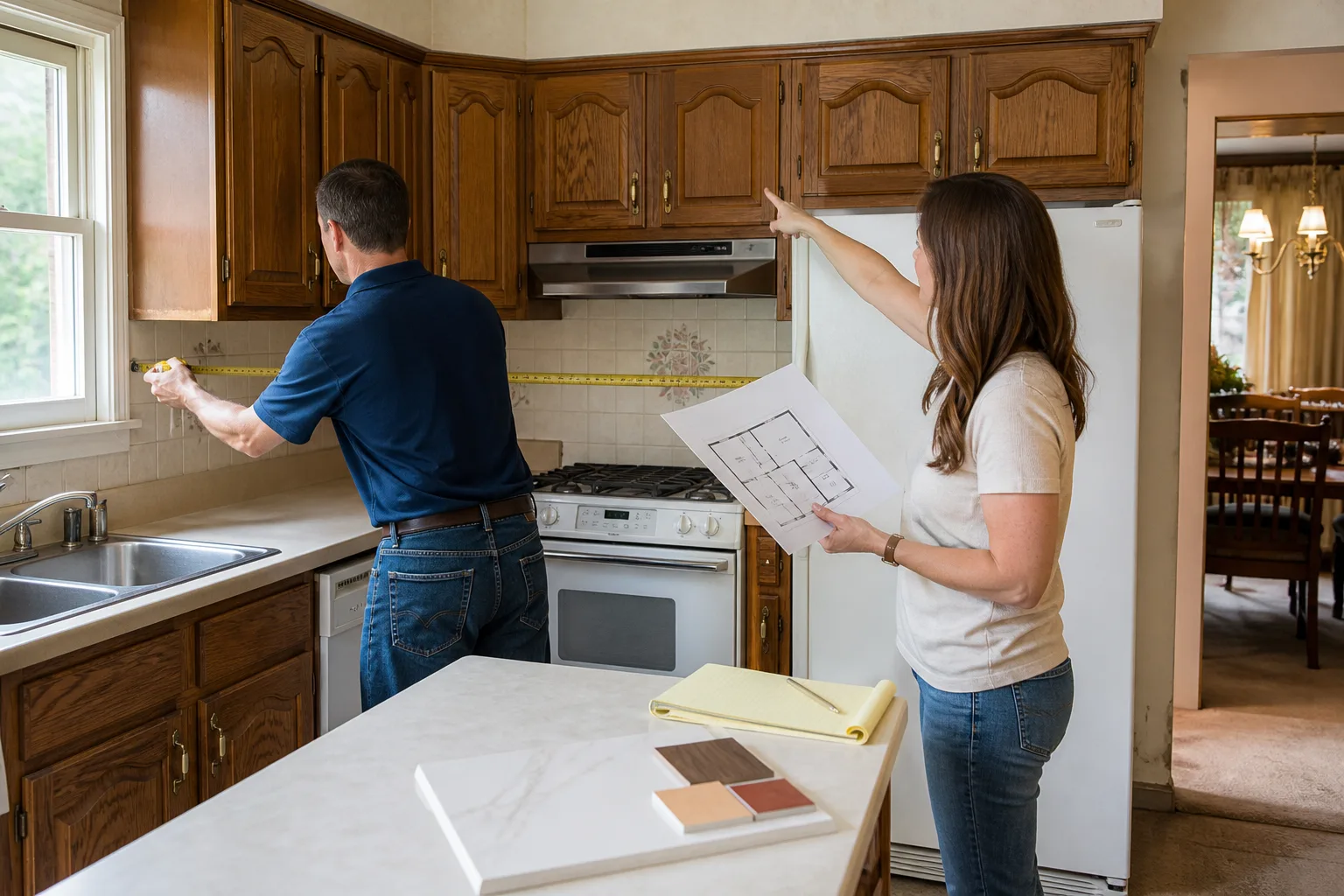
Free written scope consultation - allowances, timeline, and change-order rules on paper before a single trade is scheduled
General Contractor Maintenance Checklist for Sunnyvale Homeowners
Sunnyvale gets about 15 inches of rain a year, so most of us stop thinking about drainage right up until a December atmospheric river pushes water under a door threshold nobody has looked at in four years. That gap, between the mild average and the occasional soaking, is where the expensive damage hides. This guide covers what actually fails first in Sunnyvale’s microclimate: the marine layer that keeps mornings damp, the dry-heat summers that cook exterior caulk, and the near-zero freeze nights that convince homeowners to skip cold-weather prep entirely. You’ll get a checklist you can actually run, plus the language to ask a contractor the right questions.
Quick Answer

A Sunnyvale home needs two maintenance passes a year, not one: a late-spring pass focused on sun and heat damage (caulk, roof penetrations, deck finishes) and a late-fall pass focused on rain readiness (gutters, drainage, thresholds, crawl-space vents). The single highest-return task in this climate is resealing exterior caulk joints every two to three years with silicone, because latex caulk fails fast in Sunnyvale’s dry-heat summers. Cold-weather prep matters less here than water management, even though most checklists get that backwards.
We’re Penhallow Remodeling Sunnyvale, and we’ve walked through enough Sunnyvale homes to know which items people skip and which ones come back to cost them. Everything below is free to run yourself. Where a task puts you on a roof or near a gas line, we’ll say so and tell you to stop.
Styles & brands we work with
- Kitchen remodeling
- Bathroom remodeling
- Home additions & ADU
- Roofing
- Windows & doors
- Driveway & pavers
- Fence
Table of Contents
- 1. Why Sunnyvale Needs a Two-Season Maintenance Calendar
- 2. Exterior Caulk: Which Joints Fail Fastest and Why Silicone Wins
- 3. Rain Events and the Crawl-Space Checks That Actually Matter
- 4. Flat and Low-Slope Roofs on Sunnyvale Ranch Homes
- 5. HVAC Filters, Ducts and Wildfire Smoke Season
- 6. Interior Checks for Kitchen and Bath Surfaces
- 7. What a Written Maintenance Visit Should Document
- 8. Common Mistakes to Avoid
Why Sunnyvale Needs a Two-Season Maintenance Calendar
Most national maintenance calendars are written for places with real winters. They tell you to winterize pipes, drain sprinklers, and bundle up. Sunnyvale doesn’t freeze often enough for any of that to break anything, which produces a predictable side effect: homeowners here skip the fall walk-around because “it never gets cold.” Then a heavy rain week arrives, water finds the gap, and the repair runs into the thousands.
Our climate rewards attention paid to two things: sun and water. The marine layer keeps morning humidity high along the Santa Clara Valley floor, and the summer afternoons are dry enough to stress sealants and wood. That combination, damp mornings and parched afternoons, ages exterior materials differently than either a wet climate or a fully arid one.
Here’s the cadence we suggest:
- Late May or early June. Inspect every caulk joint, roof penetration, and exterior finish for sun damage. Reseal what’s cracking. Check attic ventilation before the first real heat wave.
- October, before the first significant rain. Clear gutters, check downspouts, verify crawl-space vents and the vapor barrier, and look at every door threshold. This is the pass that prevents interior water damage.
- After any atmospheric river event. Walk the perimeter, look at the crawl space, and check the ceilings under low-slope roof sections. Damage from these storms shows up fast and gets worse quietly.
If you’re remodeling, this is also the moment to fold maintenance into the project scope. A kitchen remodel is the right time to re-grade drainage along that side of the house, because the trades and access are already there. Our Kitchen Remodeling in Sunnyvale page covers how we sequence that.
Exterior Caulk: Which Joints Fail Fastest and Why Silicone Wins
Latex caulk is the default on most production-built homes, and it’s the wrong product for Sunnyvale’s exterior. Latex is flexible and easy to tool, but it degrades under UV quickly and shrinks through wet-dry cycling. Sunnyvale’s pattern, damp marine mornings followed by dry 85-degree afternoons through the summer, is exactly the cycle that cracks latex in two or three years. Silicone handles that swing far better, holds up to UV, and stays adhered to stucco, metal, and masonry when latex has already pulled away.
The joints that fail first, roughly in order of how often we see water getting in:
- Window and door head flashings where stucco meets trim. East and west exposures take the most sun and go first.
- Thresholds at sliding glass doors. These sit in splash zones and take foot traffic. When we see a threshold gap on a Sunnyvale ranch home, it is usually four or more years old.
- Stucco-to-stucco corners and accent trim edges. A visual crack here looks cosmetic and usually isn’t.
- Utility penetrations where hose bibs, gas lines, and electrical conduit pass through the wall. These small gaps are also the ones homeowners never look at.
- Deck rim joists and fascia joints on south and west faces, where the sun hits hardest.
Use 100% silicone at any horizontal or splash-zone joint, and a paintable silicone at visible vertical joints where you’ll want to match paint. Before you caulk anything, cut out the old material and clean the joint fully. New sealant over old is a temporary fix that fails within a season.
Rain Events and the Crawl-Space Checks That Actually Matter
Sunnyvale’s rain comes in bursts. A typical year delivers around 15 inches, but a good chunk of that can arrive in a few days. The crawl-space is where that shows up first, and where it does the most quiet damage: moisture in the vents, a compromised vapor barrier, and framing lumber absorbing water it won’t shed quickly because airflow is limited.
After any heavy rain week, check these in the crawl space:
- Standing water against the foundation footing. If there’s a puddle down there, look at exterior grading and downspout discharge first.
- The vapor barrier. The plastic sheet covering the soil should be intact and lapped. If it’s torn, balled up, or missing in sections, moisture rises into the subfloor.
- Foundation vent screens. Vents should be open and screened. Homes in flood-prone low areas of Sunnyvale sometimes get their vents closed in late fall, and that traps humidity.
- Joist and band-board staining. Water staining below the top plate is a sign of an exterior leak that entered the wall cavity. It’s not cosmetic.
- Smell. A damp, earthy smell in the crawl space is the best early-warning signal there is, and most homeowners never spend five minutes down there.
Add a moisture meter to your tool kit if you want to track this properly. Readings above roughly 20 percent in framing lumber mean you have a problem worth a professional look. This kind of inspection is also worth building into a larger project: if you’re already doing a Bathroom Remodeling in Sunnyvale, the framing gets opened, and that’s the cleanest moment to confirm there’s no hidden moisture damage.
Flat and Low-Slope Roofs on Sunnyvale Ranch Homes
A lot of Sunnyvale ranch homes from the 1950s and 1960s were built with low-slope or flat roof sections over additions, breezeways, and entry porches, usually with a layer of rolled roofing or a built-up membrane. These need a different inspection rhythm than a pitched, shingled roof. Pitched roofs shed water fast and give you a visual warning through missing shingles. Flat sections hold water until it drains, and the failure mode is a hairline seam that opens up after a summer of thermal expansion.
What to look for on a low-slope section:
- Ponding. Water that sits for more than 48 hours after rain means the roof is out of level or a drain is blocked.
- Seam and flashing lift. Any visible wrinkle or lifted edge on a membrane seam is an entry point.
- Blistering and alligatoring. Especially on older rolled roofing and built-up roofs on Sunnyvale homes that have lived through many hot summers.
- Ceiling stains inside. A brown ring on drywall is a late signal, but if you see one, get on the roof inspection list immediately.
Inspect flat and low-slope sections twice a year, and always after an atmospheric river. GAF materials are among the most reliable on pitched sections and modified bitumen repairs, which is what we typically install where the roofing scope overlaps a remodel. Ignore this section at your own risk; a roof leak found at the first sign is a small repair, and one found after the ceiling sags is a demolition.
HVAC Filters, Ducts and Wildfire Smoke Season
Standard HVAC advice says change the filter every three months. In Sunnyvale that schedule is too generous in one direction and too stingy in the other. Late summer and fall have brought repeated wildfire smoke events to the Bay Area, and those events pull fine particulate into return-air systems and ducts even with the system off. Meanwhile, Sunnyvale’s mild climate means the system runs less than in hotter inland cities, so dust settles and goes stale between run cycles.
Here’s a workable schedule:
- Check the filter monthly during smoke season. Swap it as soon as it’s visibly gray or loaded. A cheap MERV 8 filter changed frequently beats an expensive filter left in for a season.
- Seal and insulate accessible ducts in the attic or crawl space. Leaky return ducts in a smelly attic or damp crawl space pull that air straight back into the house.
- Have ducts cleaned if you’ve lived through a heavy smoke event, or if you find visible dust accumulation at the registers. Gray soot dust at the register grille is the signal.
- Check condensate drain lines once a year, usually in spring. A clogged line leaves water in the wrong place, and that wrong place is often finish material.
The air handler closet on many Sunnyvale homes is a common source of hidden moisture, because a small refrigerant-line leak or a condensate overflow soaks the framing behind the drywall, unseen. If you’re planning a remodel in that area, our General Contractor in Sunnyvale page covers how we look at the mechanicals behind the wall before we start.
Interior Checks for Kitchen and Bath Surfaces
Sunnyvale’s low humidity usually protects interior materials, but two spots still fail faster than people expect. First, the caulk line where a kitchen countertop meets the backsplash, especially along an exterior wall, which moves with the sun and dries out. Second, the grout and sealant around shower bases and tub aprons. A shower pan that loses its sealant will pull moisture behind it for months before showing any sign.
A few things worth checking every six months:
- Countertop-to-backsplash caulk. If it’s cracked, cut it out and use a 100% silicone made for wet zones. We install Cambria, Silestone and Caesarstone tops, and all of them rely on that joint holding.
- Shower floor grout and corner joints. Any soft or hollow sound means moisture is present underneath.
- Bath exhaust fan. Put a piece of tissue against the grille and confirm it pulls. A weak fan means humidity lingers, and that’s how tile substrate (the moisture-resistant layer behind tile, like Schluter membrane systems) gets stressed.
- Under-sink shutoffs. Turn each one a quarter turn twice a year so they don’t seize. A seized shutoff costs a lot more to replace in a hurry.
Kitchen and bath are also the rooms where deferred maintenance compounds into a full remodel. If a small repair keeps recurring, it’s usually a substrate problem, not a finish problem. Our Penhallow Remodeling Sunnyvale home page lays out how we scope those bigger fixes.
What a Written Maintenance Visit Should Document
If you hire a contractor for a maintenance walk-through, the report matters more than the visit. A written maintenance report is what you’ll present to an insurer after a storm or a manufacturer after a product failure, and it’s the difference between a covered claim and an argument. Insist on these items in writing:
- A photo of every finding, alongside a note in plain language about what was found and where.
- A line-item scope for anything that requires repair, with a written price before work begins. Not a range, not a verbal ballpark.
- Product and material names for anything installed, so you have a record for warranty claims.
- A date and a note about what was inspected, since an insurance claim turns on timing.
- The contractor’s guarantee, in writing, covering the maintenance repair for a defined period.
Our standard is simple: written price before work, a real arrival window, and a 365-Day Done Right Promise on every project. If something we worked on fails inside that window, we come back and fix it at no charge, and if a repair fails we return for a free second visit with no service call fee attached. That’s the pen-and-paper part of maintenance that most checklists skip.
One other documentation habit worth adopting: keep a single file for the home, physical or digital, with every maintenance report, permit, and product spec sheet in it. If you ever sell, that file is worth real money at the negotiating table.
Common Mistakes to Avoid
- Caulking over old caulk. New sealant over a dirty or failing joint lasts one season. Cut it out, clean it, and start fresh, particularly along shared boundaries where Sunnyvale’s sun exposure is worst.
- Skipping the fall walk-around because “it never freezes here.” Sunnyvale’s real risk is rain, not freezes. Water gets in through gaps nobody inspected, and the crawl space absorbs the damage.
- Closing crawl-space vents for moisture control. Vents should stay open year-round in Sunnyvale. Closing them traps humidity and creates the exact conditions that rot framing.
- Treating a brown ceiling stain as a paint problem. It’s a roof or flashing leak. Painting over it guarantees you find out again after the next storm.
- Waiting on flat-roof ponding. A puddle that lasts past 48 hours is water finding its seam. Spotting it early is a repair; spotting it late is a tear-off.
- Ignoring wildfire smoke and the HVAC system. A dirty filter and sooty return ducts pull smoky air into every room. Change that filter aggressively during smoke season, not quarterly.
- Hiring a contractor who won’t put a number in writing. Verbal estimates change at the door. That’s the single costliest maintenance decision you can make.
For a broader look at how we approach bigger scopes, the guide on our General Contractor in Sunnyvale page walks through project sequencing.
See the difference
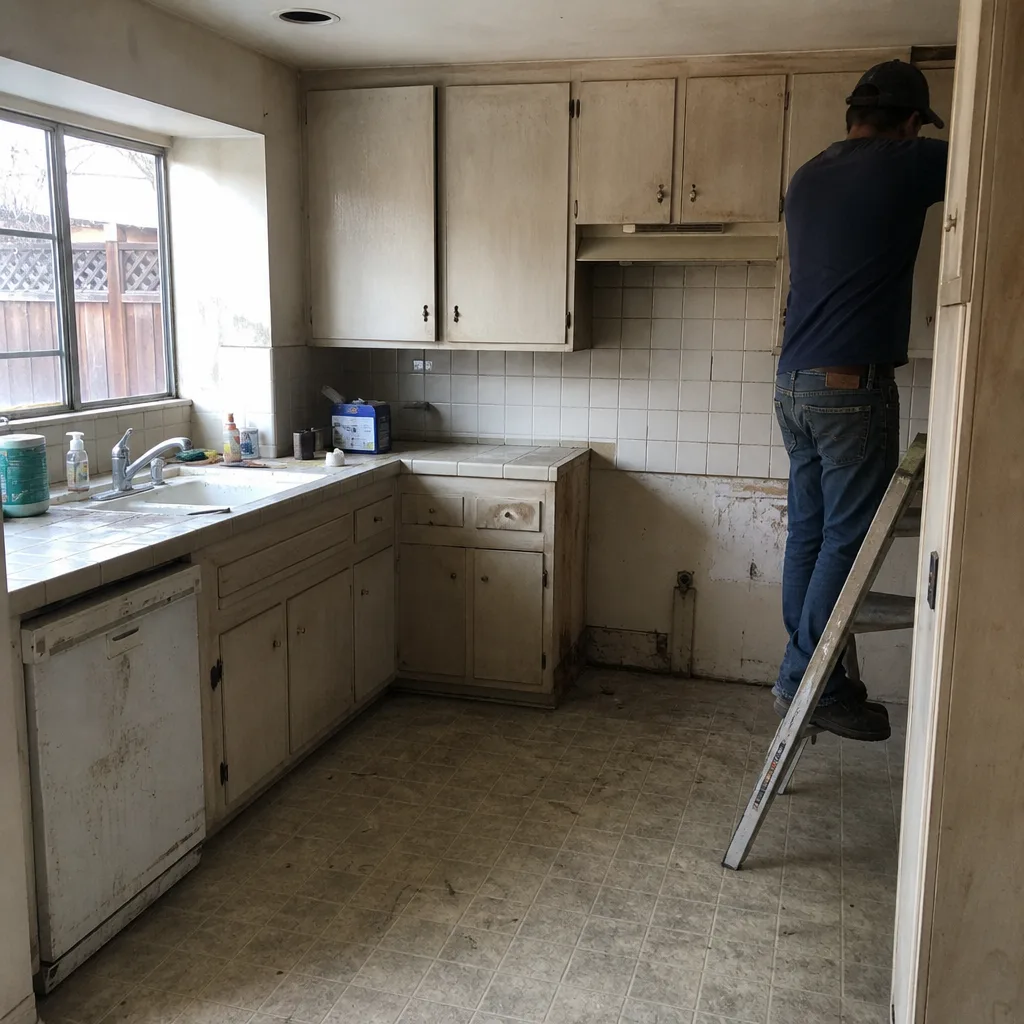 Before
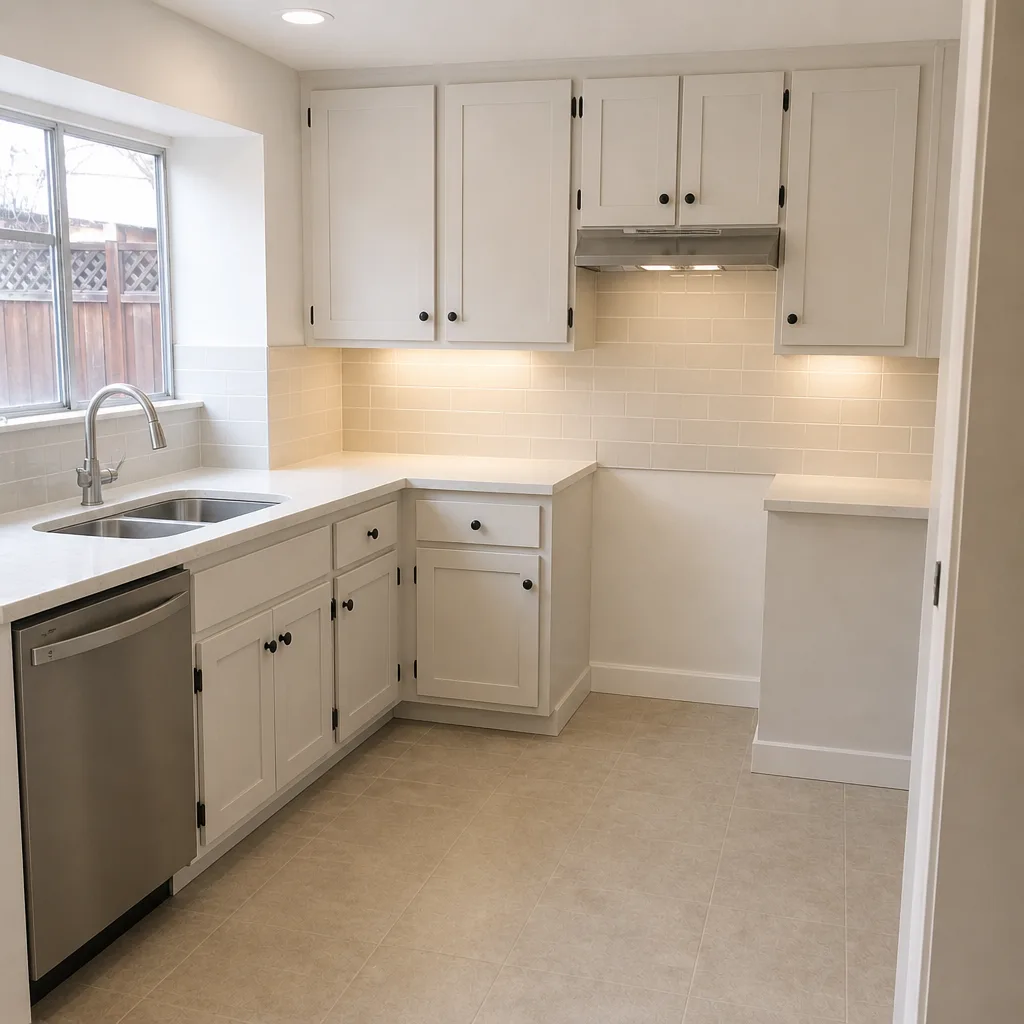 After
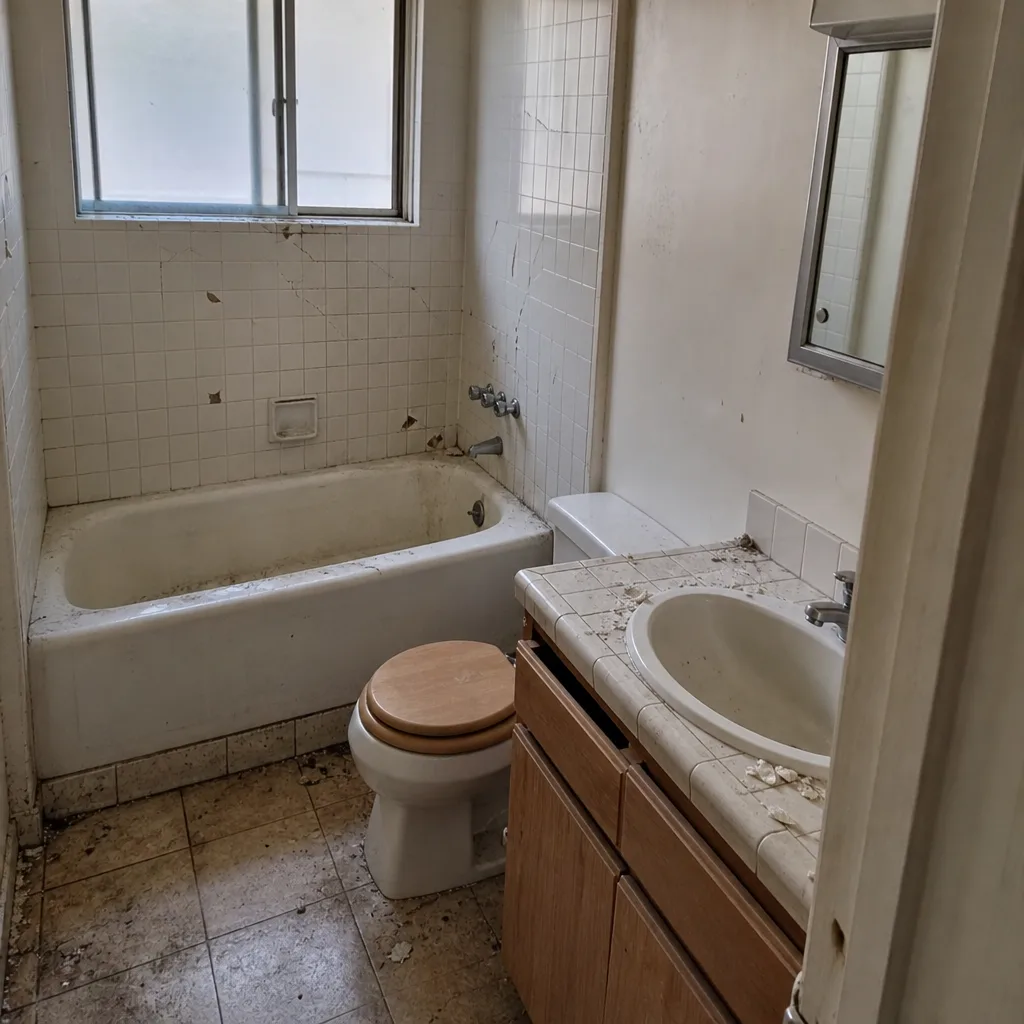 Before
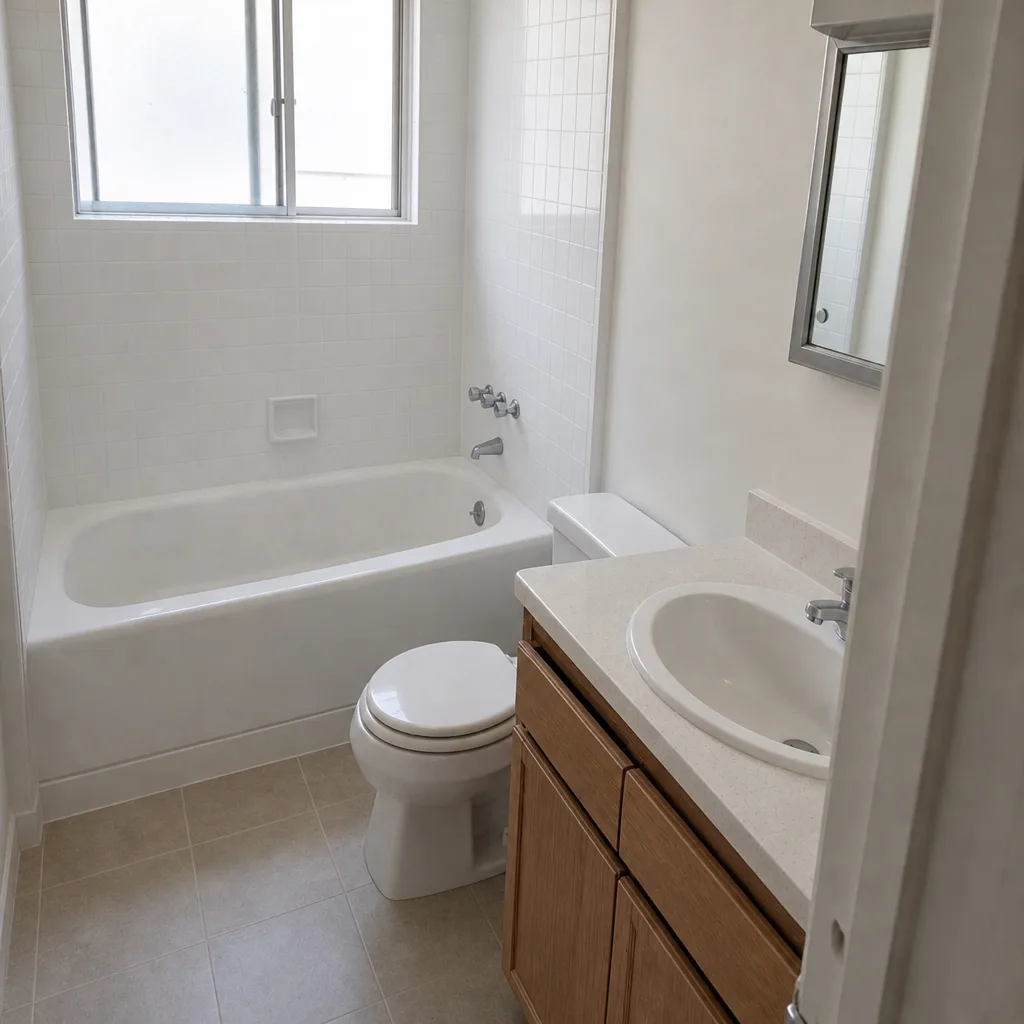 After
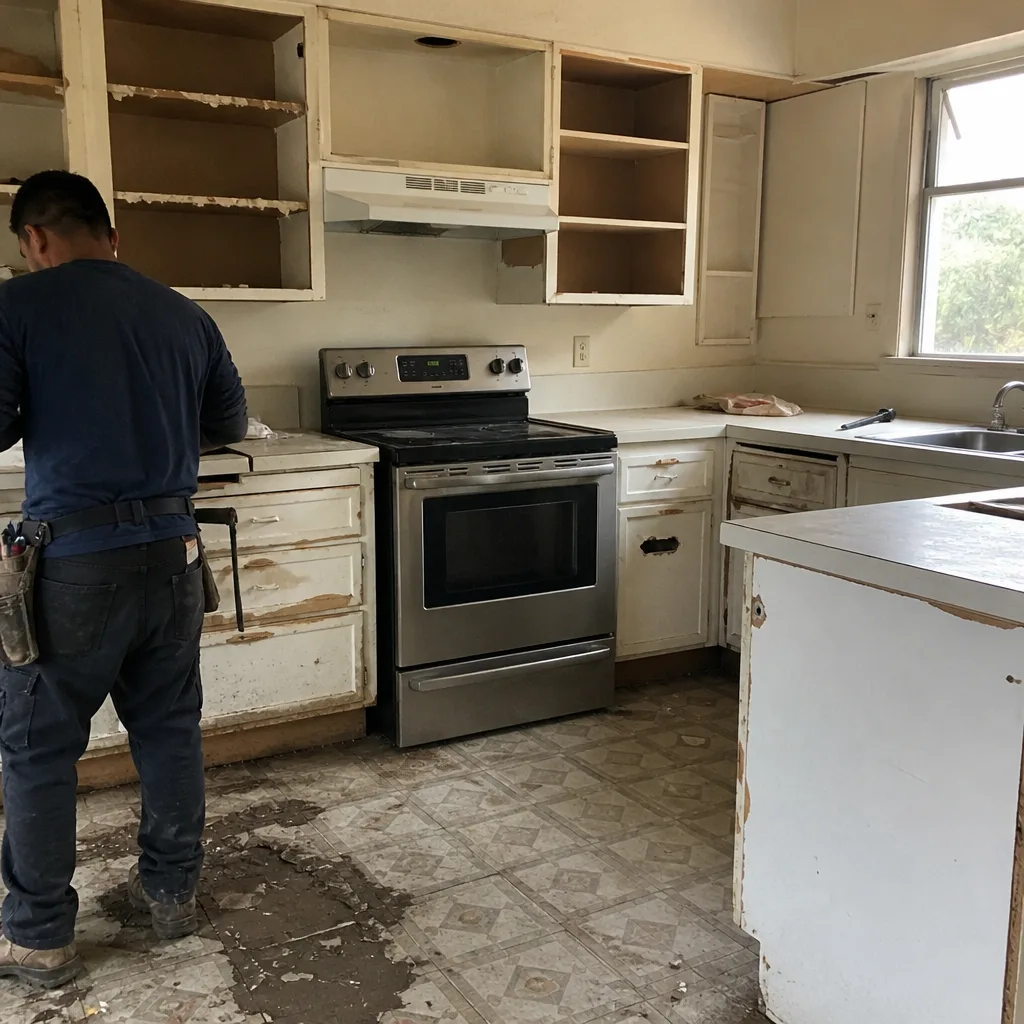 Before
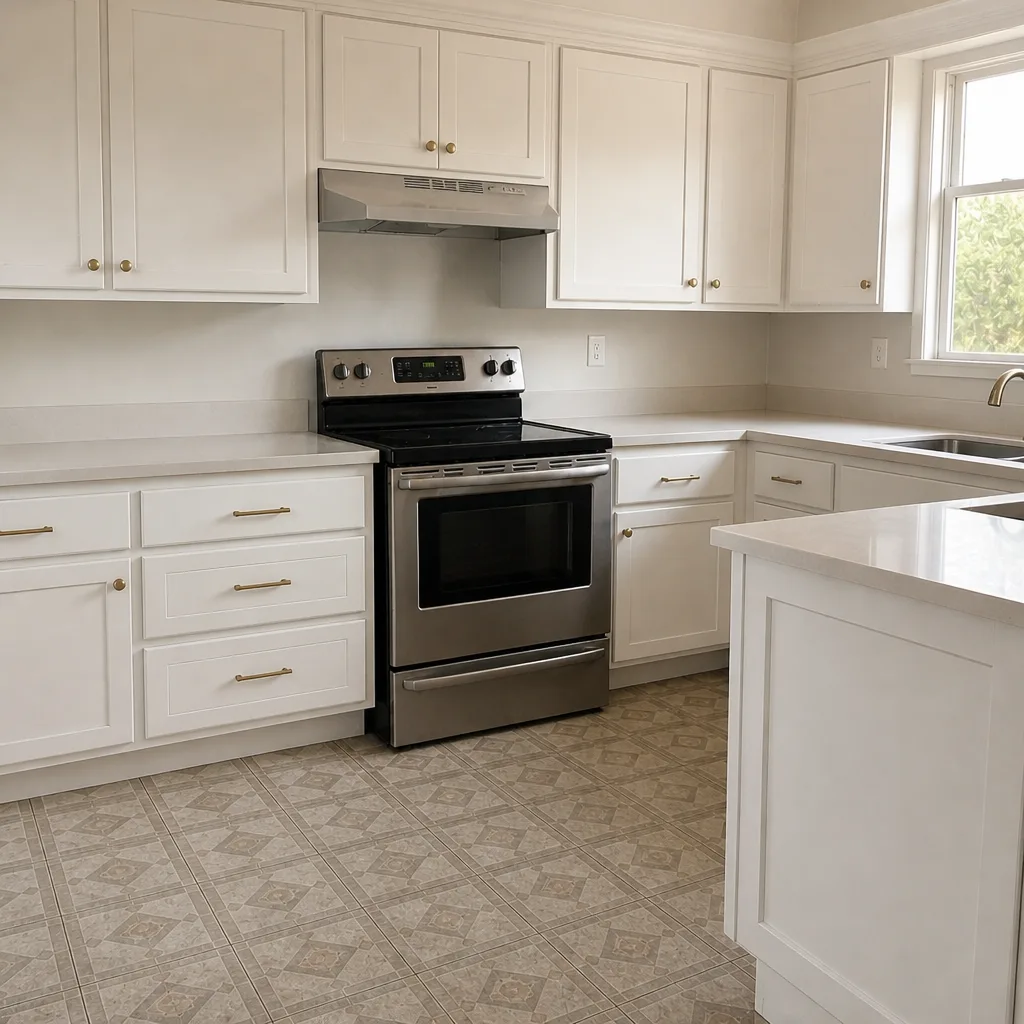 After
When to Call a Professional

Some of what’s on this list is genuinely DIY, and some of it isn’t. Call a professional when you find moisture staining inside a wall cavity, when a flat roof is ponding after rain, when the crawl-space vapor barrier needs replacing, or when you smell damp earth under the house that won’t clear after a dry week. Stop and call before climbing on any low-slope roof section; they’re steeper and slicker than they look, and one fall changes everything. Same goes for anything involving a gas line, an electrical panel, or more than a few years of deferred water damage. Those need a trained, licensed professional, not a weekend.
Penhallow Remodeling Sunnyvale offers free estimates in Sunnyvale. Our technicians arrive background-checked and in uniform, and we give you a written price before any work starts. Call (888) 426-8719 to schedule yours.
Frequently Asked Questions
Twice a year: once in late spring to catch sun and heat damage before summer, and once in October before the first significant rain. Add a quick perimeter and crawl-space check after any atmospheric river event. Sunnyvale’s rain is concentrated in bursts, so the post-storm check is what actually catches water damage early.
Silicone, for exterior joints. Sunnyvale’s dry-heat summers and damp marine mornings cycle latex caulk into cracks within two or three years, whereas 100% silicone holds up far better against UV and moisture cycling. Use silicone at every horizontal, splash-zone, and stucco-to-trim joint.
Because they hold water instead of shedding it. A low-slope or flat section over an addition or breezeway can develop a seam failure that wouldn’t even show on a pitched roof, and the damage shows up inside the ceiling weeks later. Those sections need a twice-yearly look and a check after every heavy rain.
Yes, and it’s the most overlooked item on most maintenance lists. Repeated Bay Area wildfire smoke events load HVAC filters with fine particulate and settle soot into return ducts. Check filters monthly during smoke season, and consider duct cleaning after a heavy event.
A photo of every finding, a plain-language note of what was found and where, a line-item scope with a written price for any repairs, product names for installed materials, a date, and the contractor’s guarantee in writing. That report is what supports a future warranty or insurance claim.
Not with us. The number on day one is the number on the invoice, because every Penhallow project gets a written price before any work starts, not an estimate range. Our 365-Day Done Right Promise also covers the work in writing: if it fails inside the guarantee period, we come back and fix it at no charge. Call (888) 426-8719 for a free estimate.
The Bottom Line

Sunnyvale home maintenance comes down to water, sun, and the paperwork that records what you found. The 15-inch average rainfall is a comfort, not a plan, and the December storm that tests your threshold will not give you a warning. Run two passes a year, keep the crawl space dry and ventilated, use silicone at exterior joints, inspect flat and low-slope roof sections twice as often as pitched ones, and change the HVAC filter aggressively through smoke season. Then keep the receipts and the written reports in one file. That combination is what turns a $400 repair into a $400 repair instead of a wall rebuild.
If you’d rather have someone walk the building with you, Penhallow Remodeling Sunnyvale offers free estimates and a written price before any work starts. Call (888) 426-8719 to schedule yours.
Written by the team at Penhallow Remodeling Sunnyvale.