Last updated November 17, 2026







Free written scope consultation - allowances, timeline, and change-order rules on paper before a single trade is scheduled
Home Remodeling Warning Signs Every Homeowner Should Know
Most homeowners already know the classic red flags: no license number, cash-only demands, a bid that arrives as a scribbled ballpark. By the time you spot one of those, you’ve already dodged the bad contractor. The expensive problems come from the contractor you already hired and trusted. In our experience across Sunnyvale, the jobs that turn into disputes almost never start with a shady stranger. They start with a firm handshake, a reasonable-looking price, and a crew that showed up on time for the first two weeks. What changes is subtler. This guide covers the in-progress signals that something is slipping, long before a single complaint gets filed.
Quick Answer
The most common home remodeling warning signs are work proceeding without a posted permit, unfamiliar subcontractors you were never introduced to, materials that don’t match your spec sheet, verbal “while we’re in there” upsells with no paperwork, and payment requests above 10% upfront. Any one of these mid-project signals deserves a documented conversation, and a few of them mean you should stop work until the issue is resolved in writing.
Styles & brands we work with
- Kitchen remodeling
- Bathroom remodeling
- Home additions & ADU
- Roofing
- Windows & doors
- Driveway & pavers
- Fence
Table of Contents
- Pre-Hire Red Flags You’ve Already Heard
- Warning Sign #1: Work Happening Without a Posted Permit
- Warning Sign #2: Subcontractors You’ve Never Been Introduced To
- Warning Sign #3: Materials That Don’t Match the Spec Sheet
- Warning Sign #4: The Verbal “While We’re In There” Upsell
- Warning Sign #5: A Payment Schedule That Leans Forward
- What to Do When You Spot a Warning Sign Mid-Project
- Warning Signs Specific to Sunnyvale Remodels
Pre-Hire Red Flags You’ve Already Heard
Before we get into the mid-project signals, it’s worth setting the baseline, because the well-covered warning signs still matter. They just aren’t where the real money gets lost. The pre-hire list is short and familiar:
- No contractor license, or a license number that doesn’t check out on the state lookup.
- A bid that’s a verbal range with no line items, no material specs, and no start or finish dates.
- Cash-only demands, or asking for a large deposit before any contract is signed.
- No written guarantee, or a guarantee that only covers the day the crew walks off site.
- A contractor who won’t put anything in writing because “that’s just how we do it.”
If you see any of those before signing, walk. A contractor who gives you a written price before work starts, shows up in the window he said, and backs the work in writing is the standard you’re entitled to. The trouble is that even a contractor who clears that bar can drift once the job is underway. That’s what the rest of this guide is about, and it’s why we put so much weight on the paperwork up front, whether that’s a full Kitchen Remodeling in Sunnyvale project or a smaller bath refresh.
Warning Sign #1: Work Happening Without a Posted Permit
In Sunnyvale, a permitted remodel means there’s a paper inspection card visible at the job site, and an inspector who will show up at specific milestones. If your crew is framing, running new electrical, or moving plumbing, and there’s no permit posted where you can see it, that’s the clearest mid-project warning sign there is. It’s not a technicality. Unpermitted work can mean the county doesn’t sign off on your project, which means a future buyer’s inspector flags it, which means your remodel becomes a disclosure problem years after the crew is gone.
What to check, without climbing into the crawlspace:
- Ask to see the permit. A licensed contractor will pull it and have it on site before demolition.
- Look at the inspection record. Permitted work gets inspected at set milestones – rough framing, rough electrical, rough plumbing, insulation, and final. Each of those is a checkpoint.
- If the answer is “we don’t need one for this,” ask for that in writing, with the specific code reference.
- If the crew has already started major work without a permit, call the Sunnyvale building department and ask whether a permit was ever applied for under your address.
We’ve seen this go wrong more than once in Sunnyvale. It’s the kind of thing that shows up six months after the job and costs a homeowner five figures to fix. If you’re unsure whether your scope requires one, a reputable General Contractor in Sunnyvale will tell you straight before the first hammer swing.
Warning Sign #2: Subcontractors You’ve Never Been Introduced To
Remodeling subs are normal. The electrician, the plumber, and the tile setter are usually separate trades, and a good general contractor introduces them, tells you when they’ll be there, and holds them to the same standard as the crew. What shouldn’t happen is a rotating cast of tradespeople who show up with no introduction, no name tag, no clear chain of command, and no paperwork tying them to the job.
Specific signals to watch for:
- A sub who can’t tell you who he’s working for, or what the scope of his trade is on your project.
- Multiple different crews working the job on different days with no single person coordinating them.
- Subs who show up before the permit, or before the general contractor’s own crew has done prep work.
- Anyone working in your home who wasn’t background-checked, or who shows up out of uniform without a company identifier.
Ask your general contractor for the sub list before the job starts. It’s a fair question, and the answer should be specific. If the crew composition on your Sunnyvale job doesn’t match what you were told, that’s a conversation to have the same day, not a month in.
Warning Sign #3: Materials That Don’t Match the Spec Sheet
Your written contract should name the materials: the cabinet line, the countertop brand, the fixture model, the siding product. When the materials arrive, walk the boxes and compare. If your spec says Cambria quartz and the boxes say something else, that’s not a small mistake. That’s a substitution, and it’s costing you money whether or not the contractor mentions it.
In our experience, material substitutions usually show up in three ways:
- A different brand arrives “because the supplier was out of the one we specified.” (Sometimes true. It always requires your sign-off first.)
- A cheaper cabinet grade shows up in place of the KraftMaid or Wellborn line you were quoted.
- Fixtures arrive in boxes that don’t match the model number on your contract – a Kohler faucet in a box that says something else.
The fix is simple, and it protects both sides. Before any material is installed, compare the model numbers on the boxes against the model numbers on your contract. If they don’t line up, the crew stops installing until the discrepancy is resolved in writing. We install Cambria quartz, for example, precisely because it carries its own lifetime warranty alongside the written guarantee we give you, and that warranty does you no good if the material isn’t actually Cambria. If your remodel is in Bathroom Remodeling in Sunnyvale territory, this is doubly worth checking, because tile and fixture substitutions are common and harder to spot after install.
Warning Sign #4: The Verbal “While We’re In There” Upsell
The single biggest mid-project cost surprise is the verbal change order. The crew opens a wall, finds something – a water stain, an underslab pipe, an undersized beam – and the next thing you hear is “while we’re in there, we should…” without a dollar figure or a piece of paper attached. That’s a warning sign, and it’s the one that costs homeowners the most.
Here’s the rule: any change to scope requires a written change order with a price, a revised schedule, and your signature before work continues. A verbal upsell without paperwork is a serious signal that your contractor is not tracking scope – which means you can’t track cost, and the number on day one stops being the number on the invoice.
How to handle a legitimate change order:
- Ask for the change in writing: what’s being added, why it’s needed, and how much it costs.
- Confirm whether the change affects the schedule, and how many days it adds.
- Sign only what you’re willing to pay.
- Keep every change order in one folder alongside the original contract.
The good contractors expect this. The ones who get annoyed at being asked to put a change in writing are telling you something.
Warning Sign #5: A Payment Schedule That Leans Forward
A forward-leaning payment schedule is one where you’re paying for work that hasn’t happened yet. The most common version of this is a lump-sum demand before the job is finished, or a demand for more than 10% of the total contract price before work starts. Both are warning signs, and both deserve a same-day conversation.
A reasonable payment schedule ties each draw to a completed milestone:
- A small deposit (often under 10%) before materials are ordered.
- A draw after demolition and rough-in.
- A draw after cabinets or tile are installed.
- A draw after final inspection.
- A final payment after the walkthrough.
If your contractor asks for a large payment before a milestone, ask why. If the answer is “to cover materials,” ask for the vendor invoice. If the answer is “because that’s how we do it,” that’s a warning sign. In Sunnyvale, where mid-range kitchen and bathroom jobs can easily run $25,000 – $60,000, the payment schedule is where the majority of the risk lives.
What to Do When You Spot a Warning Sign Mid-Project
You don’t need to lawyer up the moment something looks wrong. But you do need to document, and quickly, because the record you build now is what protects you later if things go sideways.
- Document in writing. Take dated photos of the work in progress, the permit area, the material labels, and the site condition. Email them to your contractor with a plain description of what you observed.
- Put your observations in a single thread. Every follow-up happens in that same email thread. “I noticed, on Tuesday, that…” beats “we talked about it.”
- Invoke your stop-work right in writing. If the issue involves the permit, materials, or safety, tell your contractor in writing to pause work until it’s resolved. A reputable contractor will agree to this without drama; that’s what the written price and written guarantee were for.
- Check the contract for the dispute process. Most contracts specify a notice window and a resolution path. Follow it.
- Call the right authority. In Santa Clara County, permit and code questions route to the city of Sunnyvale building department. License and complaint questions route to the state licensing board. For consumer-side disputes, the Santa Clara County consumer protection office and the state contractor licensing board are the two most useful calls.
One more thing: don’t assume “it’ll be fine at the end.” Most of the disputes we’ve heard about in Sunnyvale follow the same arc – an unaddressed warning sign in week three becomes a walk-through argument in month three.
Warning Signs Specific to Sunnyvale Remodels
Some warning signs are shaped by the local market. Sunnyvale homes sit in a climate that’s dry most of the year and damp in the winter, which puts specific pressure on the parts of a remodel that are easy to hide. Watch these in particular:
- Mold-thin drywall at the bathroom or kitchen wall. Sunnyvale’s wet-season humidity pushes moisture into poorly sealed wall cavities. If your crew is closing walls without proper waterproofing (cement board substrate, a real moisture barrier, a properly sloped shower pan), you’ll see the failure during the next rainy season, not now.
- No vapor or drainage detail on exterior work. If your project involves a patio, siding, or a window change-out, ask whether the detail accounts for Sunnyvale’s wet-season runoff. A good contractor has a specific answer.
- Framing work that ignores the seismic detail. Sunnyvale building code is strict on seismic anchoring and shear-wall connections. If “we’ll anchor it later” shows up on your job, that’s a warning sign tied directly to your safety.
- Stock cabinet substitutions. In a Sunnyvale market where KraftMaid and Wellborn cabinetry are the expected spec for mid-range remodels, a substitution to a stock line is a signal worth chasing down before install.
If you’re weighing a remodel and want to see what good looks like from the start, our Penhallow Remodeling Sunnyvale home page lays out how we handle the price, the guarantee, and the crew from day one. The point isn’t that we’re perfect; the point is that a contractor who puts the price and the guarantee in writing up front is much harder to surprise mid-project.
Common Mistakes to Avoid
- Accepting a verbal change order. Even a small “while we’re in there” change without a written price becomes a dispute later. Ask for the number in writing before any extra work starts.
- Ignoring a missing permit because the work “looks fine.” Sunnyvale inspectors catch the things you can’t see, and unpermitted work follows the house into every future sale.
- Paying ahead of the milestone. A lump-sum draw before the work is done puts you at the contractor’s mercy on the final walk-through.
- Not comparing material labels to the spec sheet. Substitutions are easier to catch on arrival than after install, and once installed, the cost of reversing them is on you.
- Letting a subcontractor you’ve never met do plumbing or electrical. Ask who’s coming, when, and with what credentials. The answer should be specific.
- Skipping written documentation of a mid-project issue. “We talked about it” doesn’t hold up. A single email thread with dated photos does.
- Waiting until the walk-through to raise a problem. Every week you let a warning sign sit unresolved costs you leverage in the final conversation.
See the difference
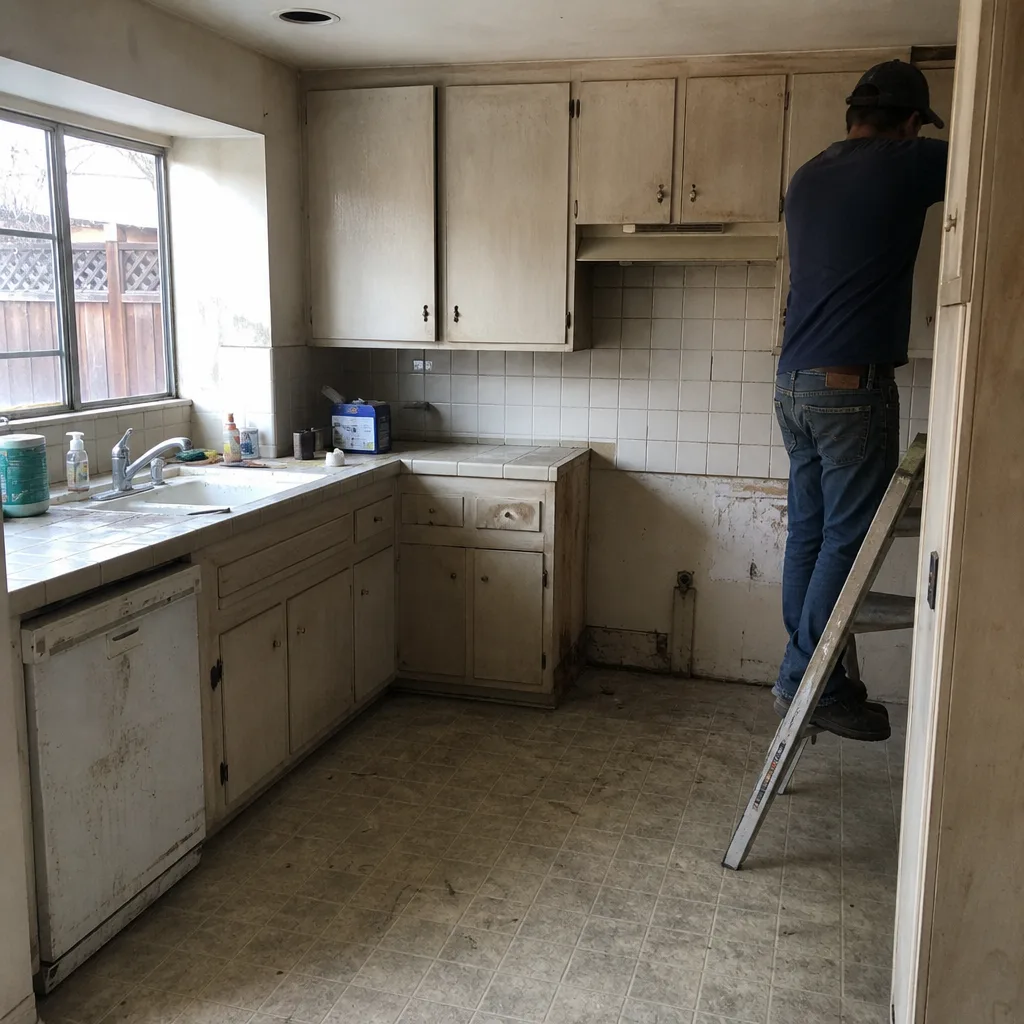 Before
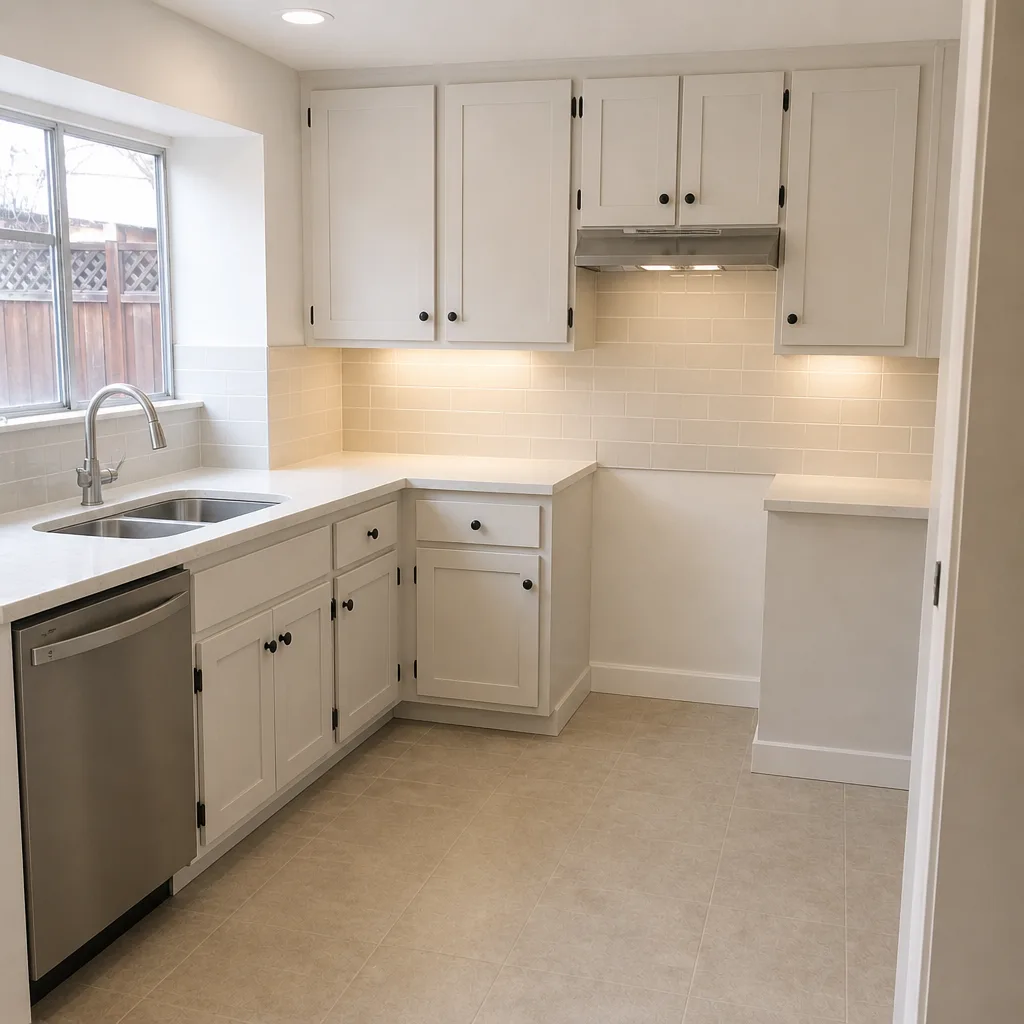 After
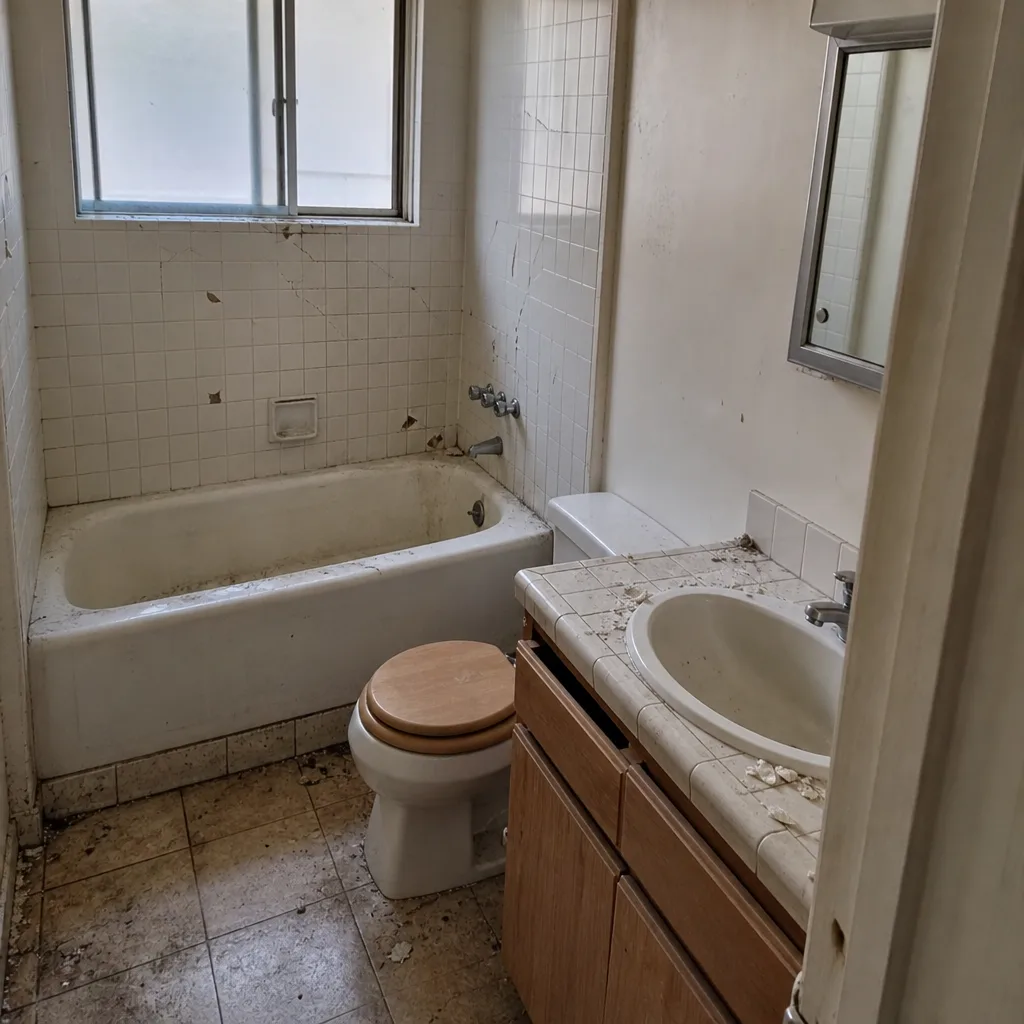 Before
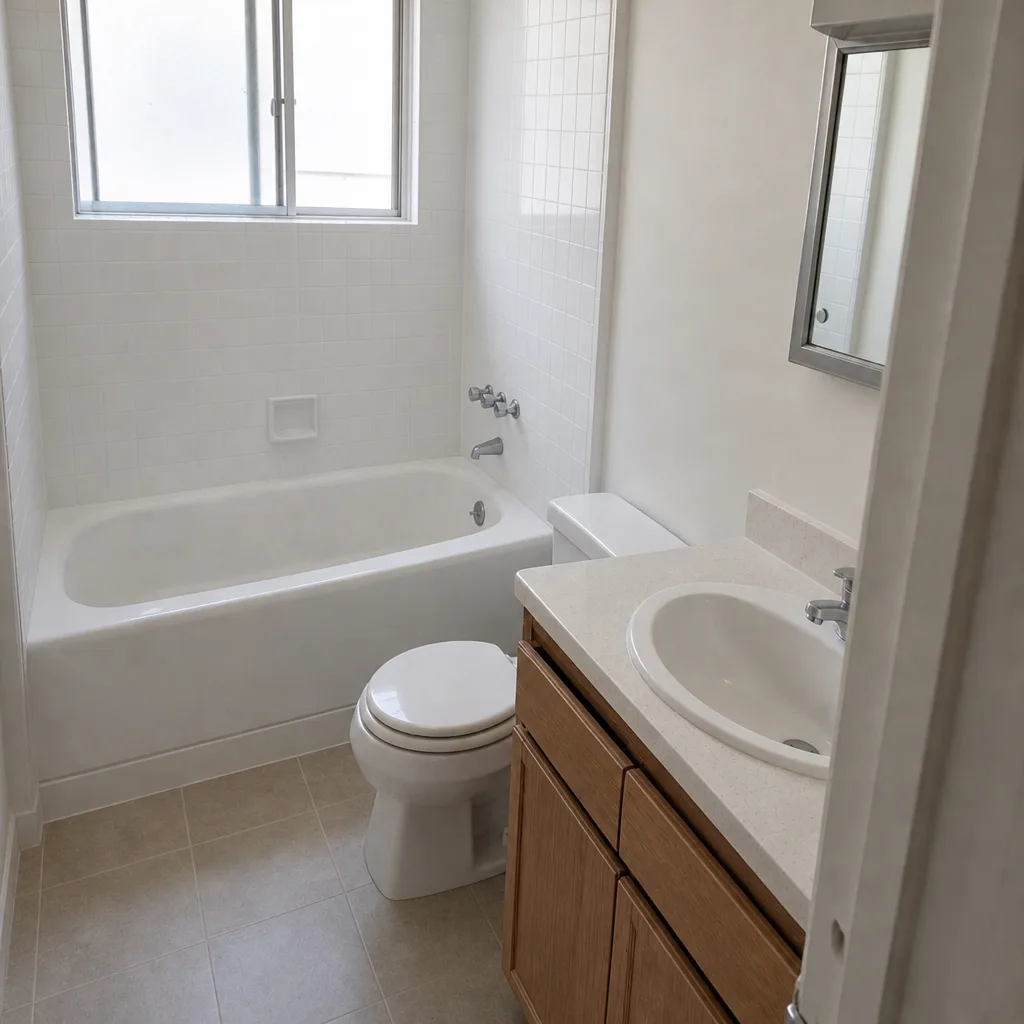 After
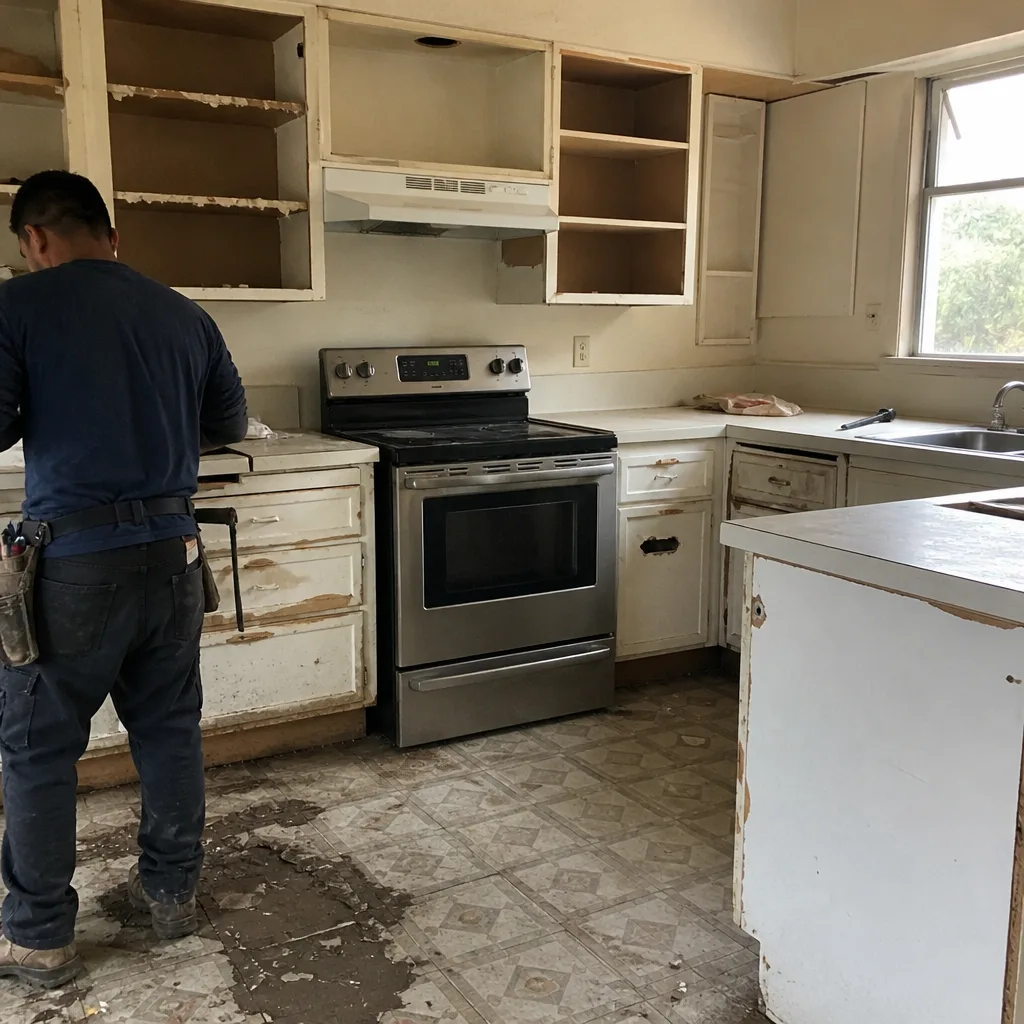 Before
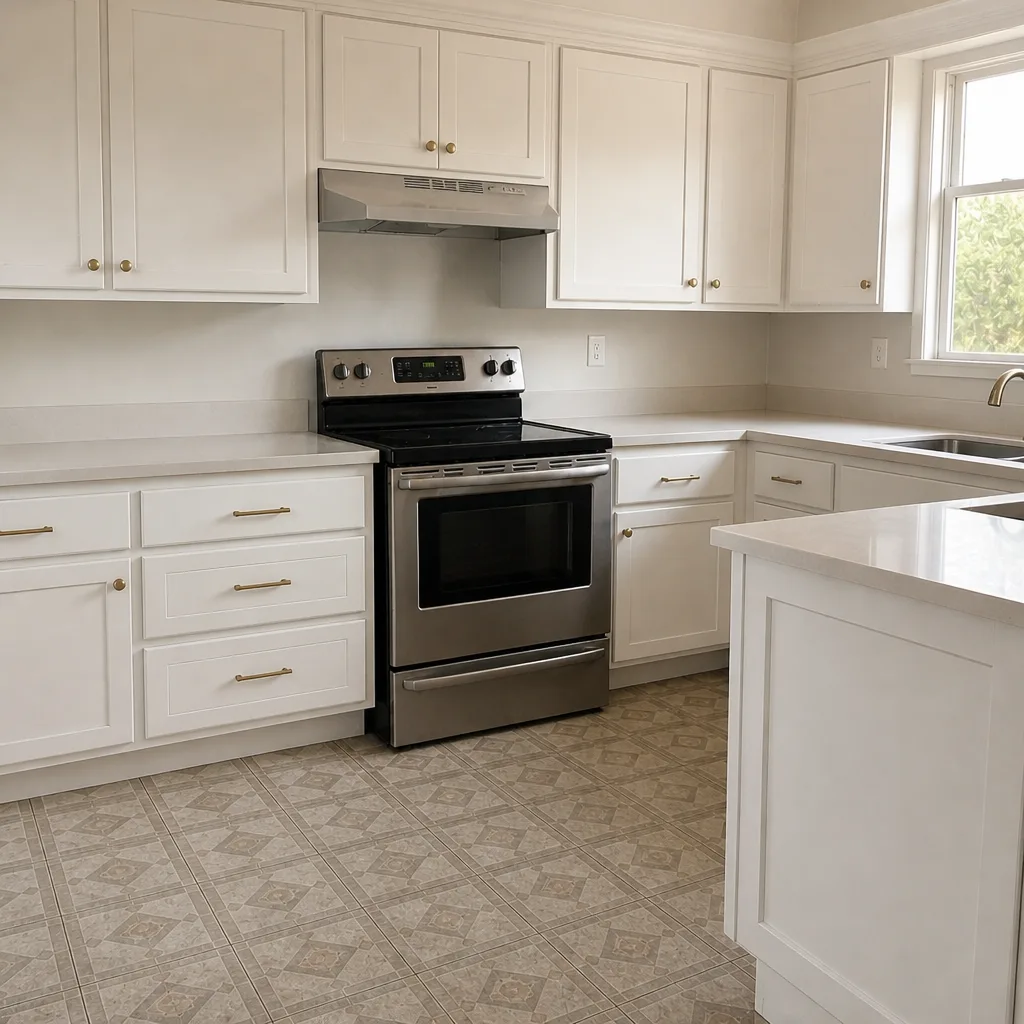 After
When to Call a Professional
Call a professional the same day if the work involves the structural, electrical, or plumbing trades without a permit, if substandard materials have been installed and the crew won’t reverse them, or if your contractor won’t put a change order or payment schedule in writing. Also call if you’ve discovered unpermitted work on a home you recently bought, or if a mid-project issue has stalled and you need a second opinion on scope, cost, or code. Penhallow Remodeling Sunnyvale offers free estimates in Sunnyvale – call (888) 426-8719 to schedule a visit. Our technicians have up to 22 years of experience, and every project we run starts with a written price and a written guarantee: the 365-Day Done Right Promise. If we do the work and it fails within that year, we come back and fix it at no charge. The price on day one is the price on the invoice.
Frequently Asked Questions

Work proceeding without a posted permit is the strongest mid-project warning sign, because it’s the one that’s hardest to fix after the crew leaves. In Sunnyvale, permitted work means a visible inspection card and set milestone inspections. If the crew is framing or running new wiring without either, ask to see the permit before the next day’s work starts. Call (888) 426-8719 if you need a second opinion – estimates are free.
A reasonable upfront deposit is usually under 10% of the contract price, followed by milestone draws tied to completed work and a final payment after the walkthrough. If a contractor asks for more than 10% before work begins, or a lump sum before the job is done, ask for the reasoning in writing. Call (888) 426-8719 for a written line-item quote before you sign anything.
No. A verbal change to scope – even a small one – should always be followed by a written change order with a price and a revised schedule before the work starts. The biggest cost surprises on Sunnyvale remodels come from verbal “while we’re in there” additions that never made it onto paper. If your contractor resists putting a change in writing, that’s a serious signal. Call (888) 426-8719 for a free, written second opinion.
Compare the model numbers on the boxes against the model numbers on your written contract before any material is installed. A substitution – a different cabinet line, a cheaper faucet, a countertop that isn’t the Cambria quartz you specified – is easier to reverse before install than after. If the boxes don’t match, stop the install and ask for the correction in writing. Call (888) 426-8719 for a free material-spec review.
Document the issue in writing the same day, with dated photos and a plain description, then email your contractor and ask for the resolution in writing. If the issue involves the permit, substandard materials, or safety, put a stop-work notice in writing until it’s resolved. In Santa Clara County, permit questions go to the Sunnyvale building department, and license complaints go to the state contractor licensing board. Call (888) 426-8719 if you want an independent read before you send the notice.
Most wet-season failures trace back to missing waterproofing detail in a kitchen or bathroom, especially a shower pan or an exterior wall cavity. Sunnyvale’s dry summers give crews time to close walls before the failure would show; the damage surfaces during the first heavy rains. A written spec that names the cement board substrate, moisture barrier, and slope detail protects you. Call (888) 426-8719 for a free inspection of a remodel in progress or recently finished.
The Bottom Line
The warning signs that cost you money usually aren’t the ones you were warned about. They’re the mid-project signals: no permit, unfamiliar subs, substituted materials, a verbal upsell, a forward-leaning payment schedule. Each one is fixable if you catch it early, and each one gets much harder to fix once the drywall is up. The protection is paperwork: a written price before work starts, a written change order for every scope change, and a written guarantee that survives past the walkthrough. Sunnyvale homeowners deserve all three. Call (888) 426-8719 to schedule your free estimate – the price on day one is the price on the invoice, backed by the 365-Day Done Right Promise.
Written by the team at Penhallow Remodeling Sunnyvale.