Last updated November 17, 2026



Free written scope consultation - allowances, timeline, and change-order rules on paper before a single trade is scheduled
DIY vs Professional Kitchen Remodeling: What’s Safe to Do Yourself
In California, doing your own electrical work in a kitchen remodel without pulling a permit isn’t just risky. If a fire traces back to that wiring, your homeowner’s insurance can decline the claim entirely, and you’ll be the one writing the check. That’s the part most DIY guides leave out. The real dividing line in a kitchen remodel isn’t whether you’re handy enough to hang a cabinet. It’s whether the State of California and Santa Clara County will let you do the work, permit it, and insure it afterward. This guide walks that line task by task, so you know exactly what’s safe to take on yourself in a Sunnyvale kitchen and what has to go to a licensed trade.
Quick Answer
In Sunnyvale and across Santa Clara County, homeowners can legally DIY cosmetic work like painting, cabinet hardware, backsplash tile, and surface-level flooring, plus non-structural demolition. Anything involving electrical circuits, gas lines, plumbing relocation, or structural walls requires a licensed trade and a permit, and most of it isn’t legal for an owner-builder to self-perform. The dividing line is the law and your insurance policy, not your comfort level with a drill.
Styles & brands we work with
- Kitchen remodeling
- Bathroom remodeling
- Home additions & ADU
- Roofing
- Windows & doors
- Driveway & pavers
- Fence
Table of Contents
- Where California Draws the Legal Line on DIY
- What an Owner-Builder Permit Actually Means in Santa Clara County
- Kitchen Tasks That Are Genuinely Safe to DIY
- Tasks That Require a Licensed Trade
- Cost-Benefit Analysis: Where DIY Saves and Where It Costs Double
- The Insurance and Resale Angle
- What a Hybrid Remodel Looks Like in Practice
- Common Mistakes to Avoid
- When to Call a Professional
- Frequently Asked Questions
Where California Draws the Legal Line on DIY
California’s Business and Professions Code is clear about who can perform work that requires a contractor license: anyone doing a project valued at $500 or more in labor and materials for someone else needs a license. The wrinkle for homeowners is the owner-builder exemption, which lets you work on your own primary residence without a license. That exemption has limits in practice, and the trades most affected by it are the ones that hide behind drywall.
The tasks that fall on the DIY side of the line under California law and local permitting are almost entirely cosmetic or non-structural:
- Interior painting, including cabinet refinishing with paint
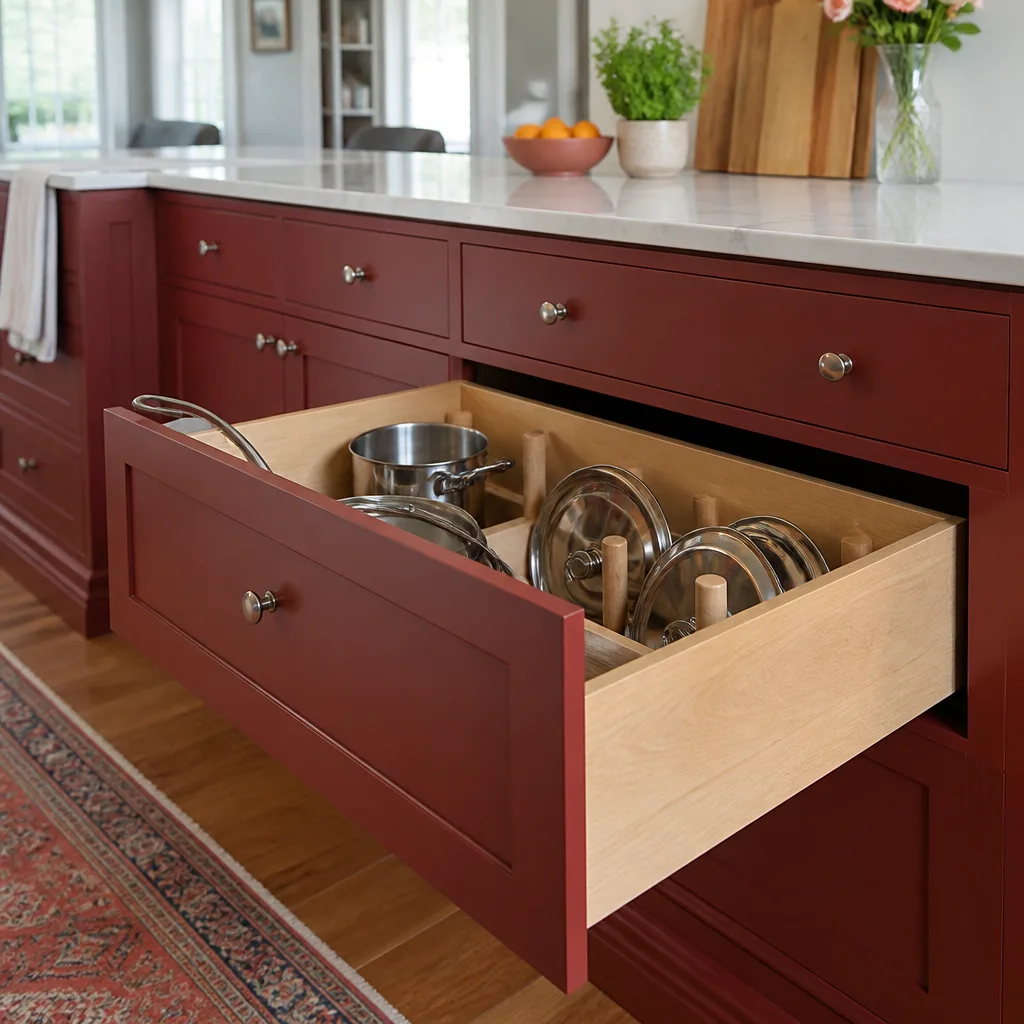
- Cabinet hardware, drawer pulls, and knobs
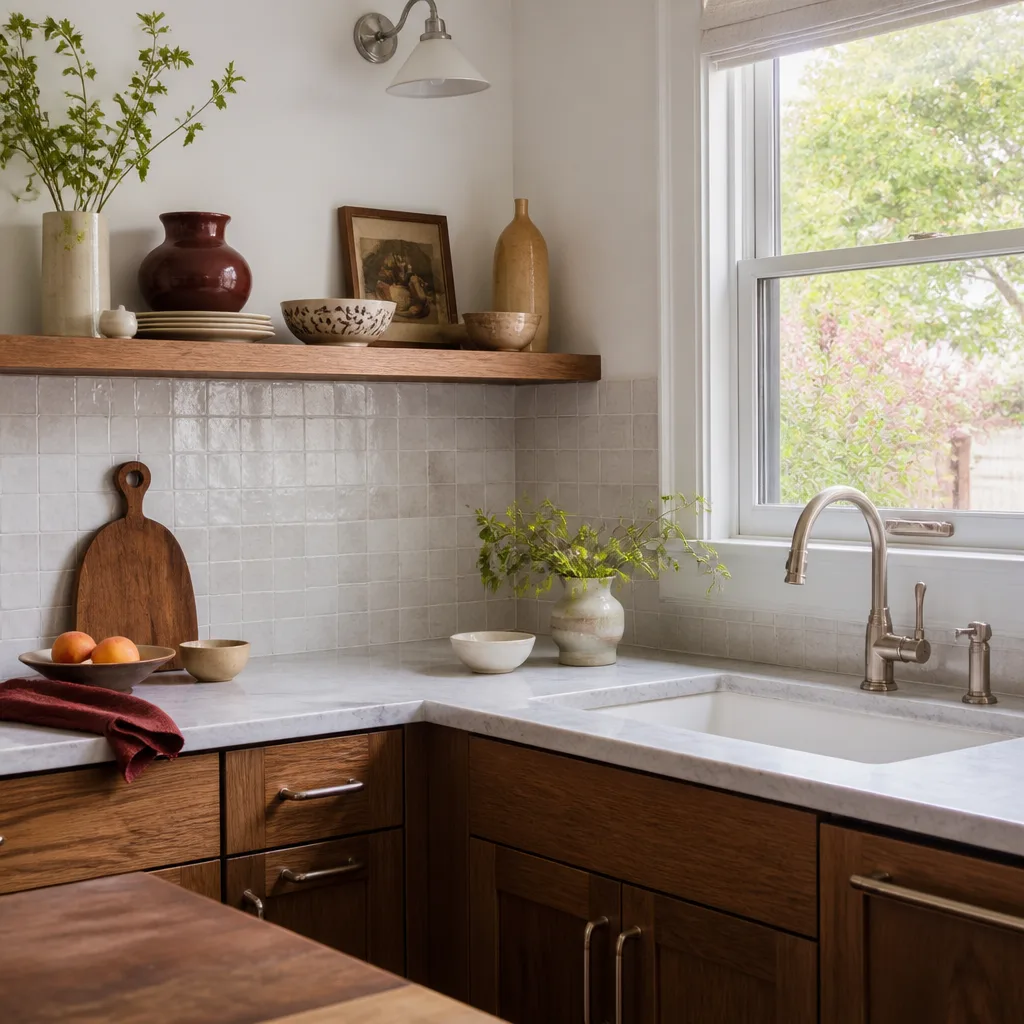
- Backsplash tile over an existing sound substrate
- Surface flooring like luxury vinyl plank over a level subfloor
- Non-load-bearing demolition, like pulling old cabinets after utilities are capped
- Caulking, trim, and finish carpentry that doesn’t carry load
On the other side of the line, the work that requires a licensed trade includes electrical circuit work, panel upgrades, gas line relocation, plumbing supply and drain moves, structural wall removal, and anything touching load-bearing framing. In our experience on Sunnyvale remodels, the confusion usually starts at the electrical panel. Homeowners see a breaker slot and assume swapping it is minor. It’s not, and it’s the exact spot where the permit and insurance questions collide.
What an Owner-Builder Permit Actually Means in Santa Clara County
An owner-builder permit lets you pull a permit in your own name for work on your primary residence without holding a contractor license. In Santa Clara County, that permit still requires plans, inspections, and full compliance with the California Building Code, and it does not let you legally perform licensed trade work yourself. It lets you act as your own general contractor, hiring and scheduling licensed subs for the trades and taking on the permit responsibility.
The costs are concrete. A kitchen remodel permit through the City of Sunnyvale typically runs in the low hundreds to roughly $2,000 depending on scope, valuation, and how many trades are involved. The bigger cost is time. Plan review can take several weeks, and each inspection is a separate scheduled visit with its own sign-off. Miss a step and the project stalls until it’s corrected.
There’s also a liability piece people miss. When you pull an owner-builder permit, you’re signing a declaration that you’re doing the work for your own use and not for sale or rent within one year. Sell sooner and the permit history can complicate the transaction. If your plan is to remodel and list, an owner-builder permit is the wrong tool. A licensed general contractor pulling the permits in their name keeps the liability where it belongs.
Kitchen Tasks That Are Genuinely Safe to DIY
These are the tasks where DIY genuinely saves money, keeps you legal, and doesn’t risk your insurance. They’re also, not coincidentally, the tasks where the finish work shows. A careful homeowner with patience can do them well.
- Painting and refinishing. Interior paint, cabinet doors, and trim. Use a quality primer and sand between coats. This is the highest-value DIY task in a kitchen remodel and the lowest risk.
- Cabinet hardware. New pulls and knobs on existing doors. Use a drilling jig to keep holes aligned, and measure twice before the bit touches the face frame.
- Backsplash tile. Setting tile over an existing sound substrate is within reach for a patient DIYer. The substrate has to be flat and clean, and waterproofing around the sink matters. If the existing wall is compromised, stop and get it assessed.
- Surface flooring. Luxury vinyl plank or click-together floating floor over a level subfloor. No adhesive, no subfloor changes, fully reversible if you get it wrong.
- Non-structural demolition. Pulling old cabinets, removing a tired backsplash, and hauling debris, after a licensed electrician has capped and disconnected the utilities. Never demo before the utilities are safely handled.
- Final cleaning and touch-up. The detail work at the end that makes a room feel finished.
What ties these together is that none of them touch a circuit, a gas line, a drain, or a load-bearing wall. That’s the test to apply to anything you’re considering doing yourself in a Sunnyvale kitchen. If it doesn’t cross one of those four lines, DIY is fair game. If it does, it isn’t.
Tasks That Require a Licensed Trade
Some work in a kitchen remodel is dangerous enough that even a skilled DIYer shouldn’t touch it, and California law doesn’t let them do it without a license anyway. This is the short list to hand to your contractor.
- Electrical panel work and circuit additions. New kitchen circuits for a range, dishwasher, disposal, or dedicated outlets require a licensed electrician and a permit. Panel upgrades or breaker swaps are not DIY in California.
- Gas line relocation or new gas runs. Moving a range or adding a gas line is licensed-plumber or licensed-gasfitter work, permitted, and inspected. A gas leak is a fire and carbon monoxide risk.
- Plumbing supply and drain relocation. Moving a sink, adding a disposal circuit, or relocating a dishwasher drain requires a licensed plumber and inspection.
- Structural wall removal or load-bearing modifications. Any wall that carries load needs an engineer’s input, a permit, and a licensed contractor to execute it.
- Cabinet installation where the cabinets are structural or support a heavy stone countertop. Hanging cabinets over a Cambria or Silestone countertop is a load calculation, not a level and a screw gun.
If you’re sourcing cabinets from KraftMaid or Wellborn and pairing them with a quartz top from Cambria, the installation is where the money either holds up or doesn’t. A mis-set cabinet that pulls away from the wall under a stone top is a rework cost, not a savings.
Cost-Benefit Analysis: Where DIY Saves and Where It Costs Double
Kitchen remodels in the Sunnyvale market typically run $18,000 to $55,000 depending on layout changes, cabinet line, and countertop material. A cosmetic refresh with paint, hardware, and a new backsplash can come in under $10,000. The question isn’t whether DIY cuts the number. It does. The question is where.
Where DIY saves real money:
- Painting and refinishing: $1,500 to $3,500 in labor avoided
- Cabinet hardware: $300 to $800 in labor avoided
- Backsplash tile: $1,200 to $2,800 in labor avoided
- Surface flooring: $1,500 to $3,000 in labor avoided
- Non-structural demo and haul-away: $800 to $2,000 in labor avoided
Where DIY creates rework that exceeds what a contractor would have charged:
- Electrical: a DIY circuit error can cost $2,000 to $6,000 to correct and re-inspect, before insurance consequences
- Plumbing: a slow leak behind a finished wall can mean tearing out cabinetry and tile, a $4,000 to $9,000 fix
- Cabinet installation: a mis-aligned run that fails under a quartz top means new cabinets and new stone
- Tile over a compromised substrate: cracked tile six months in means demo and re-set, often double the original cost
In our experience, the break-even point is roughly where the task crosses into a permit. Below it, DIY usually pays. Above it, the rework math flips hard and fast.
The Insurance and Resale Angle
This is the section most DIY guides skip. Unpermitted work performed by a homeowner, whether the work itself was done well or not, is the part that shows up on a home inspection years later and costs you at sale. Kitchen electrical and plumbing are the two categories inspectors flag most often, and both are the categories most likely to be DIY.
Here’s how it plays out:
- Insurance. Most homeowner policies exclude damage caused by unpermitted or unlicensed work. If a DIY electrical fire starts in a kitchen circuit that was added without a permit, the insurer can deny the claim and leave you covering the loss.
- Resale. A home inspector will flag unpermitted work, and the buyer’s lender may require it to be brought to code before closing. That means an inspection, a permit, and a licensed correction, all paid by you and all happening during a sale.
- Liability. If a future owner is injured or their property damaged by work you performed without a permit, the disclosure trail can point back to you.
The permit is cheap compared to this. A pulled and inspected permit is a record that the work was done to code by a licensed trade. It’s the paper that protects the value of the remodel you just paid for. For homeowners in Sunnyvale who plan to stay a decade or more, the resale angle feels abstract until it doesn’t.
What a Hybrid Remodel Looks Like in Practice
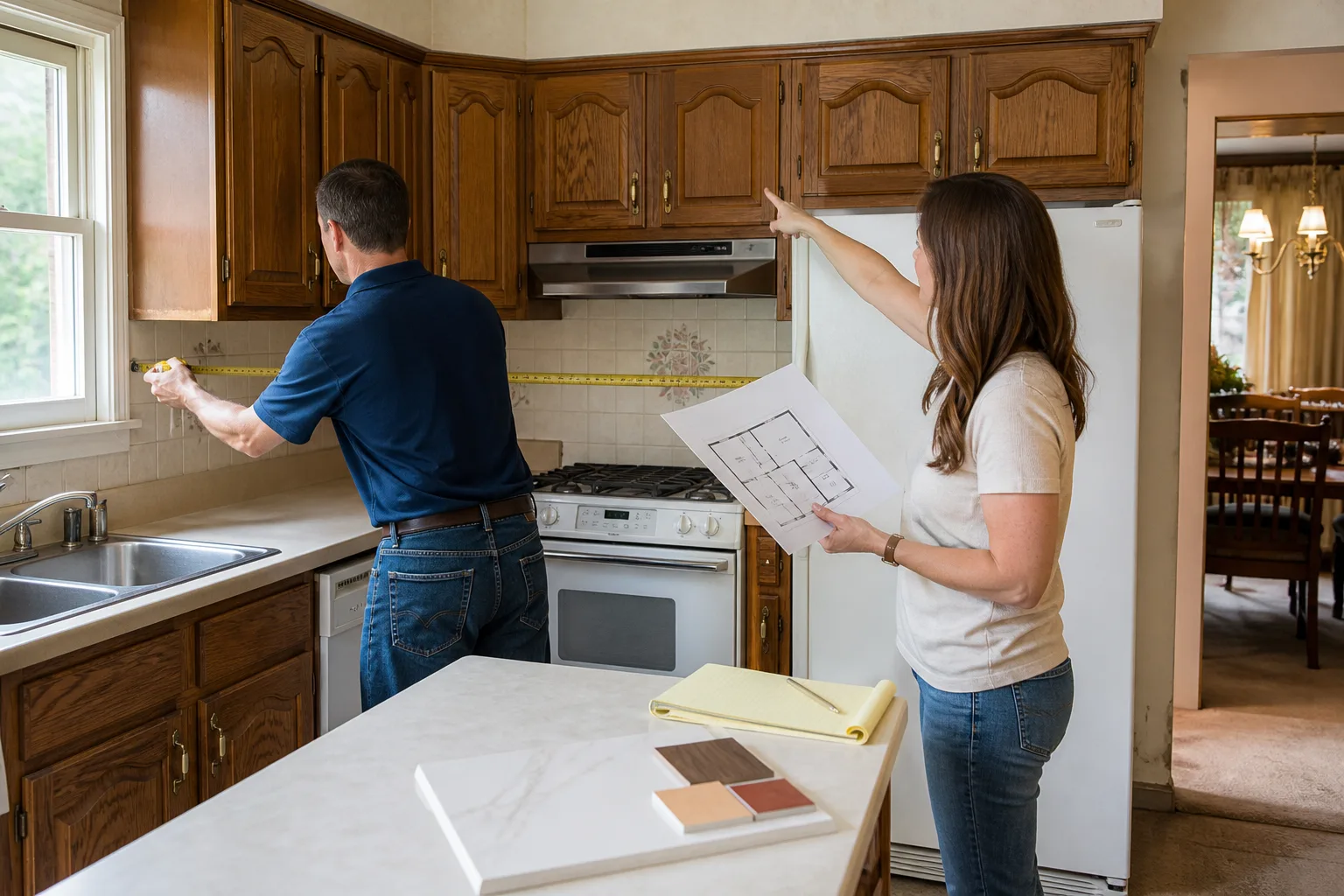
The hybrid approach is where most careful homeowners land, and it’s the approach we build into our kitchen remodeling in Sunnyvale projects when a homeowner wants to participate. Hire the licensed contractor for the trade work and the permit, and keep the prep, demo, and finish work. Structure the agreement in writing so both sides know exactly what they own.
- Scope split in writing. The agreement lists every task, who performs it, and who holds the permit. Trade work goes to licensed subs. Prep, demo after utilities are capped, and finish work can go to you.
- Permit pulled by the contractor. The licensed contractor pulls the permit and schedules the inspections for the trade work. Your finish work doesn’t need a permit, but the trade work does, and it has to be signed off before the finish goes on top.
- Sequencing. Demo, then rough-in by the licensed trades, then inspection, then your finish work. Getting out of sequence is the single most common hybrid failure.
- Change-order clause. A written clause that covers what happens if the scope shifts and how the pricing changes. No verbal additions.
Penhallow Remodeling Sunnyvale offers a written price before any work starts, and the 365-Day Done Right Promise applies to every project we touch. That’s what makes the hybrid work: the trade work carries a written guarantee, and the scope split is on paper before the first cabinet comes down.
Common Mistakes to Avoid
- Demo before the utilities are capped. Pulling cabinets while a live circuit or gas line is still connected is how homeowners get hurt. Have a licensed electrician and plumber cap and disconnect first.
- Assuming owner-builder permits cover licensed trade work. They don’t. The permit lets you act as your own GC, not your own electrician.
- Tile over a soft substrate. Sunnyvale homes near the older neighborhoods often have wallboard that’s absorbed decades of moisture. Tile goes over sound cement board substrate (the moisture-resistant layer behind your tile), not over soft drywall.
- Skipping the permit to save a few hundred dollars. The permit is the cheap part. The unpermitted electrical that fails inspection at sale is not.
- Buying cabinets before the rough-in is settled. A cabinet order placed before the electrical and plumbing rough-in locks in a layout that may not fit the permitted plans. Order after rough-in sign-off.
- Verbal scope splits. If your contractor doesn’t put the DIY scope in writing, you don’t have an agreement. You have a disagreement waiting to happen.
- Doing finish work on top of uninspected trade work. If the electrical inspection isn’t signed off, the backsplash shouldn’t go up. Once it does, the correction is a tear-out.
When to Call a Professional
Call a professional the moment a task touches a circuit, a gas line, a drain, a load-bearing wall, or a permit. That’s the legal and insurance line, and it’s also the practical one. If you’re relocating a range or sink, upgrading a panel, removing a wall, or installing a stone countertop over new cabinetry, you need a licensed trade and a pulled permit, and the rework math flips the wrong way fast if it’s done wrong. If you’re weighing a hybrid remodel and want the scope split on paper, our general contractor in Sunnyvale service handles the permit, the trade scheduling, and the written scope.
Penhallow Remodeling Sunnyvale offers free estimates in Sunnyvale. Call (888) 426-8719 to schedule yours. A live person answers the phone 24/7, and every estimate comes as a written price before any work starts.
Frequently Asked Questions
No. California law requires a licensed electrician for electrical circuit work, panel work, and new outlets in a kitchen, and the work must be permitted and inspected. Doing it yourself without a license and permit puts your homeowner’s insurance claim at risk if something goes wrong. Call (888) 426-8719 for a free estimate on the trade work.
In Sunnyvale, homeowners can legally DIY painting, cabinet hardware, backsplash tile over a sound substrate, surface flooring, non-structural demolition after utilities are capped, and finish carpentry. Anything touching a circuit, a gas line, a drain, or a load-bearing wall requires a licensed trade and a permit. Call (888) 426-8719 for a free estimate if you want the scope split in writing.
A kitchen remodel permit through the City of Sunnyvale typically runs in the low hundreds to roughly $2,000 depending on project valuation and how many trades are involved. Plan review can add several weeks to the schedule. Call (888) 426-8719 for a free estimate that includes the permit and inspection costs up front.
Yes. Most homeowner policies exclude damage caused by unpermitted or unlicensed work, so a DIY electrical fire in a kitchen circuit can be denied entirely. The permit and inspection record is what keeps the claim payable. Call (888) 426-8719 to talk through what needs a permit before you start.
Yes, you can pull an owner-builder permit for work on your primary residence and act as your own general contractor. It doesn’t let you legally perform licensed trade work yourself, and it carries a one-year restriction if you sell or rent the home. Call (888) 426-8719 for a free estimate on the trade work if you want to hybrid the project.
A cosmetic refresh with paint, hardware, and a new backsplash can come in under $10,000 if you DIY the finish work. A full professional remodel in the Sunnyvale market typically runs $18,000 to $55,000 depending on layout, cabinet line, and countertop material. Call (888) 426-8719 for a written price before you commit either way.
The Bottom Line
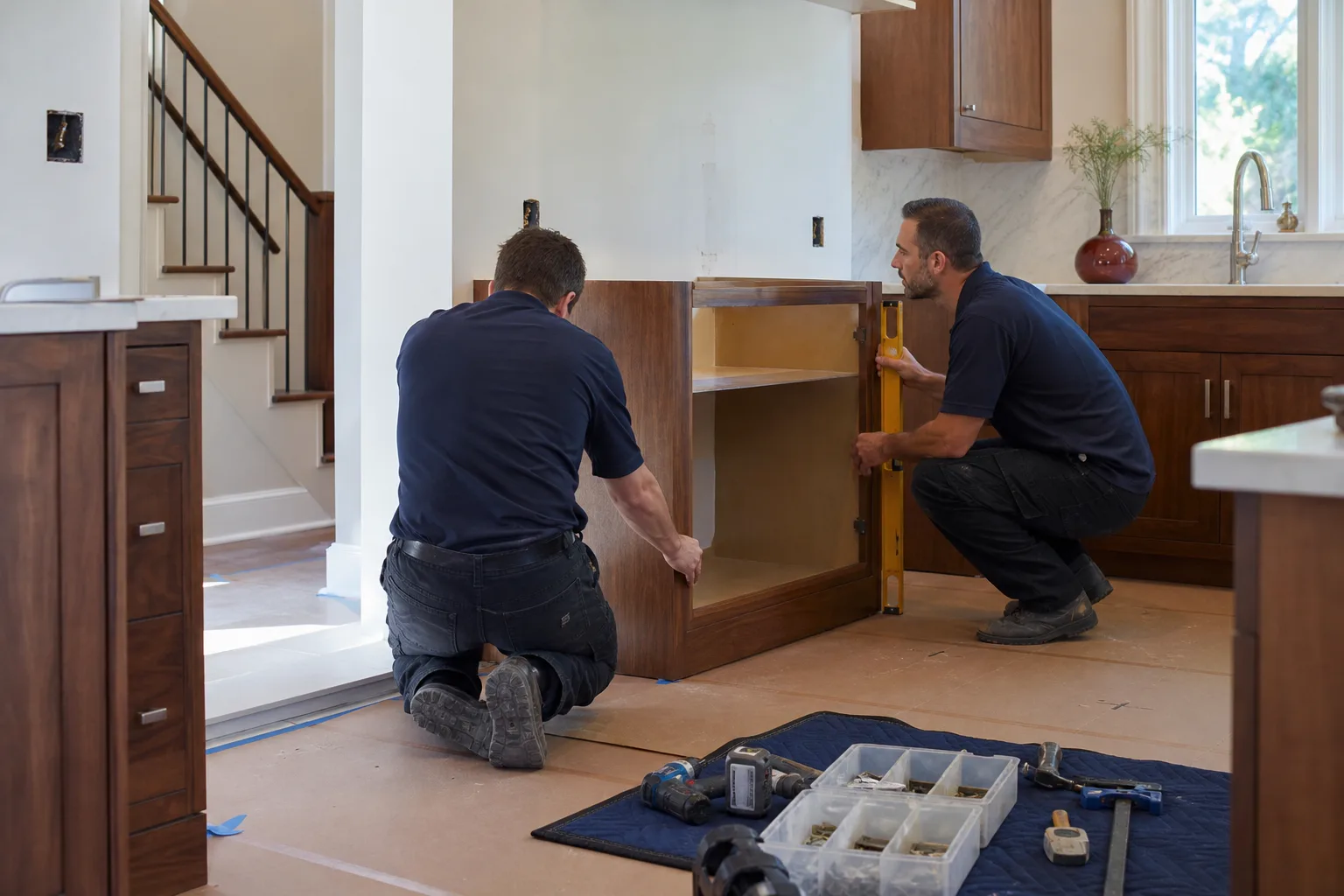
The kitchen remodel DIY question is a legal question first and a skill question second. Painting, hardware, backsplash, surface flooring, and non-structural demo are safe to do yourself and worth the savings. Electrical, gas, plumbing, structural walls, and anything requiring a permit belong to a licensed trade, and the permit is what protects your insurance claim and your resale value. A hybrid remodel, with a written scope split and the trade work done by a licensed contractor, is usually the best of both. If you’re in Sunnyvale and want the scope and the price on paper before the first cabinet comes down, we’re here.
To schedule a free estimate, call (888) 426-8719. Every project carries a written price up front, the 365-Day Done Right Promise, and background-checked, uniformed technicians on every job. You can also start with our Penhallow Remodeling Sunnyvale home page for the full picture of what we do, or look at bathroom remodeling in Sunnyvale if you’re planning more than one room.
Written by the team at Penhallow Remodeling Sunnyvale.
See the difference
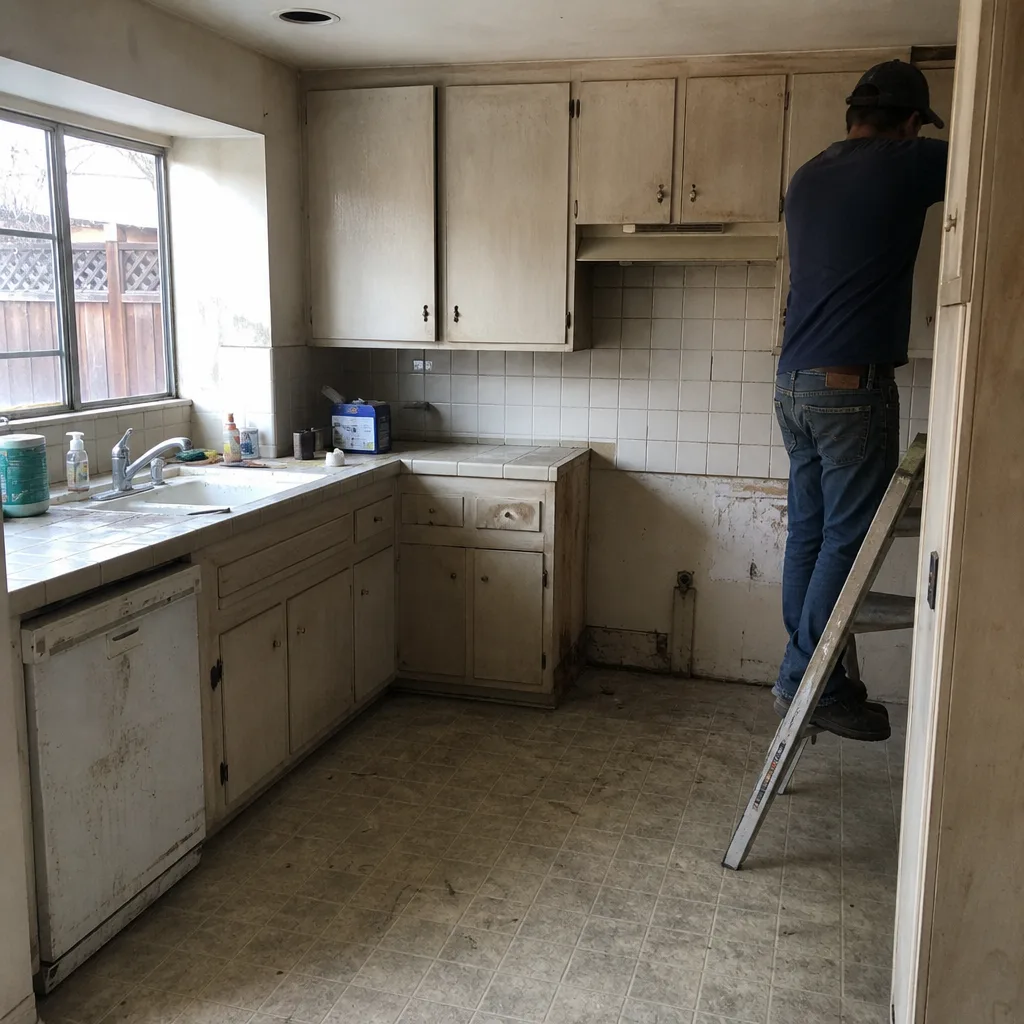 Before
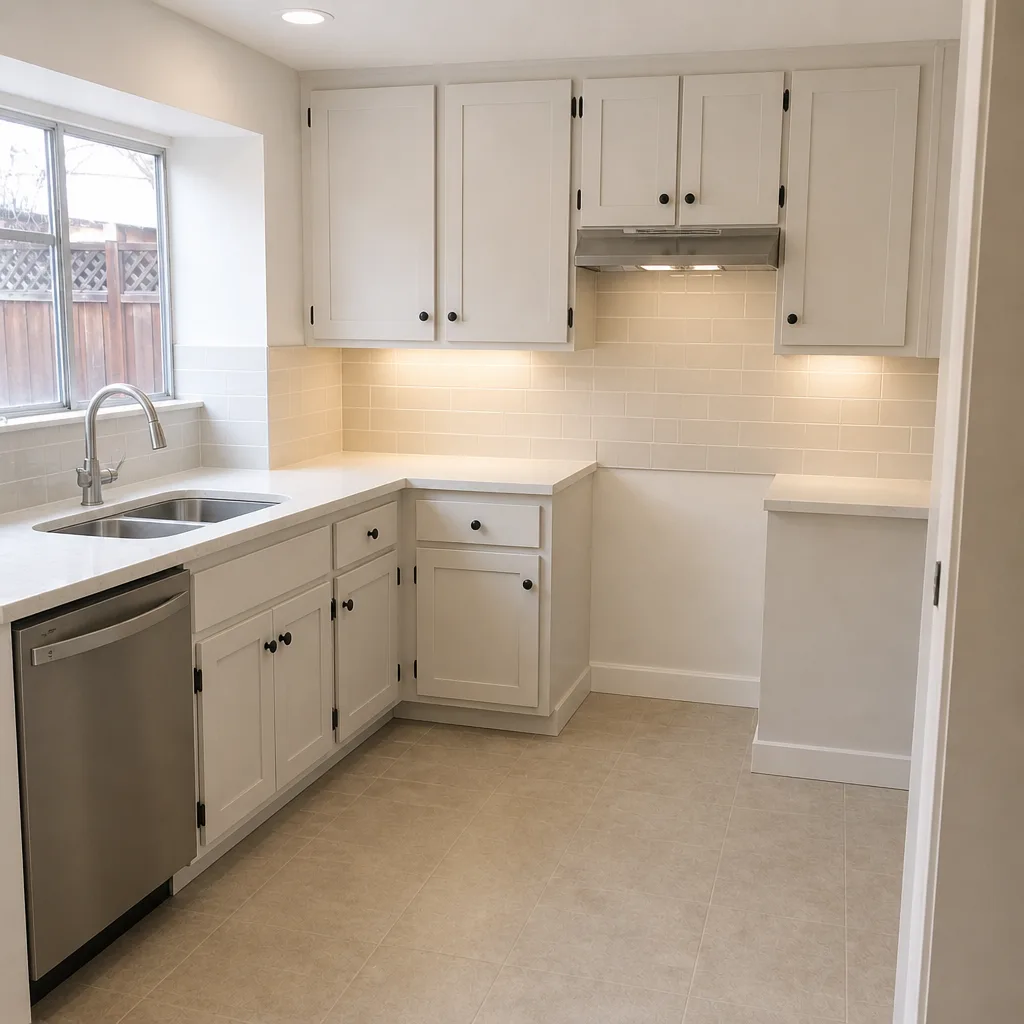 After
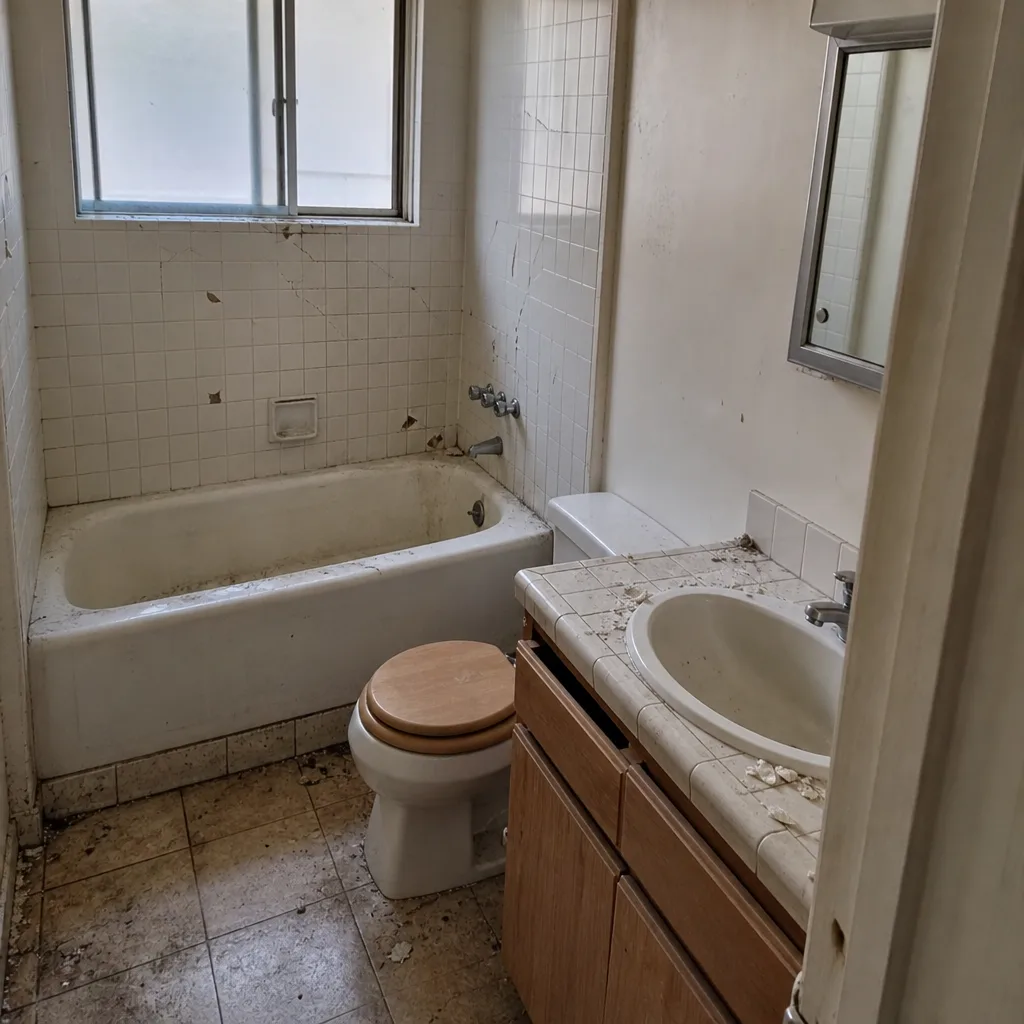 Before
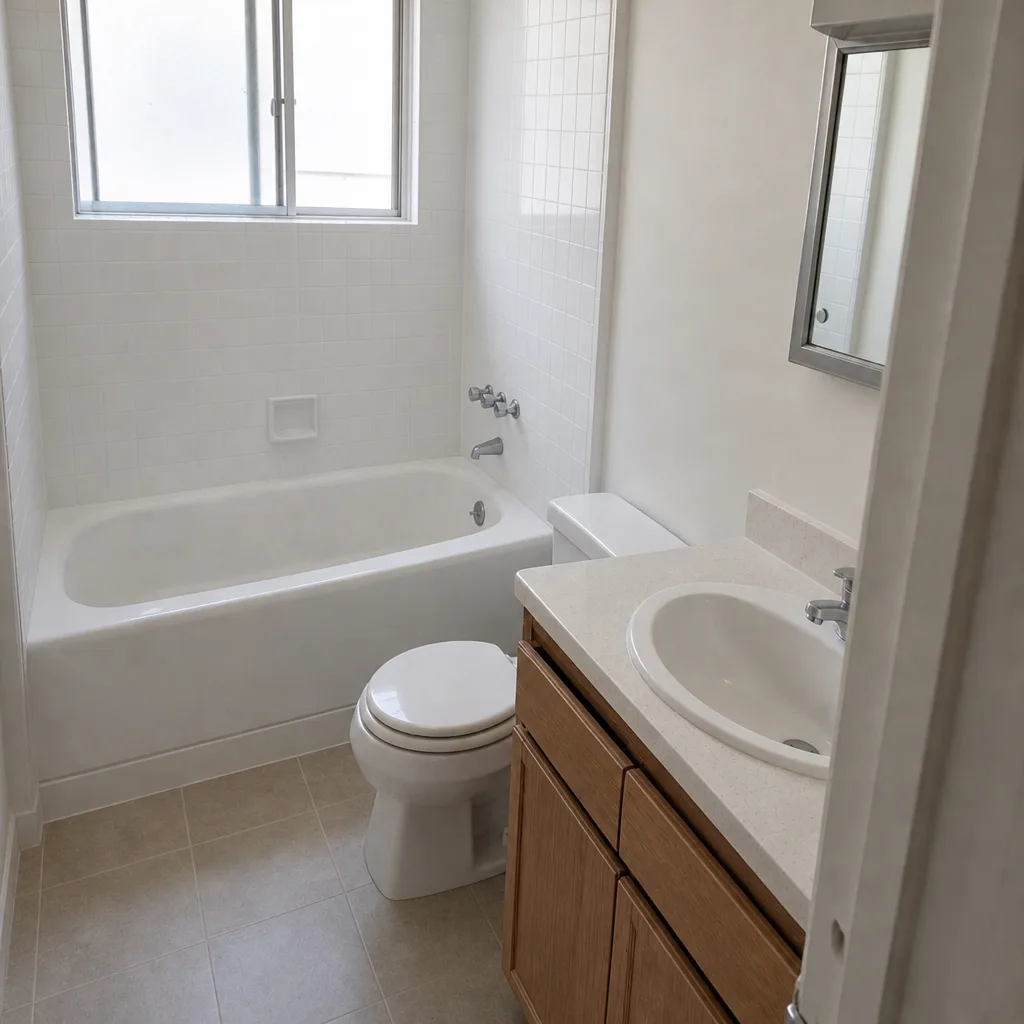 After
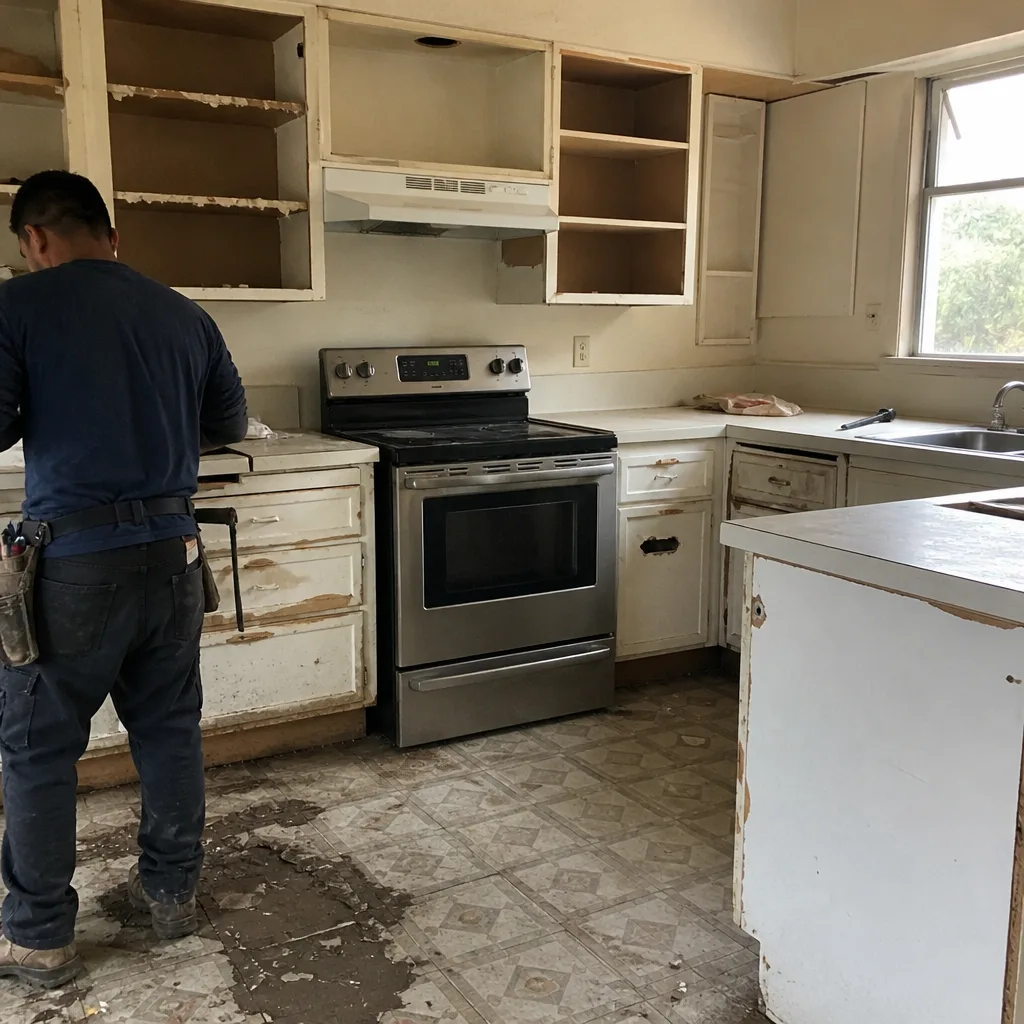 Before
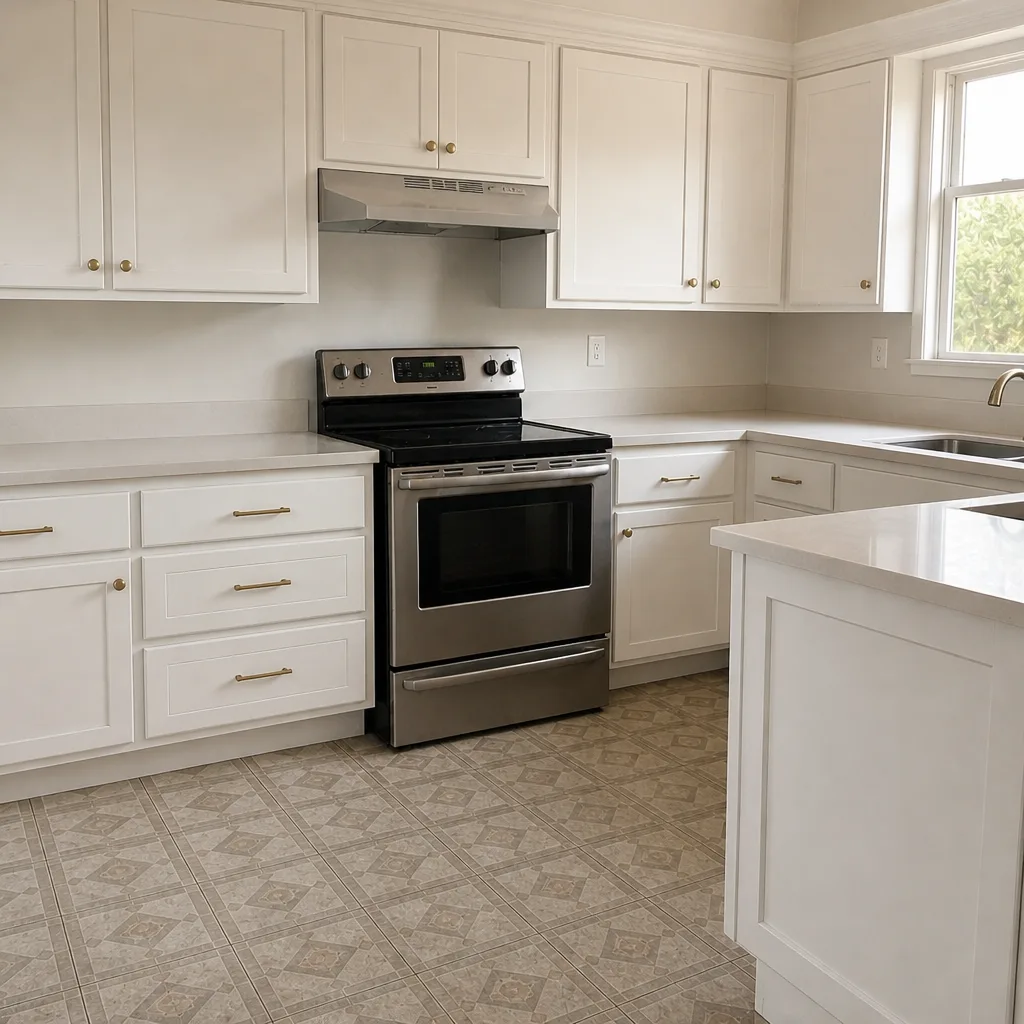 After