Last updated November 17, 2026




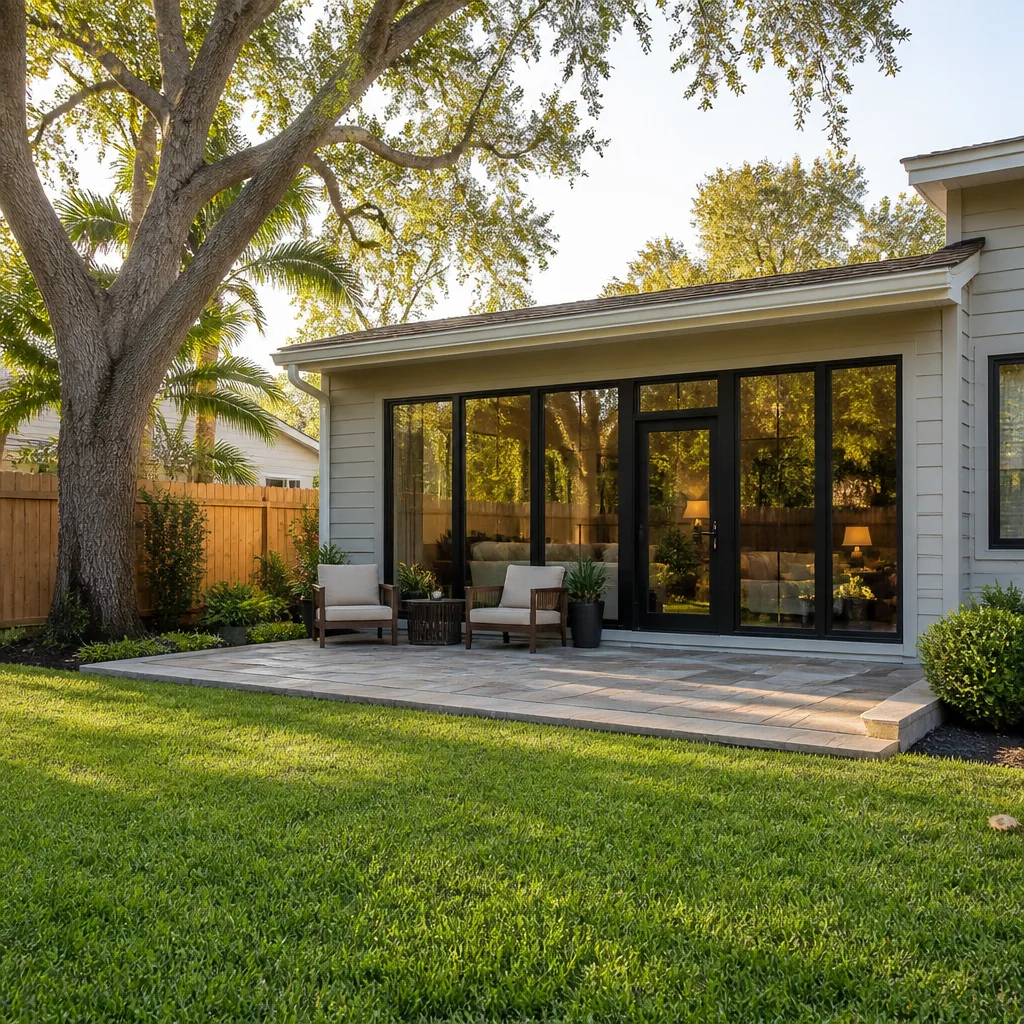

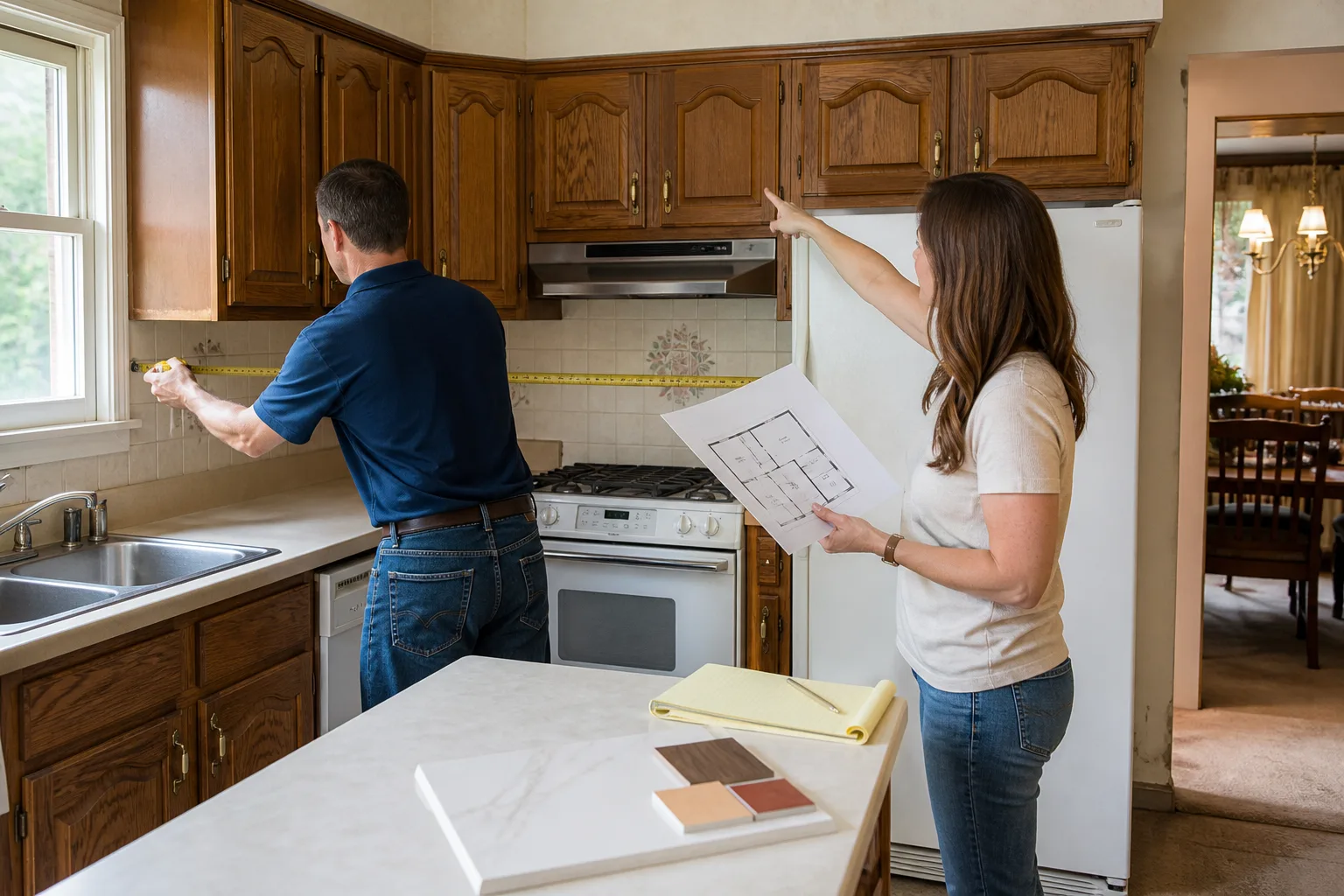
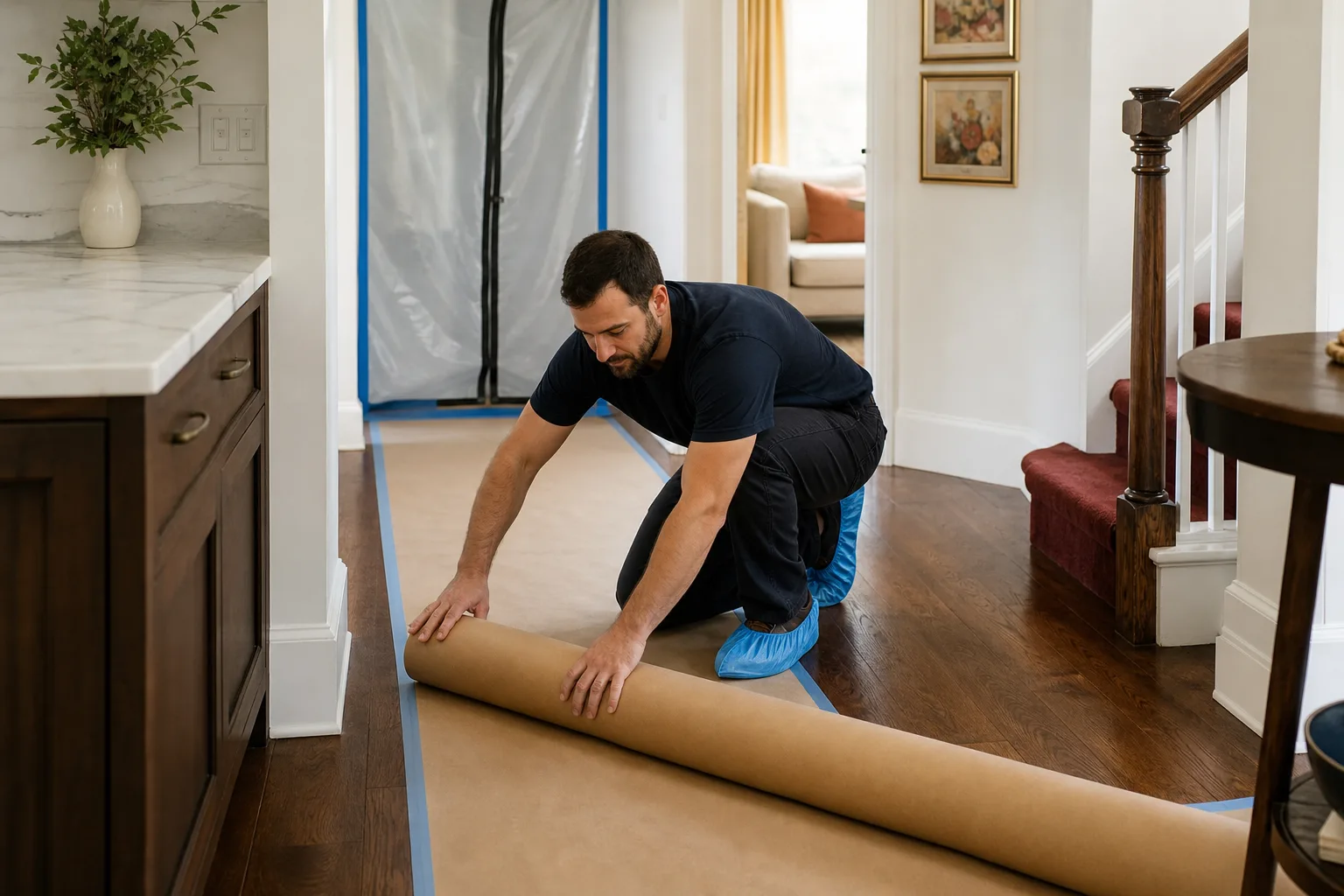
Free written scope consultation - allowances, timeline, and change-order rules on paper before a single trade is scheduled
Construction Emergency Preparedness Guide for Sunnyvale Homes
Most Sunnyvale homeowners call a contractor for the first time at the worst possible moment: while water is coming through the ceiling. That’s the wrong time to be comparing bids, hunting down a license number, or reading a contract for the first time. Construction emergencies in Sunnyvale homes are rarely the dramatic earthquake most people picture. They’re the slow crises that build quietly for months – a failing water heater strap, a sewer lateral that’s been root-invaded for years, a roof penetration that only announces itself during the first big December storm. This guide covers the five emergencies we see most often in Sunnyvale, how to respond in the first hour, what to keep in your home emergency file, and why the homeowners who come through these events best are the ones who had a written contractor relationship before anything broke.
Quick Answer
The most common construction emergencies in Sunnyvale homes are sewer lateral failures, roof penetration leaks during winter storms, water heater failures, foundation crack discoveries, and HVAC system failures – and the single most valuable preparation is a documented relationship with a licensed contractor before you need one, so you’re negotiating scope after an event rather than negotiating price, license verification, and contract terms mid-crisis. Keep a home emergency file with permit history, contractor contacts, and utility shutoff locations, and document any damage with dated photos before cleanup begins.
Styles & brands we work with
- Kitchen remodeling
- Bathroom remodeling
- Home additions & ADU
- Roofing
- Windows & doors
- Driveway & pavers
- Fence
Table of Contents
- The Five Most Common Construction Emergencies in Sunnyvale Homes
- First-Response Steps for Each Emergency Type
- How to Document Emergency Damage for Insurance and Contractors
- What Belongs in Your Home Emergency File
- Why Emergency Contractor Pricing Is Higher (and How to Change Your Position)
- Sunnyvale Emergency Resources: When to Call the City First
The Five Most Common Construction Emergencies in Sunnyvale Homes
The emergencies that actually show up in Sunnyvale housing stock follow the age of the neighborhood. The postwar ranch homes around Raynor and Washington Park, many built in the 1950s and 1960s, are hitting the age where original galvanized plumbing and clay sewer laterals fail without warning. The newer townhome clusters near downtown and along the Caltrain corridor deal with a different set of issues – roof penetrations at valleys and vents, plus HVAC systems installed during the building boom that are now at end-of-life together.
Here are the five we deal with most:
- Sewer lateral failure. The buried pipe running from your house to the city main collapses or root-intrudes. You’ll know by backups in the lowest drain, gurgling, or sewage smell in the yard.
- Roof penetration leak. Flashing around chimneys, skylights, and vent pipes fails first. In Sunnyvale, these leaks typically surface during the first sustained rain of the season in late November or December, not gradually through the summer.
- Water heater failure. A tank that rusts through, or strapping that was never brought up to current seismic code, releases 40 to 50 gallons into a garage or closet in minutes.
- Foundation crack discovery. Usually found during a remodel scope survey or a pre-sale inspection – not an emergency in the classic sense, but a discovery that requires fast, competent advice before you panic.
- HVAC system failure. A dead furnace in January or a failed condenser in a September heat wave. Less structurally damaging but genuinely urgent for households with infants or elderly residents.
Each of these has a different first-response playbook. The sewer lateral is the one most Sunnyvale homeowners are least prepared for, because you can’t see it and it usually announces itself with a backup into a shower drain at 11 p.m.
First-Response Steps for Each Emergency Type
The first 60 minutes of any construction emergency determine how much secondary damage you’ll absorb. Here’s the order of operations for each.
Sewer Lateral Failure
- Stop using all water fixtures immediately – every flush, every sink, every load of laundry adds volume to a blocked line.
- Shut off the main water supply at the meter if you have any suspicion of a break rather than a simple clog.
- Call a licensed plumber for a camera inspection of the lateral. Do not attempt to snake it yourself – a collapsed clay pipe pushed with the wrong tool can turn a $400 inspection into a $12,000 replacement.
- Document the backup before cleanup. Photos of standing water, the affected fixtures, and any sewage in the yard.
Roof Penetration Leak
Get a bucket under the drip, move electronics and furniture clear, and photograph everything before you touch a towel. Do not climb onto a wet roof. Roof work is genuinely dangerous, particularly on the older low-slope and shallow-pitch roofs common in some Sunnyvale neighborhoods – a fall from even a single story can be catastrophic. Call a licensed roofer for temporary weatherproofing. If the ceiling is bulging, pierce it with a small hole to drain the trapped water into a bucket; a controlled release prevents a full ceiling collapse.
Water Heater Failure
Shut off the gas supply (there’s a valve on the line to the unit) or the electrical breaker, then shut the cold water inlet valve on top of the tank. If the tank is actively leaking and you can safely reach the main water shutoff, do that too. Do not attempt to move a full or partially full tank. Gas appliance work is not a homeowner task – call a licensed plumber or HVAC technician.
Foundation Crack Discovery
Photograph the crack with a ruler or coin for scale and note its width. Hairline cracks under a sixteenth of an inch are usually cosmetic. Wider cracks, stair-step patterns in brick or block, or cracks accompanied by sticking doors and windows deserve a structural evaluation. This is not a call-your-handyman situation; get a licensed contractor or structural engineer out before you spend anything.
HVAC System Failure
Check the breaker, the filter, and the thermostat battery before calling. If those are fine and the system is silent, call a licensed HVAC technician. Gas furnace work in particular involves combustion and venting – do not open the unit yourself.
How to Document Emergency Damage for Insurance and Contractors
Documentation is where most homeowners lose money. Not because the damage wasn’t real, but because by the time an adjuster or contractor arrives, the evidence has been mopped up. Here’s the format we recommend, and it serves both your insurance claim and the contractor’s scope of work.
- Photograph before you clean. Wide shot of the room, medium shot of the affected area, close-up of the specific damage. Include a coin, ruler, or tape measure for scale on cracks and gaps.
- Timestamp everything. Most phones embed this automatically – make sure the setting is on. If not, write the date and time in a notebook with a corresponding photo number.
- Video walkthrough. A 60-second slow pan of the damage, narrated with what you see and hear, is worth more than 40 photos to most adjusters.
- Written notes. Date and time of discovery, what you were doing when you noticed, what you did in response, and every contractor who visited. Keep names, license numbers, and arrival times.
- Keep the damaged material. Don’t throw out the failed pipe, the rotted flashing, or the burned-out component until an adjuster or contractor has seen it. Bag it and label it.
- Receipts for everything. Emergency supplies, hotel nights if you’re displaced, and any temporary repairs.
For insurance claims, this documentation typically needs to be submitted within a set window – your policy will specify. For contractor scoping, the same photos help any licensed professional give you a more accurate number on the first visit instead of the third.
What Belongs in Your Home Emergency File
Every Sunnyvale household should keep a physical and digital emergency file – a single folder, one copy in a drawer, one copy in cloud storage. The file answers the questions you won’t want to be researching at 2 a.m.
- Permit history. Every permit pulled on the property, with the inspection sign-offs. Sunnyvale’s building department keeps records, but you want your own copies. This is critical because any contractor scoping emergency repairs needs to know what’s already been permitted and inspected.
- As-built drawings, if you have them. Original plans for the home plus any remodel drawings. Not every homeowner has these – but if you do, they’re gold for a contractor trying to understand what’s behind a wall.
- Contractor contacts with license numbers. At least one licensed general contractor, one plumber, one electrician, and one roofer, each verified against the California State License Board.
- Utility shutoff locations. Where the water main shutoff is, where the gas meter and shutoff valve are, and where the electrical main breaker panel is. Walk your household through each one once. Photograph each shutoff with an arrow taped nearby.
- Insurance policy number and claims line. Also note the deductible – it determines whether small repairs are worth claiming.
- Appliance age and model numbers. Water heater, furnace, and AC. The age tells you what’s near end-of-life and worth replacing on your schedule rather than during an emergency.
Building this file takes an afternoon. It’s the highest-value afternoon you’ll spend on your home. If you’ve had any remodel work done, make sure the as-builts and permits from that project are in the file too – we’ve seen homeowners call us in an emergency and discover the “permitted” addition from ten years ago never had a permit pulled at all. If you’re planning a remodel, our team at Penhallow Remodeling as your general contractor in Sunnyvale pulls permits and passes inspections as a standard part of every project, which means your file stays current.
Why Emergency Contractor Pricing Is Higher (and How to Change Your Position)
Emergency pricing is legitimately higher than planned-work pricing, and anyone who tells you otherwise is either misunderstanding the economics or setting you up for a change order later.
Here’s what actually drives the number up:
- Scheduling disruption. A contractor has to pull a crew off a scheduled project to handle your emergency, often at a premium labor rate.
- Material sourcing. Same-day materials often come from retail suppliers at higher prices rather than the contractor’s usual trade channels.
- Diagnostic uncertainty. An emergency scope is discovered live. You can’t see behind the wall until you open it, which means any honest contractor has to quote assumed scope and adjust after demo.
- After-hours and weekend labor. Standard overtime costs apply.
That’s why a water heater replacement that runs $1,600 to $3,200 on a scheduled basis might run $2,200 to $4,500 in an emergency. The 30 to 40 percent premium is real. It’s also avoidable in a meaningful way: a homeowner who already has a written contractor relationship negotiates from a different position. They’ve already seen how the contractor prices, they’ve already confirmed the license and insurance, and they already have a written guarantee on file. The emergency visit becomes a scoping conversation rather than a trust-building conversation.
A written price before any work starts – the same standard we hold on every project – is what protects you whether the work is planned or emergency. On planned work, it’s a number you can compare and hold us to. On emergency work, it’s a number you can hold up against the verbal ballpark someone else is giving you at 11 p.m. If a contractor won’t put a number in writing mid-crisis, that’s information in itself.
Sunnyvale Emergency Resources: When to Call the City First
Not every construction emergency is a contractor call. Some situations require the city or the utility company first, and knowing the difference saves time and money.
Call the City of Sunnyvale Department of Public Works when:
- You suspect the problem is in the city’s portion of the sewer line (the main or the upper lateral) rather than your private lateral. If your neighbors are also backing up, it’s likely a city main issue.
- A tree in the public right-of-way has dropped a limb onto your roof or blocked access to your property.
- Water main breaks in the street are flooding your driveway or yard.
- You’re unsure whether a repair requires a permit. Calling the building department before work starts is always cheaper than calling after.
Call PG&E’s gas emergency line when:
- You smell natural gas anywhere in or around the home.
- A gas appliance (water heater, furnace, stove) is damaged or has been submerged.
- A contractor or crew damages a gas line on your property during any work.
For everything else – roof leak, failed water heater, foundation crack, HVAC failure – call a licensed contractor. If water is actively running into your home and you can’t stem it at the shutoff, that’s a fire-department-adjacent call. If you’re unsure whether the situation warrants emergency response, call your contractor. A live person answering that call is the whole point of having one on file.
We’ve seen the difference this makes in Sunnyvale. Homeowners who call us during an emergency without any prior relationship spend the first 20 minutes of the call verifying who we are. Homeowners who’ve worked with us before spend it describing the problem. That’s the entire prep argument in miniature.
Common Mistakes to Avoid
- Mopping up before photographing. Every minute of cleanup you do before you document the damage costs you in insurance reimbursement and makes the contractor’s scoping harder. Photograph first, always. Even a five-minute delay matters.
- Climbing onto a wet roof. It’s the most common serious injury in home emergencies. Water plus a shallow-pitch roof plus a homeowner with a tarp is a recipe for a fall. Call a roofer for the temporary weatherproofing.
- Hiring the first person who shows up. Emergency situations attract unlicensed and uninsured operators, and Sunnyvale is no exception. Verify a license against the CSLB before anyone starts work. If they can’t give you a number, don’t let them start.
- Accepting a verbal emergency price. The 11 p.m. verbal number is the number that grows at 7 a.m. after demo. If a contractor won’t put the number in writing before work starts, walk away unless it’s genuinely life safety.
- Assuming it’s an earthquake issue. The vast majority of construction emergencies we see in Sunnyvale are water, sewer, roof, and HVAC failures – age and weather, not seismic. Prepare for the slow crises, not just the dramatic one.
- Not knowing where the water shutoff is. We’ve walked into Sunnyvale homes where a failed water heater ran for 40 minutes because nobody in the house knew how to shut off the main. Find your shutoff this week.
- Skipping the sewer lateral inspection on older homes. If your Sunnyvale home was built before 1980 and you haven’t had the lateral camera-inspected, do it this year. A $400 inspection is cheaper than a $12,000 replacement, and both are cheaper than new flooring after a backup.
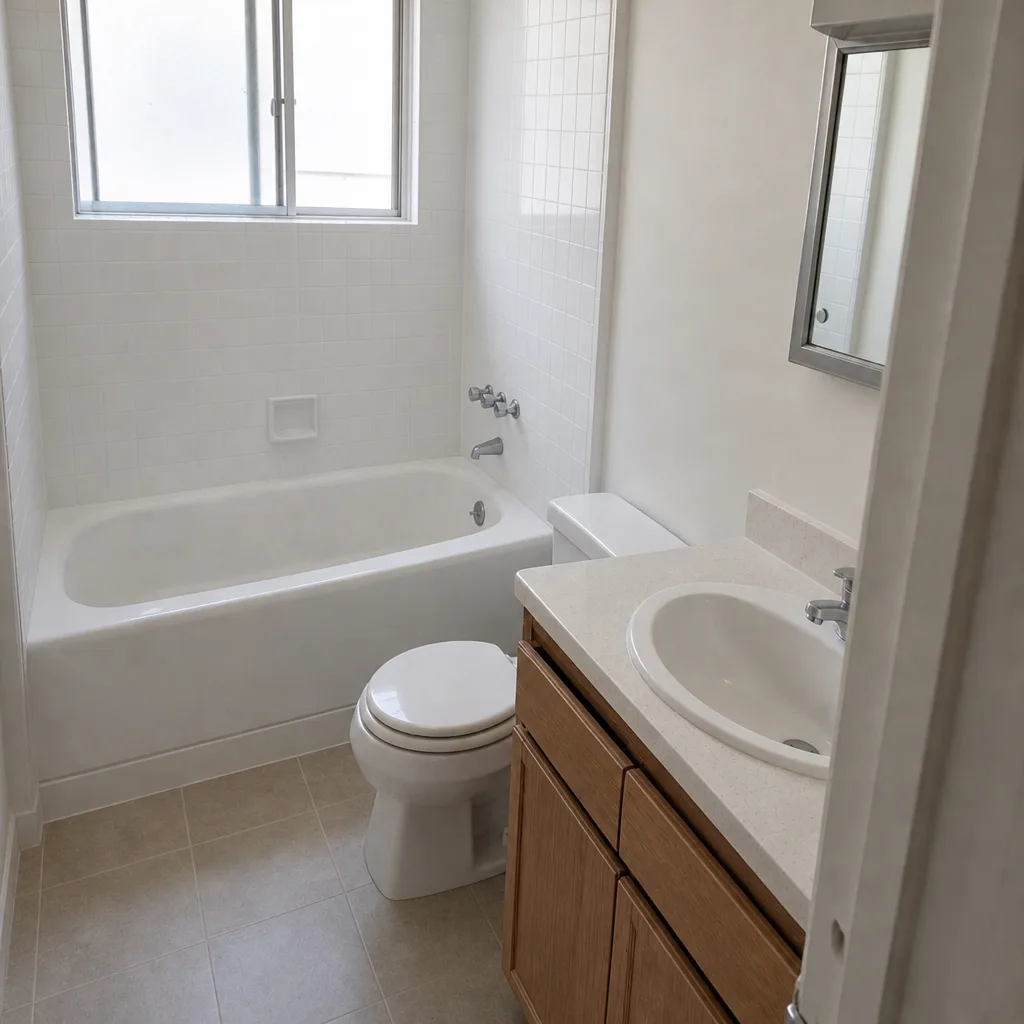
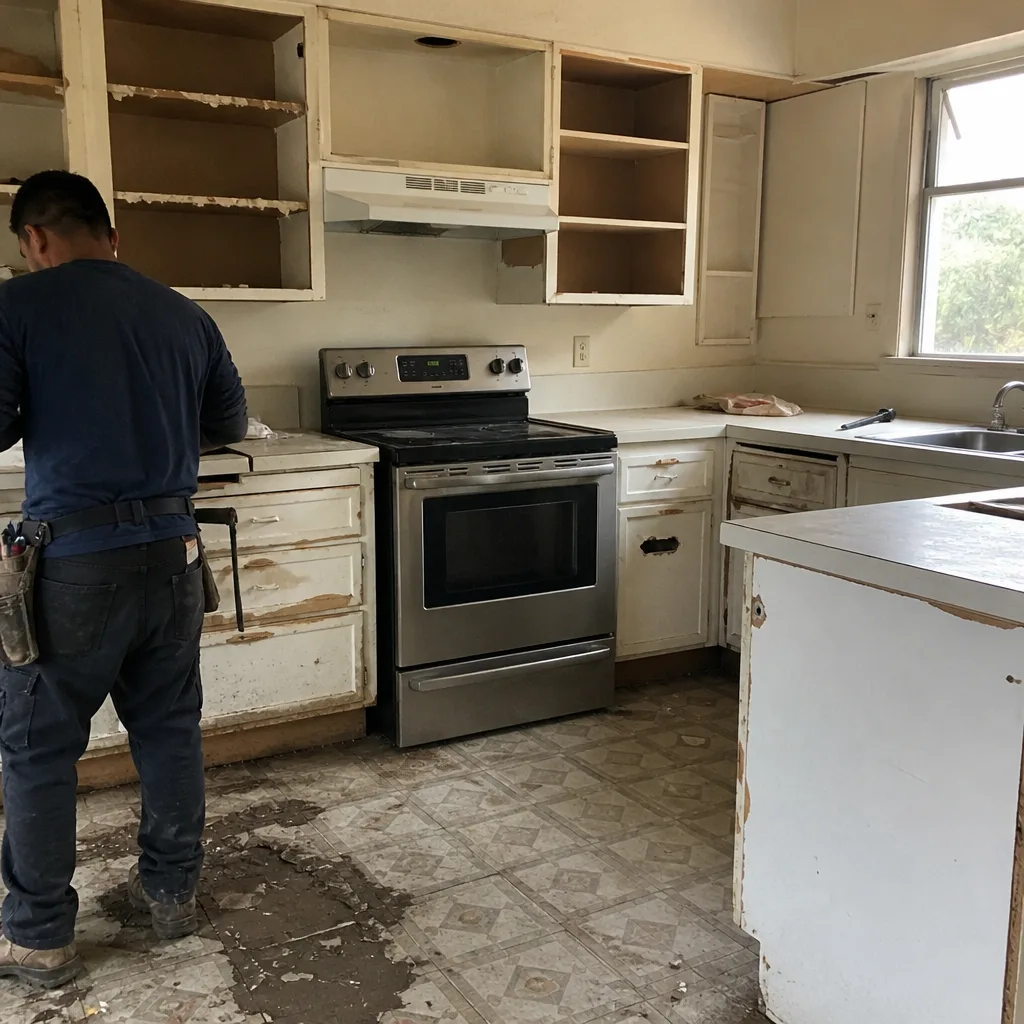
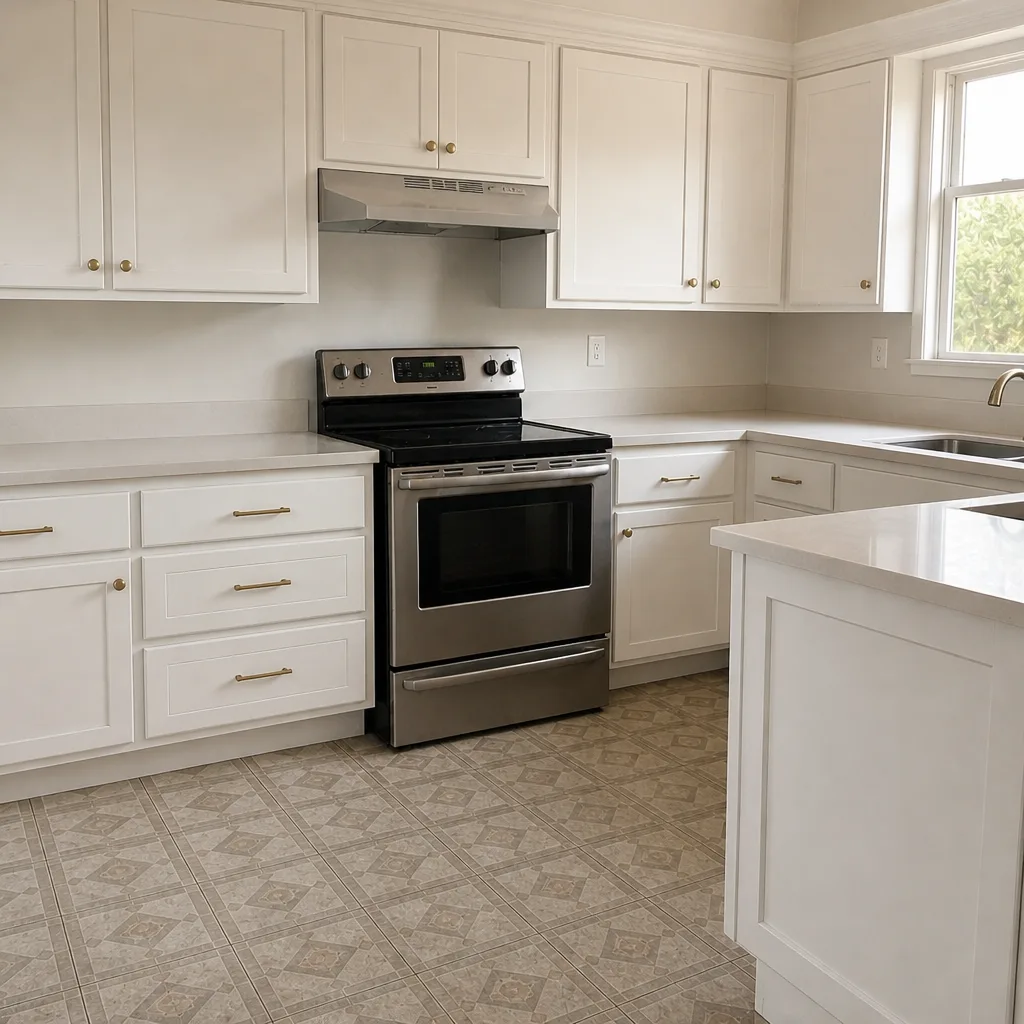
See the difference
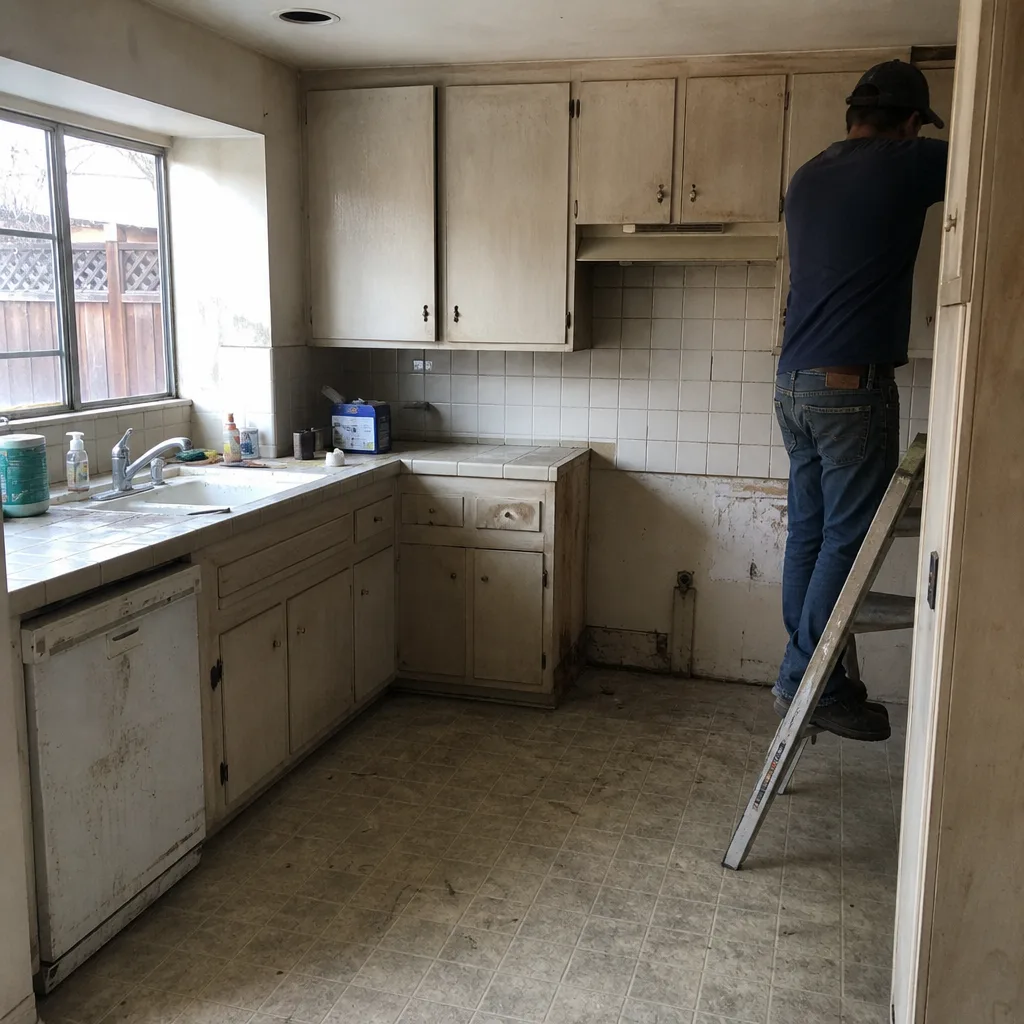 Before
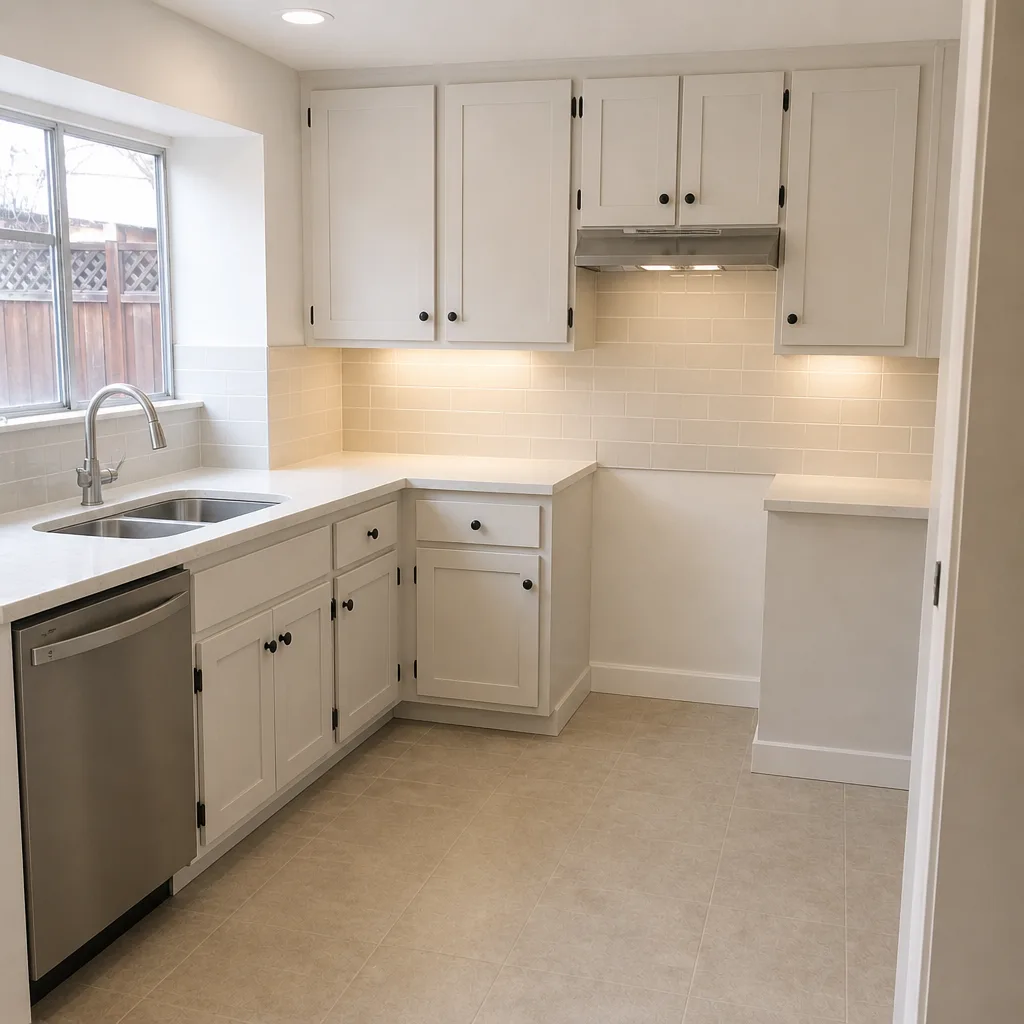 After
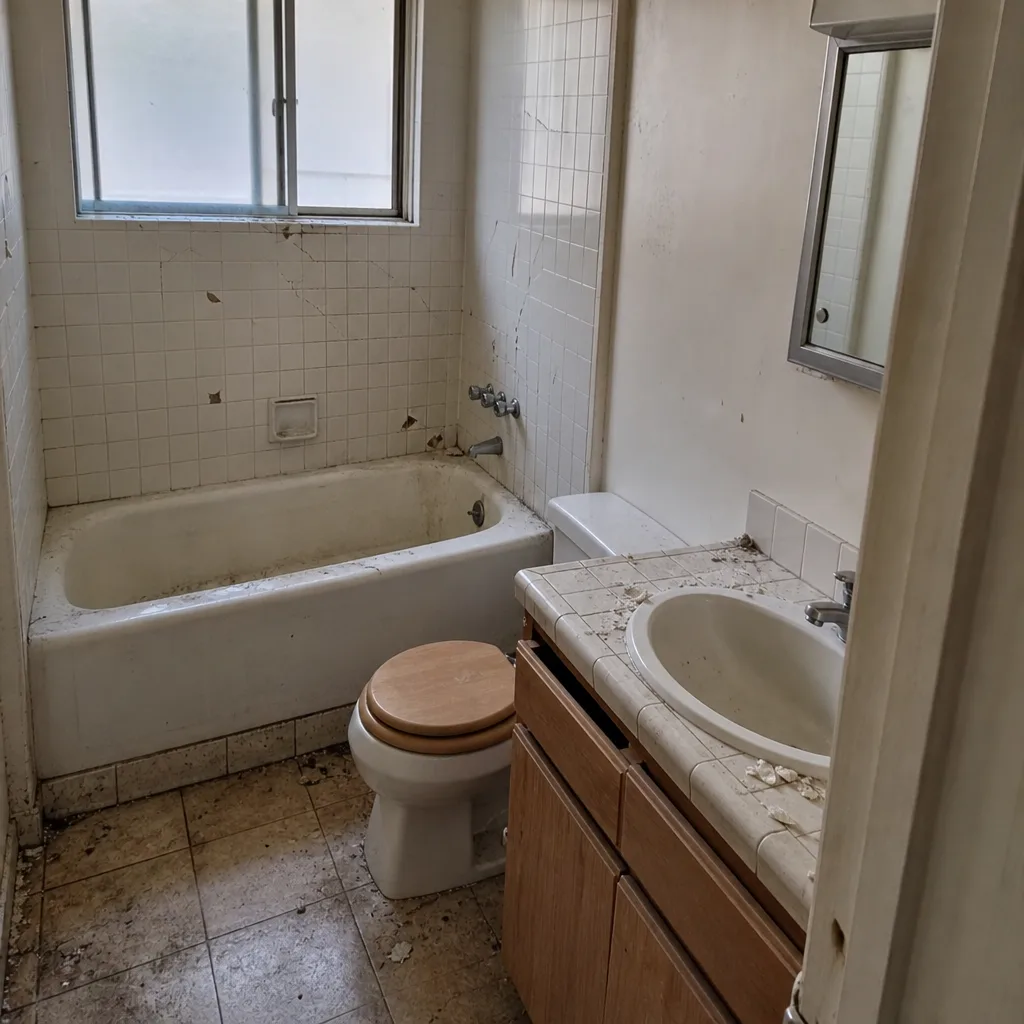 Before
 After
 Before
 After
When to Call a Professional
Call a licensed professional for any of these situations: active water intrusion you can’t stop at the shutoff, any sewer backup beyond a single slow drain, any gas smell, any roof leak you can’t trace from inside the attic, any foundation crack wider than a sixteenth of an inch or accompanied by sticking doors and windows, any HVAC failure where the unit won’t respond to a breaker reset, and any water heater leak with a failed or rusted tank.
If you’re unsure whether the situation is truly an emergency, call anyway. A licensed contractor or plumber can talk you through triage in five minutes and tell you whether you can wait until morning. Penhallow Remodeling offers free estimates for planned work across our Sunnyvale home base – call (888) 426-8719 to schedule one, whether that’s for an emergency repair scoping or a planned remodel you want to price before something fails. A live person answers, day or night.
Frequently Asked Questions
Sewer lateral failure is the single most common construction emergency in Sunnyvale homes, particularly in the older neighborhoods built before 1980 where original clay laterals have reached end-of-life and become root-invaded. Roof penetration leaks during the first winter rains are second. Both are slow-developing and preventable with a routine inspection. Call (888) 426-8719 for a free estimate on repair or planning scoping – it’s cheaper than the emergency visit.
Emergency water heater replacement in Sunnyvale typically runs $2,200 to $4,500, compared to $1,600 to $3,200 for a scheduled replacement. The difference is after-hours labor, retail-material sourcing, and scheduling disruption. A scheduled replacement is always cheaper than an emergency one. Call (888) 426-8719 for a free written estimate if your water heater is nearing end-of-life.
Most homeowners insurance policies cover sudden, accidental damage like a burst pipe or a fallen tree limb through the roof, but not gradual deterioration like a rusting water heater or a slowly failing sewer lateral. Document everything before cleanup to support a claim. Call your insurance before signing any contractor agreement on a claim-related repair; if it’s not a claim, call (888) 426-8719 for a free estimate.
Call the city first if neighbors are also backing up, because that points to a city main issue rather than your private lateral. If it’s isolated to your home, call a licensed plumber for a camera inspection first. Either way, stop using water immediately. For private-side repairs after the inspection, call (888) 426-8719 to schedule a free estimate.
Yes, in most cases. Emergency repairs that involve structural work, plumbing line replacement, electrical panel work, or gas line work require a permit in Sunnyvale, and licensed contractors pull them as standard. Temporary weatherproofing typically doesn’t. Any honest contractor will tell you which permits your repair needs before starting. Call (888) 426-8719 for a free estimate on permitted repair work.
In the first hour: stop the water or gas at the shutoff if you can safely reach it, photograph the damage before cleanup, move valuables clear, and call a licensed professional. Don’t attempt roof work, gas repair, or electrical repair yourself. For a free scoping estimate after the emergency has been stabilized, call (888) 426-8719.
The Bottom Line
The Sunnyvale homeowners who come through a construction emergency fastest are the ones who prepared for it in a quiet week, not the ones who reacted best at 2 a.m. Know your shutoff locations. Keep your permits and as-builts in one file. Verify a licensed contractor now and keep the number on hand. Understand that emergency pricing is legitimately higher and that a written contractor relationship – with a written price and written guarantee on file before anything breaks – changes your negotiating position entirely. The slow crises will come. Preparation is what turns them back into an inconvenience rather than a three-week scramble.
If your Sunnyvale home is due for a bathroom remodel, a kitchen remodel, or you want a written estimate on any planned work before something fails, call (888) 426-8719 to schedule your free estimate and get a written price before any work starts.
Written by the team at Penhallow Remodeling Sunnyvale.