Last updated November 17, 2026

Free written scope consultation - allowances, timeline, and change-order rules on paper before a single trade is scheduled
DIY vs Professional Construction: The Sunnyvale Homeowner’s Decision Guide
Here’s the part most DIY guides skip: a Sunnyvale homeowner who installs their own recessed lighting without a permit isn’t just risking a fine. They’re creating a disclosure obligation. When that house goes on the market, the Transfer Disclosure Statement has to reflect the unpermitted work, and a buyer’s lender can flag it before the sale closes. The decision to pick up a drill in Sunnyvale is rarely about whether you’re handy enough. It’s about permit eligibility, insurance exposure, and what you’ll owe the next buyer. This guide walks through where DIY actually works, where it legally doesn’t, and how to run honest numbers before you commit.
Quick Answer
In Sunnyvale, DIY is a good fit for cosmetic work like paint, tile, trim, and landscaping that needs no permit. For anything that touches electrical panels, gas lines, structural walls, or requires a building permit to be pulled in your name, you’re better off hiring a licensed contractor. The middle path, hiring a contractor for the rough-in and handling finish work yourself, is often legal and the best value. The worst outcome is unpermitted work you later have to disclose when you sell.
Styles & brands we work with
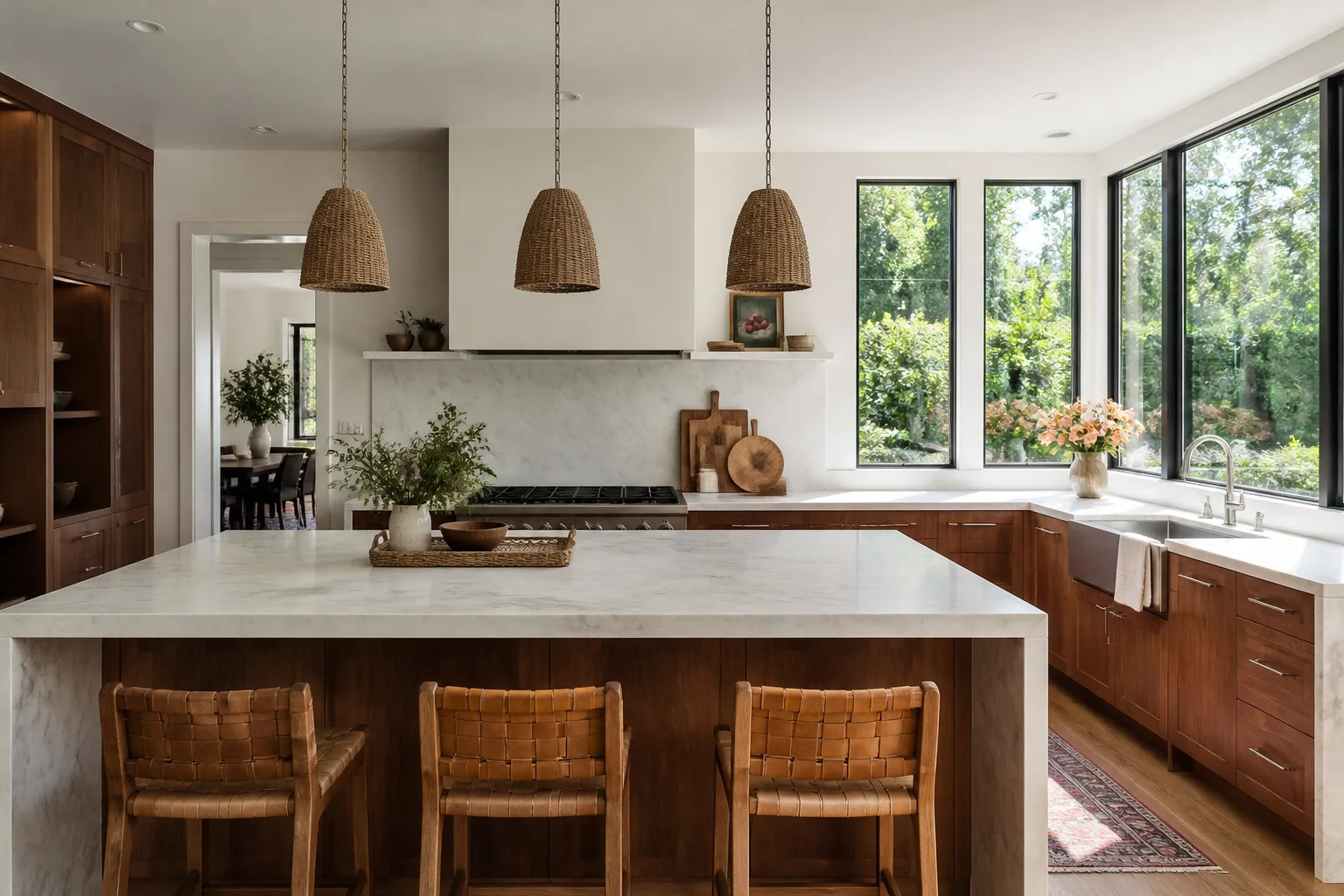
- Kitchen remodeling
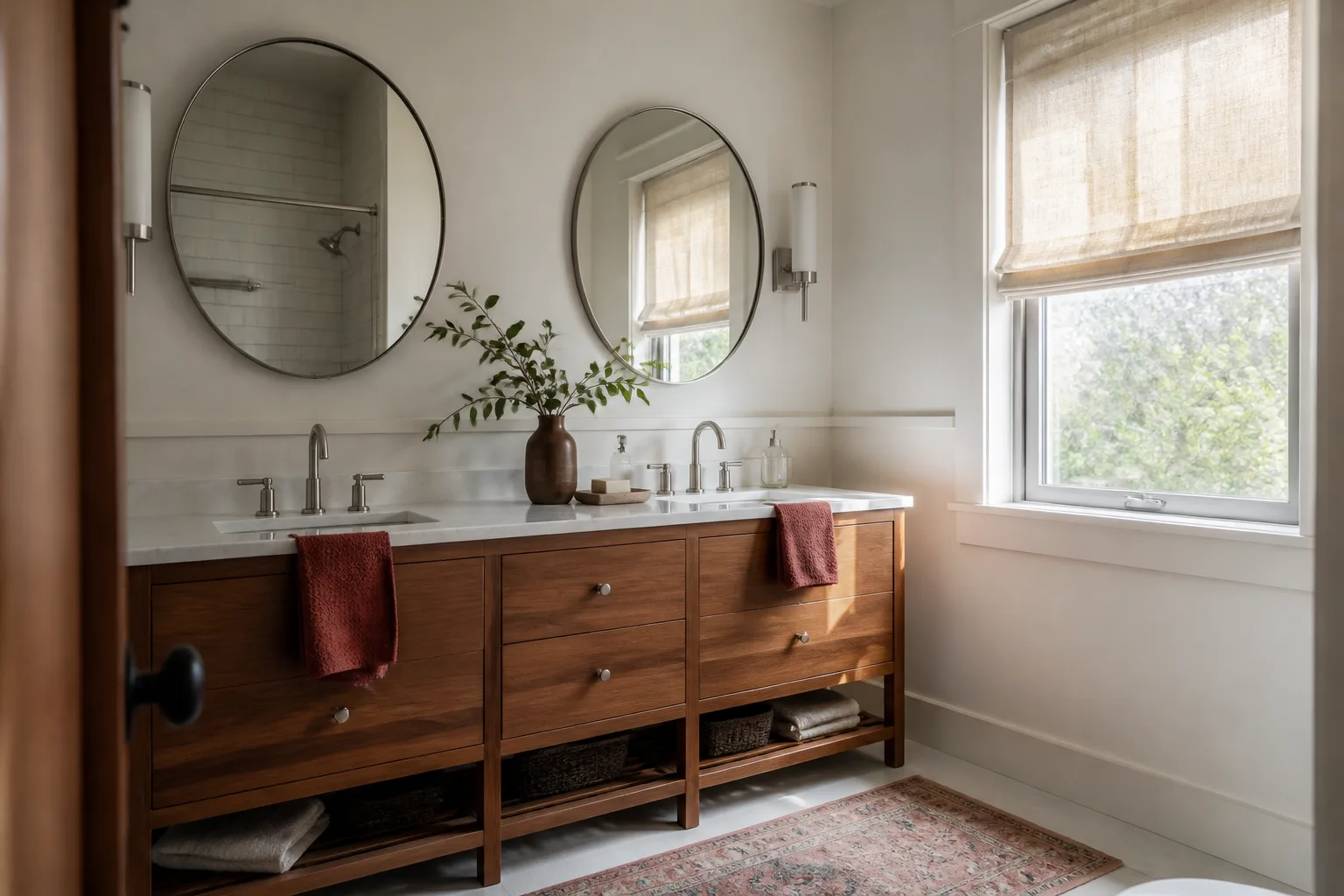
- Bathroom remodeling
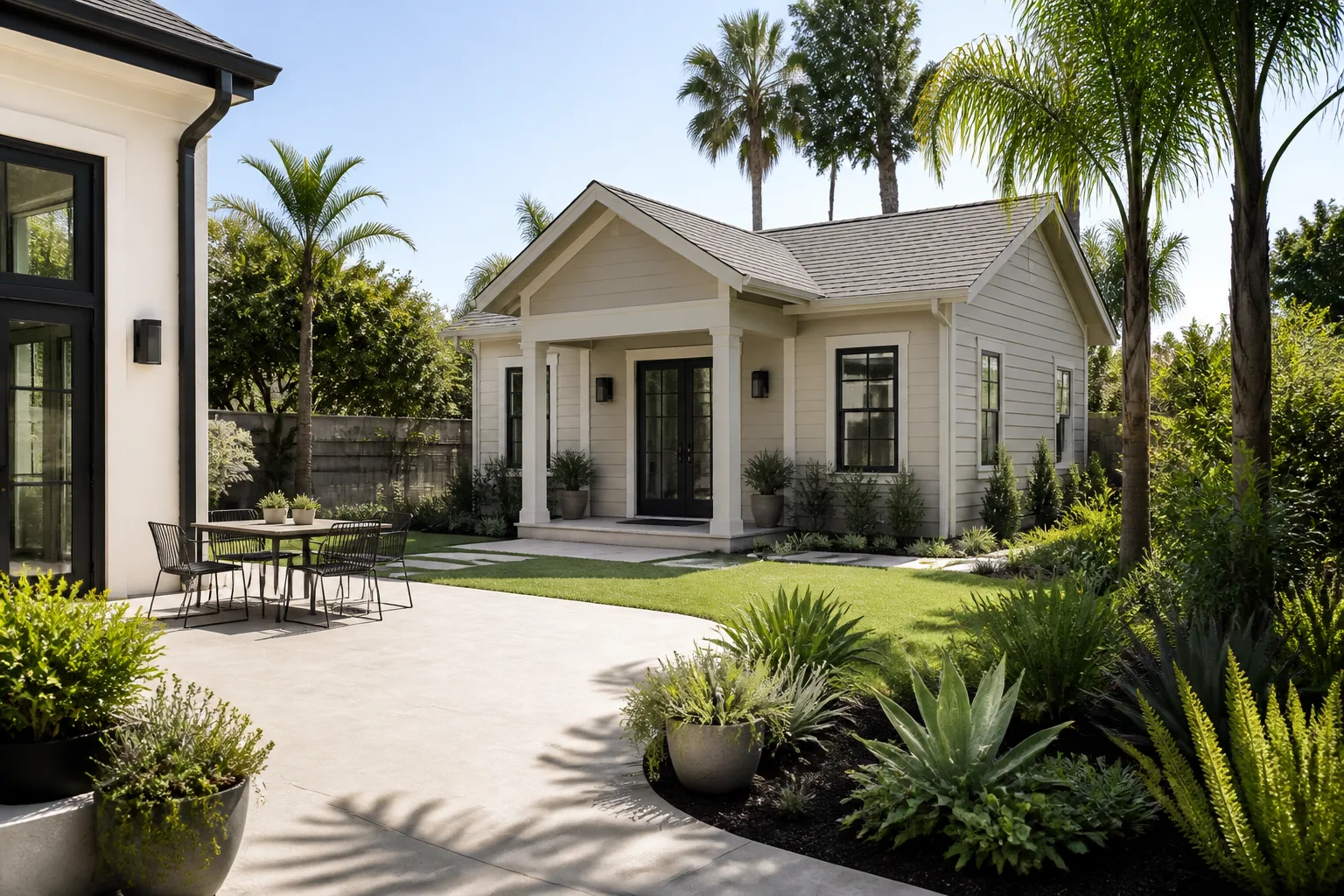
- Home additions & ADU
- Roofing
- Windows & doors
- Driveway & pavers
- Fence
Table of Contents
- What California’s Owner-Builder Exemption Actually Allows
- Projects in Sunnyvale That Legally Require a Licensed Contractor
- Running Honest DIY Cost-Savings Numbers
- The Disclosure Trap: What Happens When You Sell
- The Middle Path: Rough Work Hired, Finish Work Yours
- Sunnyvale Climate, Codes, and Neighborhood Realities
- Common Mistakes to Avoid
- When to Call a Professional
What California’s Owner-Builder Exemption Actually Allows
California gives homeowners a real legal lane to act as their own general contractor. Under the owner-builder exemption, you can pull a building permit on a property you own and occupy, provided you don’t intend to sell it within a year of completion. That “one-year” clause is where people get tripped up in Sunnyvale’s hot resale market, where homes regularly turn over faster than expected.
The exemption allows you to:
- Pull permits for repairs and improvements on your primary residence
- Act as your own general contractor and hire subcontractors directly
- Do the physical work yourself, provided you meet code
The exemption does not allow you to:
- Build on a property you don’t occupy as a primary residence
- Sell the home within one year of completion without disclosing the unpermitted improvement
- Bypass any building code, inspection, or safety requirement
- Perform work reserved for licensed trades, regardless of skill
For a Sunnyvale homeowner planning to stay put, the exemption is genuinely useful for a bathroom refresh or a small permitted addition. For someone who might sell within three to five years, the risk calculation shifts. In our experience, homeowners planning to sell often underestimate how quickly a transfer timeline arrives, and the disclosed permit history becomes a negotiating point.
Projects in Sunnyvale That Legally Require a Licensed Contractor
Some work is legally off-limits to owner-builders no matter how skilled you are. The California Contractors State License Board (CSLB) reserves these categories for licensed pros, and a homeowner doing them creates both a safety risk and a resale problem.
- Electrical panel work. Any work on the main service panel, adding a subpanel, or upgrading amperage requires a licensed electrician in most jurisdictions, and Sunnyvale permits are typically pulled under a licensed C-10 electrician for panel changes. This is dangerous work: a mistake here can cause a fire or worse.
- Gas line work. Running, extending, or modifying a gas line requires a licensed plumber or gas contractor. Gas leaks are not a “figure it out” situation.
- Structural modifications. Removing a load-bearing wall, cutting a beam, or altering the framing of the house requires engineering and licensed structural work, plus a permit and inspections.
- Any work requiring a permit where you don’t hold the contractor’s license. Even if you do the finish work, the permit needs a name on it, and using your own name ties you to every inspection.
Our advice is unqualified here: if the work involves the panel, the gas line, or the framing, call a licensed pro. The savings a homeowner imagines evaporate the moment an inspection fails or a permit is rejected. We install Cambria quartz and James Hardie siding where the material choice matters, and the same standard applies to who’s installing the wiring behind it. You can find a general contractor in Sunnyvale who can walk you through what’s legally permitted.
Running Honest DIY Cost-Savings Numbers
Most DIY cost calculations leave out half the expenses. The “I saved $8,000” claim is usually a comparison against a contractor bid that includes labor, markup, overhead, and profit, while the DIY number only counts materials. A real calculation looks like this:
| Line item | Typical Sunnyvale range |
|---|---|
| Materials (retail, plus 10-15% waste) | +10 – 15% over square-foot estimate |
| Permit fees (if required) | $250 – $1,200 depending on scope |
| Tool rental or purchase | $150 – $900 for a mid-size tile or trim job |
| Your time at an honest hourly rate | $45 – $85/hr × your hours |
| Possible redo cost if inspection fails | 15 – 40% of project cost |
A realistic bathroom refresh that a contractor quotes at $12,000 might cost a DIY homeowner $5,500 in materials, $800 in permit and rental, and 120 hours of labor. At $60 an hour, that labor is worth $7,200. The math changes fast: the “savings” is often negative unless you genuinely enjoy the work and have the weekends to spare.
For kitchens, the gap widens. A typical Sunnyvale kitchen remodel runs $22,000 – $65,000 depending on layout, cabinet line, and countertop material. KraftMaid and Wellborn cabinets, Cambria or Silestone counters, Moen and Kohler fixtures – these aren’t commodity items, and a DIY install of a semi-custom cabinet run usually means a second order after the first one is miscut. See our kitchen remodeling in Sunnyvale page for the general ranges we see.
The Disclosure Trap: What Happens When You Sell
This is the section most guides won’t write, and it’s the one that matters most for a Sunnyvale homeowner.
California Civil Code requires sellers to complete a Transfer Disclosure Statement (TDS) disclosing known material facts about the property, including unpermitted work, prior repairs, and any condition that could affect value. If you did DIY work that wasn’t permitted and you disclose it, a buyer’s agent will ask for the permit history, and the lender may require a retroactive permit or refuse to fund. If you fail to disclose it and the new owner later discovers the issue, you’re exposed to fraud liability, which is a much bigger problem than a permit fine.
The practical version: an unpermitted bathroom remodel in Sunnyvale doesn’t just sit quietly in the walls. It shows up in the closing documents, and a buyer’s inspector will look for it. Lenders won’t fund on homes with unpermitted electrical or structural work without a resolution, which can stall a sale or reduce the offer price substantially. The bathroom remodeling in Sunnyvale page covers the permit path for finishes that touch plumbing or electrical, and it’s worth reading before you start demo.
Plain-language takeaway: disclosed unpermitted work is a negotiation point, undisclosed unpermitted work is a legal exposure. Neither helps your sale price.
The Middle Path: Rough Work Hired, Finish Work Yours
The most cost-effective option in Sunnyvale is often a hybrid. Hire a licensed contractor for the rough-in (framing, electrical rough, plumbing rough, drywall hung), and handle the finish work yourself (tile, trim, paint, fixtures). This works for several reasons:
- The permit is pulled under the contractor’s license, so inspections are covered.
- The dangerous work is done by a licensed pro.
- The finish work is where most of the perceived cost savings live, so you still capture the value.
- If a finish fails, you own the risk, which is a fair trade for a licensed rough-in.
Where this gets tricky: some contractors won’t take a partial job, and those who will charge a premium for the coordination. In our experience, this structure works best when you’re clear from day one about the scope split and the schedule. A written contract that names exactly who does what is non-negotiable. Our team at Penhallow Remodeling Sunnyvale writes the price and the scope before work starts, and the guarantee applies whether we’re doing the full job or the rough-in.
Sunnyvale contractors and trades have spent years working within California’s specific code requirements. The cream of the middle-path work is in the finish layers, and the rough work is where the permits and skill matter most. If you’re planning a whole-home scope, our Penhallow Remodeling Sunnyvale home base page lays out the full-service structure.
Sunnyvale Climate, Codes, and Neighborhood Realities
Sunnyvale has its own rules of the road. The city’s permit office has specific requirements for structural work, additions, and anything touching the electrical service. Older neighborhoods near downtown and the Cherry Chase area have homes built in the 1950s and 1960s, where a “simple” bathroom update often reveals aluminum wiring, cast-iron drain lines, or a slab that’s outlived its useful life. That’s not a reason to avoid the project; it’s a reason to have a licensed contractor look before demo.
Climate matters too. Sunnyvale’s Mediterranean climate means less moisture stress than coastal cities, but it also means sun exposure on south- and west-facing surfaces is significant. Exterior paint, siding, and roofing in Sunnyvale age faster on the sunny side of the house, and the wrong material choice shows within two seasons. That’s why we install James Hardie siding rather than standard wood clapboard on Sunnyvale exteriors; the material holds up to the sun and the seasonal swings, and it carries its own protection alongside our 365-Day Done Right Promise.
Neighborhoods like North Sunnyvale and the areas off El Camino Real have older housing stock with tighter lots, which requires careful planning for permitting. The summer dry season (May through October) is the best window for exterior work; a winter exterior project in Sunnyvale means rain delays and material swelling, both of which add cost. If you’re doing exterior work DIY, plan the season or expect to redo it.
Common Mistakes to Avoid
- Pulling your own permit for electrical panel work. The permit may be approved under the owner-builder exemption, but the CSLB’s licensing rules and the city’s inspection requirements effectively rule out self-installation for most homeowners. The work needs a licensed C-10 electrician.
- Skipping the permit to “save time.” Sunnyvale permit issuance is often quicker than a homeowner expects, and unpermitted work becomes a full-blown disclosure problem at sale. It’s a false economy.
- Buying materials before you know the depth of the problem. In Sunnyvale’s older neighborhoods, a “simple” tile job can reveal a failed substrate. Buy after demo and inspection, not before.
- Estimating DIY time as if weekends are unlimited. A 120-hour project is 15 weekends of 8-hour days, minimum. Most DIYers start with enthusiasm and finish because they have to, not because they’re enjoying it.
- Treating the contractor bid as the baseline for savings. Compare your DIY total against the contractor’s full written price, including permits, materials, labor, warranty, and the 365-Day Done Right Promise – not just the labor line.
- Doing finish work over someone else’s rough work without written scope agreement. If it fails, you own the blame. Get the scope split in writing.
- Assuming the sunny side of the house won’t weather. Sunnyvale sun is hard on exterior materials. Choose brands with UV stability and a real warranty behind them.
- Failing to account for permitting in the resale timeline. If you’re within three years of a likely sale, unpermitted DIY work is a liability, not a value add.
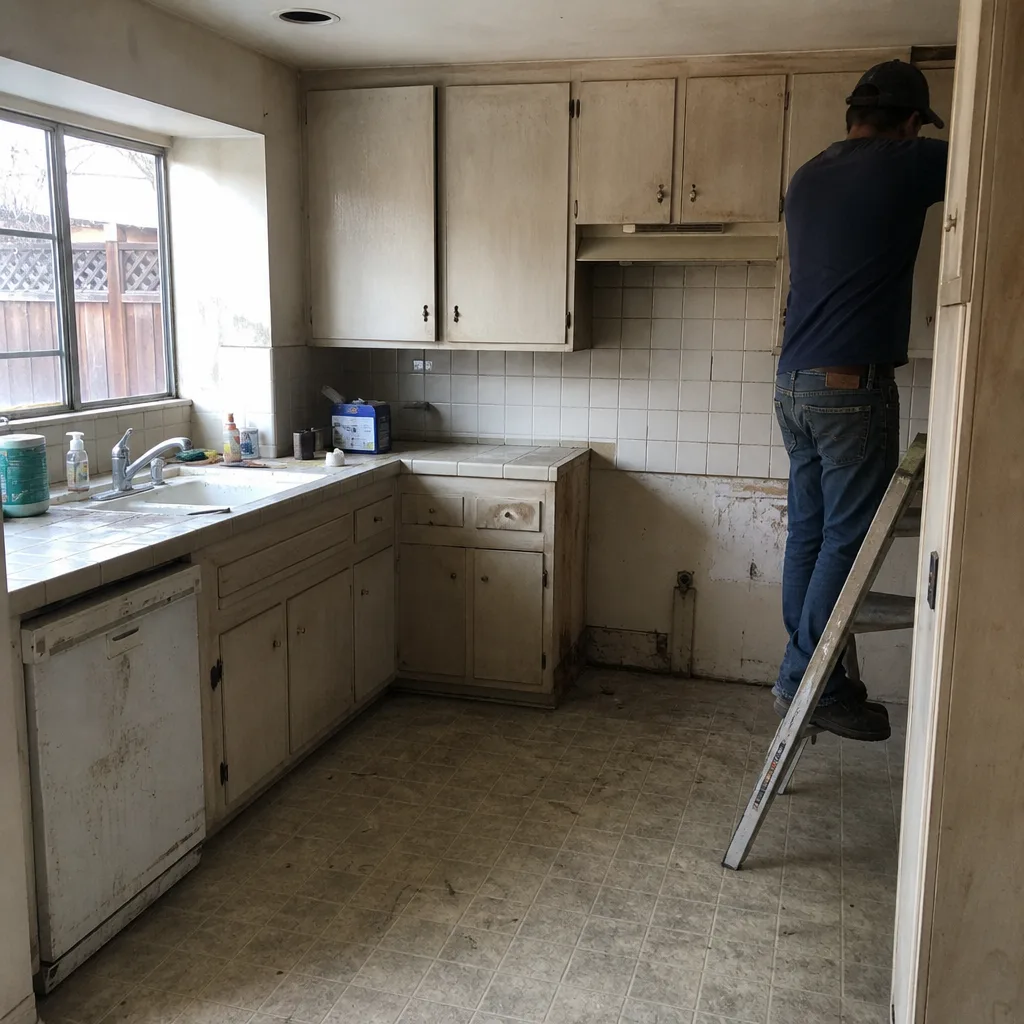
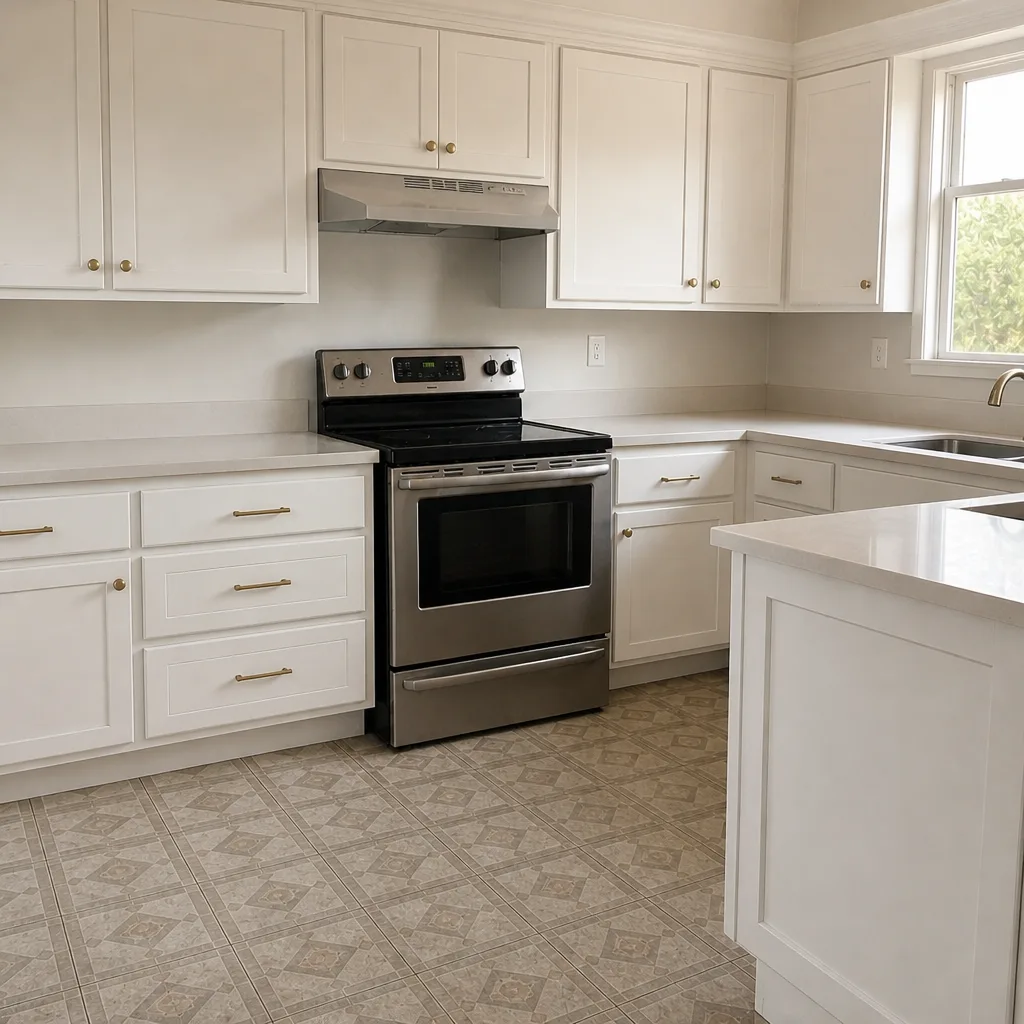
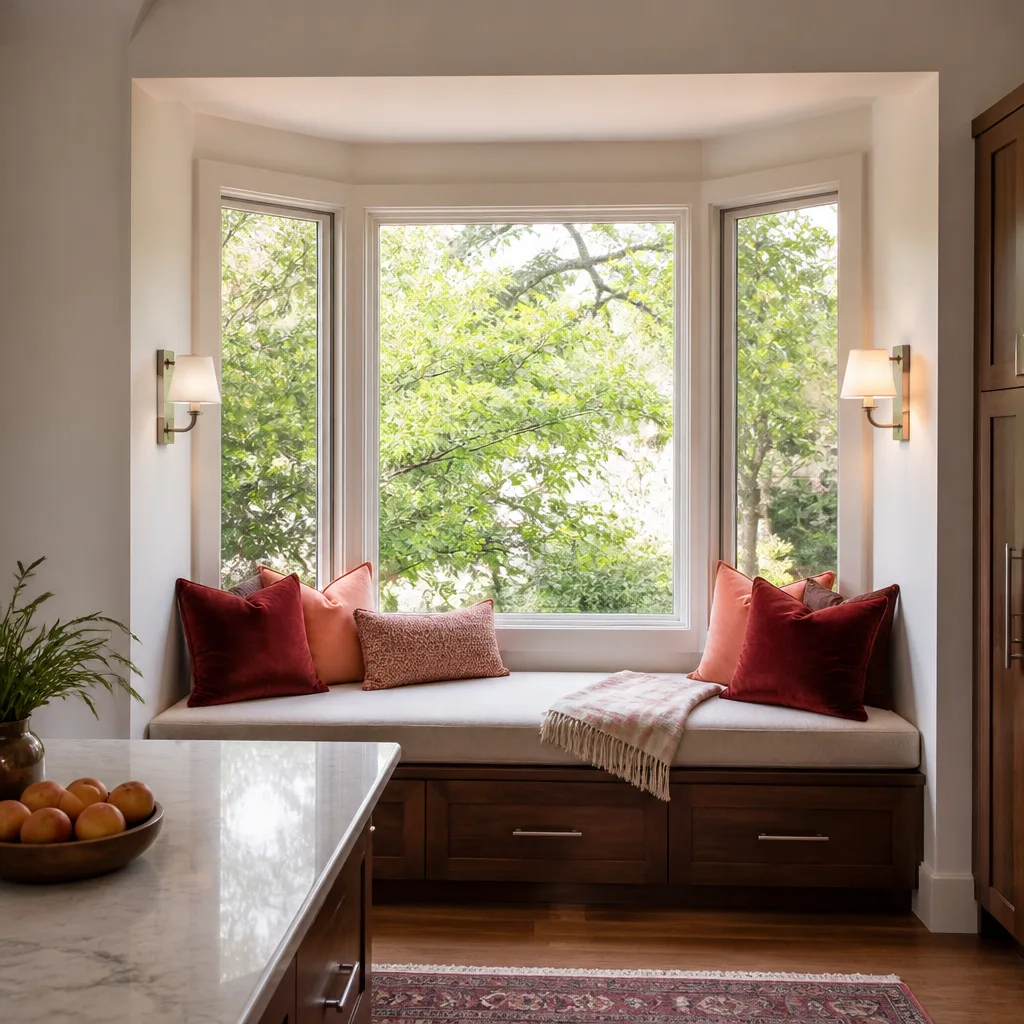
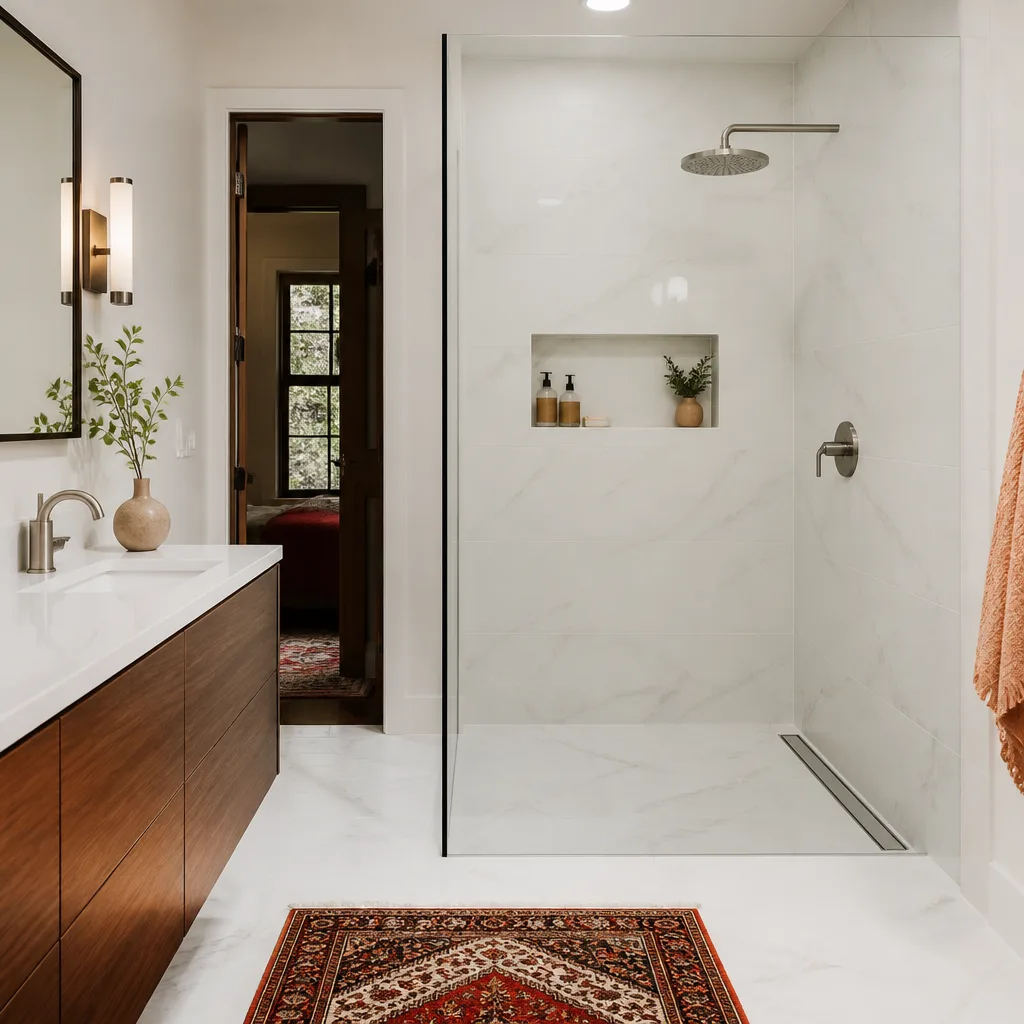
See the difference
 Before
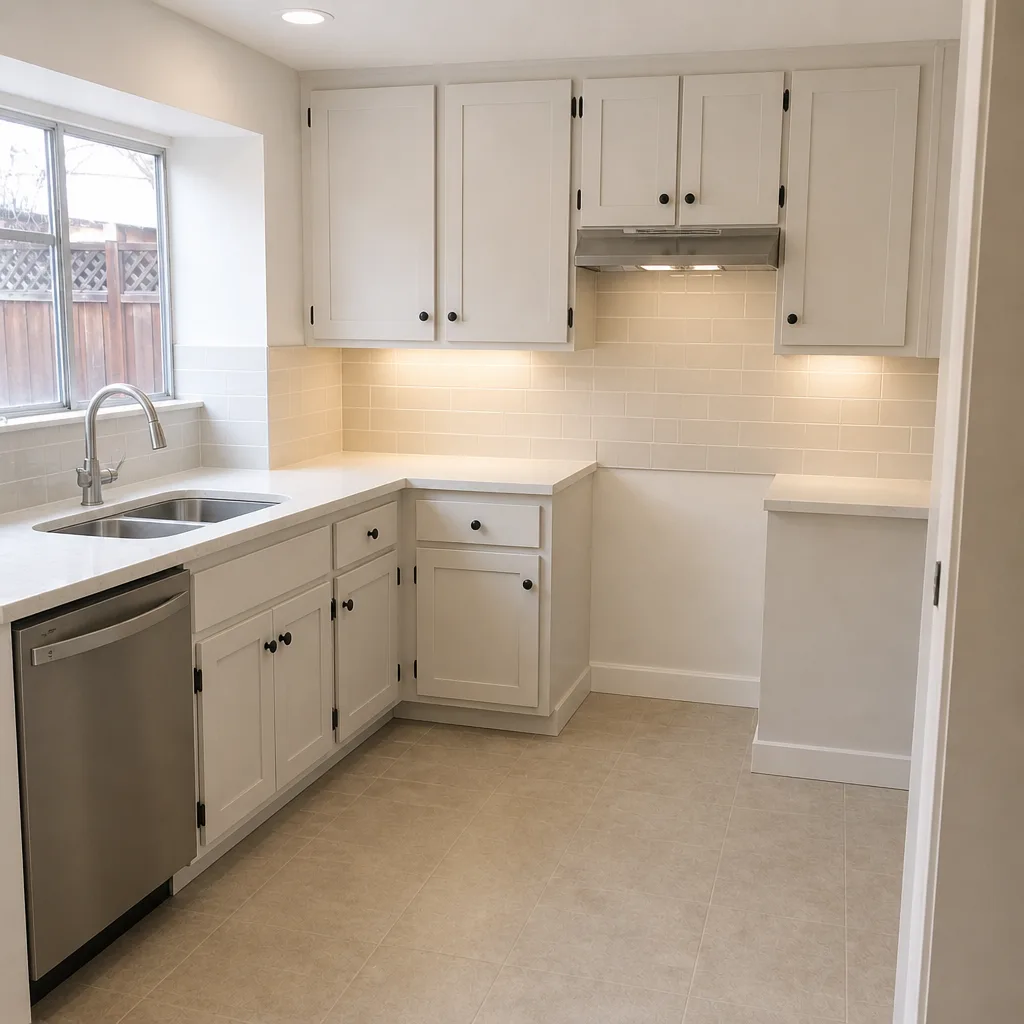 After
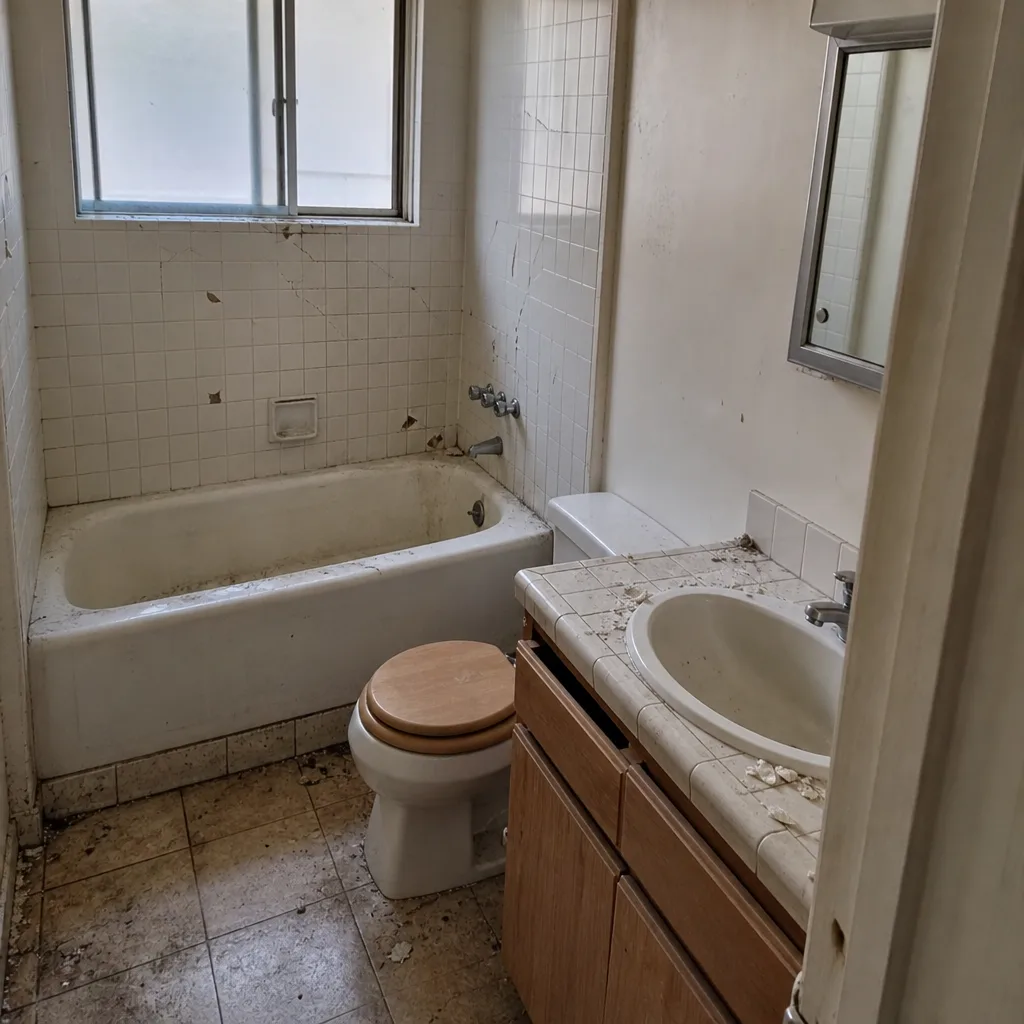 Before
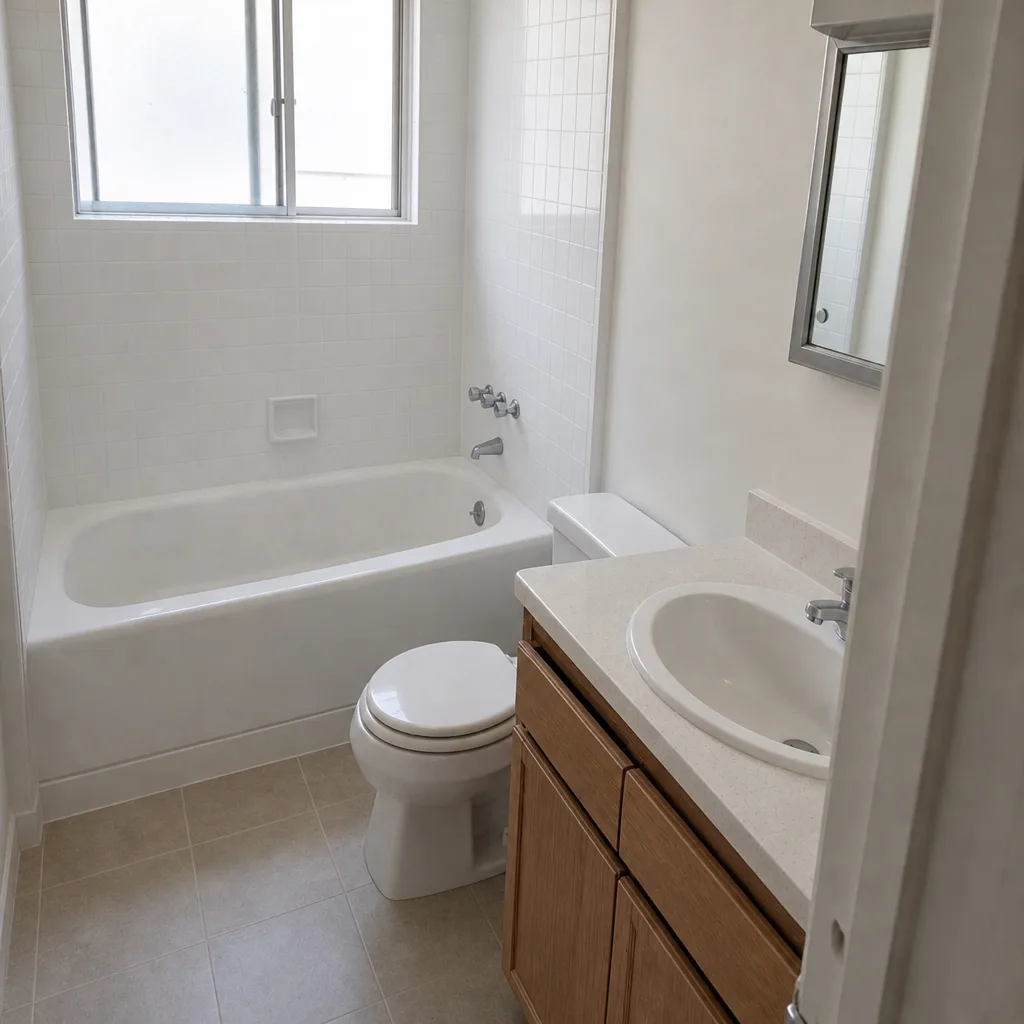 After
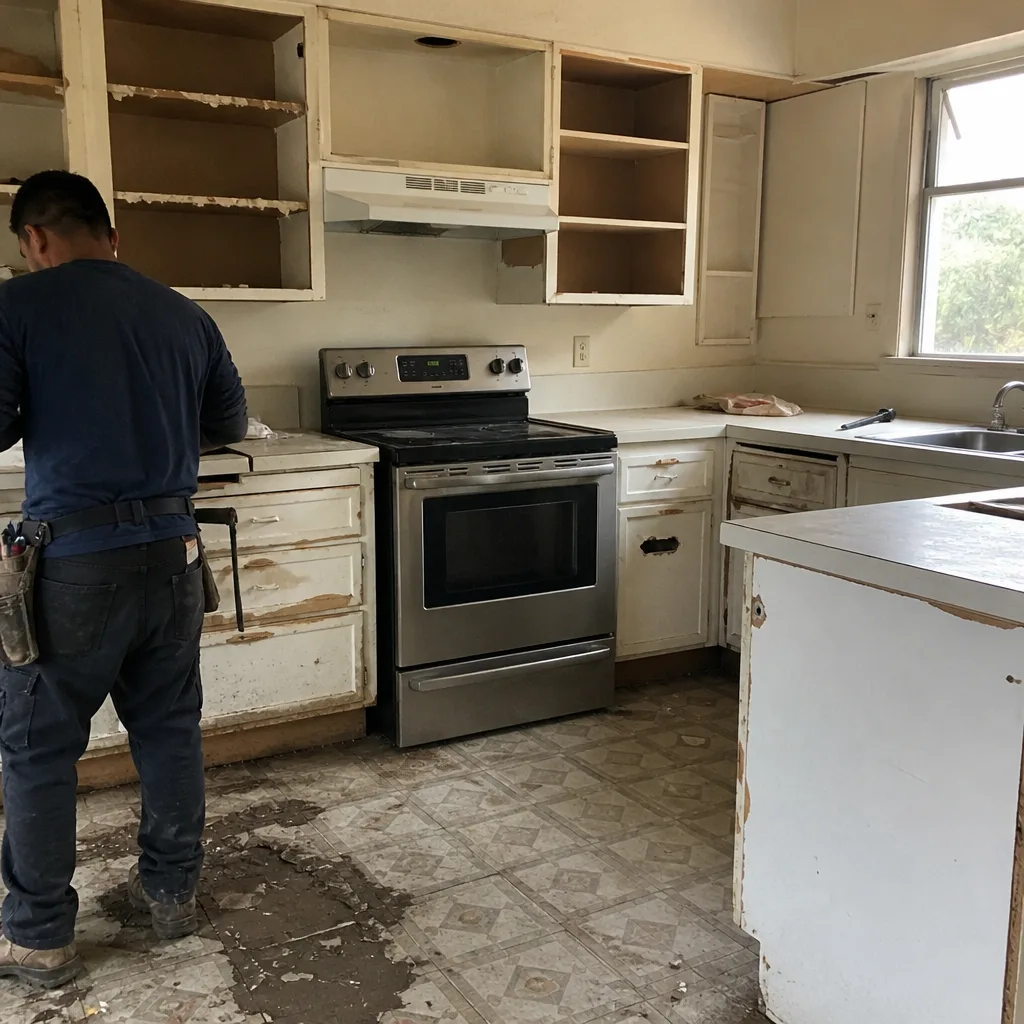 Before
 After
When to Call a Professional
Here are the situations where we recommend a licensed contractor in Sunnyvale, without exception:
- Any electrical work on the panel, service, or wiring runs
- Any gas line work or appliance gas hookups
- Structural opening or load-bearing modification
- Any project requiring a building permit you’re not prepared to navigate
- Whole-home or multi-room remodels with interdependent systems
A written price before any work starts is our non-negotiable; every Penhallow Remodeling Sunnyvale homeowner gets one. That means the number on day one is the number on the invoice, even in Sunnyvale’s older housing stock where surprises are common. If you’re weighing DIY against a licensed contractor, a free estimate is the cheapest way to find out what the real numbers are. Call (888) 426-8719 to schedule a free estimate with our team.
Frequently Asked Questions
Yes, if the work touches plumbing, electrical, or structural elements. Cosmetic-only changes like paint, trim, and tile over existing substrate don’t require a permit, but any plumbing reroute, new outlet, or shower valve replacement does. Sunnyvale inspections typically happen at rough-in and finish. Call (888) 426-8719 for a free estimate and to discuss what your specific project needs.
Yes, under California’s owner-builder exemption, as long as you own and occupy the property and don’t intend to sell within one year of completion. The exemption covers pulling permits and hiring subcontractors, but it doesn’t override licensing requirements for trade-specific work like electrical and gas. Our team at Penhallow Remodeling Sunnyvale can help you scope what’s actually legal for your situation.
An owner-builder can perform some electrical work on their own residence without a C-10 electrician’s license, but Sunnyvale permit and inspection requirements are strict, and panel work, service upgrades, and new circuits are best handled by a licensed electrician. An unpermitted electrical issue discovered later is a major resale risk. Call (888) 426-8719 for a free estimate on permitted electrical scope.
The biggest risk is the resale disclosure obligation. California Civil Code requires disclosure of known material facts, including unpermitted work, on the Transfer Disclosure Statement. Undisclosed work can expose a seller to fraud liability and can stall a lender’s funding. Disclosed unpermitted work is a negotiating point; undisclosed is a legal exposure.
Often yes. The rough-in (framing, electrical, plumbing) is the permit-and-license lane, and the finish work (tile, trim, paint, fixtures) is where most of the perceived cost savings live. This split is legal and common in Sunnyvale if the scope is agreed in writing. A free estimate from our team can help you set that scope: (888) 426-8719.
An honest comparison usually shows a 25-45% premium for a licensed contractor on finish-heavy projects, but that premium includes permits, warranty, and the reduction of resale risk. On projects that require a permit and an inspection, the “savings” from DIY often nets out negative once you factor in permit fees, tool rental, material waste, and your own time. Call (888) 426-8719 for a written price before you decide.
The Bottom Line
The DIY-vs-hire decision in Sunnyvale comes down to three things: permit eligibility, insurance exposure, and resale disclosure. Cosmetic work (paint, tile, trim, landscaping) is a good fit for DIY. Anything touching the electrical panel, gas lines, structural walls, or requiring a permit is a licensed contractor job, full stop. The middle path – hiring for the rough work and doing the finish work yourself – is often the best value when the scope is written clearly. Run honest numbers: include permits, tools, material waste, and your time. And remember the disclosure obligation: unpermitted work you can’t disclose cleanly costs more than the permit would have.
When you’re ready for a written price and a real arrival window, call Penhallow Remodeling Sunnyvale at (888) 426-8719 for a free estimate. Every project comes with the 365-Day Done Right Promise, a written guarantee, and background-checked technicians who show up in uniform.
Written by the team at Penhallow Remodeling Sunnyvale.