Last updated November 17, 2026




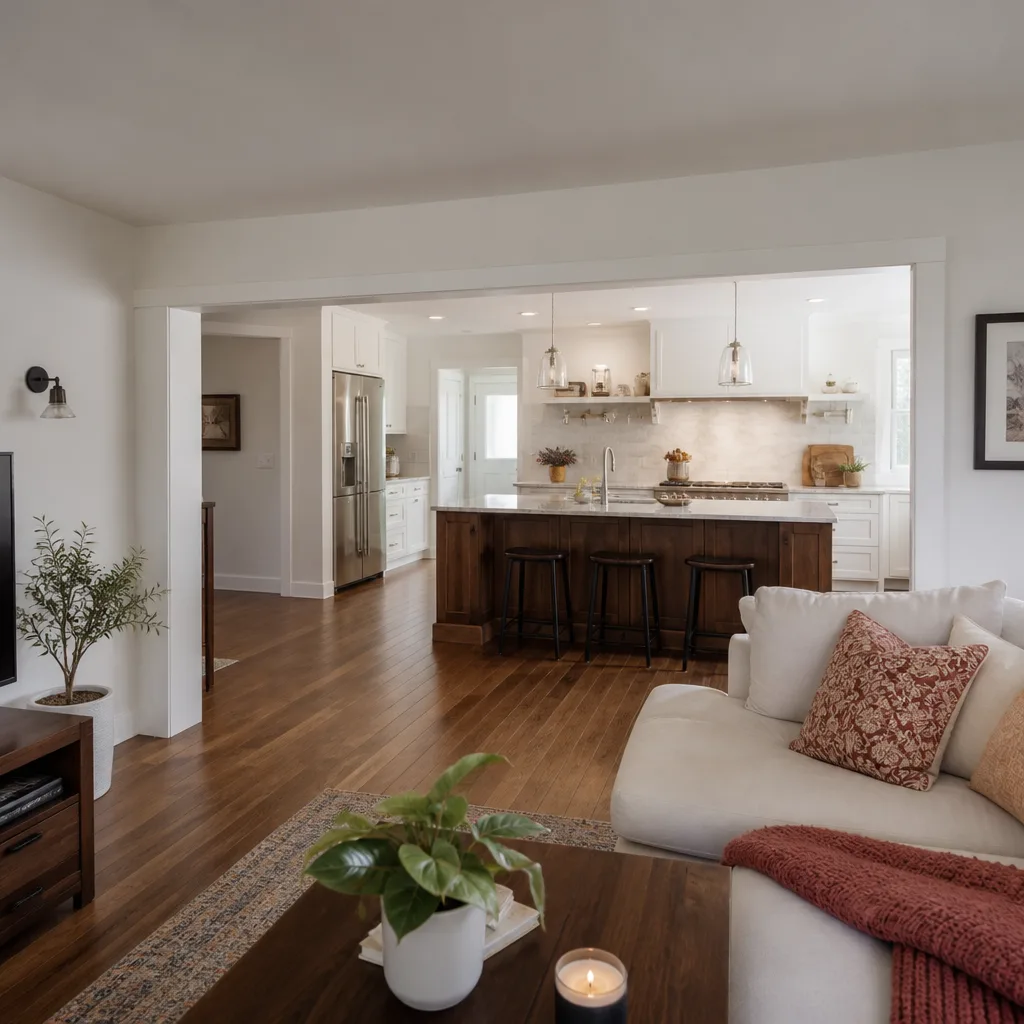
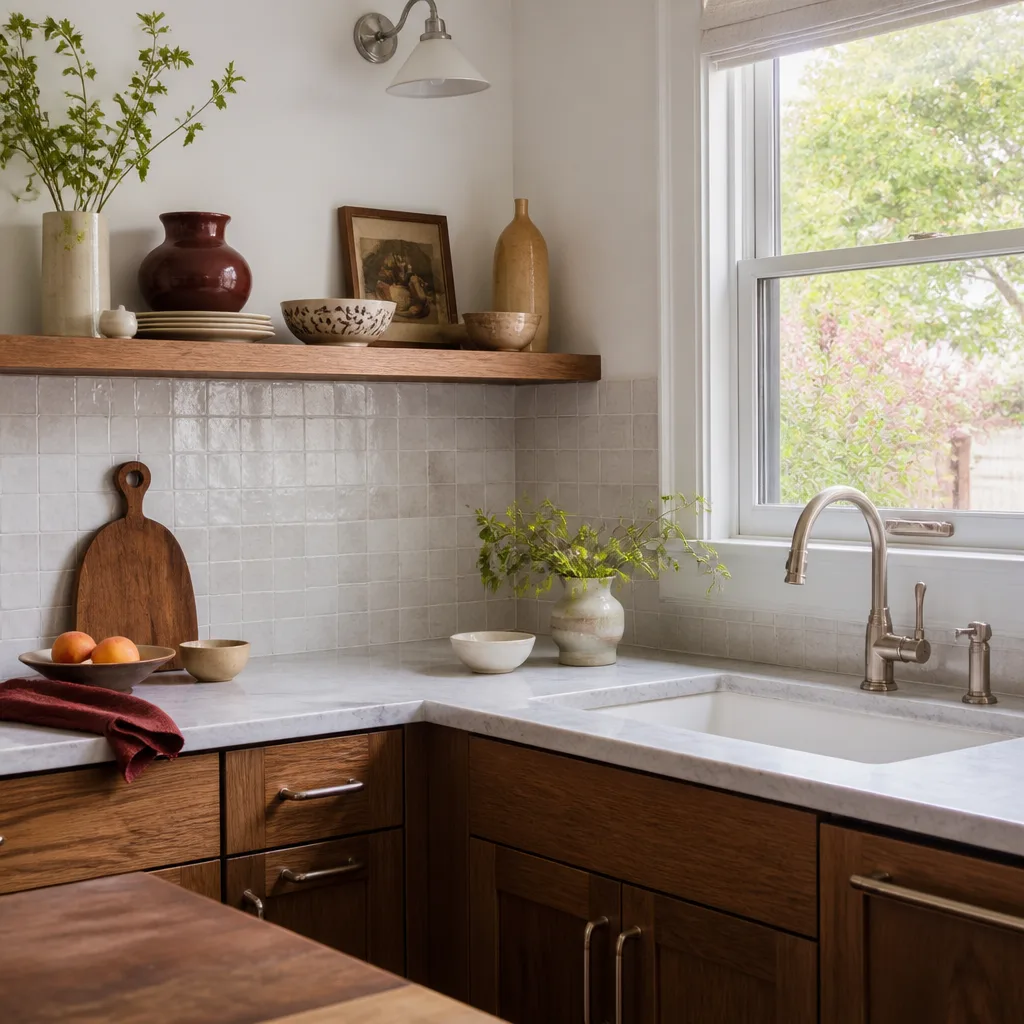
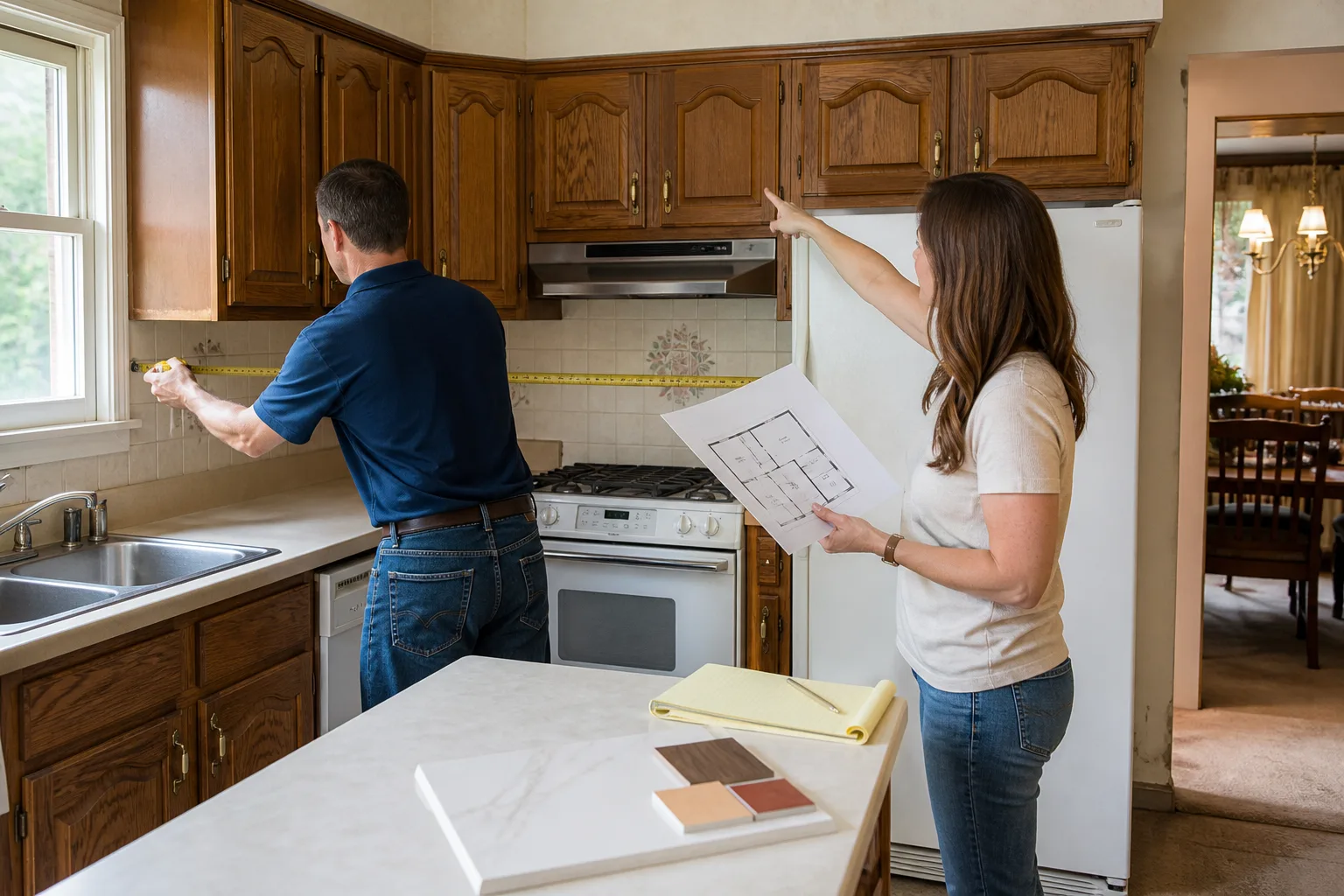
Free written scope consultation - allowances, timeline, and change-order rules on paper before a single trade is scheduled
How to Hire a Construction Contractor in Sunnyvale: A Step-by-Step Guide
A verbal estimate is not a contract in California. That single fact explains more contractor complaints than any other, and the CSLB’s own complaint data bears it out: scope-and-price disputes, the kind that begin with a handshake and a number spoken out loud, are the most common reason homeowners file complaints statewide. If you’re hiring a general contractor in Sunnyvale for a kitchen, a bathroom, or a whole-home remodel, the difference between a good outcome and an expensive lesson usually comes down to the paperwork you signed before demo day. This guide shows you exactly what a legitimate written bid must contain, how to verify a license in three minutes, and what a verbal quote legally can’t protect you from.
Quick Answer
To hire a construction contractor in Sunnyvale, verify the contractor’s CSLB license and classification, get a written contract that includes all five items California law requires for jobs over $500, confirm the price and arrival window in writing before work starts, and understand what the workmanship guarantee actually covers. A verbal estimate protects you from nothing. A written scope, a written price, and a written guarantee are what hold up if something goes wrong.
Styles & brands we work with
- Kitchen remodeling
- Bathroom remodeling
- Home additions & ADU
- Roofing
- Windows & doors
- Driveway & pavers
- Fence
Table of Contents
- The Five Things California Law Requires in Any Contract Over $500
- How to Verify a CSLB License in Under Three Minutes
- What a Legitimate Written Bid Actually Looks Like
- Why You Need a Written Arrival Window, Not Just a Start Date
- The Subcontractor Questions Most Homeowners Never Ask
- A 365-Day Workmanship Guarantee vs. the Statutory Implied Warranty
- Sunnyvale-Specific Things That Affect Your Contract
- Common Mistakes to Avoid
The Five Things California Law Requires in Any Contract Over $500
California’s Business and Professions Code is specific about what a home improvement contract must contain when the job exceeds $500 in labor and materials. This isn’t fine print. Each item exists because a homeowner somewhere got burned without it. Before you sign anything in Sunnyvale, check that your contract includes all five:
- The contractor’s name, business address, and CSLB license number. The license number must appear on the contract itself, not just the truck or the business card.
- A detailed description of the work and the materials to be used. “Remodel bathroom” is not a scope. “Remove existing tub and surround, install Schluter waterproofing and Sterling shower base, tile walls with material allowance of $X per square foot” is a scope. The difference matters when a dispute arises.
- The total price, including a breakdown of what’s included and what isn’t. Change-order terms belong here too, spelled out in writing.
- A payment schedule tied to progress, with the down payment capped by law. For most home improvement contracts, the down payment cannot exceed $1,000 or 10% of the contract price, whichever is less.
- A written notice of the homeowner’s right to cancel (the three-day right for certain contracts) and the contractor’s statement about mechanics liens and the required license bond.
If a bid you’re reviewing for a Sunnyvale kitchen or bathroom project is missing any of these, that’s your signal to slow down. A contractor who cuts corners on the contract will cut corners elsewhere. When we write a bid, the price and the scope sit on the same page so there’s no gap between what you read and what gets built. You can see how that looks in practice on our general contractor in Sunnyvale page.
How to Verify a CSLB License in Under Three Minutes
The Contractors State License Board runs a free public lookup at cslb.ca.gov, and it takes less time than brewing coffee. Every homeowner hiring a contractor in Sunnyvale should do this before the first estimate, not after the first check clears. Here’s the sequence:
- Search by license number (ask for it directly) or by the business name. Confirm the license is “Active,” not “Expired,” “Suspended,” or “Canceled.”
- Check the classification letters. A “B” license is a General Building Contractor and covers residential remodels like kitchens and bathrooms. “C” classifications are specialty trades (C-36 for sheet metal, C-15 for flooring, and so on). For a whole-home remodel, you want a B licensee or a combination that adds up to full coverage.
- Look at the bond and workers’ comp status. An active license bond and current workers’ compensation coverage (or a valid exemption) are both listed. If workers’ comp is missing and the contractor has employees, that’s a red flag.
- Review the complaint history. Past complaints aren’t automatically disqualifying, but a pattern of scope-and-price disputes tells you something. Read what the complaints were about, not just how many there were in total.
Do the same lookup for any subcontractors named in your bid. In our experience working Sunnyvale jobs, this is where homeowners find surprises, because the person who quoted the job and the crew that shows up aren’t always the same entity. A few minutes of lookup now saves weeks of headache later.
What a Legitimate Written Bid Actually Looks Like
Most homeowners compare bids by looking at the bottom-line number. That’s the mistake the standard advice (“get three bids, check reviews”) sets you up to make, because it treats three bids as if they describe the same job. They almost never do. A written bid worth comparing includes, at minimum:
- Line-item pricing for labor and materials separately, so you can see what drives the total and compare apples to apples across bids. A single lump-sum number with no breakdown makes comparison impossible.
- Brand and model specifications. “Faucet allowance” is vague. “Grohe Eurosmart kitchen faucet” or “Kohler undermount sink” is a spec you can price and verify.
- Material allowances stated in dollars for anything you’ll select later (tile, fixtures, cabinetry). If a bid says “tile allowance” without a number, that number will come back to haunt you at selection time.
- What’s excluded. Demo hauling? Permit fees? Drywall repair after electrical? A bid that doesn’t state exclusions is a bid that will grow.
- A payment schedule with milestones, not just a total and a “50% to start” line.
- The written workmanship guarantee, spelled out in plain language: what’s covered, for how long, and exactly what happens if something fails.
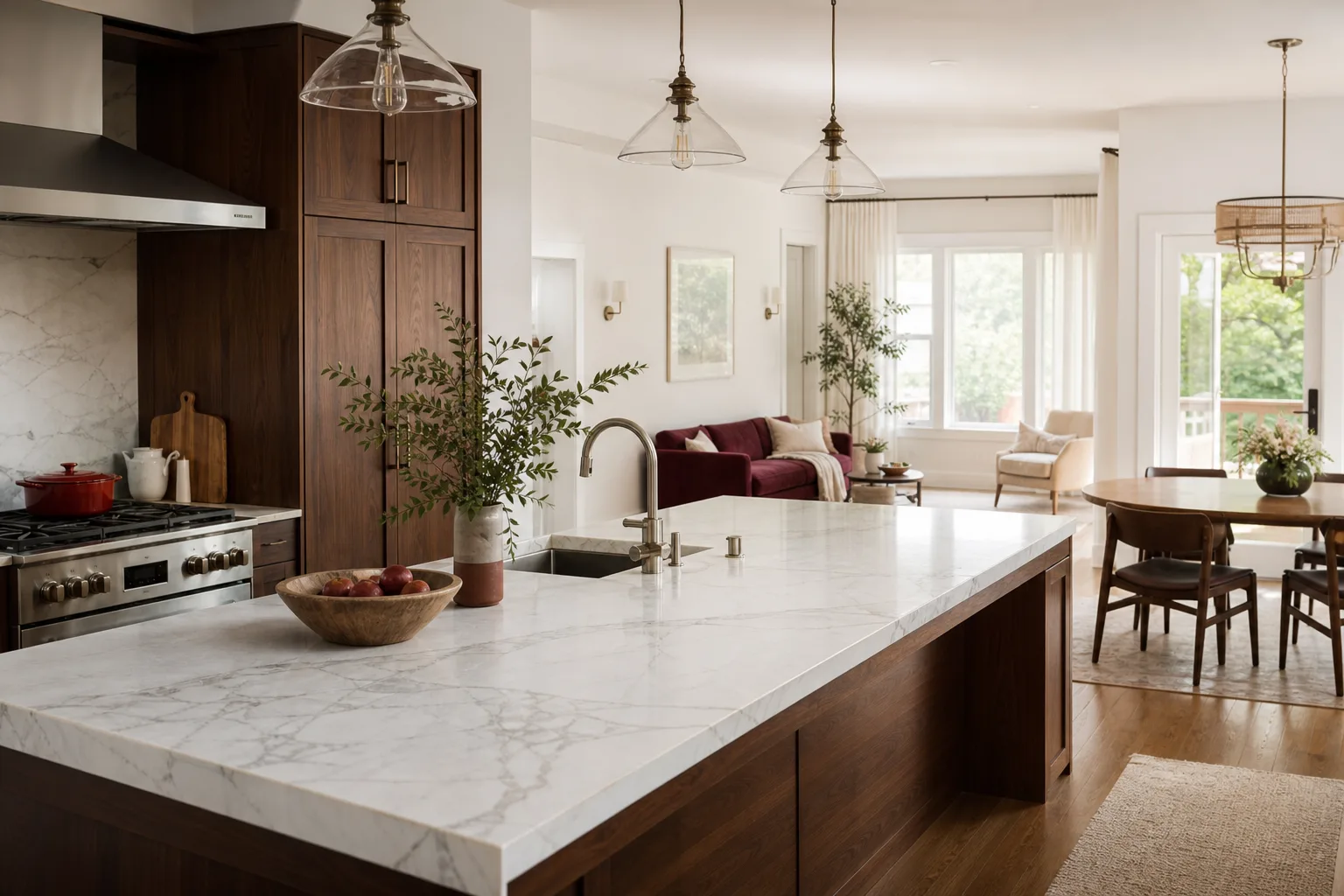
If you’re planning a kitchen, our kitchen remodeling in Sunnyvale page walks through what a real line-item scope looks like on a full project, from cabinet line to countertop edge profile. A bid without line items is not a bid. It’s a guess with a signature line.
Why You Need a Written Arrival Window, Not Just a Start Date
“We’ll be there Monday” is not a schedule. A start date without an arrival window means the crew could show up at 7 a.m. or 4 p.m., and you have no standing to complain if you’re stuck waiting all day. Most homeowners don’t think to ask for a written window until the first no-show. Ask up front. A reasonable arrival window looks like this in a contract:
- A two-hour window for the crew’s start time each day (for example, “arrival between 8:00 and 10:00 a.m.”).
- A defined end time for the workday, especially for projects where you and your family are living in the house during the remodel.
- A named point of contact who answers when the window slips. The point of contact is a role, not a promise that one specific person will always answer.
- A stated policy for what happens if a window is missed, including who is responsible for notifying you and how.
Why does this matter in Sunnyvale specifically? Traffic on El Camino Real and Lawrence Expressway can turn a fifteen-minute commute into a forty-five-minute one, and a contractor who builds no buffer into the morning will miss the window on the day it matters. A written window forces the contractor to plan around Sunnyvale’s morning reality rather than shrug at it. It’s one of the reasons we put arrival windows in writing on every project, not just the big ones.
The Subcontractor Questions Most Homeowners Never Ask
On a typical Sunnyvale remodel, the person you hired is not the only person who will walk through your front door. Electrical, plumbing, HVAC, and sometimes tile and cabinetry get handled by trades beyond the general contractor’s direct scope. The questions worth asking before signing:
- Who is on your payroll, and who do you bring in as a subcontractor? The distinction matters for liability and for recourse if something goes wrong.
- Are your subcontractors licensed and insured separately? A subcontractor without their own active CSLB license during work on your home is a problem you don’t want to discover after the fact.
- Do you 1099 your subs or W-2 your own crew? Workers comp and liability coverage follow that answer, and so does your protection if someone gets hurt on the property.
- What’s the process for ensuring a subcontractor pulls their own permits if required? Some trades need their own permits (electrical panel work is a common one in Sunnyvale). The general contractor should know which ones and who is responsible.
None of this is hostile. A legitimate contractor will answer these questions without flinching. A contractor who gets defensive or vague is telling you something. In our experience, the subcontractor question is where the difference between a written bid and a verbal estimate really shows, because a written bid that doesn’t identify the subs and their coverage isn’t finished. On every project, background-checked, uniformed technicians arrive at the door, and you know who is coming before they arrive.
A 365-Day Workmanship Guarantee vs. the Statutory Implied Warranty
These two sound similar and are not the same thing. California’s statutory implied warranty on new residential construction, governed chiefly by Civil Code sections 895 through 945, provides a one-year baseline for workmanship defects (with longer periods for structural and plumbing issues). It’s a legal floor. A written 365-day workmanship guarantee is a company commitment that sits on top of that floor. Here’s how they differ in practice:
- The statutory warranty is defined by law and enforced through the courts. A written guarantee is defined by the contractor’s document and enforced by the contractor.
- The statutory warranty covers certain named defects. A written guarantee says exactly what it covers, what it doesn’t, and how to get it fixed.
- A written guarantee should state the remedy: who pays, how fast, and whether there’s a return-visit fee. Ours is the 365-Day Done Right Promise: if the work fails inside the guarantee period, we come back and fix it at no charge, and if a repair fails, the return visit is free. No service call, no re-inspection fee.
A one-year statutory warranty protects you in theory. A written guarantee protects you in the kitchen on a Tuesday morning when the shower valve drips. The difference is not marketing; it’s the difference between a right and a remedy. Confirm your contract names the guarantee, what it covers, and how long it runs before you sign.
Sunnyvale-Specific Things That Affect Your Contract
Sunnyvale has its own permit and code reality, and it shows up in your contract. A few things worth knowing before you sign:
- Permit fees are typically the homeowner’s cost, not the contractor’s. A bid that folds permit fees into the total without saying so can hide a five-figure line. Ask explicitly who pulls the permit and who pays the fee.
- Some Sunnyvale neighborhoods have older housing stock (much of the city was built between the 1950s and 1980s), and older homes frequently carry surprises after demo. Galvanized plumbing in a 1950s ranch home, knob-and-tube remnant wiring in a 1960s tract home, or a non-permitted prior remodel that surfaces after drywall comes down. A good contract anticipates change orders; it doesn’t pretend they won’t happen.
- Mild, wet winters mean moisture management matters. Bathroom jobs in Sunnyvale should specify a moisture-resistant substrate (the layer behind the tile), such as a Schluter waterproofing membrane or a cement board system, because the rainy season is long enough that a poorly waterproofed shower will show failure within a couple of years.
- Some renovated Sunnyvale homes have HOA covenants about exterior changes (windows, exterior paint, fencing), and those can turn an unbudgeted item into a contract change. Confirm before signing that exterior scope has HOA clearance if applicable.
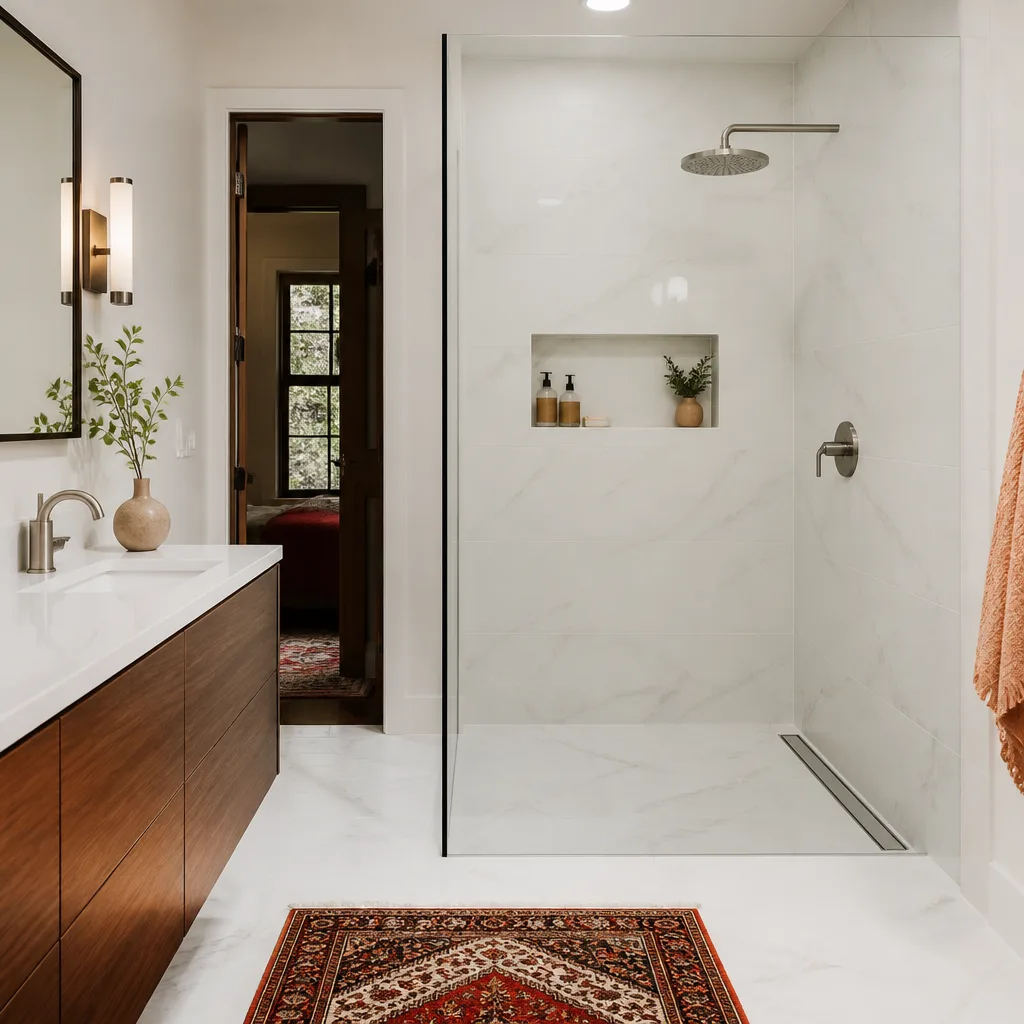
If you want to see how these details get handled in a real Sunnyvale project, the bathroom remodeling in Sunnyvale page shows how a waterfront-proper wet-area scope works from substrate to fixture.
Common Mistakes to Avoid
- Treating a verbal estimate as a bid. It’s not a contract, and it won’t hold up if the price changes. Always get the scope and price in writing before you compare numbers.
- Comparing three bids without comparing scopes. Three bids on three different scopes are not comparable. Same line items, same material specs, or the comparison is meaningless.
- Skipping the CSLB lookup because the contractor seemed nice. Nice people can still have expired licenses. Check the number, the classification, and the complaint history before signing.
- Signing a contract without a stated arrival window. A start date without a daily window means you have no recourse on a no-show morning.
- Not asking who the subcontractors are. On a Sunnyvale remodel, the electrical and plumbing work often isn’t done by the person who quoted the job. Know who’s coming and that they’re insured.
- Assuming the statutory implied warranty is the whole story. It’s a legal floor. The written guarantee is the part that shows up when you call.
- Letting HOA rules surface after demo starts. Sunnyvale’s HOA covenants on exterior work can create change orders mid-project. Ask before you sign.
See the difference
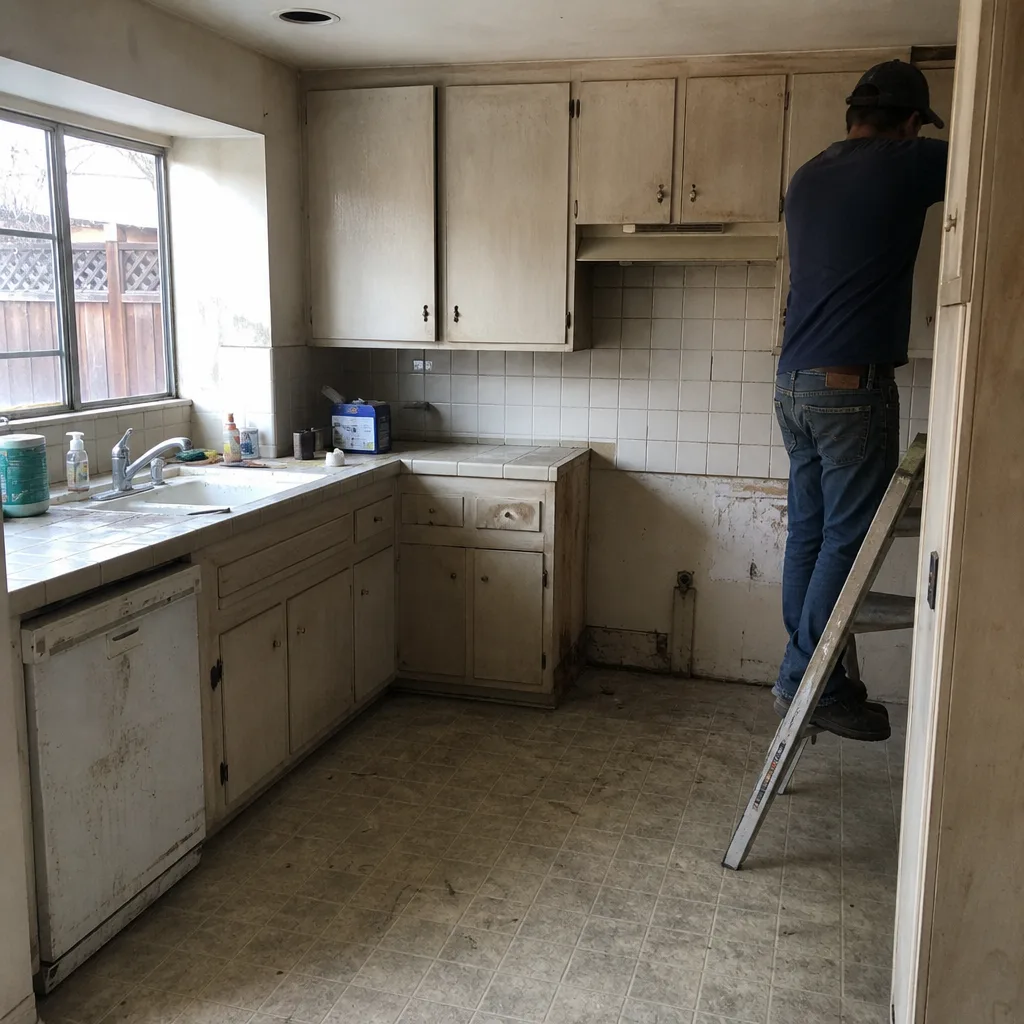 Before
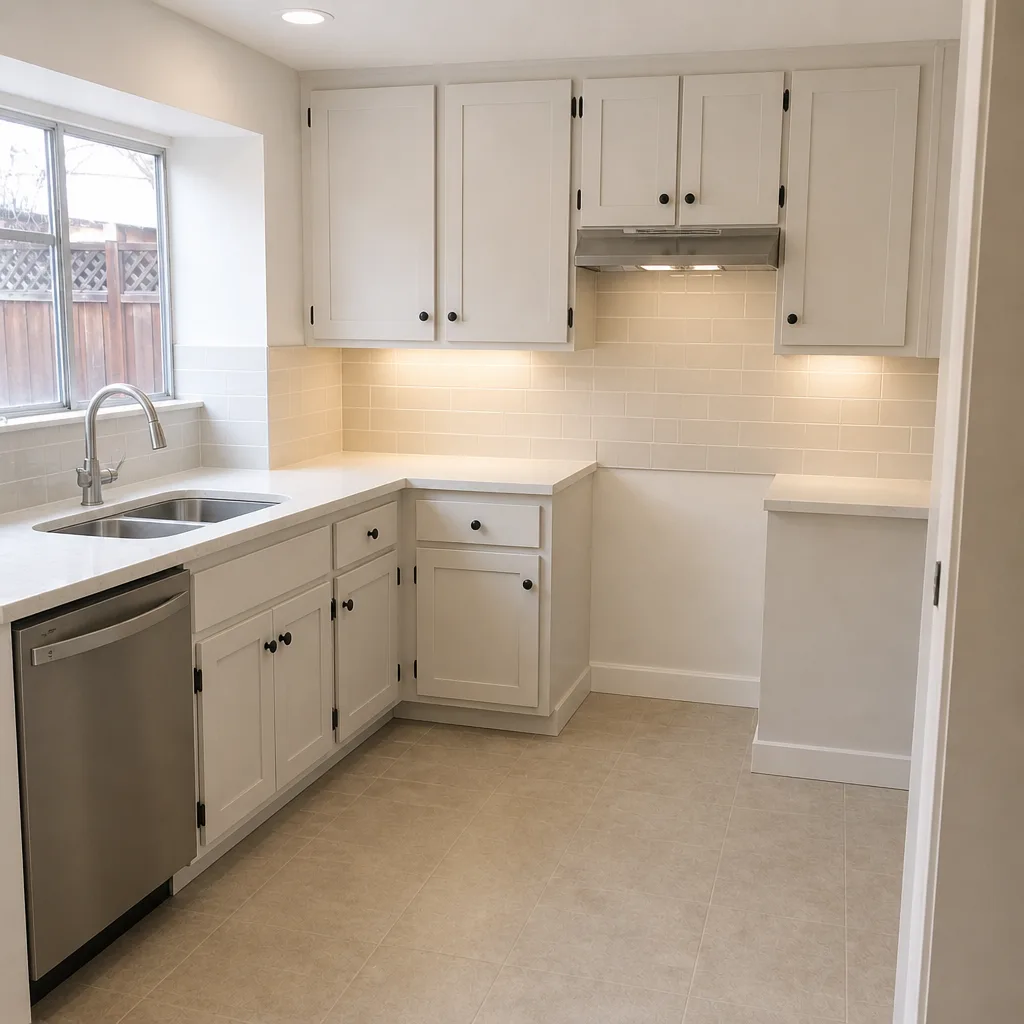 After
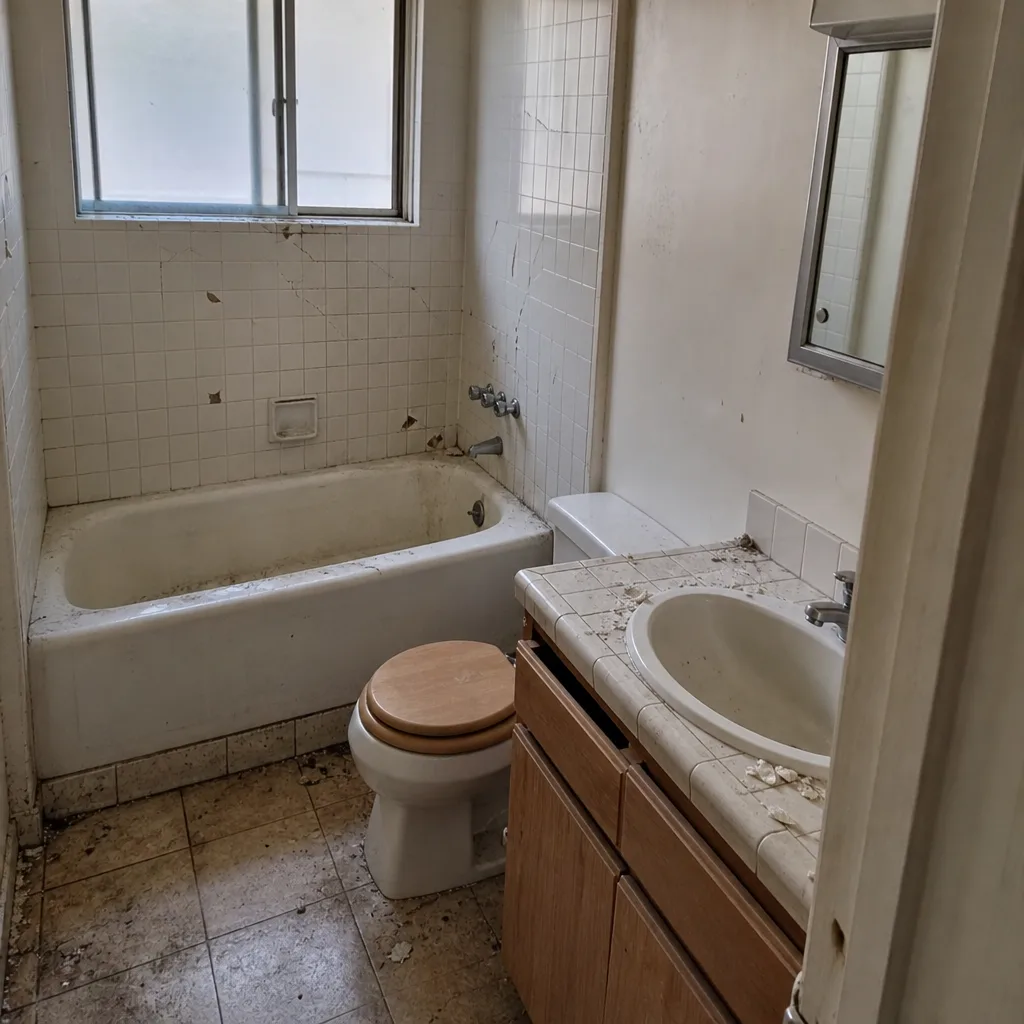 Before
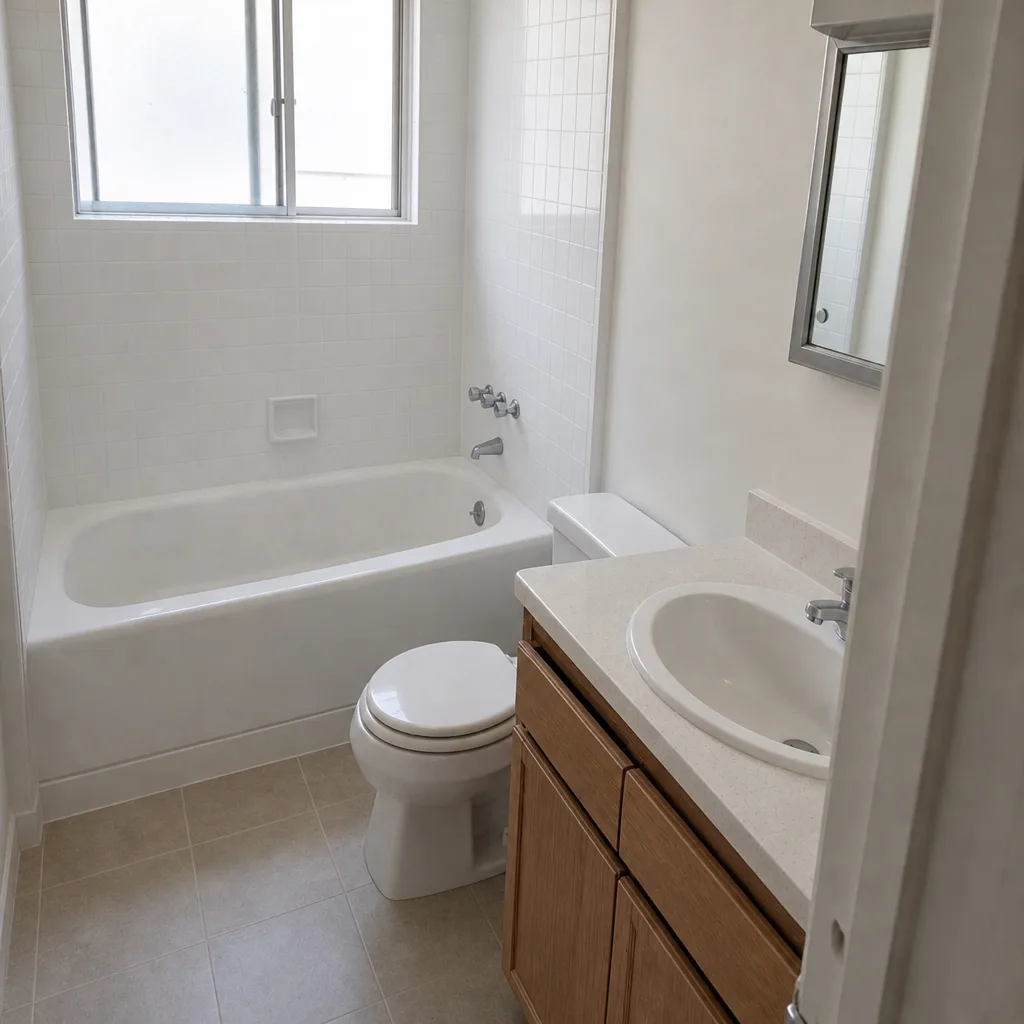 After
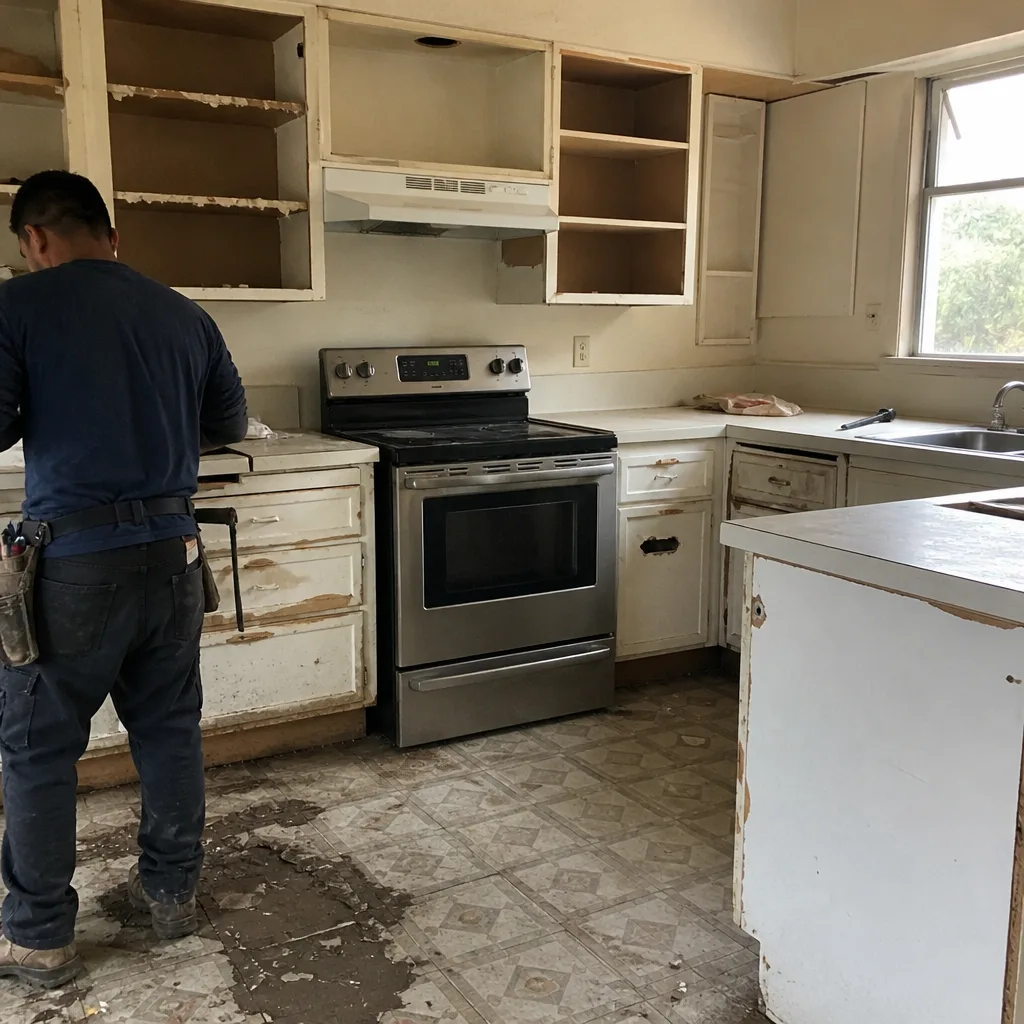 Before
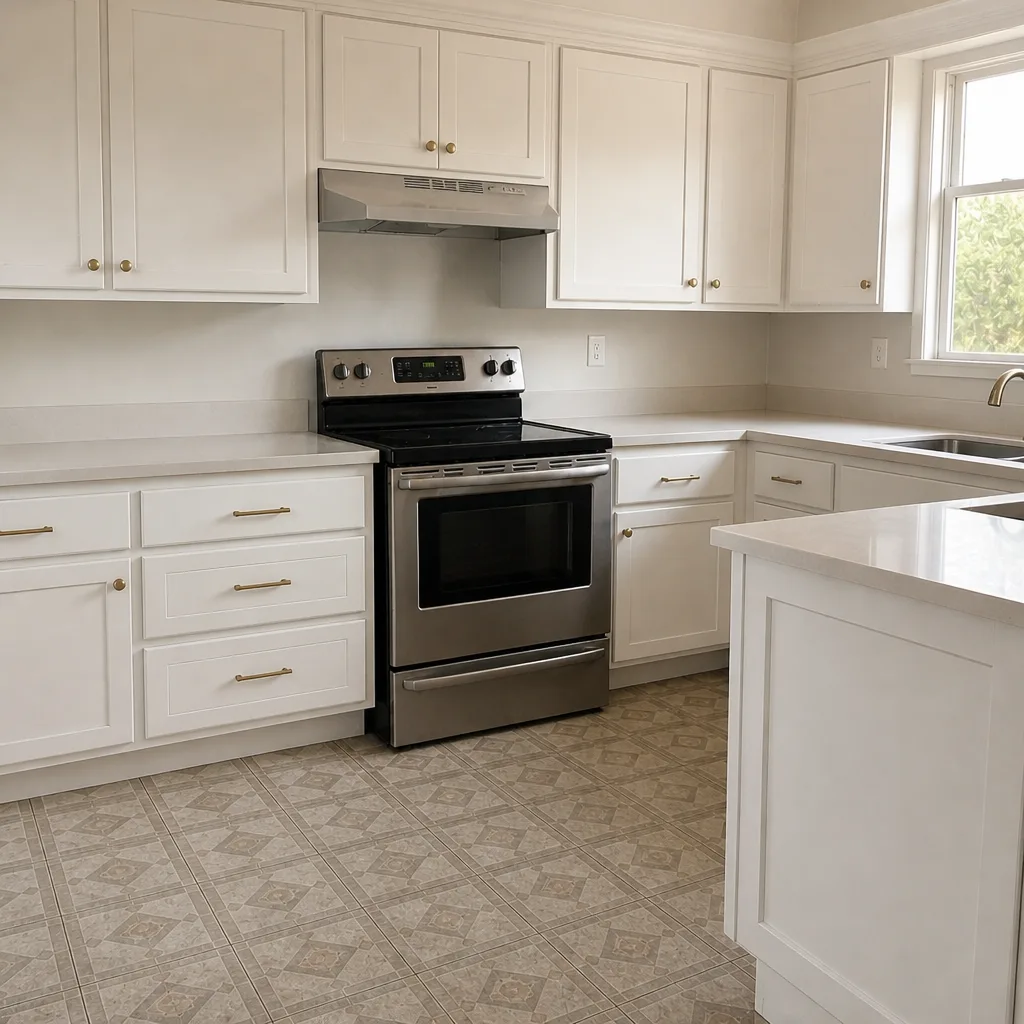 After
When to Call a Professional
Some jobs are genuinely fine for a weekend and a YouTube tab. Others aren’t close. You should call a professional when the work touches your plumbing, your electrical panel, or your home’s structure, and you should call before any work begins, not after a DIY attempt has already opened a wall. You should also call when the job requires a permit (most kitchen and bathroom remodels in Sunnyvale do), when you’re dealing with moisture issues behind tile, or when you’re planning cabinetry, countertops, or a full layout change. A proper scope and a written price matter most on jobs like these, because that’s where unplanned costs surface. If you want to check whether your project is in the “call a pro” zone, our Penhallow Remodeling Sunnyvale home page is a reasonable place to start. Penhallow Remodeling Sunnyvale offers free estimates in Sunnyvale. Call (888) 426-8719 to schedule yours.
Frequently Asked Questions
General contractor fees in Sunnyvale are typically structured as a percentage of project cost (commonly 15% – 25% of the total, depending on scope and complexity) or built into a fixed line-item price. For a great-room kitchen remodel, total project costs in Sunnyvale commonly run from about $45,000 for a modest layout with entry-level cabinetry up to $150,000 or more for a full layout change with custom cabinetry and premium stone. For a bathroom, expect roughly $18,000 – $55,000. Call (888) 426-8719 for an exact quote on your project; estimates are free.
Yes. California law requires a written home improvement contract for any job over $500 in labor and materials. That covers most bathroom and kitchen work, and it covers most projects that seem small. A verbal agreement on a $2,000 job is legally unenforceable in the same way a written contract is, and it leaves you no recourse if scope disputes arise. Get it in writing before work starts.
Go to cslb.ca.gov, enter the license number or business name, and confirm the license is Active, has the right classification (B for general building), carries an active bond, and has current workers’ comp coverage or a valid exemption. The lookup takes less than three minutes. This is the single highest-value action you can take before signing.
Typical timelines in Sunnyvale run 4 – 6 weeks for a bathroom, 6 – 10 weeks for a kitchen, and 12 – 20 weeks for a whole-home remodel, with the longest timelines tied to permit review at the city and to material lead times (custom cabinetry can add 6 – 10 weeks on its own). A written schedule in your contract should include a daily arrival window and an end date, not just a start date. Call (888) 426-8719 for a free estimate and a realistic timeline for your job.
Only with a signed written change order. A legitimate contract specifies that no additional work or cost is added without your written approval, and it lays out your change-order terms before work starts. Any contractor who can’t point to that clause in writing is telling you the price is uncertain. Call (888) 426-8719 for a free estimate and a written price you can hold us to.
Yes, and we handle the inspection as well. Sunnyvale projects that require permits (kitchen and bathroom remodels generally do, as does any electrical or plumbing work) need the permit pulled before work begins, and passing inspection is part of the job, not an afterthought. Confirm your contract names who pulls the permit, who pays the fee, and who is responsible for passing inspection. Our written bids specify this. Call (888) 426-8719 for a free estimate.
The Bottom Line
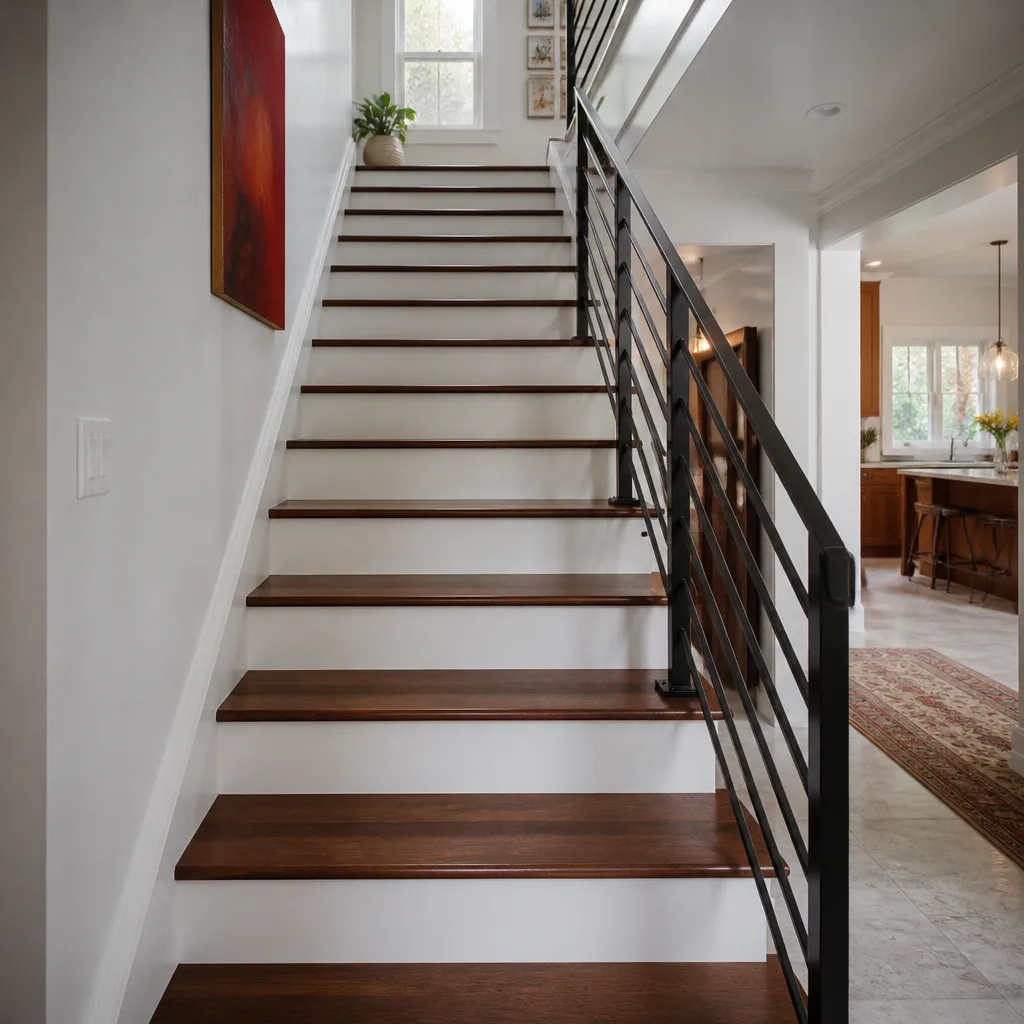
The advice to “get three bids” only works if all three bids describe the same job, in writing, with the same line items and the same scope. That’s rarely what homeowners get. The real work of hiring a Sunnyvale contractor comes down to verification and documentation: confirm the CSLB license and classification, insist on all five items California law requires in any contract over $500, demand a written arrival window and a written price, ask who the subcontractors are, and understand the difference between the statutory implied warranty and a real workmanship guarantee. A verbal estimate protects you from none of this. A written contract protects you from all of it.
Penhallow Remodeling Sunnyvale writes the price and the guarantee before a single cabinet is pulled or a tile is set. Every project gets a written price up front, a real arrival window, and the 365-Day Done Right Promise in writing. Background-checked, uniformed technicians on every job, and a live person answers the phone 24/7. If you’re planning a Sunnyvale kitchen, bathroom, or whole-home remodel, call (888) 426-8719 to schedule your free estimate. Estimates are free. The written price is the number you can hold us to.
Written by the team at Penhallow Remodeling Sunnyvale.