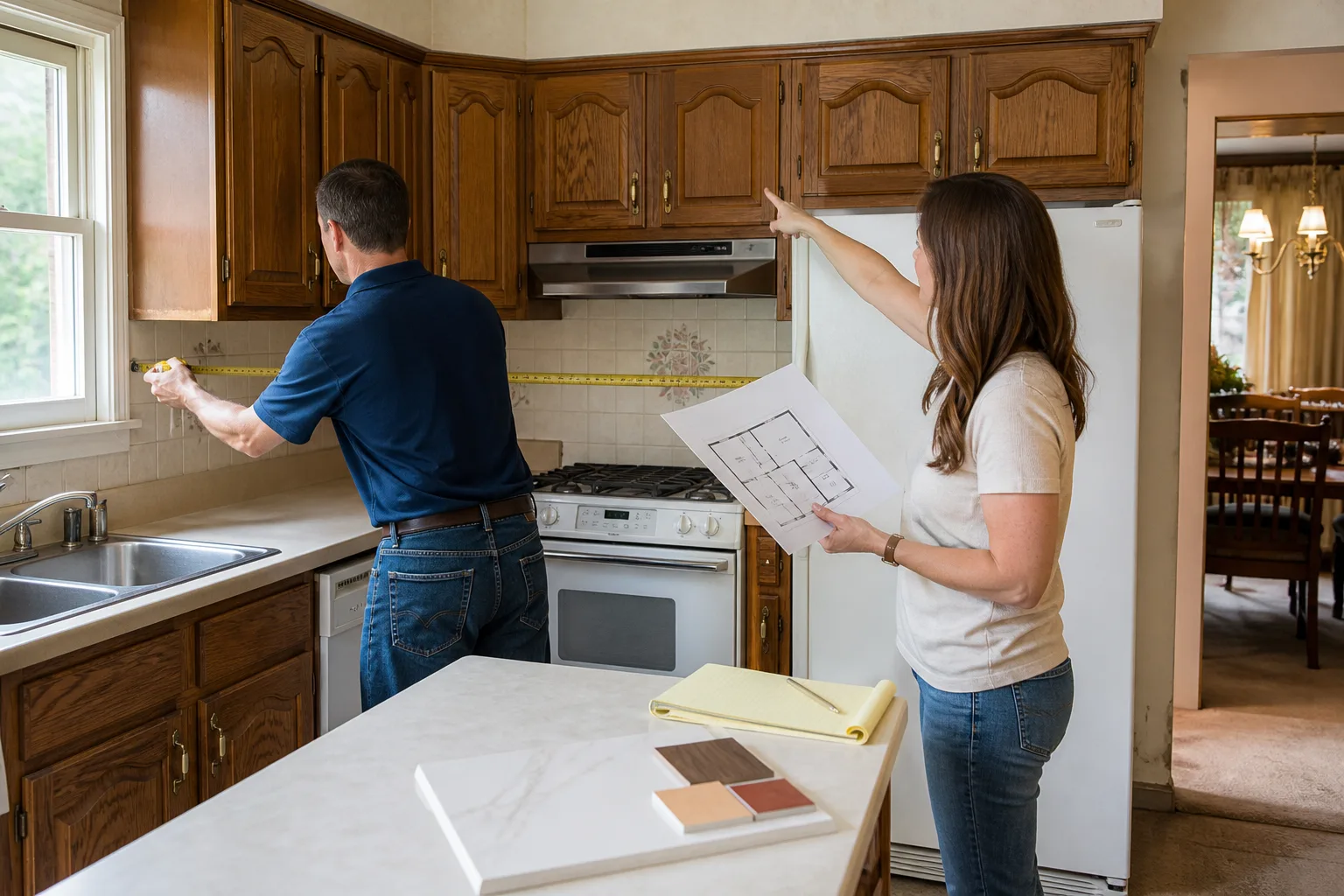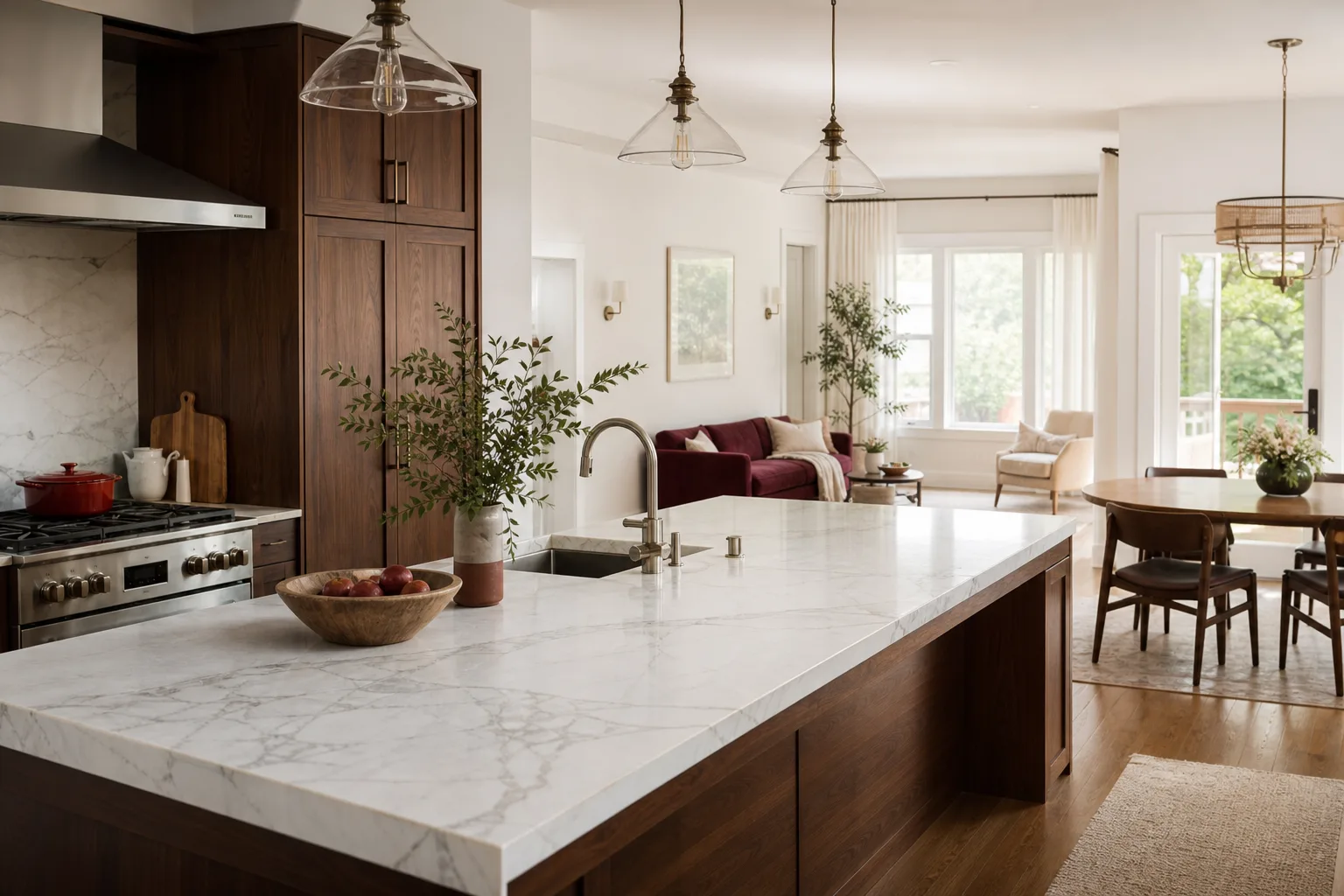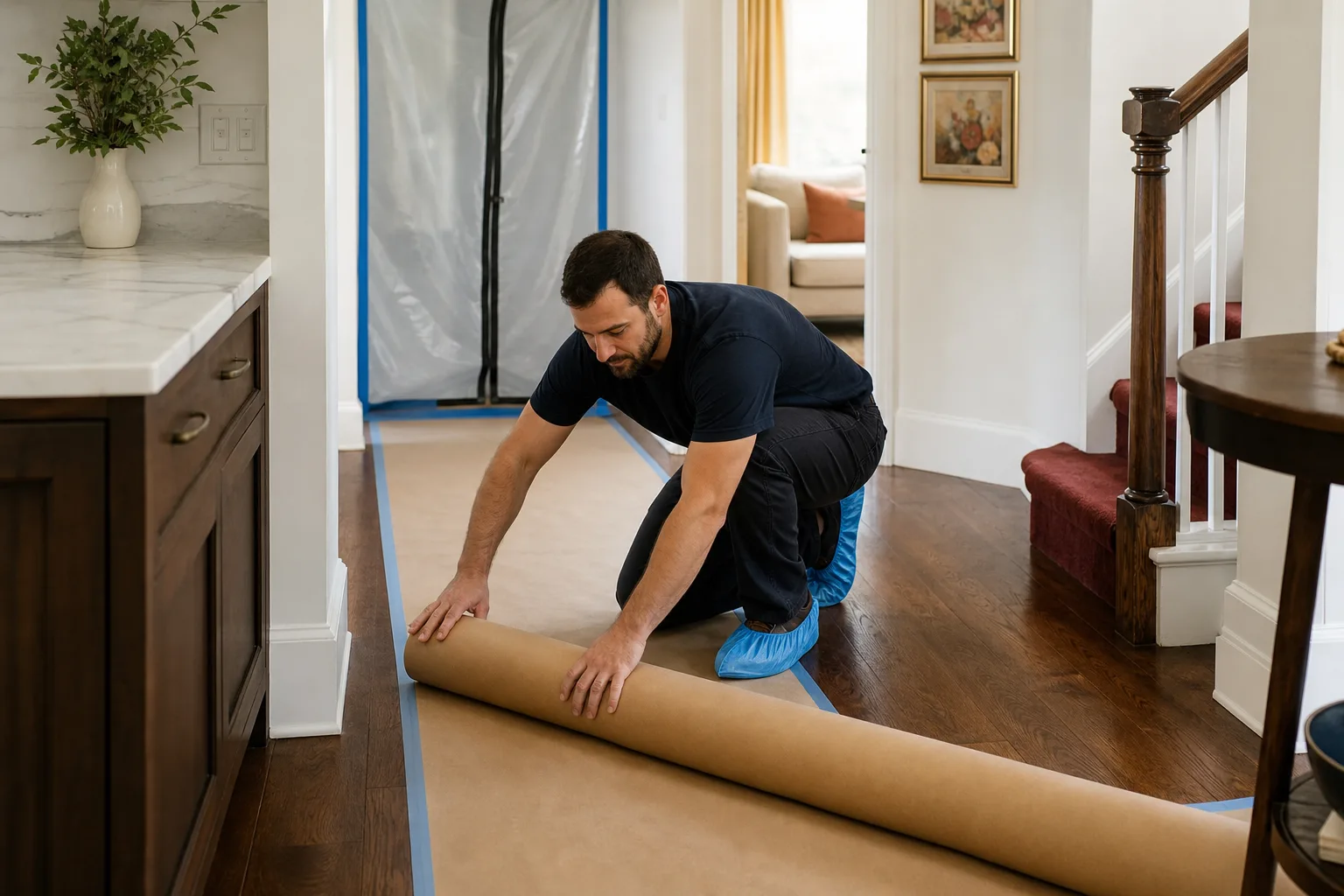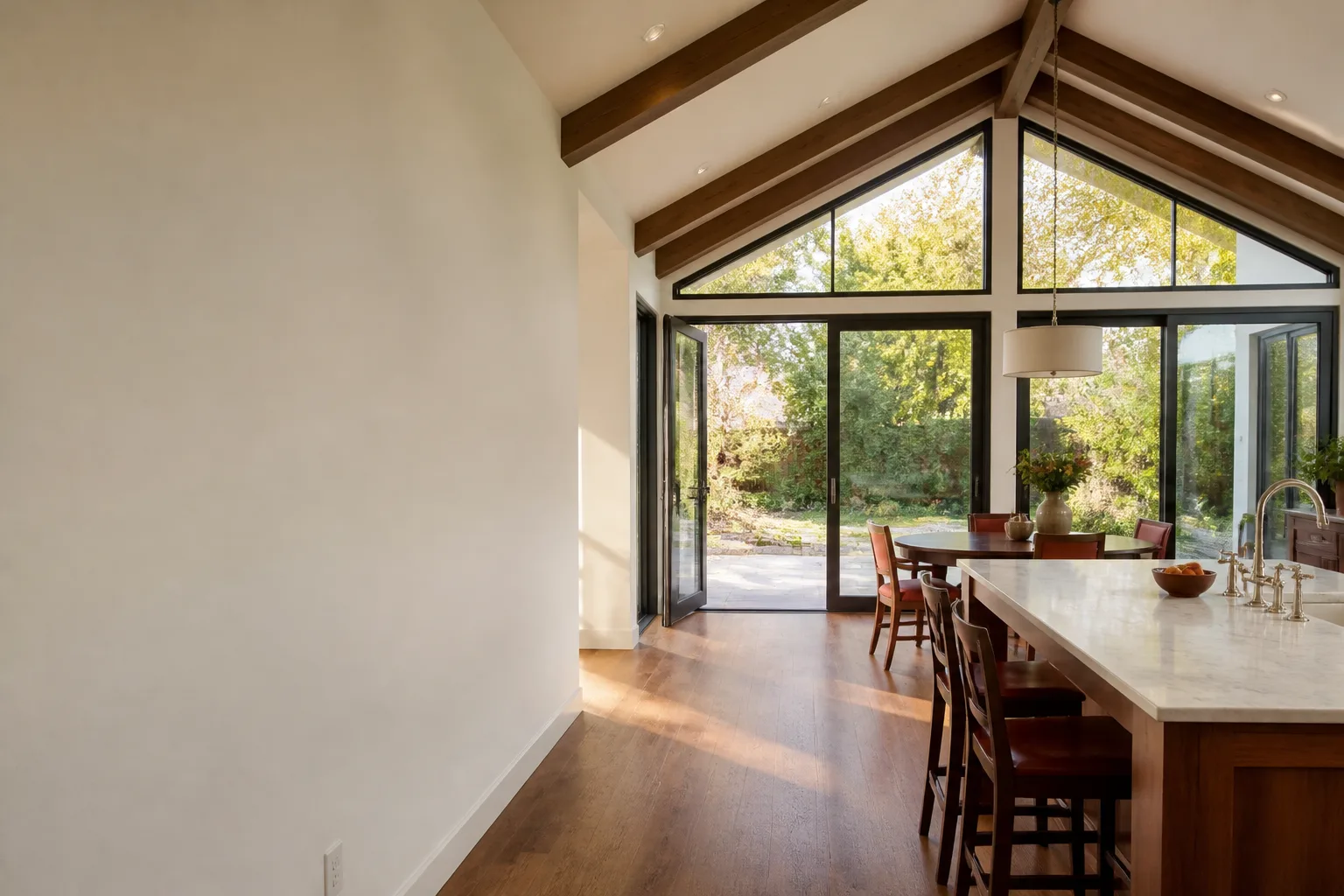
Free written scope consultation - allowances, timeline, and change-order rules on paper before a single trade is scheduled
Styles & brands we work with
- Kitchen remodeling
- Bathroom remodeling
- Home additions & ADU
- Roofing
- Windows & doors
- Driveway & pavers
- Fence
See the difference
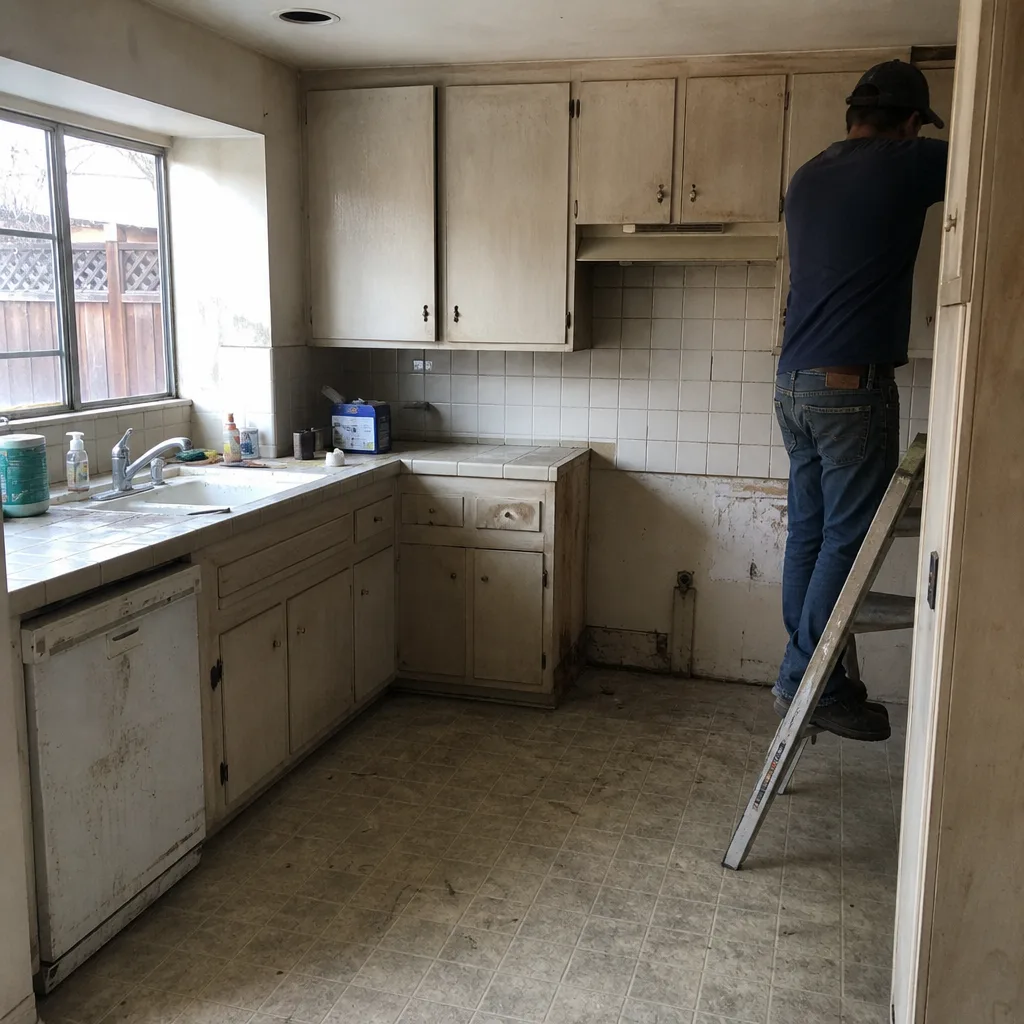 Before
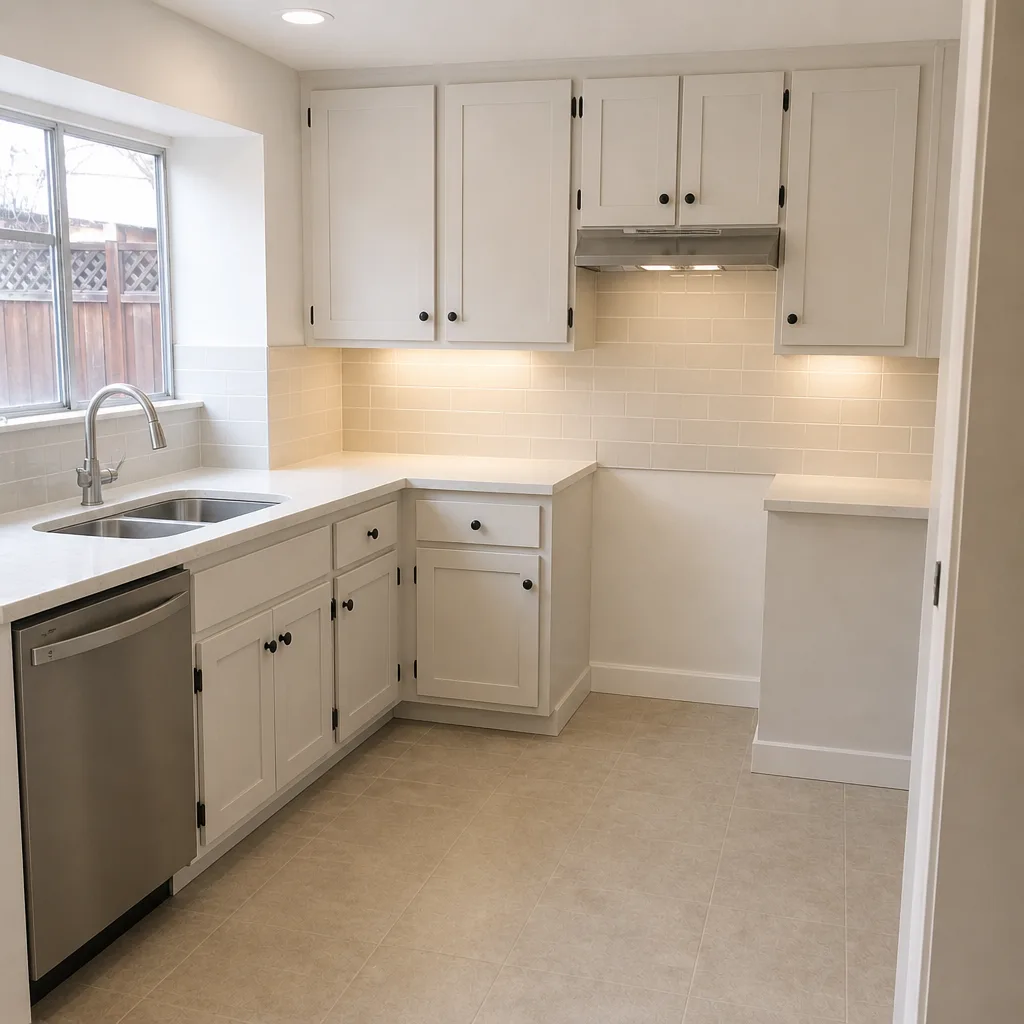 After
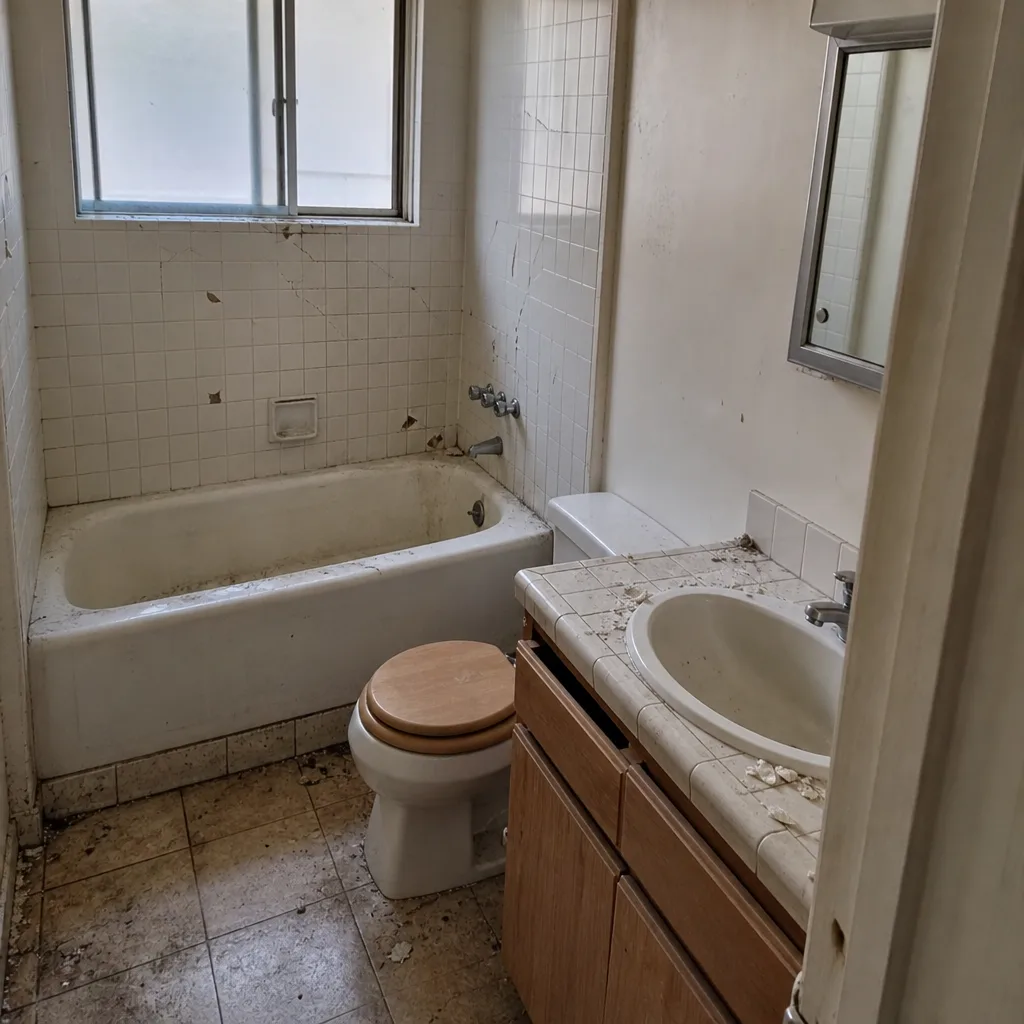 Before
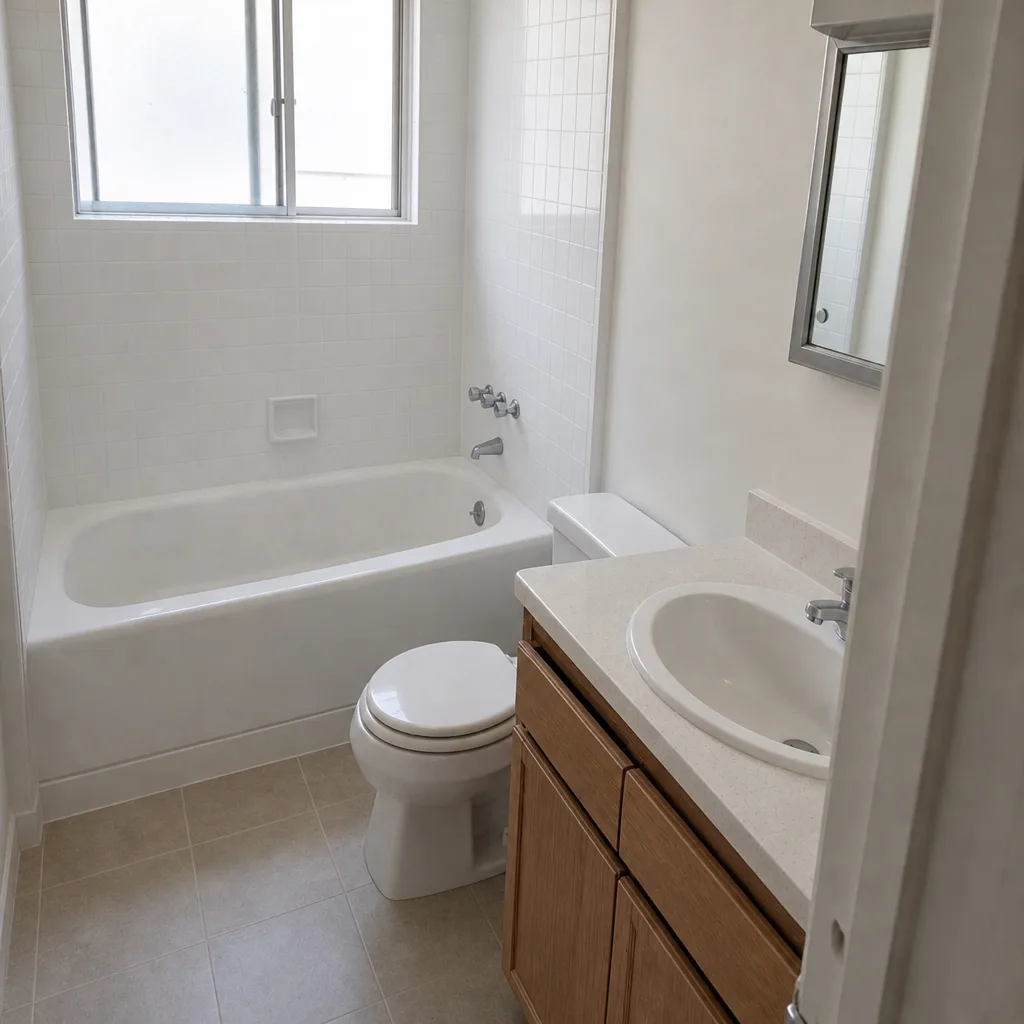 After
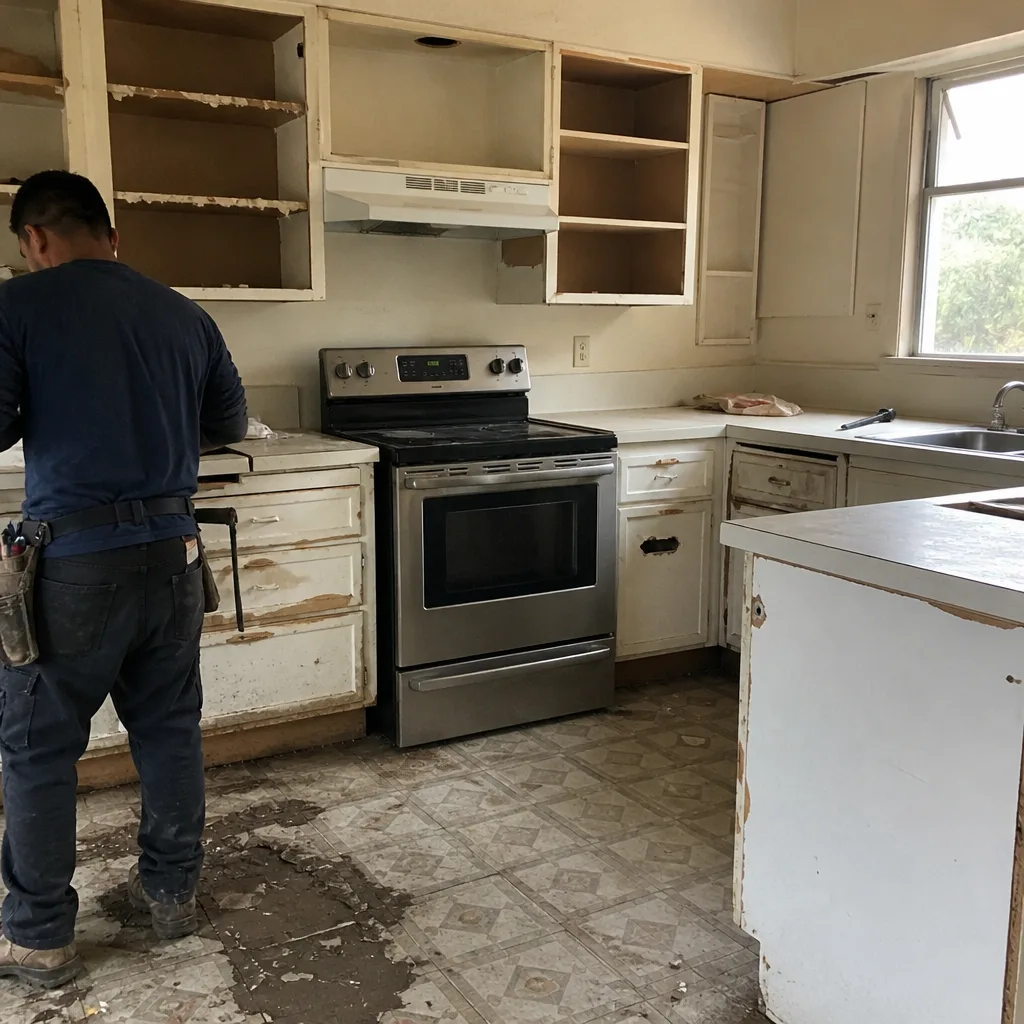 Before
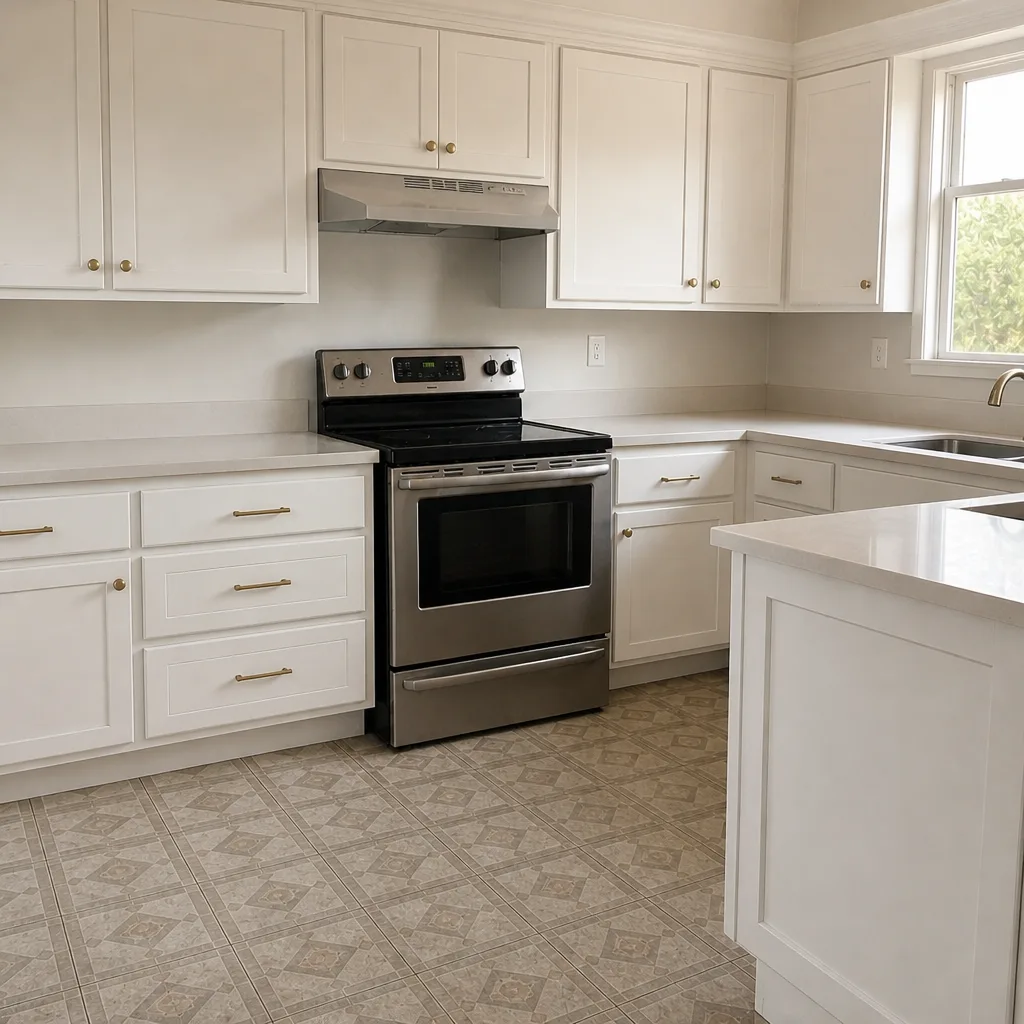 After
Do You Need a Permit for a Home Addition in Sunnyvale, CA? Yes, and the Paperwork Starts Before Your Own Plans Do
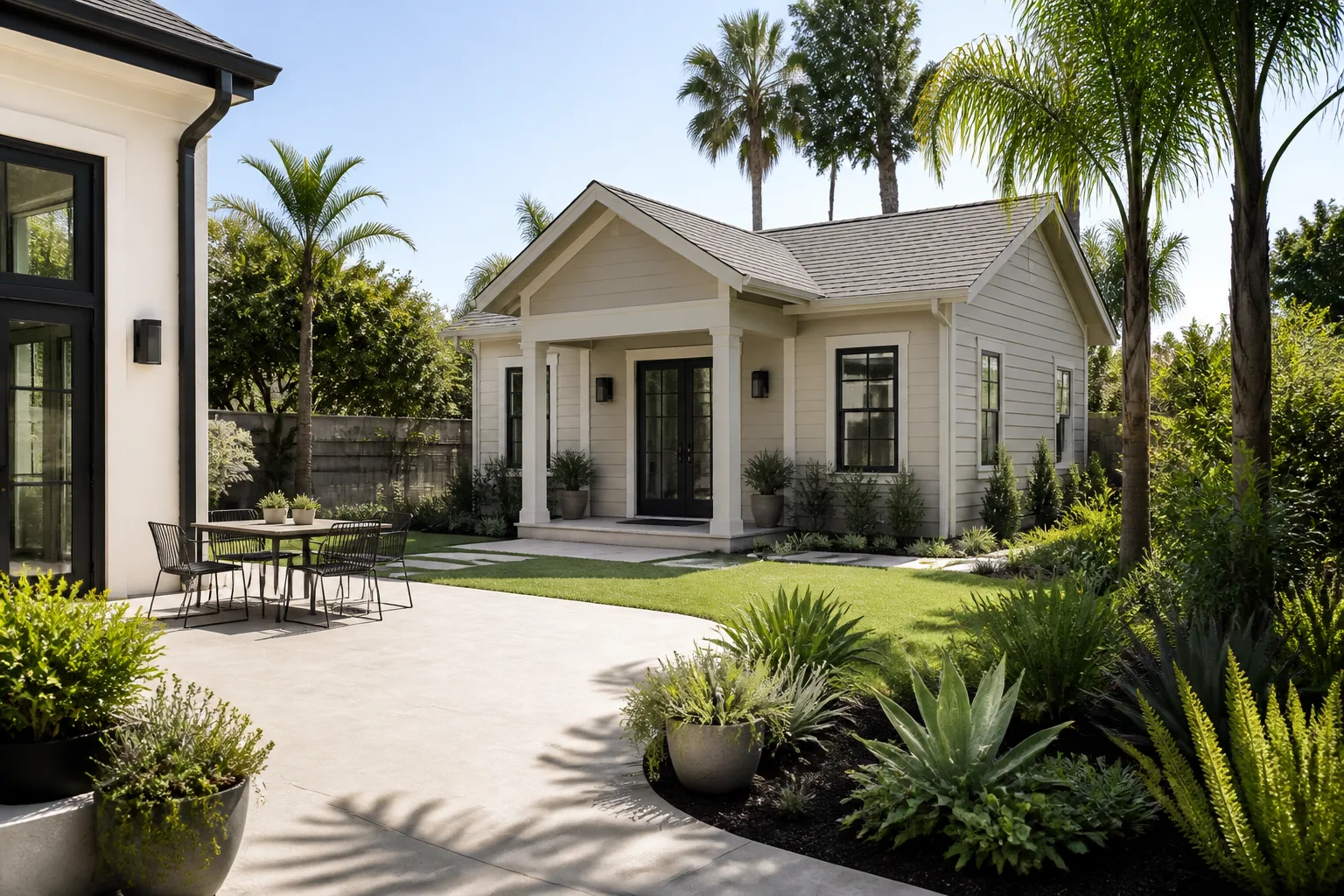
Yes. Sunnyvale requires a building permit for any home addition, and the city runs its own municipal building department rather than routing you through Santa Clara County, so the plan-check process, submittal packet and turnaround timeline are Sunnyvale’s own and don’t match what Cupertino or Mountain View guides describe. Expect plan review to take weeks, not days. And here’s the part most homeowners don’t hear until they’re already deep in it: before Sunnyvale approves your new addition, an inspector may first flag the unpermitted sunroom a previous owner built back in 1987. That prior work has to be legalized before your project can open. Call Penhallow Remodeling Sunnyvale at (888) 426-8719 and we’ll walk you through what your specific property needs.
Why Sunnyvale Additions Get Complicated Fast
Sunnyvale sits at the center of Silicon Valley, and the city has spent the last decade pushing dense mixed-use and multifamily development along the downtown core and El Camino Real. At the same time, it guards its established single-family blocks, and post-war neighborhoods file ADU and whole-house remodel permits at some of the highest rates in the region. That dual agenda shapes how the building department reads your addition application. Reviewers know the housing stock, they know the era it was built in, and they look closely at what’s already on the lot before they approve anything new.
Most of the core residential neighborhoods are 1950s through 1970s ranch-style tract homes laid over former Santa Clara Valley orchards. That history leaves real fingerprints: original single-pane aluminum windows, shallow pier-and-beam or slab foundations, and small lots that homeowners now want to enlarge with second stories and ADUs. When we open walls in these homes, we find remnant orchard irrigation lines, old walnut and cherry tree roots that have been quietly heaving slabs and driveways for decades, and additions that were never permitted in the first place.
The Retroactive Permit Step Nobody Warns You About
This is the single biggest timeline risk in Sunnyvale, and it’s the piece generic permit guides skip entirely. In older orchard-era neighborhoods, garage conversions and patio enclosures were often built without permits. Sunnyvale won’t issue your new addition permit while unpermitted work sits on the same property record. That work has to be legalized first, through a retroactive permit, which means its own drawings, its own inspection, and its own review window layered on top of your project.
How long does that add? It depends on what was built and whether it meets current code. We’ve seen legalization add a few weeks for a straightforward enclosure and several months when structural or egress issues surface. Plan for it early and it’s a scheduling problem. Discover it after demo day and it becomes a budget problem.
Two more triggers specific to Sunnyvale homes:
- Shear wall changes. Additions that touch or move a shear wall (the braced wall panels that resist lateral movement during an earthquake) are common in these 1950s-1970s slab and pier-and-beam homes. Because of the region’s seismic exposure near the San Andreas and Hayward faults, that work pulls in a structural engineering review on top of standard plan check, which changes both cost and schedule.
- Second-story solar shade study. If you’re adding a second story on a small Sunnyvale lot, the project may also require a solar shade study under Title 24, California’s energy code. It’s a requirement buried in the code, and it catches homeowners off guard because it rarely appears in permit FAQs.
Because roofs, exterior stucco and structural work here get compressed into the rain-free months, a permit delay in spring can push framing into the wet season. The calendar matters as much as the drawings.
What a Sunnyvale Home Addition Actually Costs
Home additions in Sunnyvale typically run $45,000-$130,000, depending on square footage, foundation type, whether a second story is involved, and how much legalization work the property needs first. For comparison, ADU construction runs $90,000-$220,000 and a garage conversion $30,000-$80,000. These are real market ranges, not placeholders.
| Line item | Typical Sunnyvale range |
|---|---|
| Home addition (full project) | $45,000-$130,000 |
| ADU construction | $90,000-$220,000 |
| Garage conversion | $30,000-$80,000 |
| Kitchen remodel (if the addition includes one) | $14,000-$45,000 |
| Bathroom remodel (added bath) | $9,000-$28,000 |
What drives the number up: structural engineering on a shear-wall change, a retroactive permit for prior work, and second-story framing. What keeps it down: a single-story bump-out on a sound slab with a clean permit history.
The written price includes the permit line
At Penhallow Remodeling Sunnyvale, the written price you sign already accounts for the permit fee, the plan-check submittal, and a contingency line for retroactive permit discoveries. That’s the Kingswell standard: say the price before the work, show up in the window we gave, leave the place cleaner than we found it. You get a written number before a single cabinet is pulled or tile is set, so the figure on day one is the figure on the invoice.
Every project also carries the 365-Day Done Right Promise. If something we built fails inside that year, we come back and fix it at no charge, and that’s in writing. If a repair fails, the return visit is free – no service call, no re-inspection fee. Our technicians have up to 22 years of experience, they’re background-checked, and they arrive in uniform, so you know exactly who’s walking into your home. When we finish a project, the exterior materials we use come from recognized trade brands like Belgard and Unilock, the same standard we hold everywhere.
How the Permit Process Works in Sunnyvale
We handle the submittal, but here’s what’s involved so you know what you’re paying for:
- Confirm zoning and lot coverage. Sunnyvale checks that your addition fits setbacks, floor-area ratio and height limits for your zone.
- Prepare architectural and structural drawings. Plans need to match the existing structure, which is where undocumented prior work surfaces.
- Legalize any unpermitted work first. Retroactive permits on existing additions and conversions, if the record shows them.
- Submit for plan check. Sunnyvale’s own review, not the county’s. Expect comments and a resubmittal round.
- Incorporate Title 24 energy requirements. Including a solar shade study when a second story is involved.
- Pull the permit and schedule inspections. Foundation, framing, shear-wall nailing, and final – each staged to the build sequence.
If you want to see how this plays out across the rest of the city, our Sunnyvale service area page covers the neighborhoods and project types we work in. Start at our home page for the full picture of what we do.
FAQs
Yes. Sunnyvale requires a building permit for any home addition, and the city issues it through its own municipal building department rather than Santa Clara County, so the submittal requirements and review timeline are Sunnyvale’s own. Call (888) 426-8719 for a free assessment of what your property will need.
Yes, and it commonly does. In orchard-era neighborhoods, previous owners often built patio enclosures or garage conversions without permits, and Sunnyvale won’t issue a new addition permit while unpermitted work sits on the property record. That work has to be legalized through a retroactive permit first, which can add weeks or months. Call us to check your property record before you buy plans – it’s free.
The permit itself typically takes weeks through Sunnyvale’s plan check, not days, and longer if a retroactive permit or a structural engineering review is involved. Add time for a second-story solar shade study under Title 24. Call (888) 426-8719 and we’ll give you a realistic schedule for your project.
For most homeowners here, adding on costs less than buying a larger Sunnyvale home, and a $45,000-$130,000 addition buys you the layout you already want on a lot you already own. The calculus only flips if legalization and structural work push the total near the top of that range. Call (888) 426-8719 for an exact written quote – estimates are free.
Get a Written Price Before You File Anything
If you’d rather have your property looked at than guess at the paperwork, Penhallow Remodeling Sunnyvale offers a no-pressure assessment in Sunnyvale. We’ll check the permit history, flag any retroactive work, and give you a written price before you commit. Call (888) 426-8719 for a free estimate.
Written by the team at Penhallow Remodeling Sunnyvale, serving Sunnyvale, CA.