
Free written scope consultation - allowances, timeline, and change-order rules on paper before a single trade is scheduled
James Hardie Roofing: The Sunnyvale Owner’s Guide
James Hardie doesn’t manufacture roofing shingles or tiles, so when Sunnyvale homeowners search for “James Hardie roofing” what they usually need is the roof-to-wall connection, the fiber cement trim and fascia that finish a James Hardie siding job, or a roofer who knows how to flash against HardiePlank without voiding the siding warranty. Installed roof repair on a James Hardie-clad home in Sunnyvale typically runs $400 to $1,800, and a full roof replacement runs $8,000 to $20,000 depending on pitch, square footage, and whether the fiber cement trim needs to come off and go back on.
Most owners discover the problem from the inside. A brown ring spreads on the ceiling of a back bedroom after the first real rain. Or the paint on the fascia board behind the Hardie trim starts peeling every two years no matter who paints it. Both point to the same thing: water is getting behind the fiber cement and the flashing wasn’t detailed for it. Sunnyvale’s dry summers hide the damage for months, then a single atmospheric river in January finds every gap at once.
Key Takeaways
- James Hardie makes siding, trim, fascia, and soffit panels, not shingles; the roofing work is the weather barrier and flashing around those products.
- Roof repair on a James Hardie-clad Sunnyvale home typically costs $400 to $1,800; full replacement runs $8,000 to $20,000.
- Fiber cement trim left unpainted on cut edges is the most common cause of hidden rot at the roofline.
- We are an independent remodeling company, not affiliated with James Hardie.
Which James Hardie Models This Applies To
The James Hardie product at your roofline is almost always one of a handful of lines: HardiePlank lap siding in the 5/16-inch or 7/16-inch thickness, HardieTrim boards in the 5/4-inch and 4/4-inch profiles, HardieSoffit panels, or HardieShingle for the gable ends. The version that matters for roofing work is the trim and fascia, because that’s what sits against the roof edge and takes the water first.
Here’s where owners get tripped up. HardieTrim comes in two thicknesses, and the fascia profile on a Sunnyvale ranch built in the 1960s is often the thinner 4/4 board, while the replacement trim sold at most yards is the 5/4. If a roofer swaps thickness without adjusting the drip edge or the gutter hanger, the fascia sits proud of the roof plane and water wicks behind it. The other compatibility gotcha is paint. James Hardie’s factory finish (ColorPlus) carries a 30-year finish warranty on the siding itself, but that warranty only holds if cut edges and field-cut ends get primed and painted. Any roofer who cuts your Hardie trim and nails it up bare has voided the finish coverage on that piece. Ask for the primed-cut detail in writing before anyone touches the roof.
To identify what you have, measure the exposed face of the trim board (not the total width) and the thickness at the edge, then look for the James Hardie stamp on the back of any loose piece or on the siding course below. An OEM HardieTrim board and a quality fiber cement equivalent from a mill like Allura both perform, but only the Hardie board carries the Hardie finish warranty, and matching the existing thickness matters more than matching the brand.
Styles & brands we work with
- Kitchen remodeling
- Bathroom remodeling
- Home additions & ADU
- Roofing
- Windows & doors
- Driveway & pavers
- Fence
Signs Your James Hardie Roofing Is Failing
- Paint peeling on the fascia behind the Hardie trim. That’s moisture trapped between the fiber cement and the wood substrate. The paint is doing its job; the flashing isn’t.
- Soft spots when you press the trim near the roof edge. Fiber cement itself doesn’t rot, but the wood fascia behind it does, and the Hardie board hides it until the nails pull loose.
- Water stains on the ceiling within 3 feet of an exterior wall. This points to a step flashing failure where the roof meets the wall, not a shingle problem. Common on Sunnyvale homes with low-pitch porch roofs.
- Gaps or caulk lines cracking between the trim and the stucco or siding. Caulk fails every 5 to 7 years in California sun. When it goes, water gets behind the Hardie and stays there.
- Gutter pulling away from the fascia. Often the hanger has rusted into a rotted fascia board the Hardie trim was concealing.
Replacement Cost & What’s Included
Roof repair on a James Hardie-clad home in Sunnyvale runs $400 to $1,800 installed. Typical line items: step flashing replacement at a wall intersection ($250 to $600), fascia board replacement with new HardieTrim and primed cuts ($350 to $900), and re-caulking and painting the trim-to-roof joint ($200 to $500). Full roof replacement, which includes removing and reinstalling the fiber cement trim at the perimeter, runs $8,000 to $20,000.
What drives the range: roof pitch (anything over 6/12 adds labor), how much HardieTrim has to come off, whether the underlying fascia is sound, and the square footage. We give you a written line-item price before any work starts, with the parts and labor broken out so you can see exactly what the trim and flashing cost versus the roofing. Every job carries our 365-Day Done Right Promise, and if a repair fails inside that year we come back at no charge, no service call fee. Materials come from recognized trade brands, the same standard we hold on KraftMaid, Cambria, and Silestone work elsewhere in the home.
See the difference
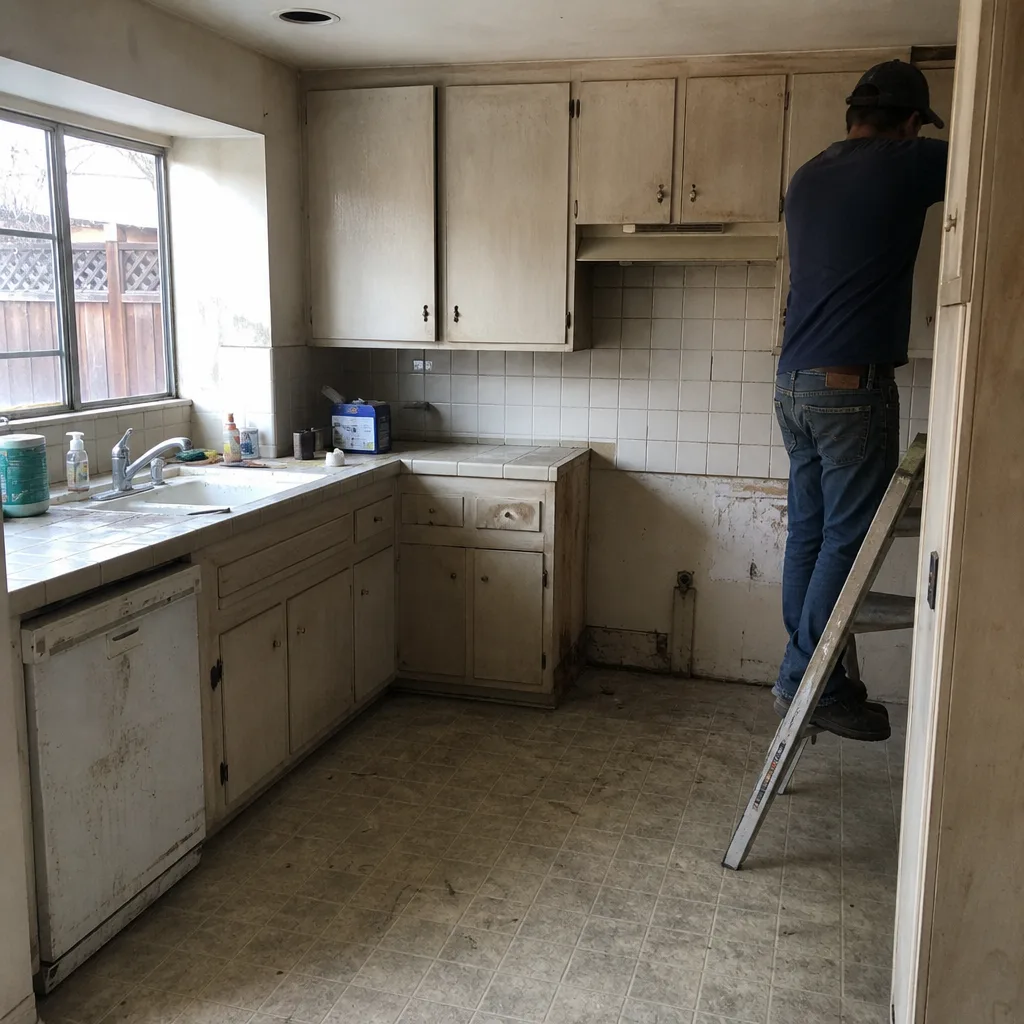 Before
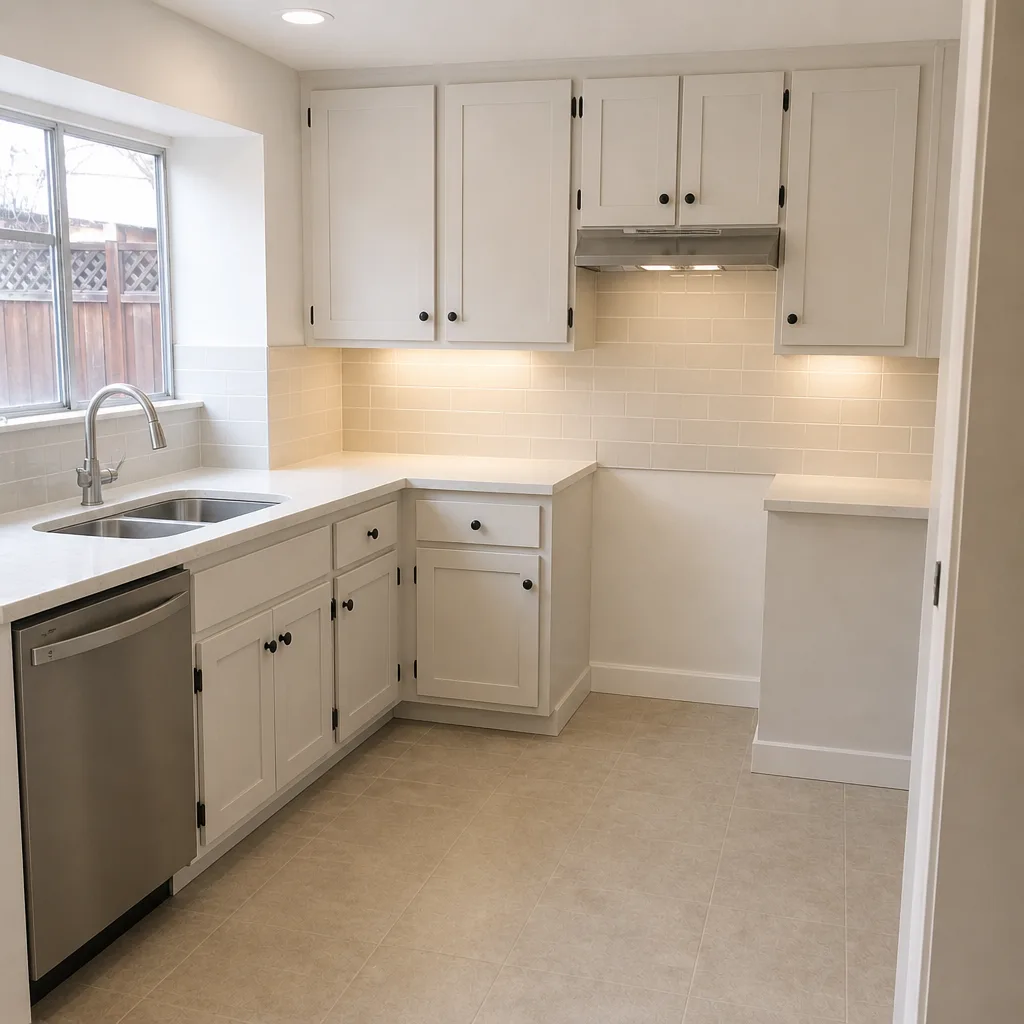 After
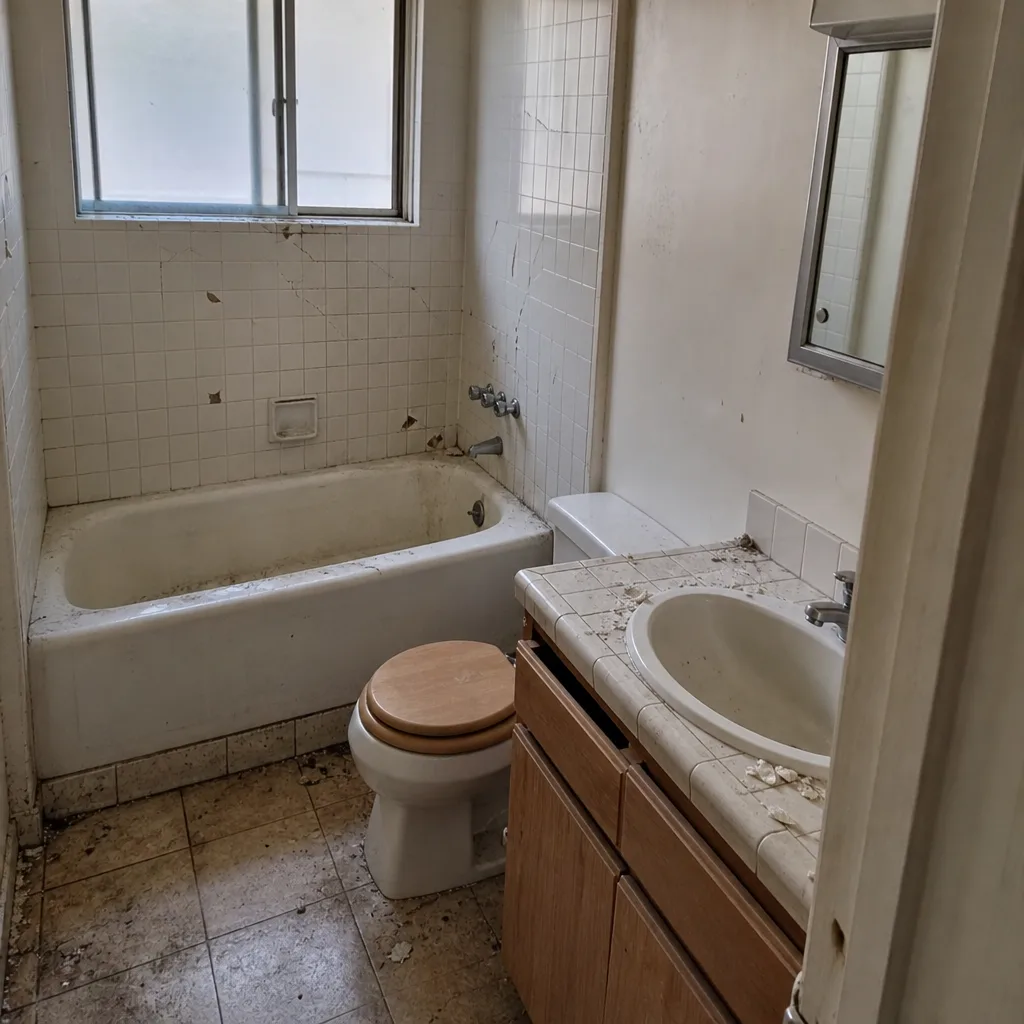 Before
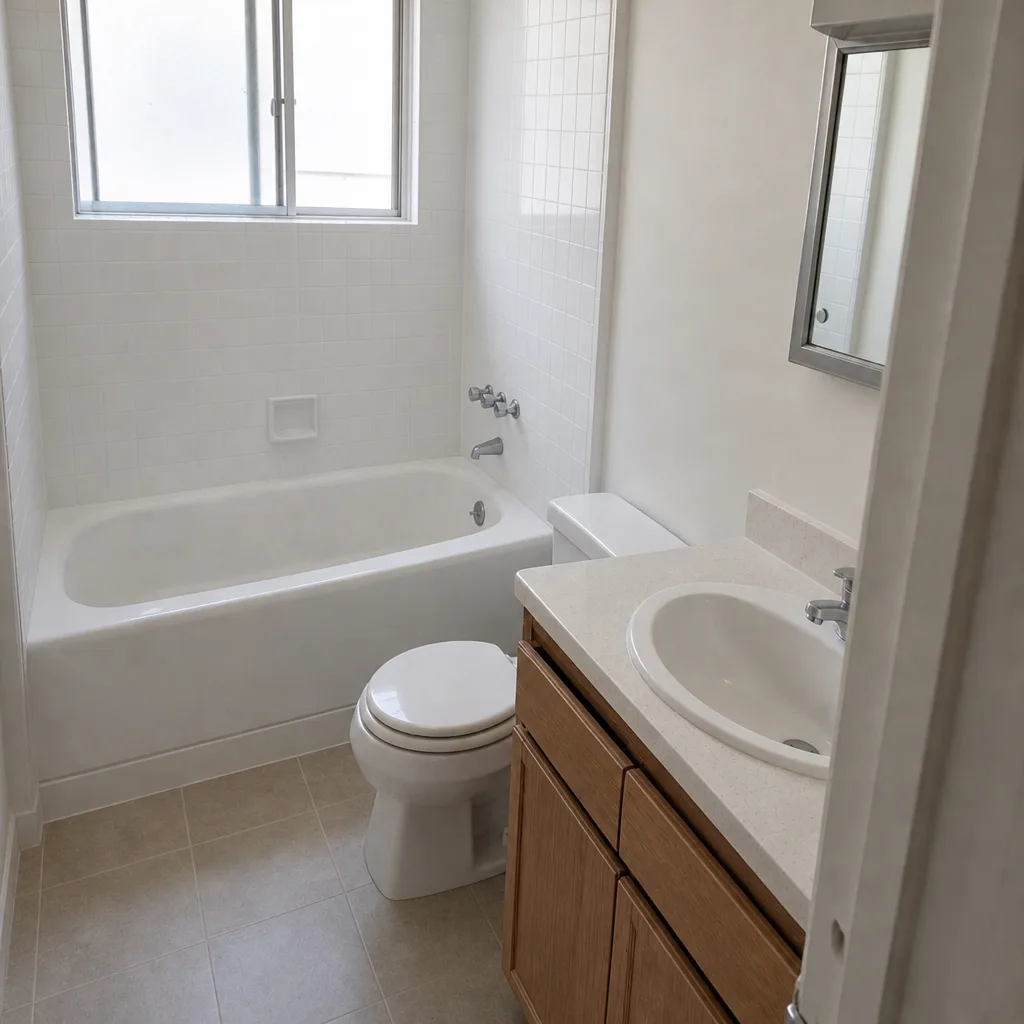 After
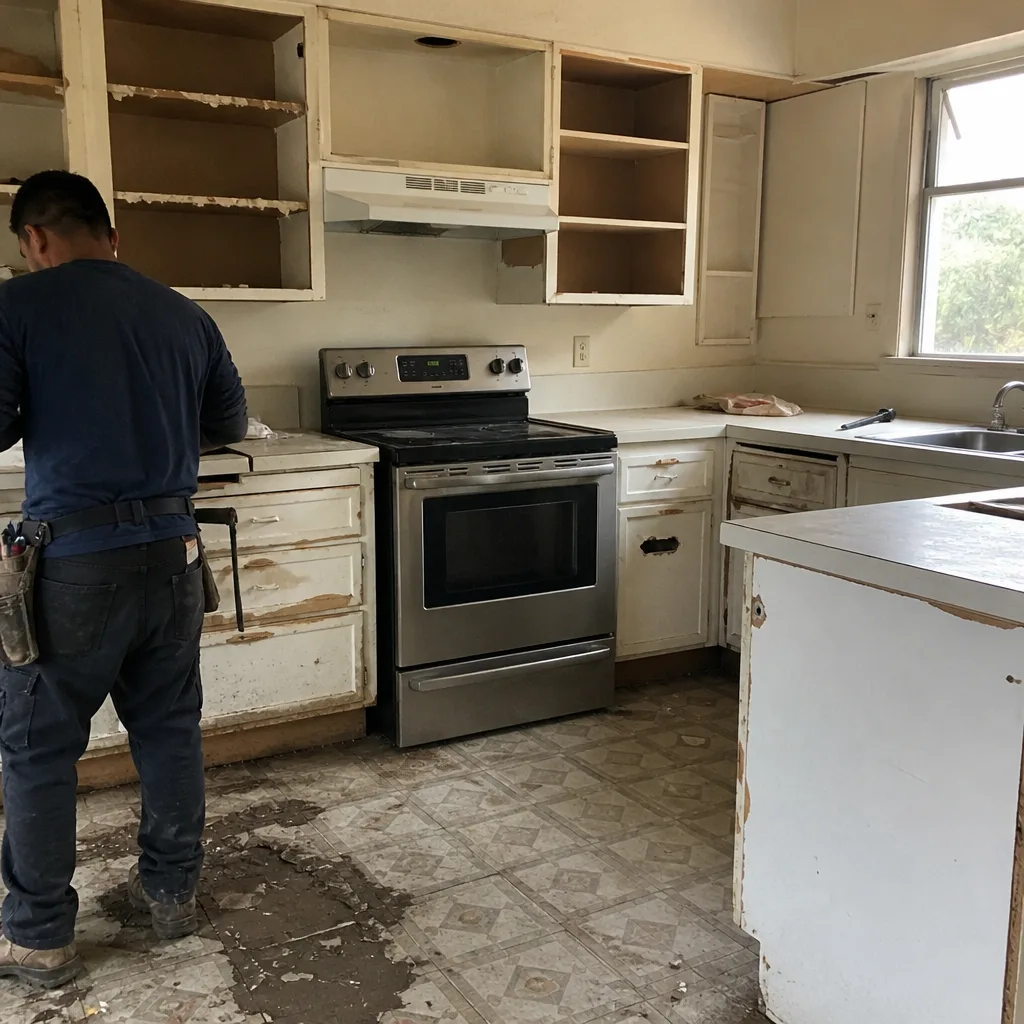 Before
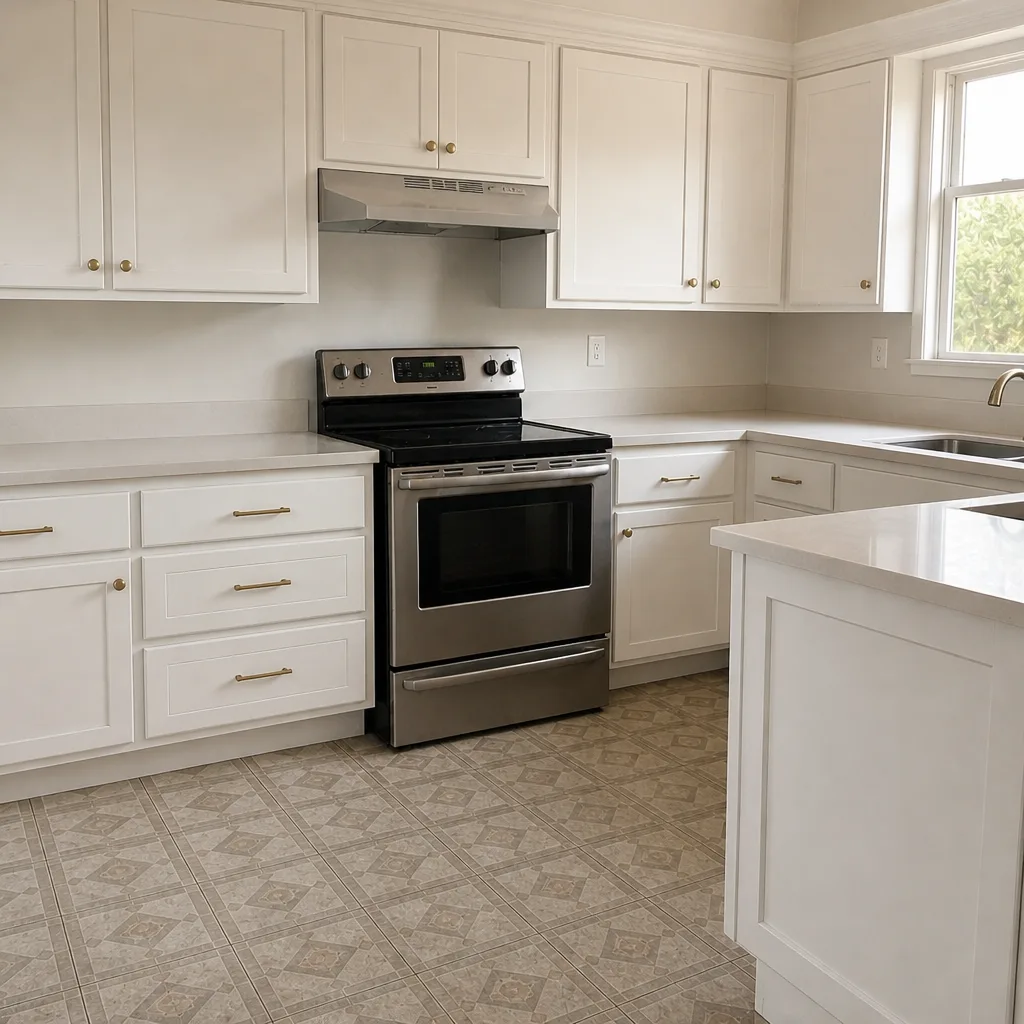 After
DIY or Call Us?
You can safely walk the perimeter on the ground with binoculars, check the ceiling inside after a rain, and press the Hardie trim near the roof edge with a screwdriver to feel for softness. That’s diagnostic, and it’s useful.
What you shouldn’t do is get on the roof. Roof work at any pitch above a low porch carries real fall risk, and the flashing detail where the Hardie trim meets the roof is where DIY jobs fail. We’ve seen Sunnyvale homeowners chase a leak three times with caulk because the actual problem was a step flashing installed backward. The repair held for one season, then the next storm found it again. If you’re not certain what you’re looking at, call us. We’ll tell you honestly whether it’s a $400 repair or something bigger.
FAQs
James Hardie rates HardieTrim for 30 years when it’s installed with primed cuts and painted per the manufacturer’s spec. In Sunnyvale’s climate the fiber cement itself holds up fine; what fails early is the wood fascia behind it and the caulk joint, which needs refreshing every 5 to 7 years. Call (888) 426-8719 for an inspection and a written price.
Often yes. Most leaks at the roof-to-wall junction are step flashing or caulk failures, and the trim can stay in place if it’s sound. If the fascia behind it is soft, the trim has to come off to fix the wood. We’ll tell you which one you have before you commit to anything.
Most flashing and trim repairs are a one-day job. If the fascia underneath is rotted, plan on two days to replace the wood, install new HardieTrim with primed cuts, and repaint the joint.
We order the specific thickness and profile to match what’s on your home, usually the 4/4 or 5/4 HardieTrim, from a local supplier. We don’t claim to stock parts or carry them on a truck, so lead time is typically a few days depending on the profile.
Get a Written Price Before Any Work Starts
If you’ve got a stain on the ceiling, peeling paint at the fascia, or a gutter that’s pulling loose, the number you want is a written one. Call Penhallow Remodeling Sunnyvale at (888) 426-8719 for a free estimate. A live person answers, day or night, and every job comes with a written price and our 365-Day Done Right Promise. Our technicians have up to 22 years of experience, are background-checked, and arrive in uniform. We’re an independent remodeling company serving Sunnyvale homeowners, not affiliated with James Hardie.
Written by the team at Penhallow Remodeling Sunnyvale, serving Sunnyvale and nearby areas.