
Free written scope consultation - allowances, timeline, and change-order rules on paper before a single trade is scheduled
James Hardie Home Additions & ADU: The Sunnyvale Owner’s Guide
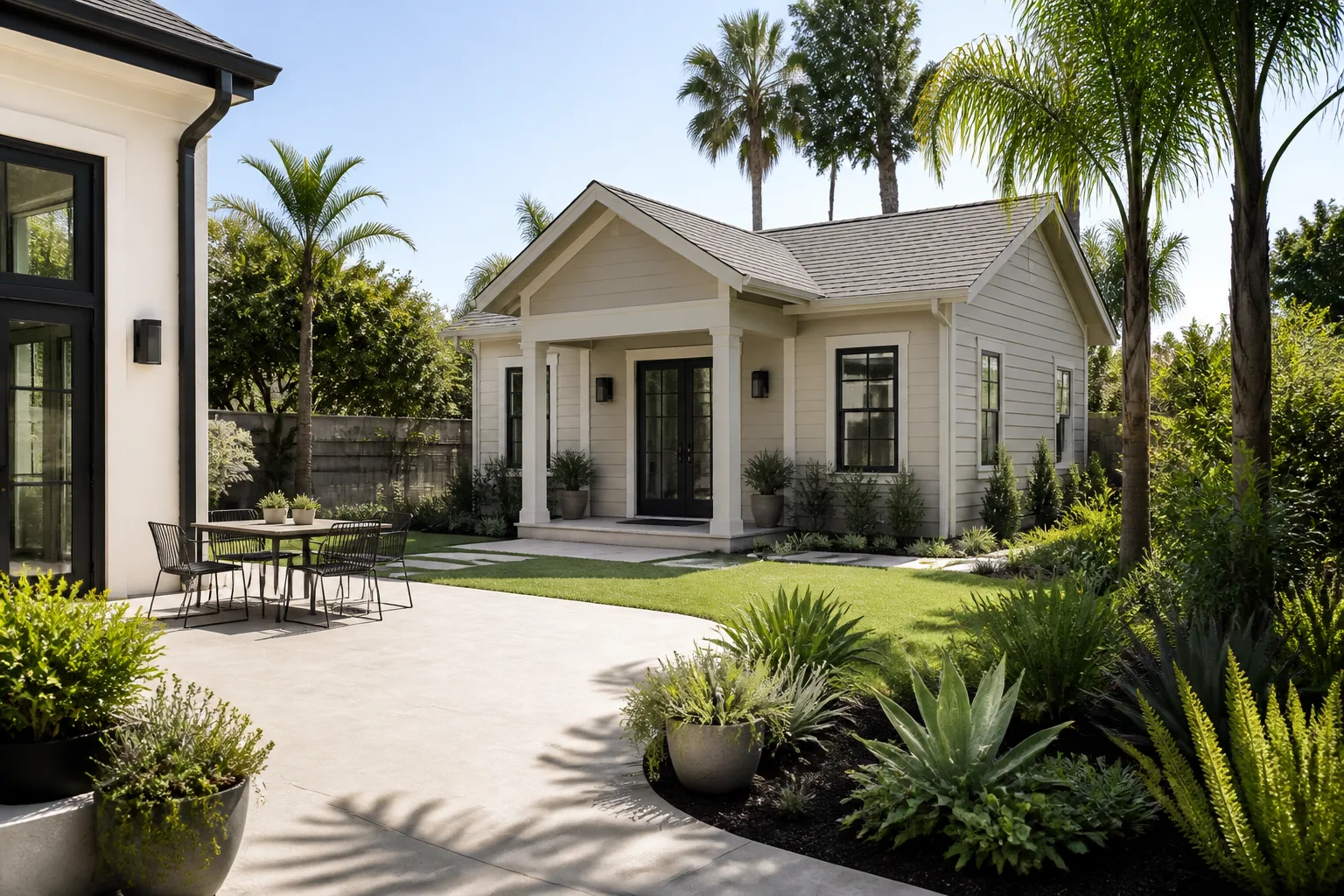
We build home additions and ADUs clad in James Hardie fiber cement, and in Sunnyvale a finished addition typically runs $45,000 – $130,000, while a full ADU runs $90,000 – $220,000 depending on size, site work and finish level. James Hardie itself is the siding and trim layer of that build, not the structure – and it’s usually where owners start noticing trouble first. The paint chalks and fades on the south and west faces. A trim board swells at a corner and the caulk line opens. Lap siding near a sprinkler head starts growing a green film that won’t scrub off. Those aren’t cosmetic annoyances you can ignore for a year. On a Sunnyvale addition, the cladding is the part that keeps the wall assembly dry, and once a seam opens, water finds the sheathing behind it.
Every job we price comes with a written number before work starts and our 365-Day Done Right Promise in writing. Estimates are free.
Which James Hardie Products This Applies To
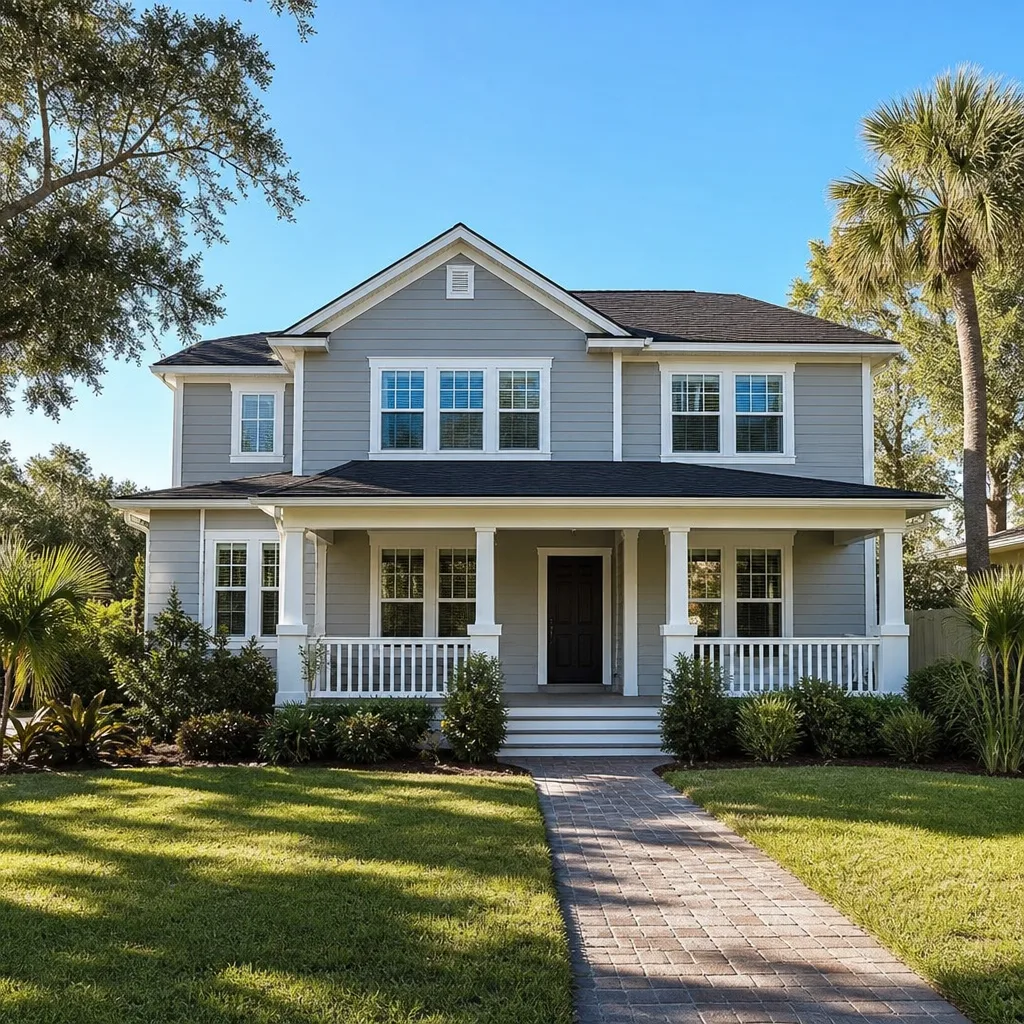
James Hardie isn’t a single product. The line you have determines which panels, trim and fasteners a rebuild has to match, and mixing lines on one wall is where a lot of additions start looking patched together a few years later.
- HardiPlank lap siding – the classic horizontal boards, most common on Sunnyvale additions built in the 1990s and 2000s. Sold in specific exposure widths; if you replace a run, the new boards need to match the existing overlap or the shadow line steps visibly.
- HardiePanel vertical siding – large sheets with a grooved or smooth face. Sheet thickness and the batten spacing have to be measured, not guessed, because there are multiple profiles in circulation.
- HardieShingle – the cedar-shake look, often used on gables and second stories. Individual shingle panels are staggered, so a repair has to interleave rather than butt.
- HardieTrim and HardieSoffit – the boards at corners, windows and eaves. These fail faster than the field siding in Sunnyvale because they take water from two directions.
To identify what you have, look for the printed back-stamp and the mill mark on the back of any loose or removed board – James Hardie stamps product line and manufacturing info there. No stamp and no label? Measure thickness and exposure width and bring those numbers to the conversation. On the OEM-versus-equivalent question: James Hardie is the only maker of James Hardie. There’s no “OEM alternative” for a Hardie panel. What you’re actually choosing between is genuine James Hardie product and a competing fiber cement brand, and on a partial repair the brand match matters less than matching thickness, texture and exposure so the wall reads as one surface.
One thing worth saying plainly: Penhallow Remodeling Sunnyvale is an independent remodeling company. We install James Hardie products. We are not affiliated with, authorized by, or sponsored by James Hardie Building Products.
Styles & brands we work with
- Kitchen remodeling
- Bathroom remodeling
- Home additions & ADU
- Roofing
- Windows & doors
- Driveway & pavers
- Fence
Signs Your James Hardie Home Additions & ADU Cladding Is Failing
James Hardie’s own published lifespan guidance puts fiber cement siding at roughly 30 to 50 years – and that figure assumes the finish gets maintained and water stays out. In Sunnyvale’s climate, with wet winters and long dry summers, the realistic failure points show up in a predictable order.
- Paint chalking and fading on sun-facing walls. Ultraviolet exposure breaks down the factory finish over time. Once the surface chalks, the next coat of paint won’t bond properly without prep, and bare spots follow. South and west elevations fail first.
- Caulk joints opening at corners, windows and trim. Sunnyvale’s wet-dry swing works sealant constantly. When a joint opens, water gets behind the board rather than running off it. This is the single most common cause of hidden damage we find on additions.
- Swollen or delaminating trim boards. Trim takes water from more directions than field siding. A HardieTrim board that’s spongy at the bottom edge has usually been wicking for at least a season.
- Green film and staining near irrigation. Sprinkler overspray plus our dry summers leaves mineral and algae staining on lower courses. If it doesn’t come off with a soft wash, the finish underneath is compromised.
- Visible fastener rust streaks or popped nails. Streaks point to the wrong fastener type or a fastener set too deep. Popped nails mean the board is moving, which often traces back to sheathing or framing movement behind it.
What’s underneath matters more than what’s visible. The substrate – the sheathing and weather-resistive barrier behind the siding – is where a small cladding failure turns into a framing repair. We’ve opened walls on Sunnyvale additions where the siding looked passable and the sheathing behind a corner was soft.
See the difference
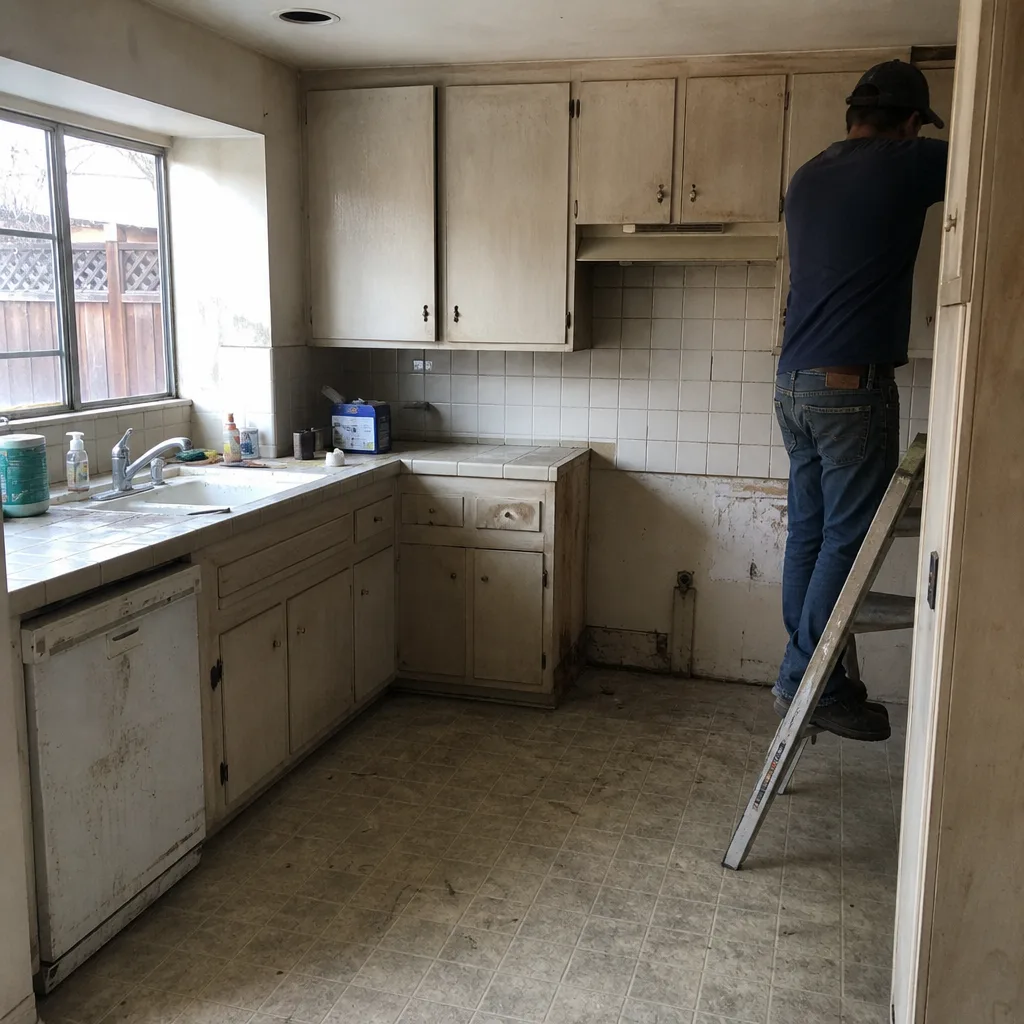 Before
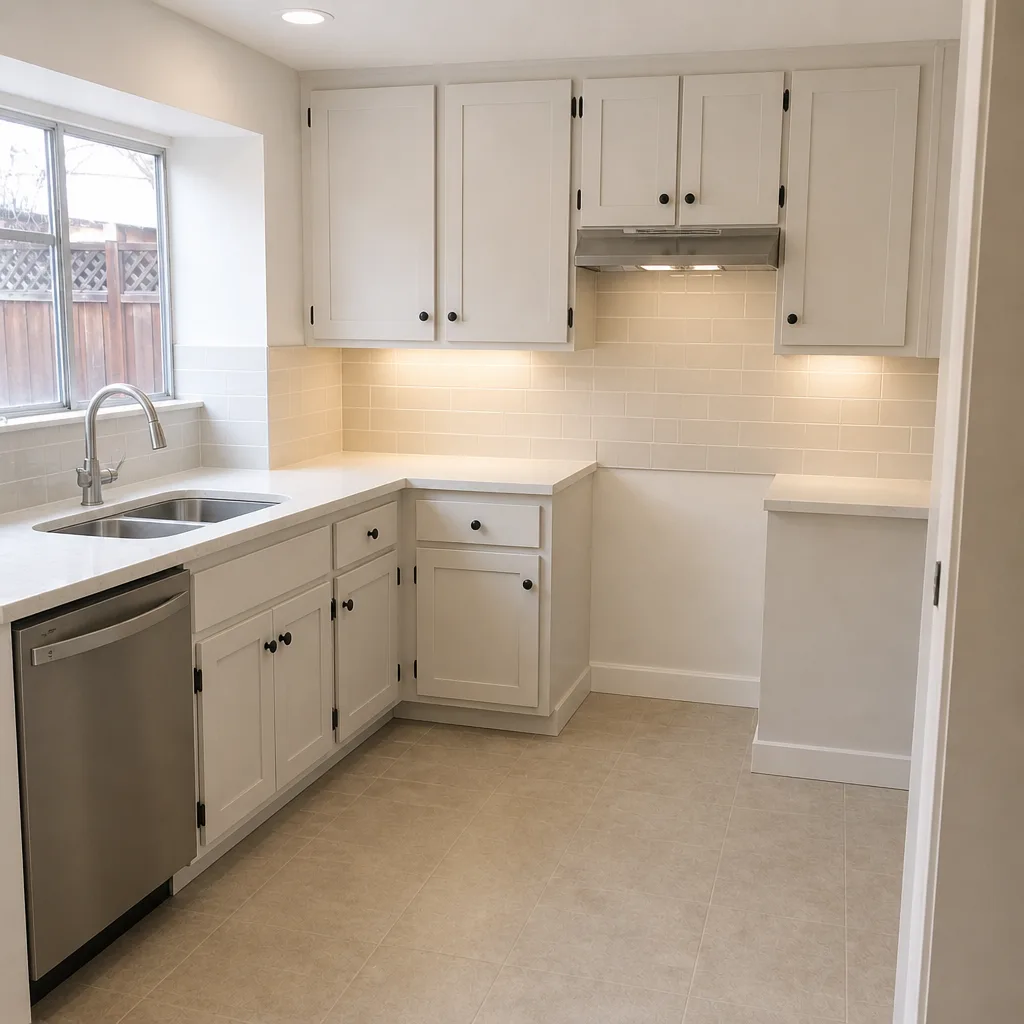 After
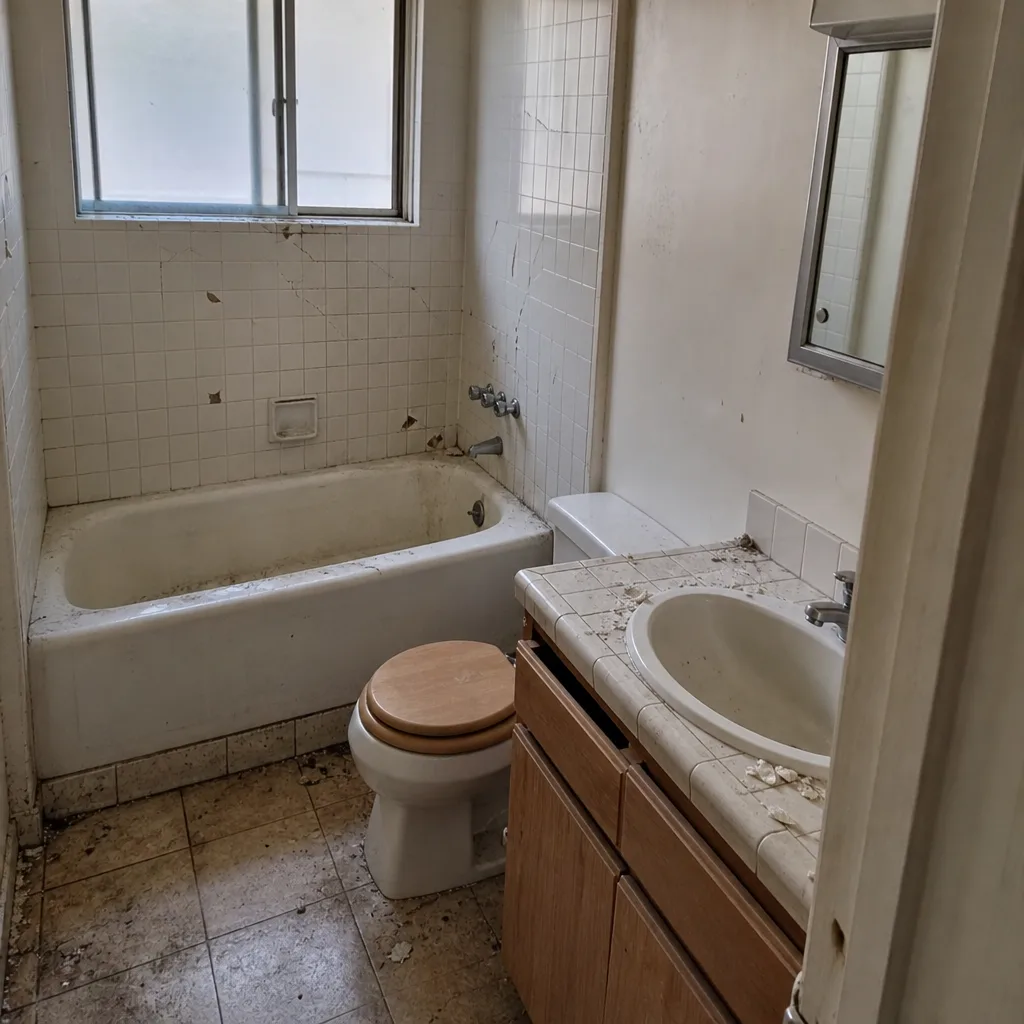 Before
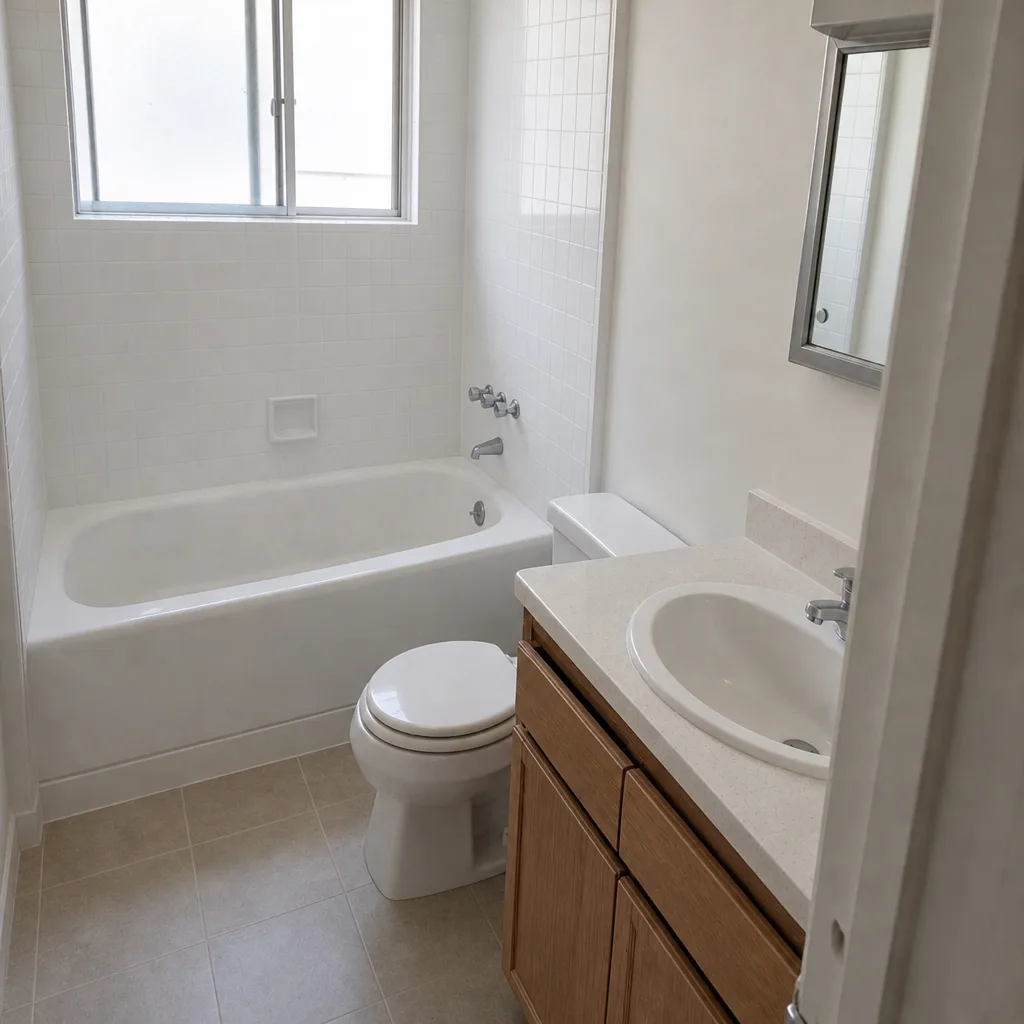 After
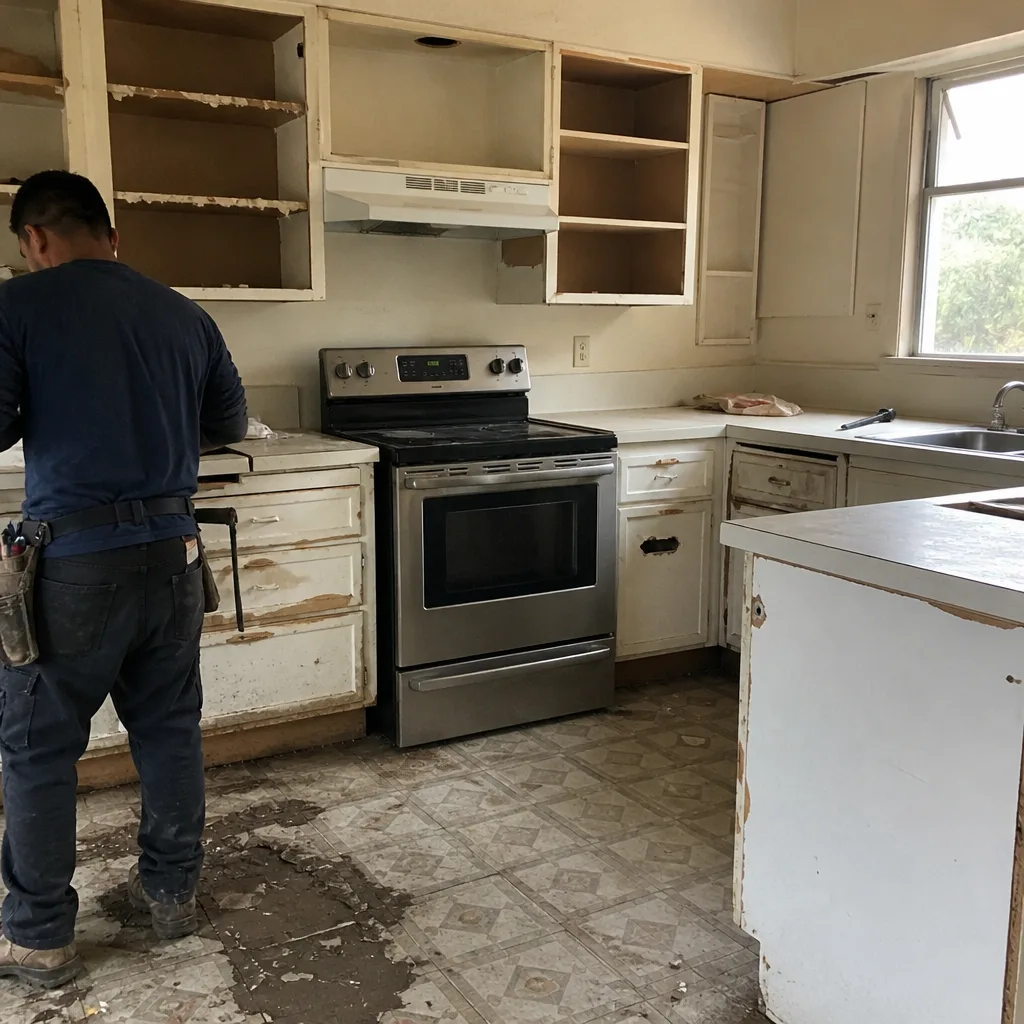 Before
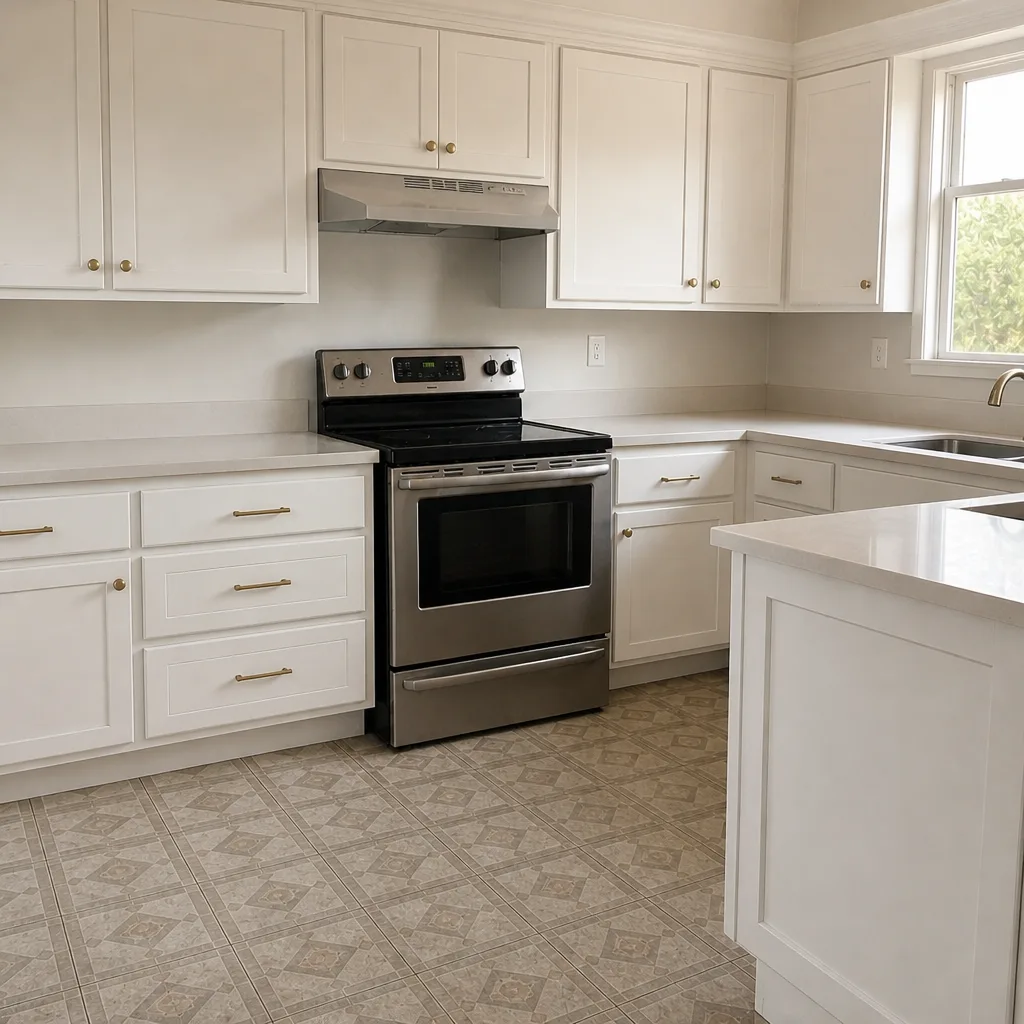 After
Replacement Cost & What’s Included
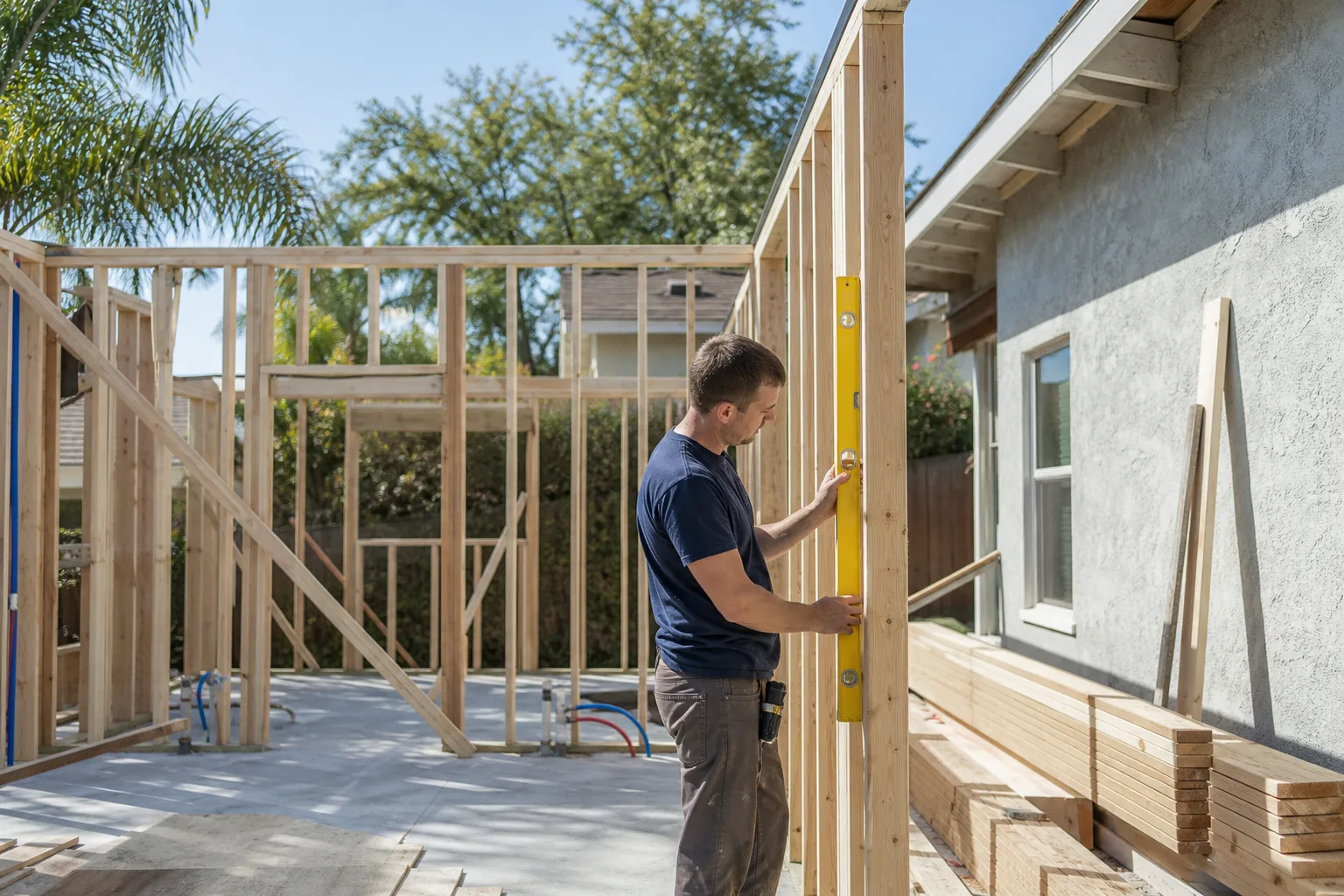
Here’s the honest number range for this work in Sunnyvale. Whole home additions we build run $45,000 – $130,000, and a full ADU runs $90,000 – $220,000. If what you actually need is cladding repair or replacement on an existing addition, that’s a smaller scope and we’ll price it separately.
| Scope | Typical Sunnyvale range | What drives it up or down |
|---|---|---|
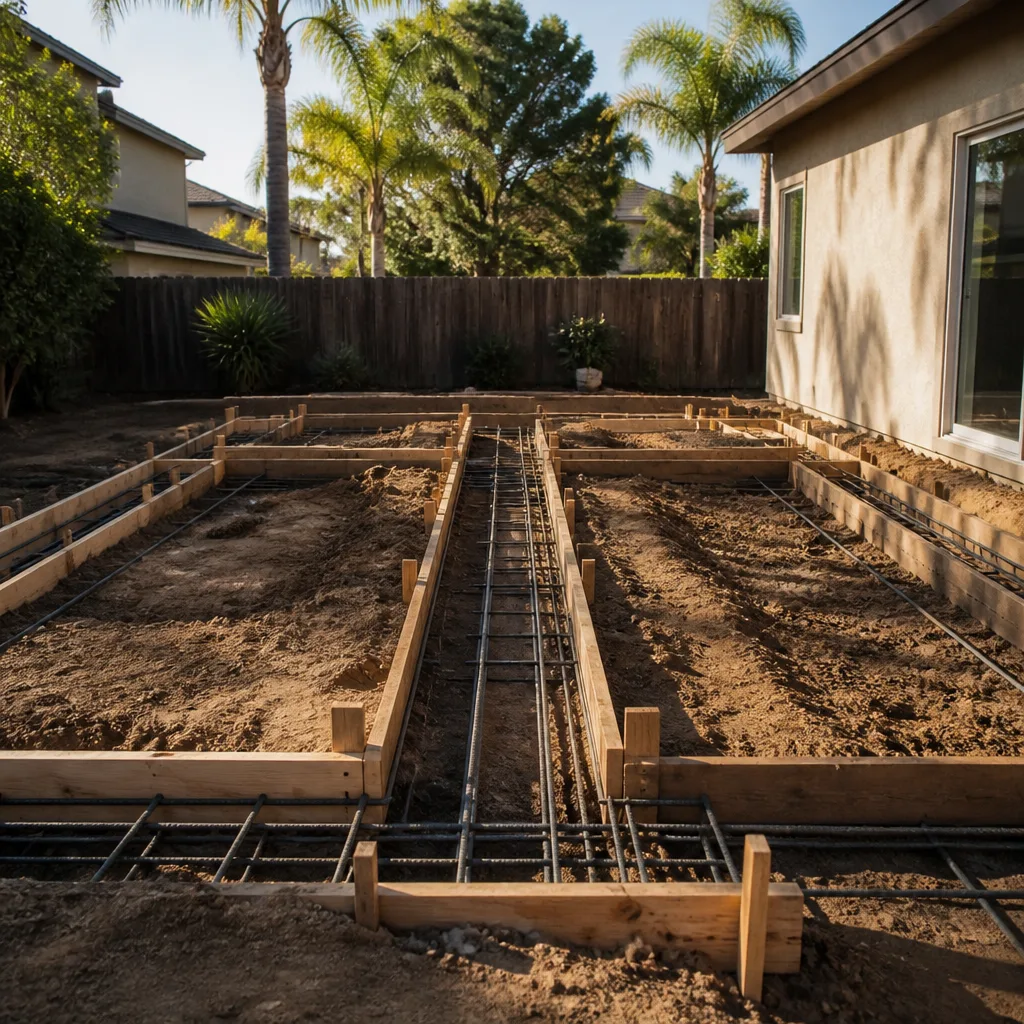
| Home addition, full build | $45,000 – $130,000 | Square footage, foundation and site conditions, whether plumbing and electrical tie into the existing service |
| ADU construction | $90,000 – $220,000 | Detached vs attached, utility runs, kitchen and bath scope, finish level |
| Garage conversion | $30,000 – $80,000 | Structural changes, insulation and HVAC, egress requirements |
The cladding line item inside those numbers covers genuine James Hardie panels or trim, the correct fastener system for fiber cement, flashing at every penetration, new sealant at joints, and finish. Permits are separate and we pull them. What pushes a number up: discovering soft sheathing once the old siding comes off, complex roof-to-wall transitions, or matching an older profile that isn’t a current catalog item. What keeps it down: a straightforward single elevation with accessible walls.
The price you get is written, before any work starts, and it doesn’t change because we found something expected. Every job carries the 365-Day Done Right Promise – if the work fails inside that year, we come back and fix it at no charge, in writing.
DIY or Call Us?
Some of this is genuinely a homeowner check. Walk the perimeter after a rain and look for water stains below window sills. Press a trim board at the bottom edge with your thumb – spongy means trouble. Look for rust streaks under fasteners. Photograph anything that concerns you and note which wall gets the most sun. That information makes a real conversation faster.
Where DIY goes wrong on fiber cement: cutting it without the right blade creates dust that’s a genuine respiratory hazard, and it needs proper protection. Fastening is where most homeowner repairs fail – fiber cement needs specific corrosion-resistant fasteners set at the right depth, and an overdriven nail cracks the board and creates a water entry point immediately. Flashing detail at a wall-to-roof transition is another spot where a well-intentioned repair lets water in behind the new board. The substrate question is the one nobody can answer without opening the wall. If what’s behind the siding has been wet, new cladding over it just traps the moisture.
If you’re not sure which side of that line you’re on, call us at (888) 426-8719. A live person answers, day or night. Our technicians have up to 22 years of experience and arrive background-checked and in uniform.
FAQs
James Hardie’s published guidance is roughly 30 to 50 years, assuming the finish is maintained and water stays out of the wall assembly. In Sunnyvale specifically, the practical limit is usually set by the sealant and trim rather than the panels – plan on resealing joints every several years and repainting on a schedule. Call (888) 426-8719 for a free estimate if you’re unsure where your cladding stands.
Often yes. Isolated damage – one swollen trim board, a corner where caulk failed, staining on a few lower courses – is usually a targeted repair. The judgment call is the substrate: if the sheathing behind the damaged area is dry and sound, repair is the right answer and we’ll tell you so. If it’s soft, replacing the boards without addressing it means doing the job twice. Call (888) 426-8719 and we’ll walk you through what a free estimate covers.
A targeted repair on one elevation is typically a few days; replacing cladding across a whole addition or ADU is usually a week or more, depending on access, height and how much substrate work turns up. We give you a real arrival window and a written scope before work begins, so you know what to expect. Call (888) 426-8719 to schedule your free estimate.
We source genuine James Hardie panels and trim through trade suppliers, matched to your existing product line, thickness and exposure width so the repair blends with the wall. We don’t carry stock on a truck and we don’t promise parts on hand – the right product gets ordered for your job. Where a matching trim or accessory comes from another trade brand, we say so up front in the written scope. Kitchen and bath work on the same addition often runs alongside James Hardie, KraftMaid, Cambria and Silestone lines, all named in the proposal. Call (888) 426-8719 for a free estimate.
If your Sunnyvale addition or ADU is showing the signs above, the useful next step is a written number, not a sales pitch. Call Penhallow Remodeling Sunnyvale at (888) 426-8719 for a free estimate – we’ll look at the cladding, tell you honestly whether it’s a repair or a replacement, and put the price and the guarantee in writing before anything starts.
Written by the team at Penhallow Remodeling Sunnyvale, serving Sunnyvale and nearby areas.