
Free written scope consultation - allowances, timeline, and change-order rules on paper before a single trade is scheduled
CertainTeed Home Additions & ADU: The Sunnyvale Owner’s Guide
If you’re planning a CertainTeed-clad addition or accessory dwelling unit in Sunnyvale, the all-in cost typically lands between $45,000 and $130,000 for an addition and $90,000 to $220,000 for a full ADU, depending on square footage, foundation work and how the roofline ties back into the existing house. These are planned projects, not emergency calls, so the honest timeline is weeks of design and permitting followed by construction, not a this-week fix. We’re an independent remodeling company, not affiliated with CertainTeed; we build with their siding, trim and weather-barrier products because they hold up to Bay Area sun and winter rain.
Owners usually start asking questions when something on an existing addition is already failing. The CertainTeed siding on a 12-year-old bonus room is chalky and fading, the trim boards near the roofline are soft when you press a thumb into them, or the ADU’s exterior wall is staining where water is getting behind a joint. That’s the point where a homeowner wants to know what’s actually wrong, what the fix costs, and whether the original product can be matched. This guide answers those questions for Sunnyvale specifically, where the marine-layer damp and summer UV work a building envelope harder than the manufacturer’s warranty paperwork suggests.
Key Takeaways
- Additions in Sunnyvale generally run $45,000 – $130,000; a full ADU runs $90,000 – $220,000.
- CertainTeed siding and trim failure in Sunnyvale is usually moisture behind the panel, not the panel itself.
- We give a written price before work starts, and the 365-Day Done Right Promise backs every project in writing.
- Matching CertainTeed profile and color on an existing wall is possible; matching after 15 years of fade is where owners get surprised.
Which CertainTeed Models This Applies To
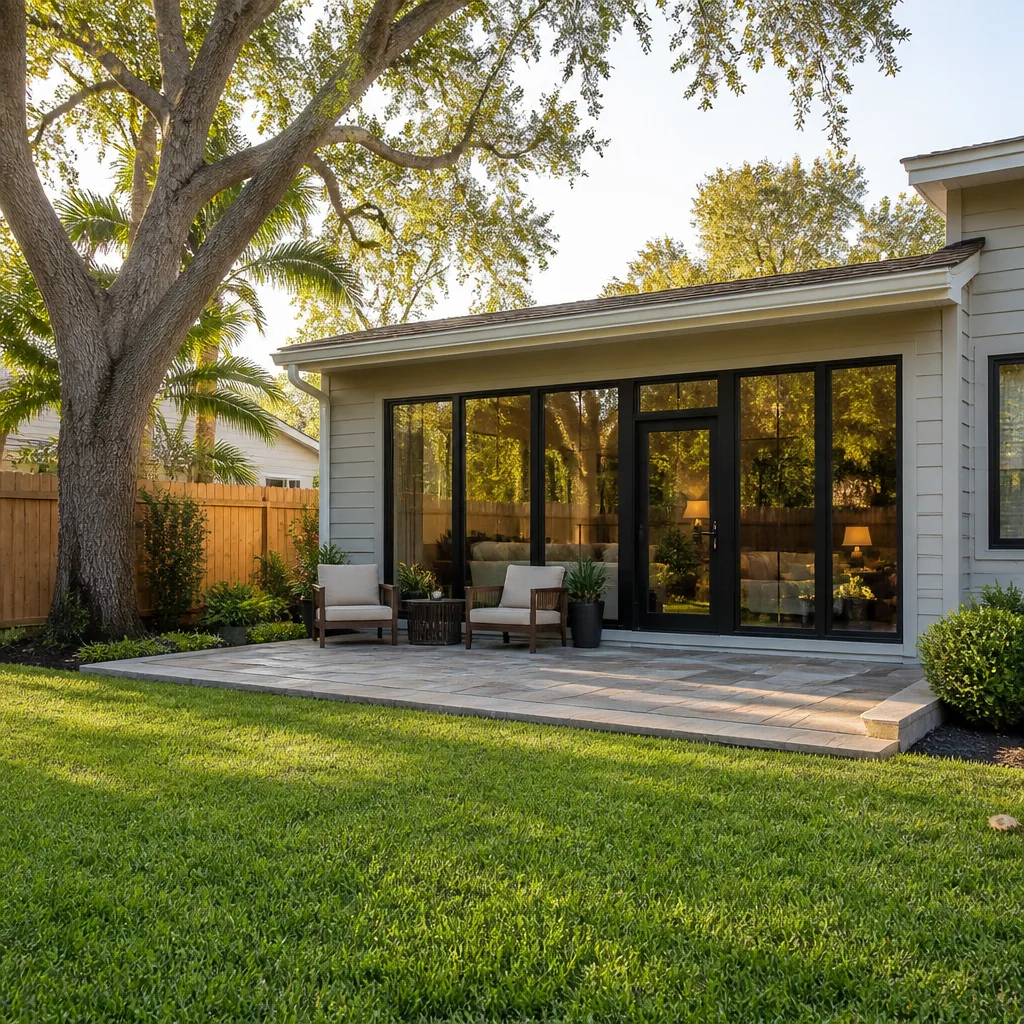
CertainTeed makes exterior products across several lines, and the one on your addition matters for matching. Their polymer siding comes in profiles like Monogram and Board & Batten, and their insulated lines (CedarBoards, and the Parthenon and Symphony families) carry different panel thicknesses and locking systems. Their trim and fascia products, plus the WeatherBoards and Restoration line of fiber cement, have their own profiles. Each of those has a different nailing flange, exposure width and installed thickness, so a panel pulled from one line will not lock correctly into another.
To identify what’s on your wall, check the back of a panel near the bottom course where the building paper shows, or look inside the J-channel reveal for a printed profile stamp. Measure the exposed face width and the panel thickness with a tape; those two numbers narrow the line fast. The trim boards often carry a stamp on the unfaced back edge.
The OEM-versus-aftermarket call is real here. CertainTeed replacement panels from the same current line are the cleanest match for color and lock profile. When the exact line has been discontinued (the older insulated profiles get retired), a quality aftermarket vinyl or fiber cement that hits the same exposure width and thickness is a fair substitute, but you’ll usually need to step the color down a shade to account for UV fade on the surrounding wall. We quote both options so you can see the difference in writing before choosing.
Styles & brands we work with
- Kitchen remodeling
- Bathroom remodeling
- Home additions & ADU
- Roofing
- Windows & doors
- Driveway & pavers
- Fence
Signs Your CertainTeed Home Additions & ADU Is Failing
A certain amount of weathering is normal on any exterior product in Sunnyvale’s climate. These five symptoms point to a real problem rather than age:
- Chalky, faded finish with color streaking. The factory finish is breaking down under UV before its time, often because the panel was installed against a poorly ventilated wall that traps heat. Fading alone is cosmetic; streaking under a window usually means water.
- Soft or spongy spots when you press on trim. Water has gotten behind the trim board and the substrate is holding moisture. In Sunnyvale, this often traces to a J-channel that fills and backs up during the first heavy winter rain after a dry summer.
- Gaps at panel joints or caulk lines that keep reopening. The panels are moving because they were nailed tight rather than allowed to float, and the caulk can’t bridge the movement. This is a fastening problem, not a product failure.
- Staining or mildew on the lower courses of an addition wall. Splash-back from grade or a downspout dumping at the foundation wicks moisture up behind the panel. Standard gutter extensions fix most of these.
- Visible water intrusion at the roof-to-wall transition on the ADU. Flashing detail at the tie-in is the most common leak source on any addition, and it’s rarely the siding’s fault. This one needs eyes on it before the drywall inside suffers.
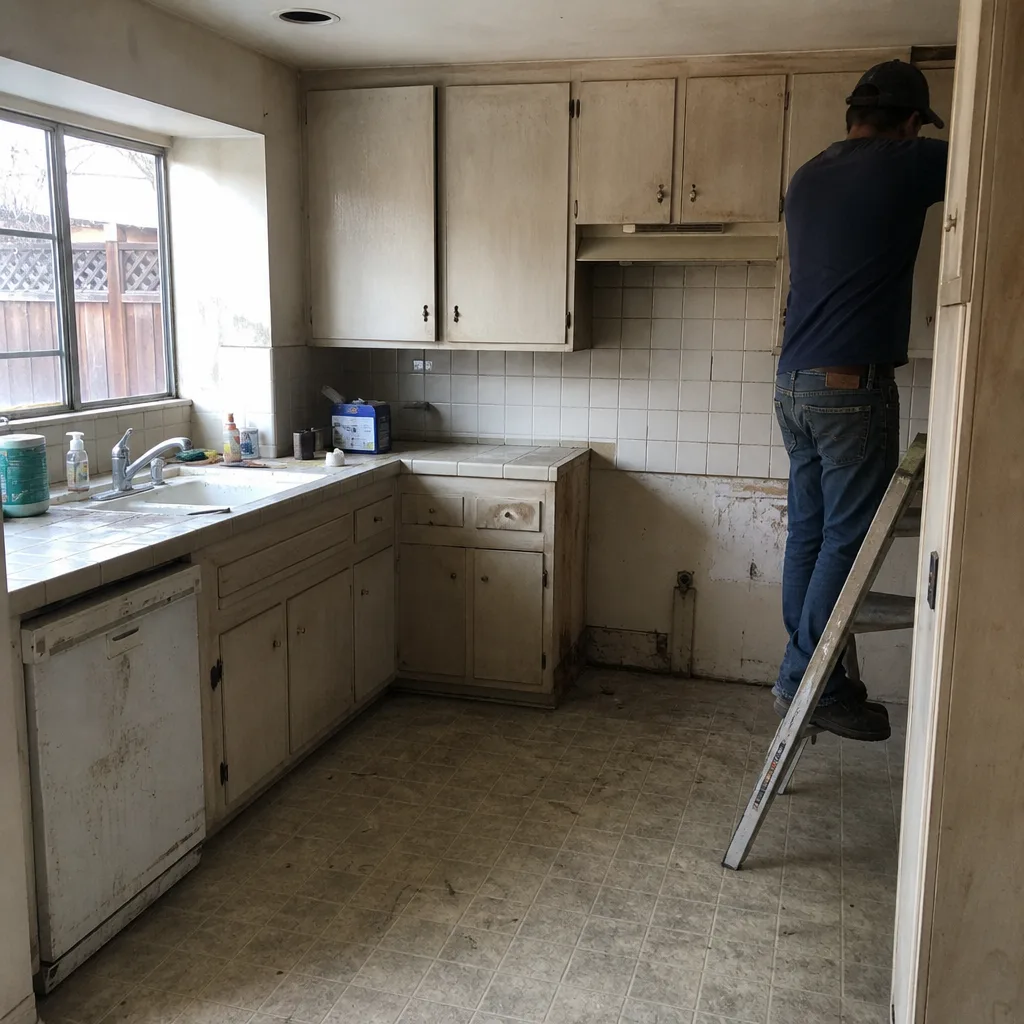
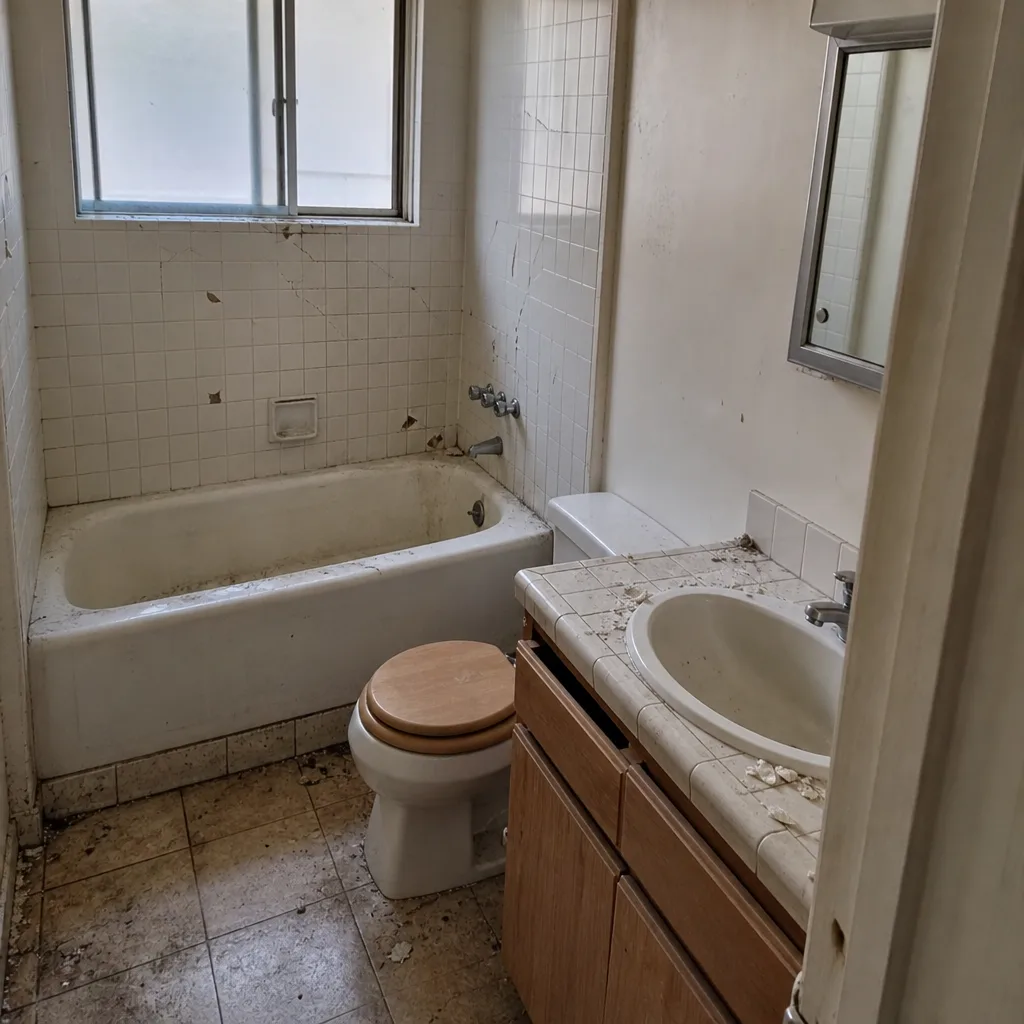
See the difference
 Before
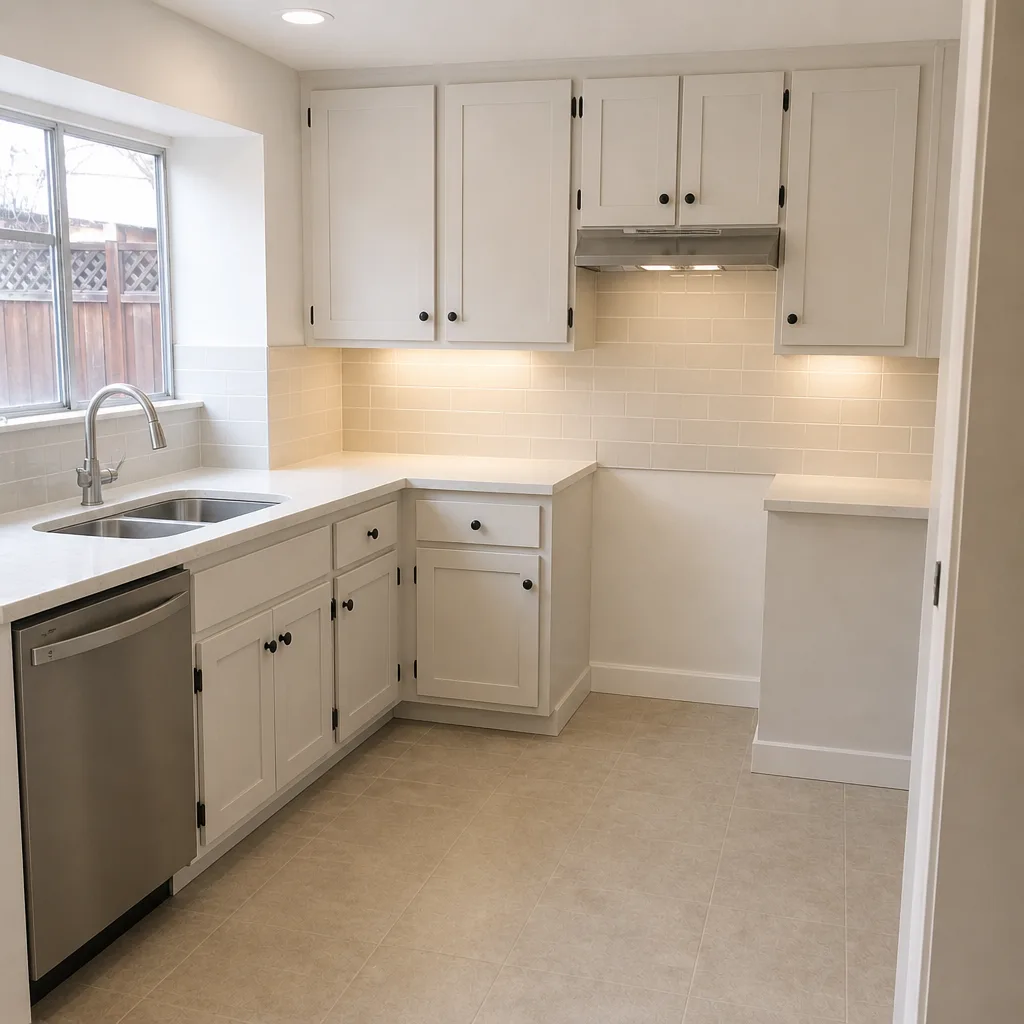 After
 Before
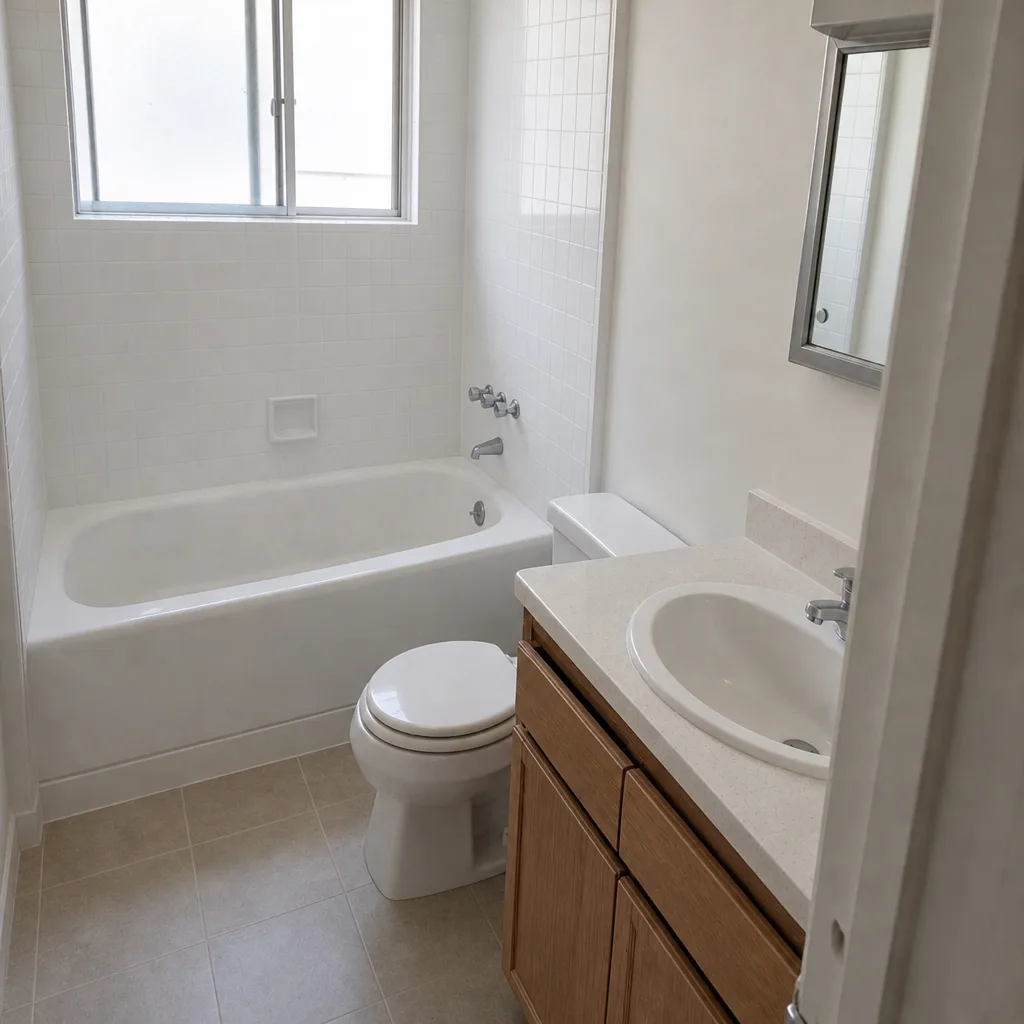 After
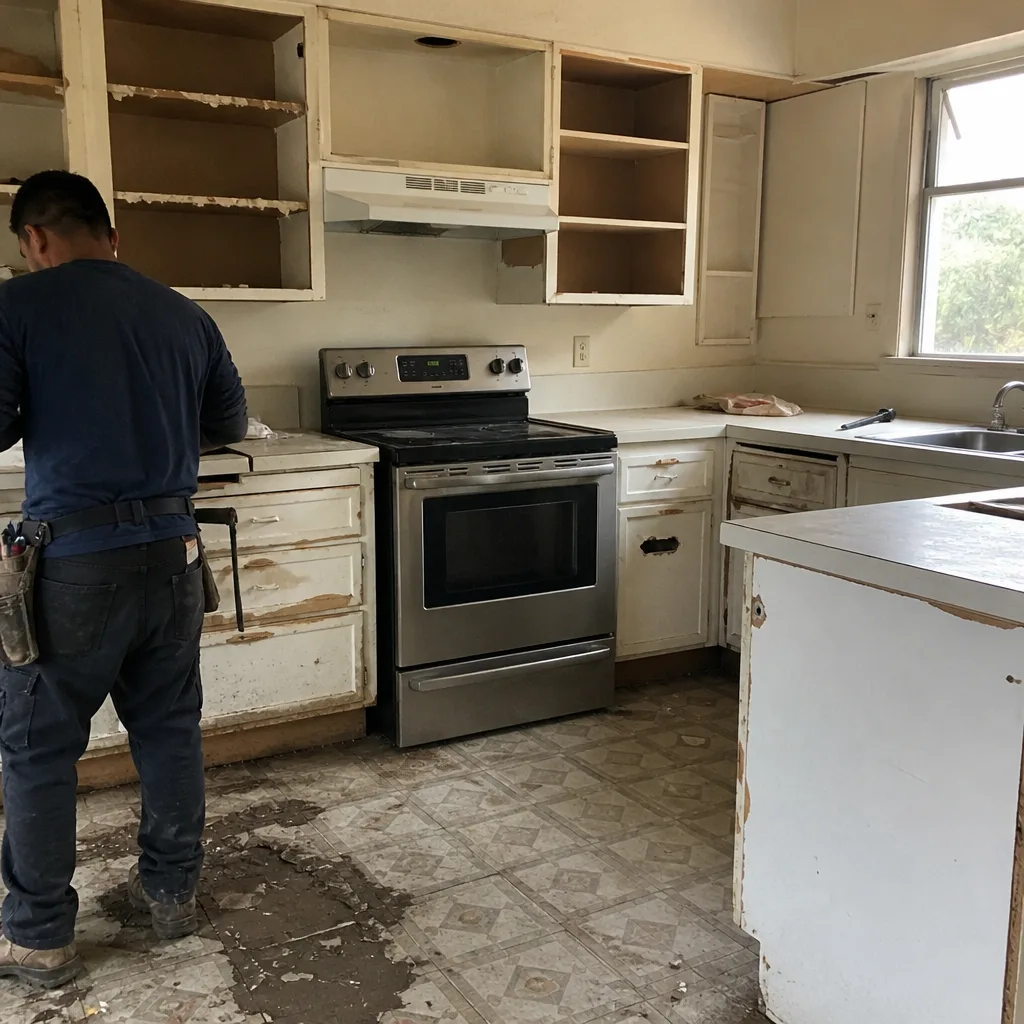 Before
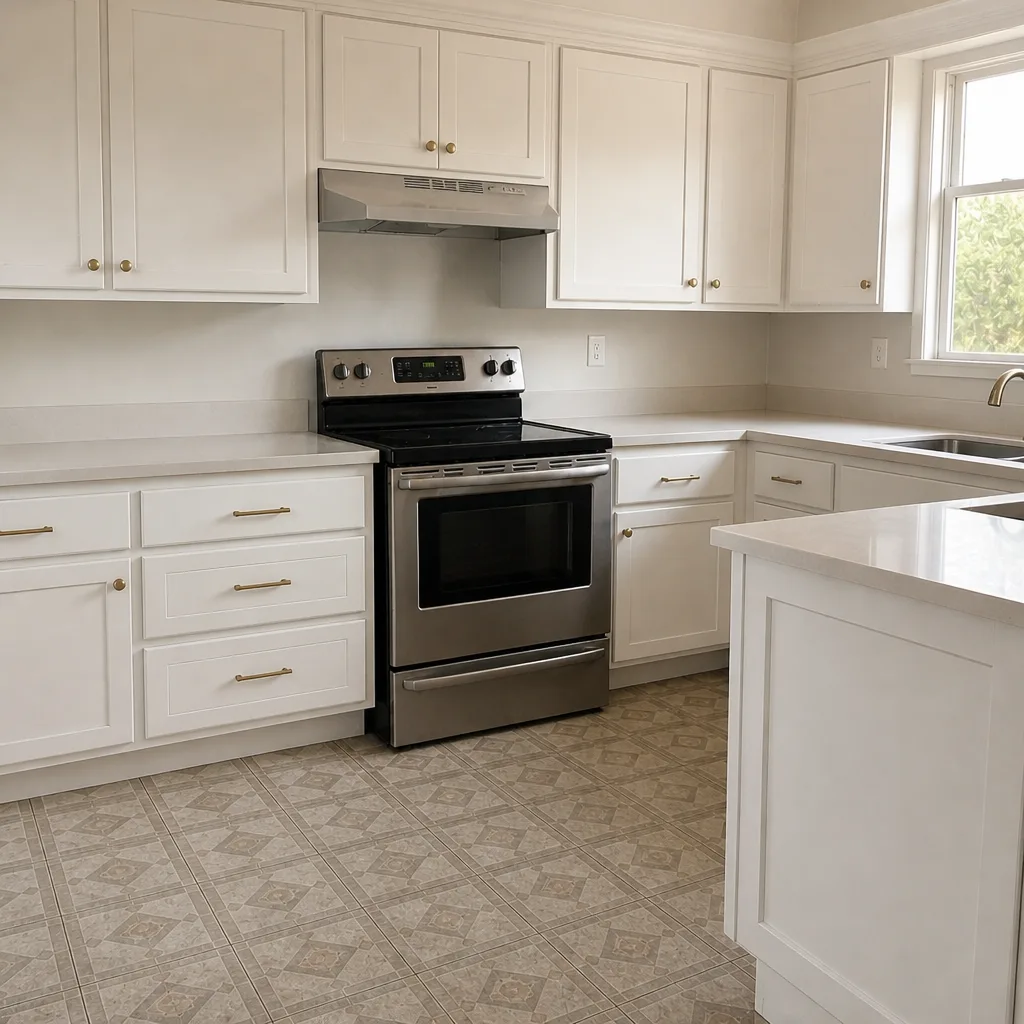 After
Replacement Cost & What’s Included
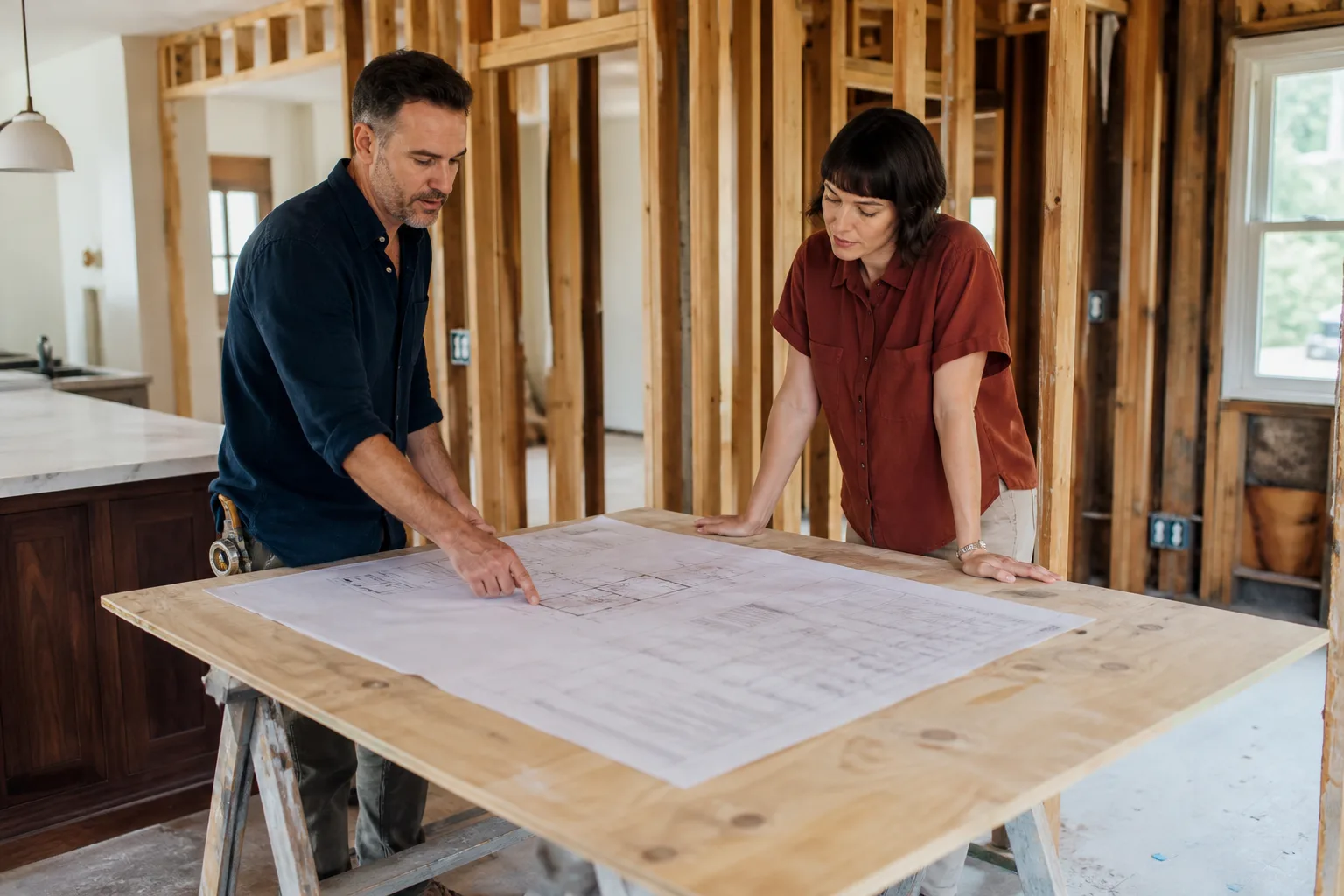
For a full addition or ADU, the project cost dominates, not the exterior product. Here’s how the numbers break down for Sunnyvale:
| Project | Typical Installed Range |
|---|---|
| Home Addition | $45,000 – $130,000 |
| ADU Construction | $90,000 – $220,000 |
| Garage Conversion (to living space) | $30,000 – $80,000 |
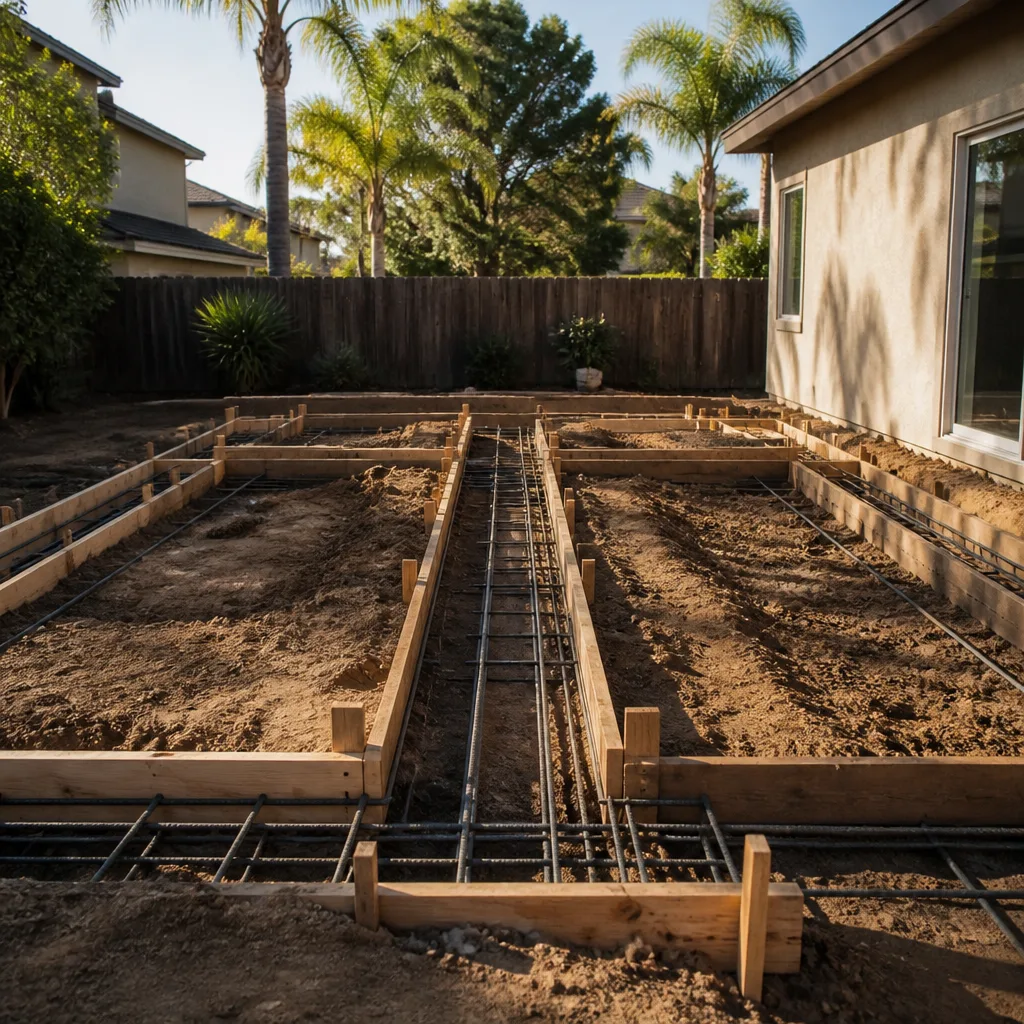
Re-cladding just the failed wall of an existing addition is a smaller job, and the price depends on how much substrate has to come off and be replaced. What drives the range up: foundation type (a poured slab versus a raised floor), how far the roofline has to be extended and re-flashed, whether the project triggers a structural upgrade, and the permitting timeline through the city. What we include: the written line-item price before any work starts, the CertainTeed material and all trim and flashing, and the 365-Day Done Right Promise on the finished work, in writing. If something we built fails inside that year, we come back and fix it at no charge. The labor cost is built into the number you get up front, not added at the end.
DIY or Call Us?
Some checks are safe for any homeowner. Walk the addition wall after a hard rain and look for where water is actually getting in. Press a thumb into trim boards near the roofline and at the bottom course. Clear leaves from gutters and add downspout extensions where splash-back is staining the wall. Those are five-minute observations that tell you a lot.
A structural addition or an ADU is not a DIY project, and an exterior re-cladding job on a two-story wall involves ladders, scaffold, water-barrier detailing and flashing at penetrations, which is where most go wrong. Getting the weather barrier sequence wrong means moisture stays trapped behind new panels and you’re back to soft substrate in two winters. If you’re not sure whether the wall needs a panel replacement or a flashing repair, that’s exactly the call to make before spending money. Call Penhallow Remodeling Sunnyvale at (888) 426-8719 for a free estimate. A live person answers, we give you a written number, and we tell you honestly if a smaller repair solves it.
FAQs
How long does CertainTeed siding last in Sunnyvale? CertainTeed’s polymer siding lines are commonly rated for decades, and in Sunnyvale’s mild temperatures the panels themselves often outlast their factory finish, which can chalk and fade in the 12 – 20 year range. The bigger variable is what’s behind the panel: a well-detailed weather barrier with proper flashing typically outlasts one where water was allowed to sit.
Can a failing wall be repaired instead of re-clad, and is it cheaper? Often yes. If the panel itself is sound and the problem is a failed caulk joint, a backed-up J-channel or a leaking roof-wall flashing, the repair is a fraction of a full re-clad. We inspect before recommending the bigger job, and we’ll show you what we found. Call (888) 426-8719 for a free estimate on the repair.
How long does an addition or ADU take? A garage conversion is usually the shortest of the three; a full ADU with its own foundation, utilities and final inspection takes several months, and permitting through the city adds time before construction starts. We give you a written schedule and a defined arrival window before we start, and we hold to it. For a project-specific timeline, call (888) 426-8719.
How do you source the CertainTeed material? We work through recognized building-supply channels to match your existing profile and color where the line is still current, and we quote a documented equivalent when it isn’t. You’ll see the material specified in the written price before we order anything. To talk through options on your Sunnyvale home, call (888) 426-8719 for a free estimate.
Whether you’re planning a new CertainTeed-clad addition in Sunnyvale or sorting out a wall that’s already letting water in, we’ll put a written number in front of you before any work begins. We’re part of the Kingswell family of companies, and every project follows The Kingswell Way: say the price before the work, show up in the window we gave, and leave the place cleaner than we found it. When a project also calls for interior finishes, we draw on KraftMaid, Cambria and Silestone materials alongside the exterior work. Call Penhallow Remodeling Sunnyvale at (888) 426-8719 for a free estimate.
Written by the team at Penhallow Remodeling Sunnyvale, serving Sunnyvale and nearby areas.