Free written scope consultation - allowances, timeline, and change-order rules on paper before a single trade is scheduled
CGI Home Additions & ADU: The Sunnyvale Owner’s Guide
We build CGI-compatible home additions and ADUs in Sunnyvale, and installed pricing for an addition runs $45,000 – $130,000, while a detached or attached ADU runs $90,000 – $220,000 depending on size, foundation type and finish level. There’s no same-day version of this work, and anyone who tells you otherwise is guessing at your site. A written price comes before any demolition, not after.
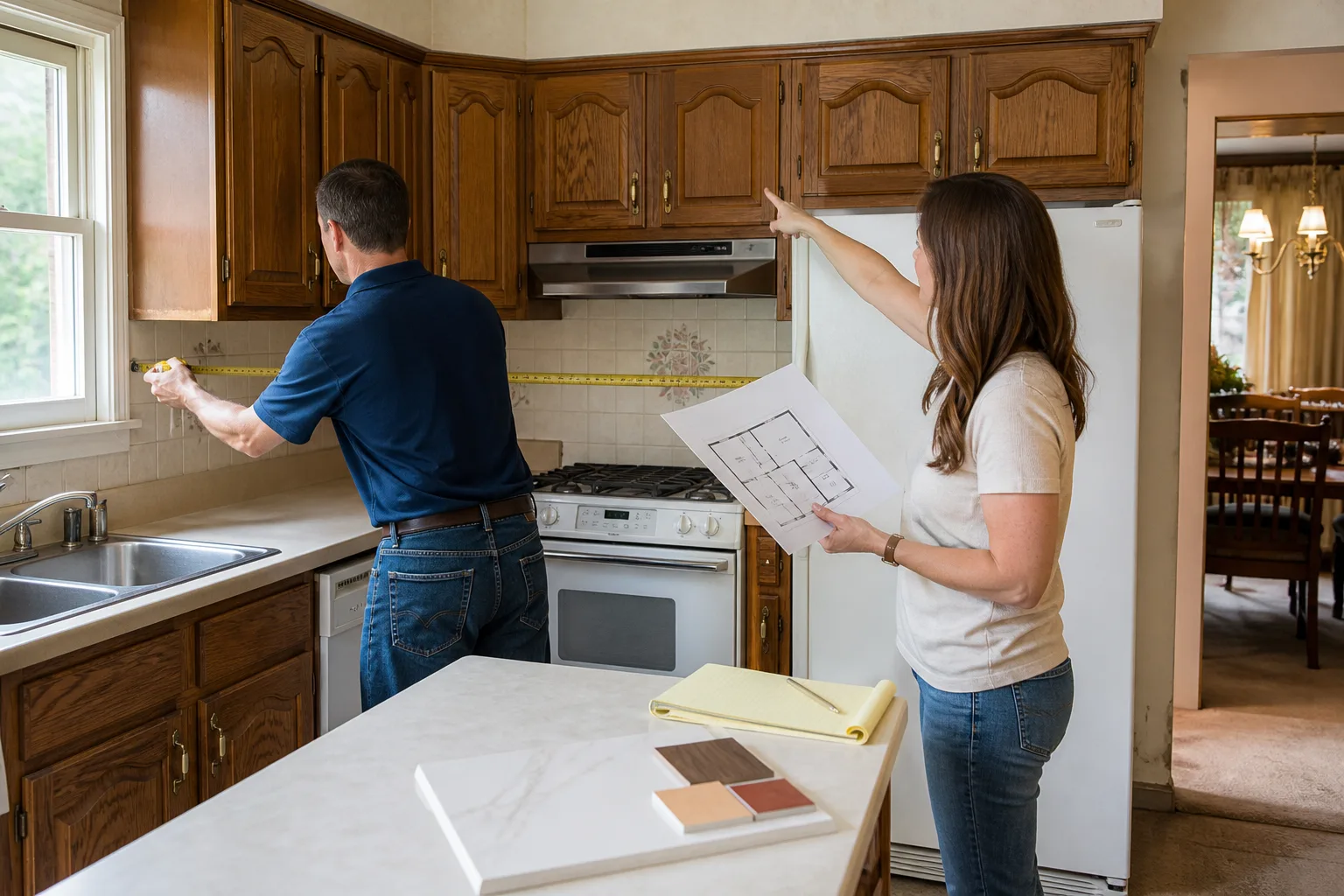
Owners usually come to this page after a different kind of discovery. Maybe an older addition on the property was never permitted properly and shows up during a title search. Maybe the framing of a 1960s-era sunroom has sagged, or a converted space is pulling more power than its original panel can supply. Sunnyvale has a deep inventory of postwar ranch homes, and a lot of those homes grew an unpermitted addition somewhere between 1975 and 2000. Before we quote anything, we look at what’s actually there.
Key Takeaways
- Additions in Sunnyvale run $45,000 – $130,000 installed; ADUs run $90,000 – $220,000.
- Permits and plan check happen before any framing, not during.
- Sunnyvale’s clay soils and summer dry-wet cycles affect foundation and drainage design.
- Every project gets a written price up front and the 365-Day Done Right Promise.
Which CGI Models This Applies To
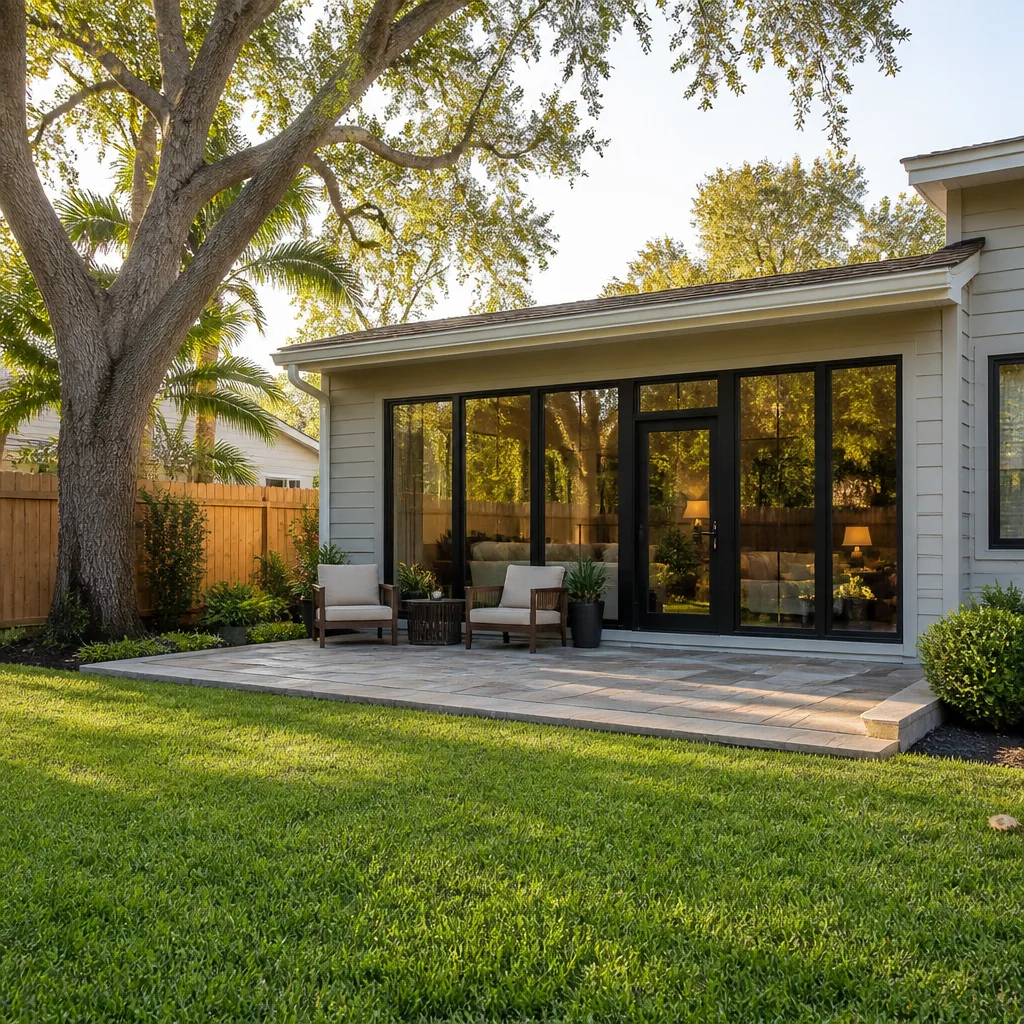
CGI makes modular and panelized structural systems, and the specific product line matters more than the brand name. A CGI wall panel system from one era uses different connection hardware than a newer one, and ADU kits are typically designed around a fixed footprint with a specific foundation type: slab-on-grade, stem wall, or pier-and-beam. If you’re matching a replacement panel or a connection detail, the model designation usually shows up on a stamp or label on the panel itself, often near the sill plate at the corner of each panel. If the label is gone, we measure panel width, stud spacing and connector type to identify the system.
There’s a gotcha here worth knowing: CGI-compatible connection hardware isn’t interchangeable across kits. Using a newer bracket on an older panel is one of the most common causes of frame movement we see in Sunnyvale additions. When the OEM part isn’t available, we source a structurally rated equivalent and check it against the original engineering. KraftMaid, Cambria and Silestone are the finish-side brands we work with, and they sit on top of the same structural layer. Penhallow Remodeling Sunnyvale is an independent general contractor, not affiliated with CGI.
Styles & brands we work with
- Kitchen remodeling
- Bathroom remodeling
- Home additions & ADU
- Roofing
- Windows & doors
- Driveway & pavers
- Fence
Signs Your CGI Home Additions & ADU Is Failing
- Racking or sag in the frame. Walls that were plumb on day one start to lean, often because a connection detail failed or the foundation wasn’t designed for what’s on it. In Sunnyvale’s clay soils, that can happen within a few years of a heavy wet season.
- Doors and windows sticking seasonally. A door that won’t close in August and swings free in January usually points to framing movement, not a bad door. It’s one of the first things we check on an ADU.
- Water intrusion at the roof-wall intersection. Flashing details on modular systems need to account for the panel joints, and a missing or failed flashing will show up as staining on the interior side of the addition wall.
- Foundation cracks that widen. Hairline cracks are normal. Cracks you can fit a coin into, or that measure wider every year, mean the soil or the drainage needs attention, not a cosmetic patch.
- Panel separation. Visible gaps between panels, extra light coming through a joint, or fasteners that have backed out. This is a structural issue and needs to be looked at before the next wet season.
See the difference
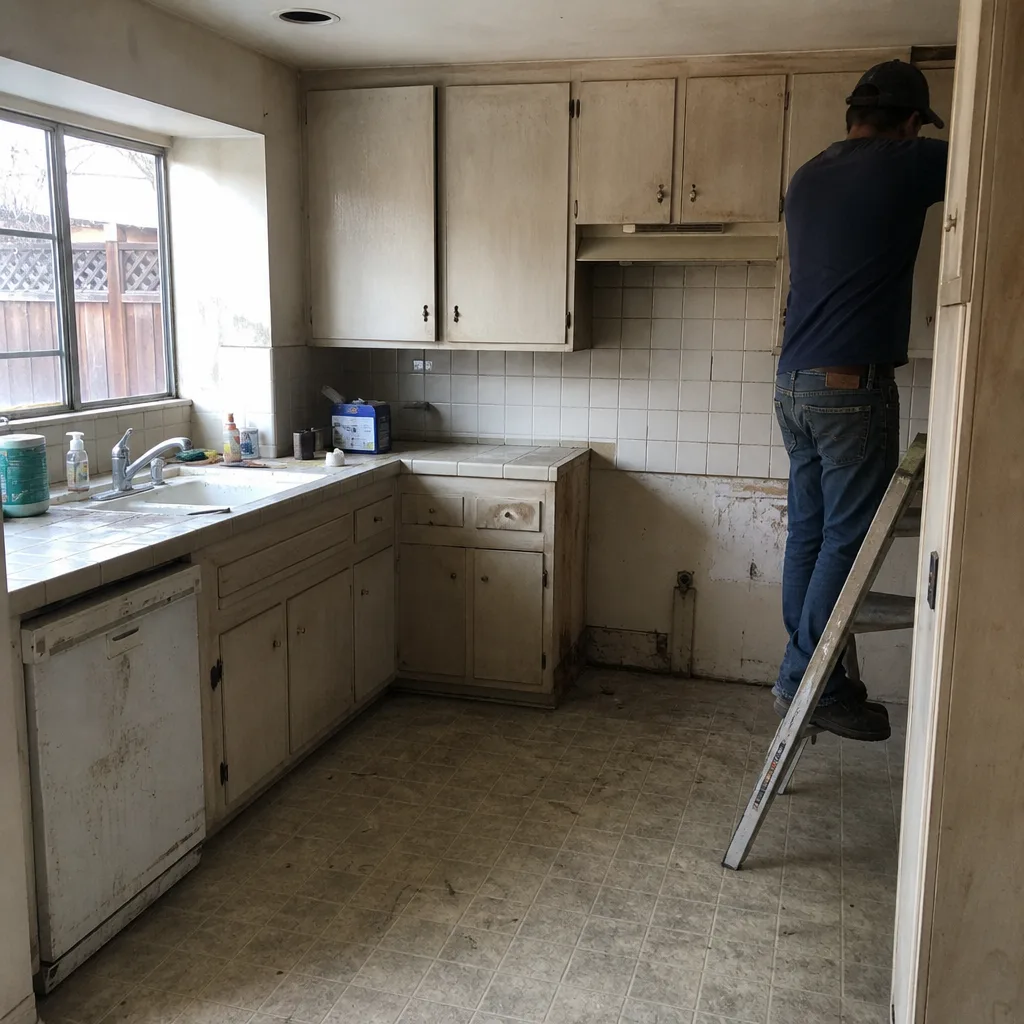 Before
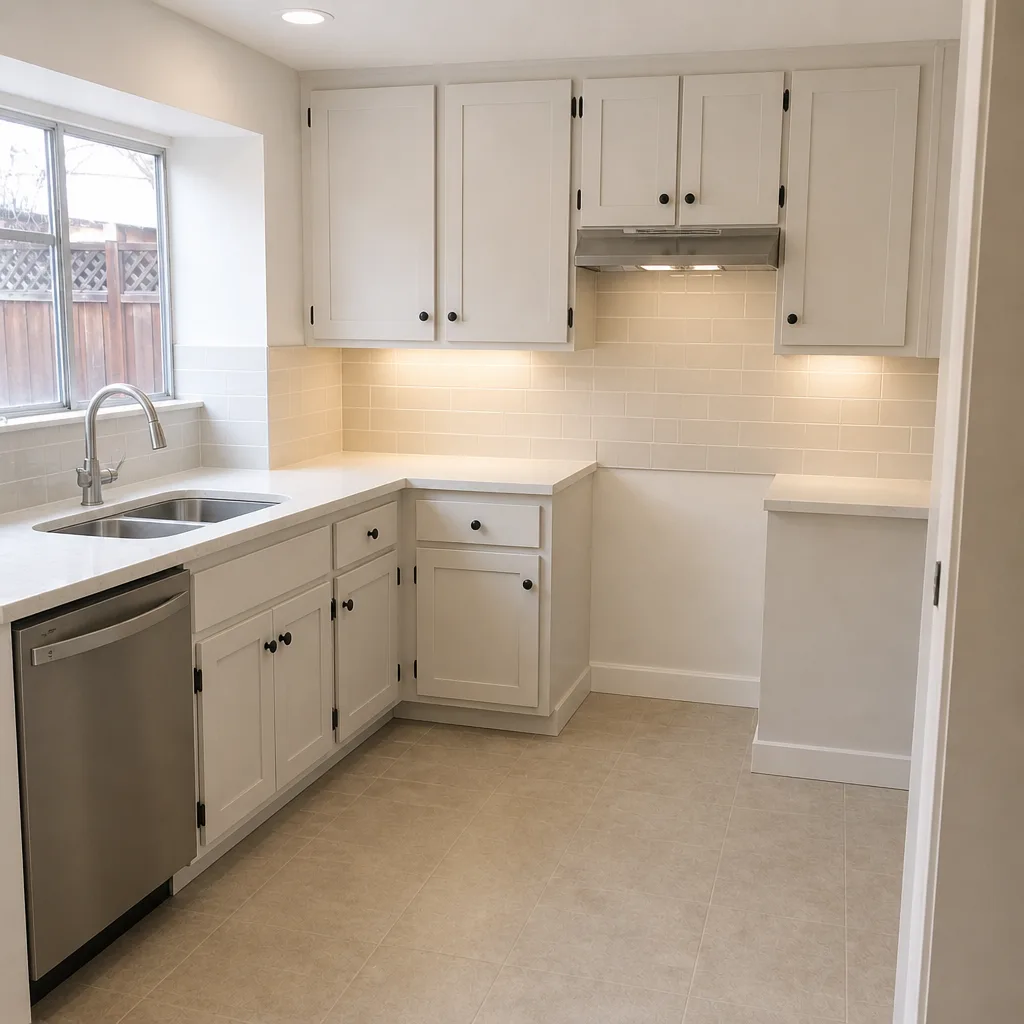 After
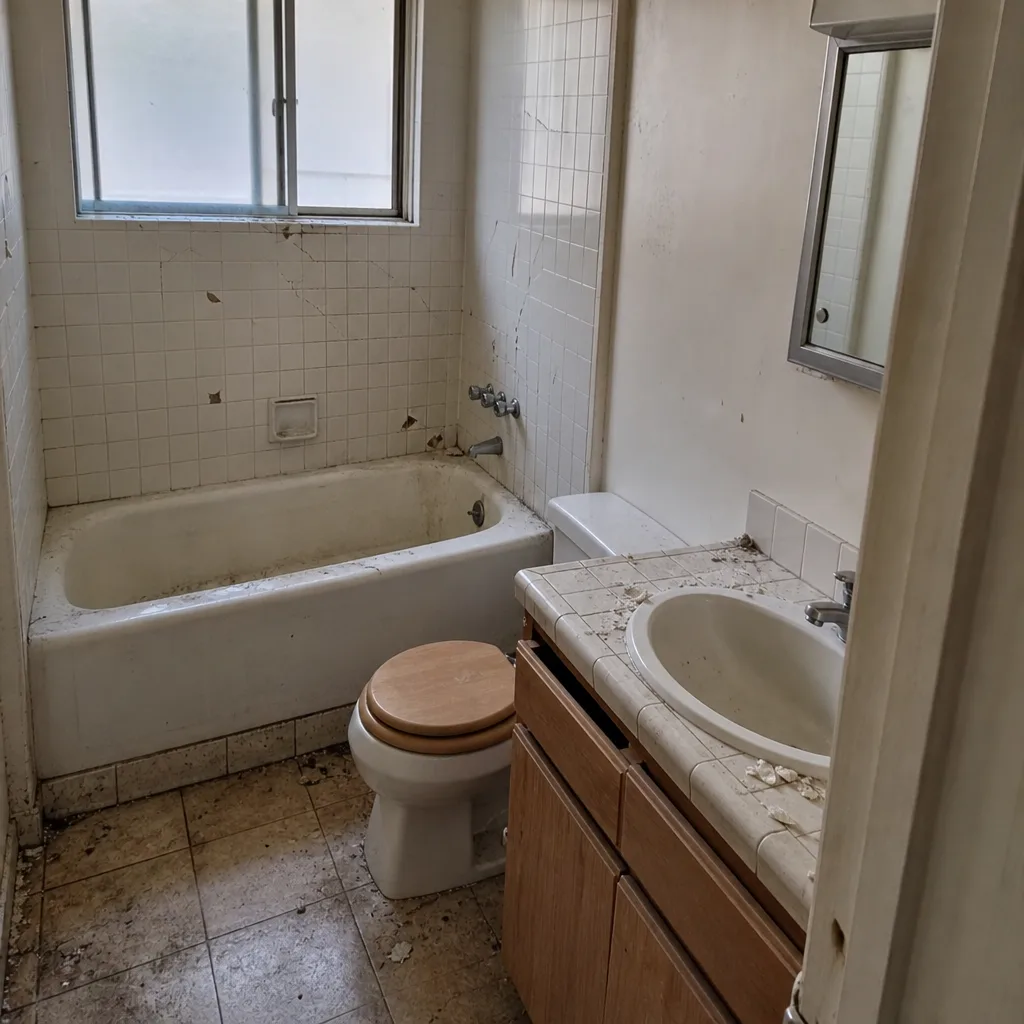 Before
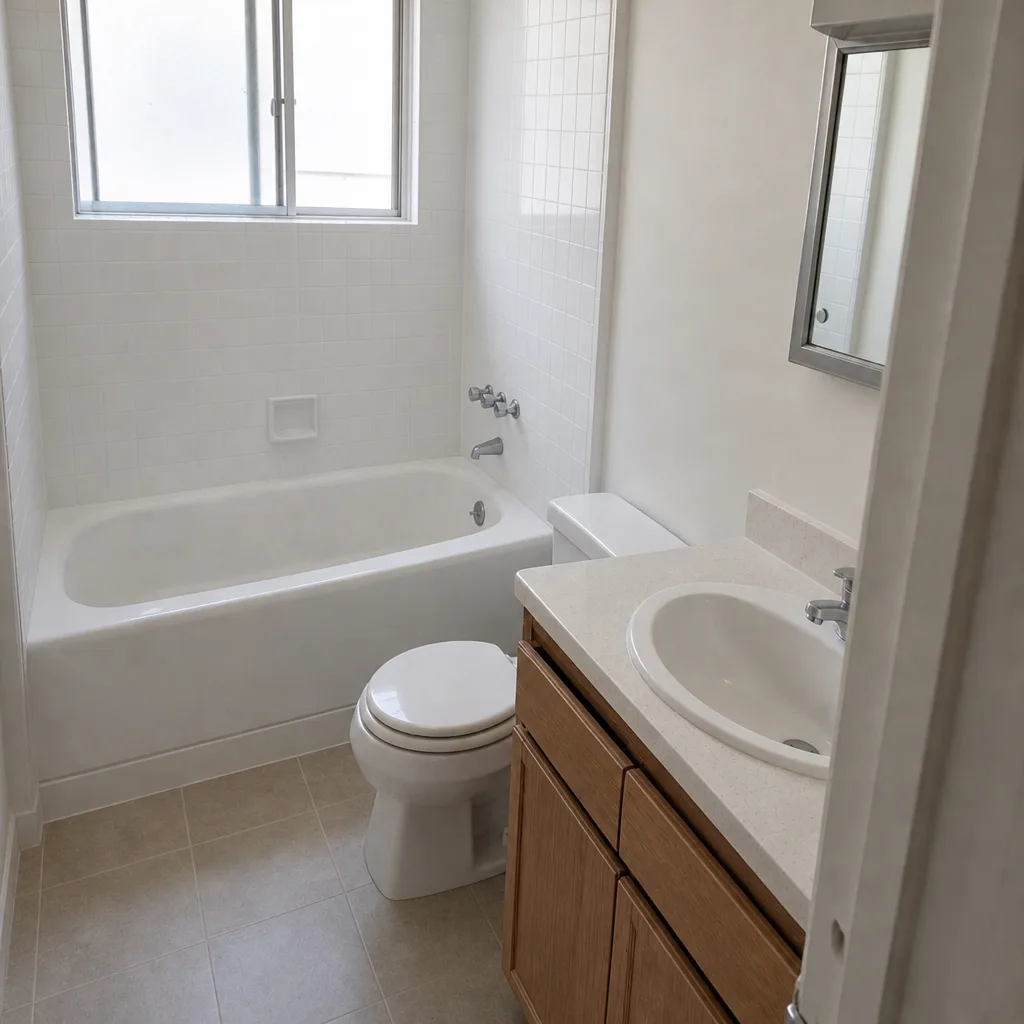 After
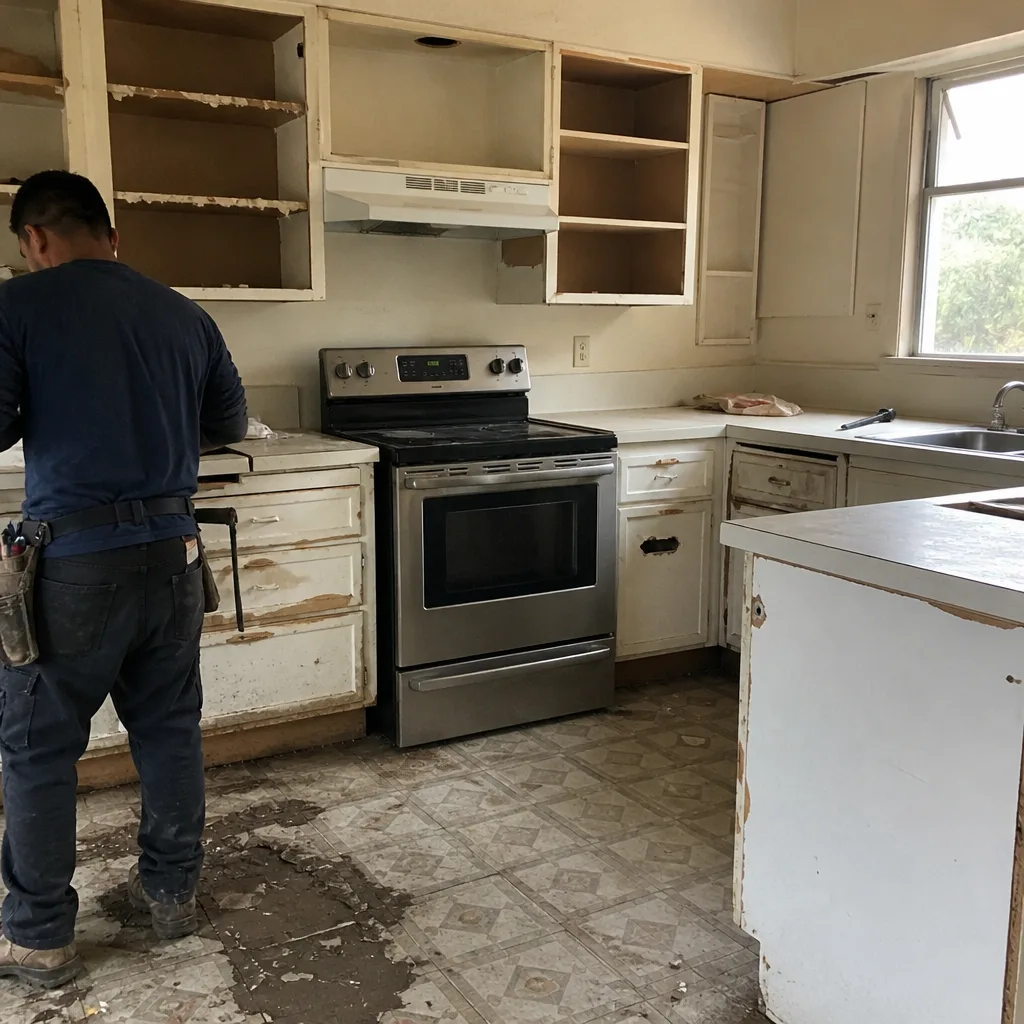 Before
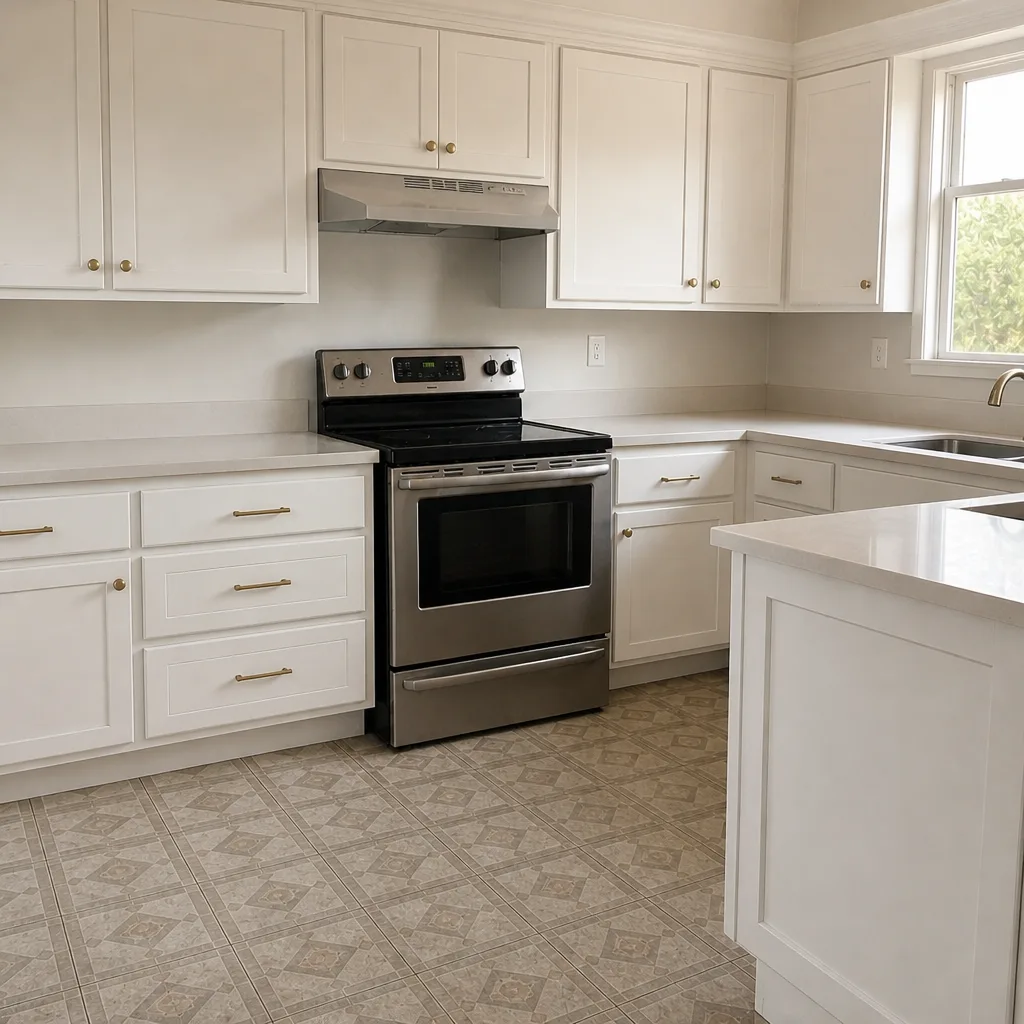 After
Replacement Cost & What’s Included
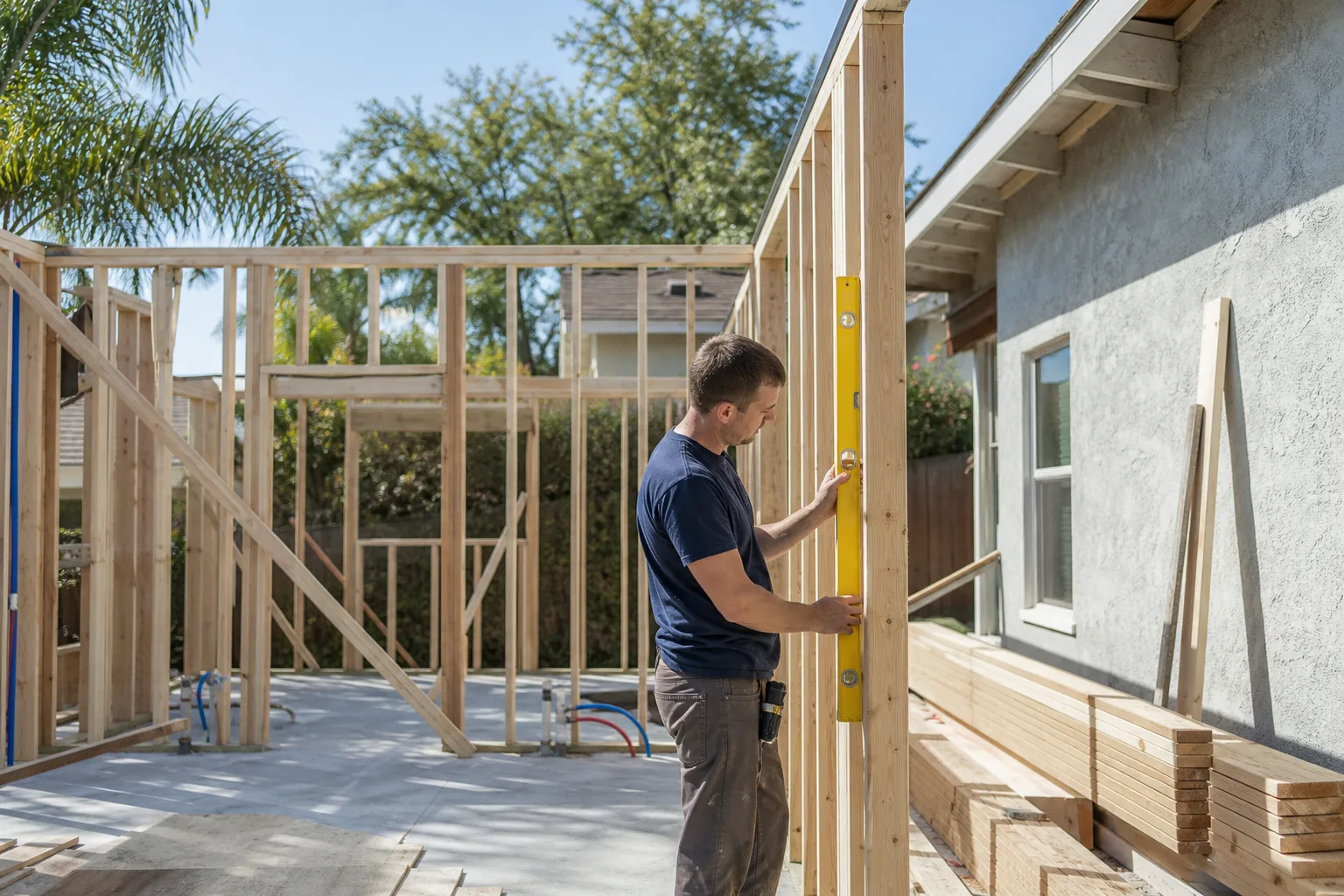
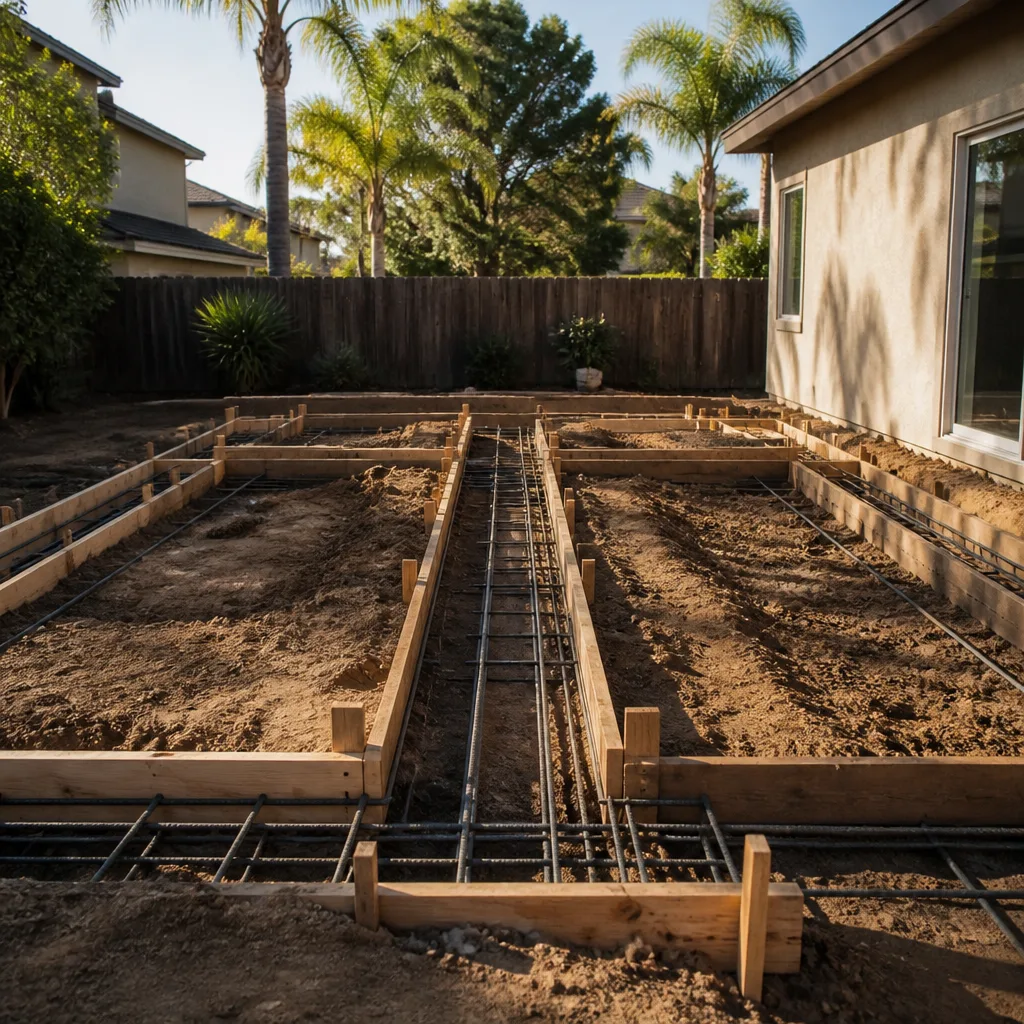
Installed pricing for work in Sunnyvale depends on what’s failing and how far the damage extends. A structural repair to a CGI-compatible addition typically lands at the low end of the range; a full addition runs $45,000 – $130,000, and an ADU runs $90,000 – $220,000 installed. What drives the number: foundation type, size, whether an existing structure needs removal, site access, and finish level.
We give you a written price before work starts, broken out by line item: demolition, foundation, framing and structural connections, roofing and flashing, MEP rough-in, insulation, drywall and finishes. If demo reveals something that changes scope, we stop and quote the change in writing before proceeding. The 365-Day Done Right Promise covers it: if the work fails inside the guarantee period, we come back and fix it at no charge. Materials come from the brands we’ve built our reputation on, and the guarantee is in writing on every job.
DIY or Call Us?
You can safely document the problem yourself: photograph crack widths with a coin or ruler beside them, note which doors stick and when, check the panel labels, and pull permit records from the Sunnyvale building department. What you shouldn’t do is touch the structural connections or attempt to correct framing that’s moved. A CGI system depends on a specific load path, and a DIY repair with the wrong bracket or an under-sized fastener load can turn a fixable problem into a dangerous one. Foundation and load-bearing work are where the risk is real. Call (888) 426-8719 and we’ll look at what you’ve documented and tell you whether it’s a repair or a rebuild.
FAQs
How long does a CGI addition or ADU last? A CGI structural system built to spec and kept dry will last as long as any stick-framed addition. The failure point is almost always water and connection details, not the panels themselves.
Can a failing addition be repaired instead of rebuilt? Often, yes. A connection repair, a re-flash or a foundation drainage fix is much cheaper than removal. We tell you which one you’re looking at after an inspection.
How long does the work take? A structural repair takes days, not weeks. A new addition runs several months from permit to final inspection, and an ADU often longer. The written schedule we give you at signing includes plan check time.
How do you source CGI-compatible parts? We match the panel label and connector type, check the equivalent against the original structural spec, and write the part into the quote by name. If OEM is unavailable, we name the substitute in writing before you approve it.
If you’re in Sunnyvale and staring at a sagging addition or an ADU that isn’t behaving the way it should, call (888) 426-8719 for a free estimate. We’ll tell you what we see, put the price in writing, and back the work with our promise.
Written by the team at Penhallow Remodeling Sunnyvale, serving Sunnyvale and nearby areas.