
Free written scope consultation - allowances, timeline, and change-order rules on paper before a single trade is scheduled
PGT Driveway & Pavers: The Sunnyvale Owner’s Guide
We install PGT-compatible driveway and paver systems for Sunnyvale homeowners, and a full paver driveway typically lands between $7,000 and $18,000 installed, depending on square footage, base prep and paver selection. If your existing driveway was tied to a PGT product and the surface has started to fail, we can usually schedule a free estimate within the same week. Most Sunnyvale owners first notice the problem after a rainy stretch, when pavers begin to rock, joints open up, or water starts pooling against the garage rather than draining toward the street.
That pattern is common here. Sunnyvale sits on clay-heavy soils in many neighborhoods, and the wet winters followed by hot, dry summers work pavers and their base in a cycle that shows up as shifting joints and sunken corners long before the driveway looks “broken” from the curb.
Key Takeaways
- PGT-compatible paver driveways in Sunnyvale run $7,000 – $18,000 installed; concrete alternatives run $4,500 – $12,000.
- Failure almost always starts in the base, not the paver surface itself.
- We’re an independent service provider, not affiliated with PGT; we install compatible systems and match the spec.
- Written price before work starts, backed by our 365-Day Done Right Promise.
Which PGT Models This Applies To

PGT paver and driveway systems show up in a few configurations across Sunnyvale homes, and identifying the right match starts with the original install paperwork or a physical measurement, not a guess. PGT’s paver lines are specified by nominal dimensions and thickness, and the thickness matters most: a 60mm paver is built for pedestrian and light-driveway traffic, while a 80mm paver is the standard for residential vehicle loads. If a prior contractor laid 60mm stock on a driveway, that alone explains premature failure, and swapping in the right thickness is part of the fix.
To identify your system, check three things:
- Paver thickness – pull one loose unit near an edge and measure it. 60mm versus 80mm changes the whole replacement plan.
- Joint width and pattern – PGT systems use specific joint spacing for polymeric sand; matching it keeps the new section from looking patched.
- Base depth and edge restraint – the compacted aggregate base and the edge restraint (the border that holds pavers from spreading) are as important as the paver.
On the OEM-versus-aftermarket question: for paver systems, a quality compatible paver that matches thickness, color family and joint spec performs the same as the original, and it often costs less. We source from recognized trade brands including Belgard and Unilock, and we’ll tell you plainly when an exact PGT match is worth chasing versus when a compatible equivalent is the smarter buy.
Styles & brands we work with
- Kitchen remodeling
- Bathroom remodeling
- Home additions & ADU
- Roofing
- Windows & doors
- Driveway & pavers
- Fence
Signs Your PGT Driveway & Pavers Is Failing
Pavers rarely fail all at once. They telegraph the problem for a season or two first. Here’s what to watch for in Sunnyvale:
- Pavers rocking underfoot. A paver that moves when you step on it has lost its bedding sand and base contact. That’s usually the first sign the compacted base has settled or washed out.
- Open or washed-out joints. When the polymeric sand erodes, water gets straight into the base. In Sunnyvale’s wet winters, that accelerates the settling that caused the joint failure to begin with.
- Pooling water near the garage or street. Standing water means the slope has changed, often because the base shifted. Left alone, that water finds its way under the slab or into the garage threshold.
- Sunken or heaved sections. A dip or rise in one area points to a base problem or a tree root. Patches that ignore the base will fail again within a season.
- Loose edge restraint or spreading borders. If the border pavers are pushing outward, the edge restraint has failed and the whole field can start to migrate.
See the difference
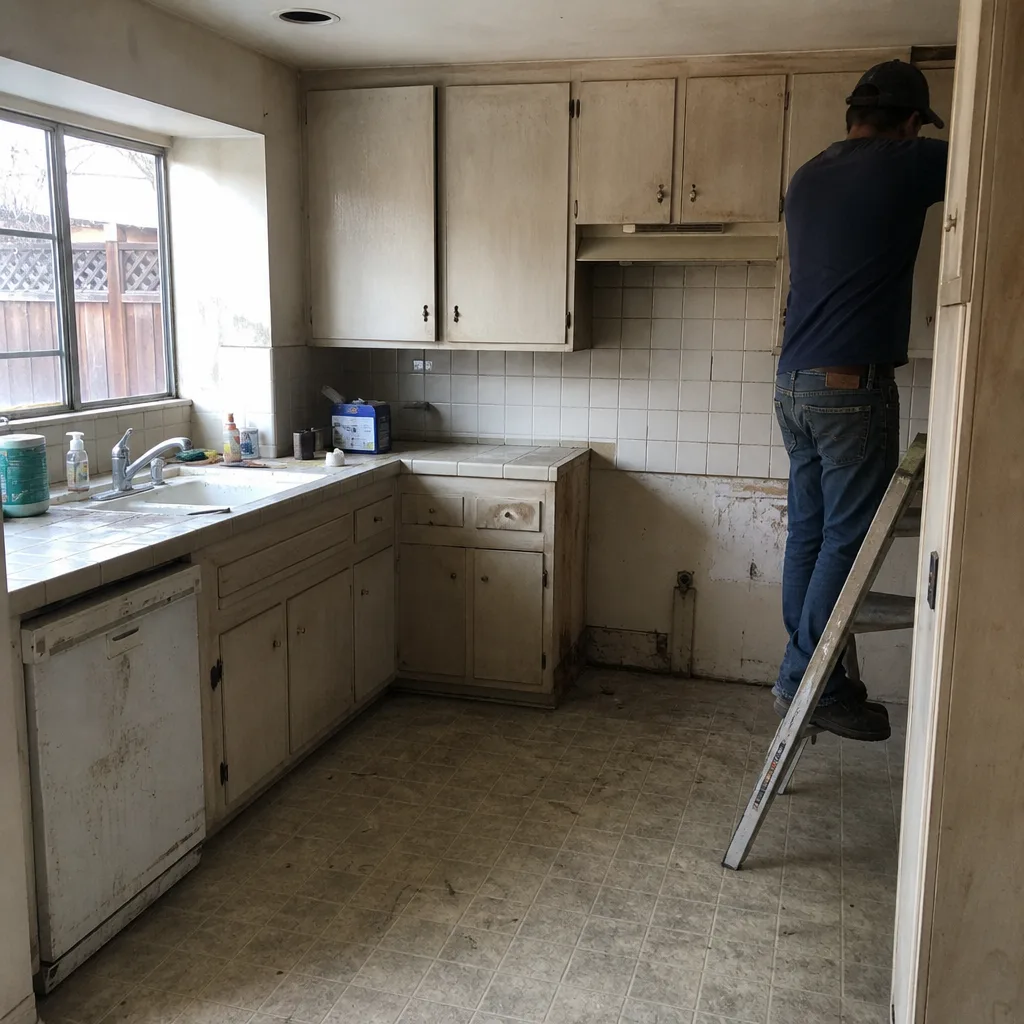 Before
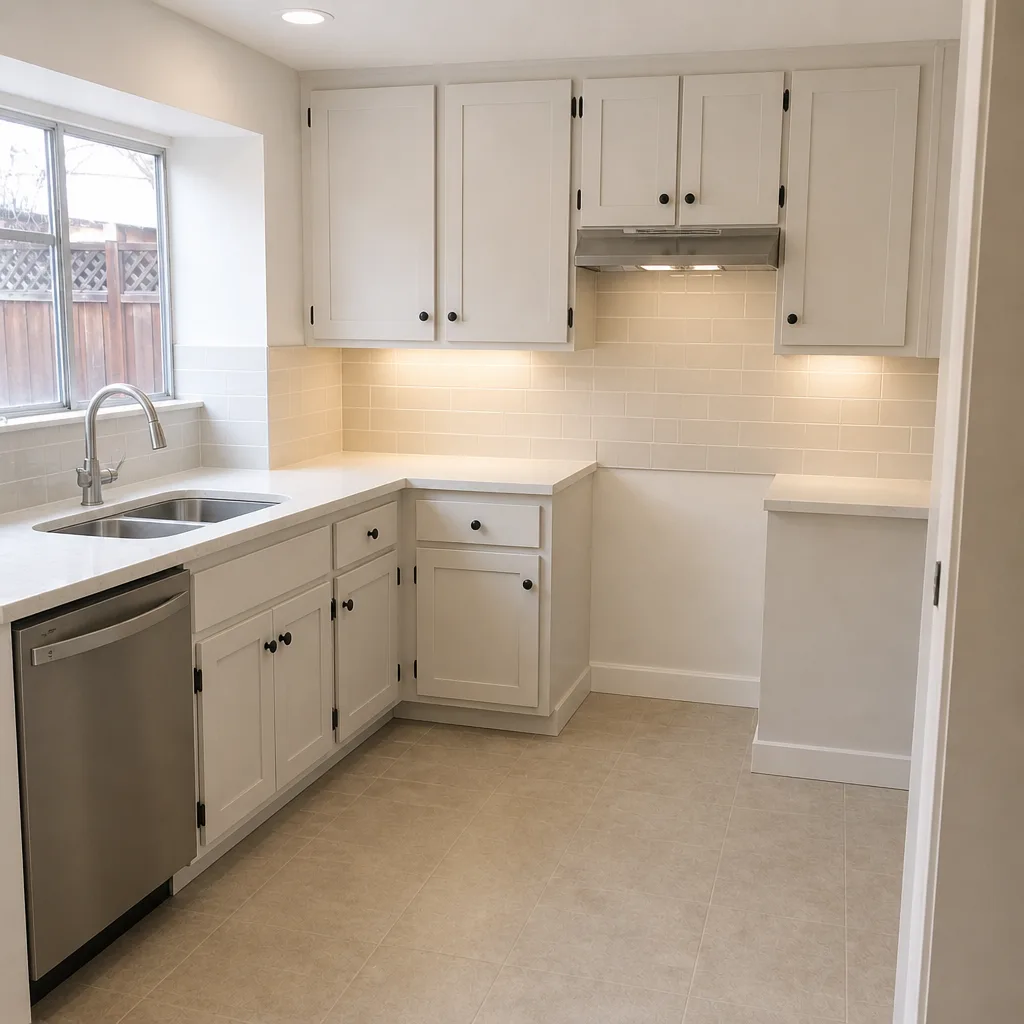 After
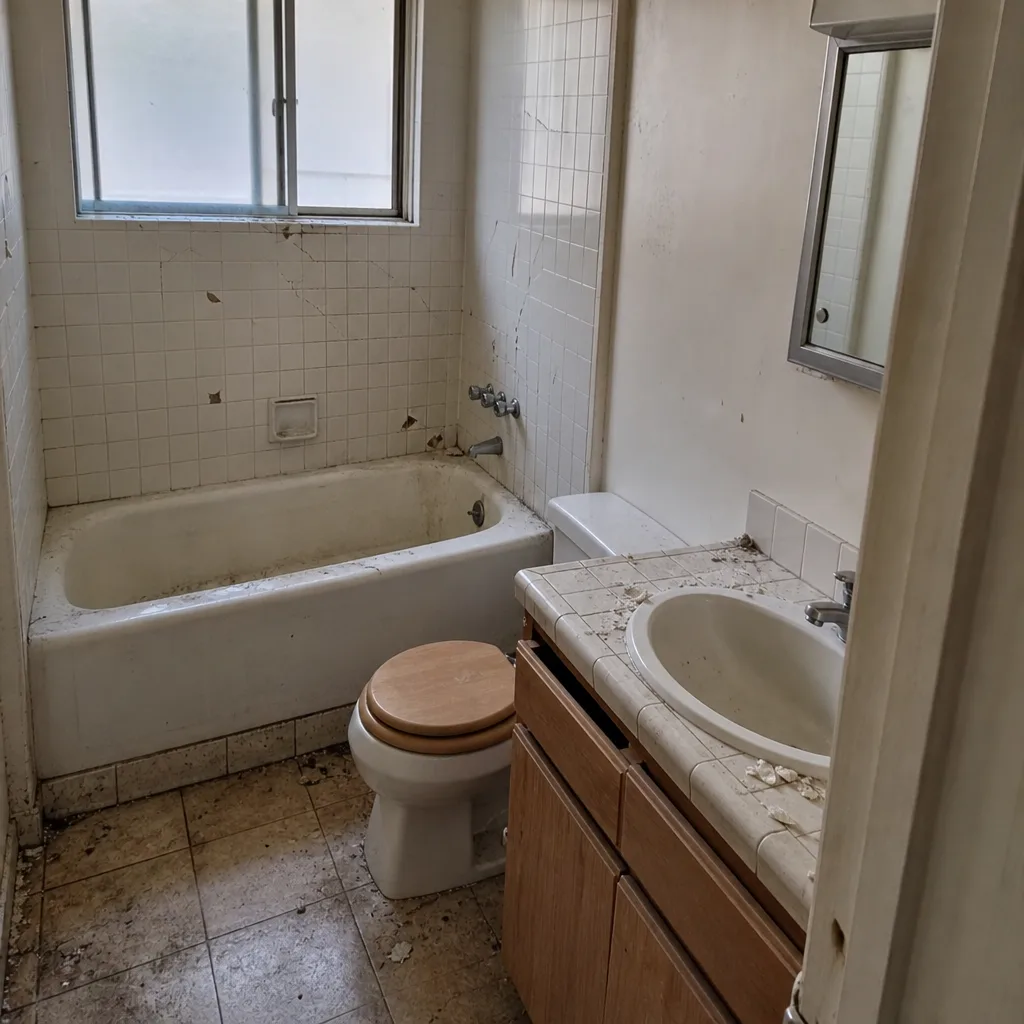 Before
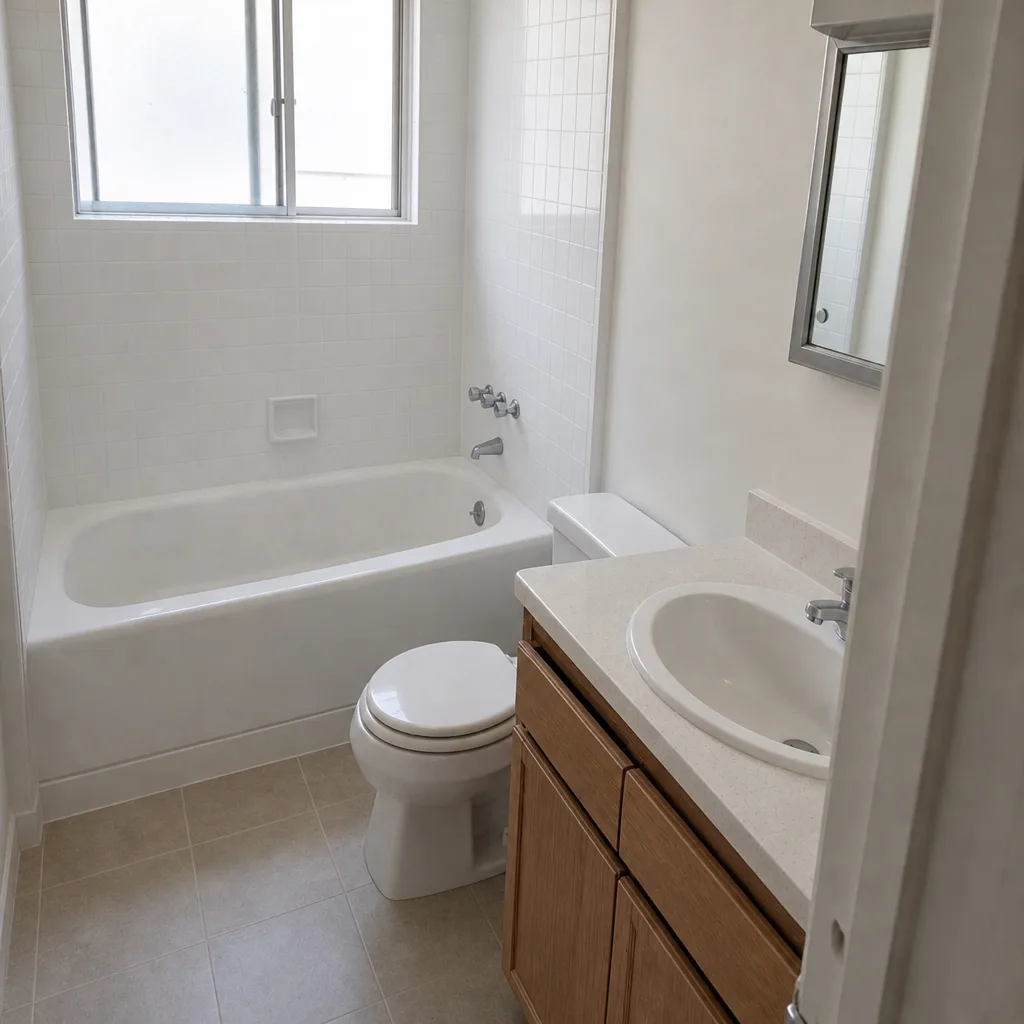 After
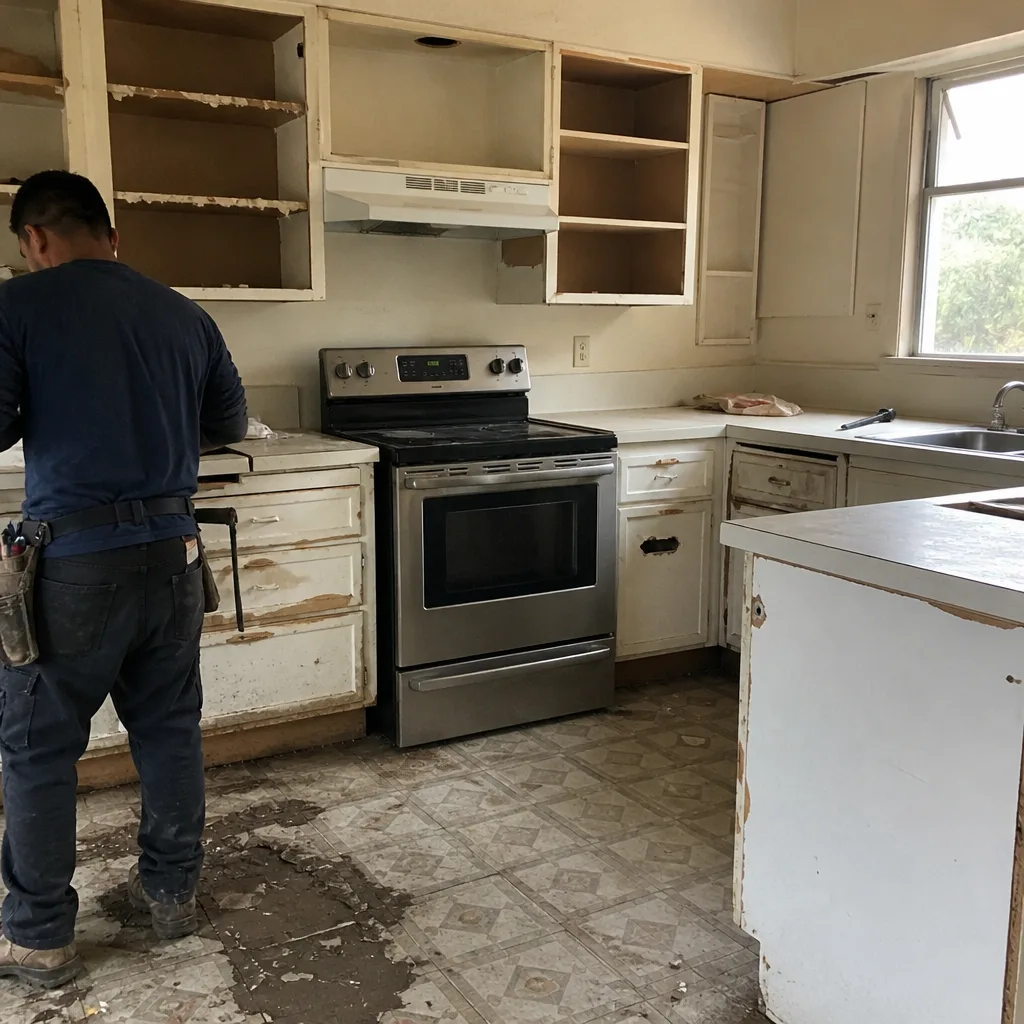 Before
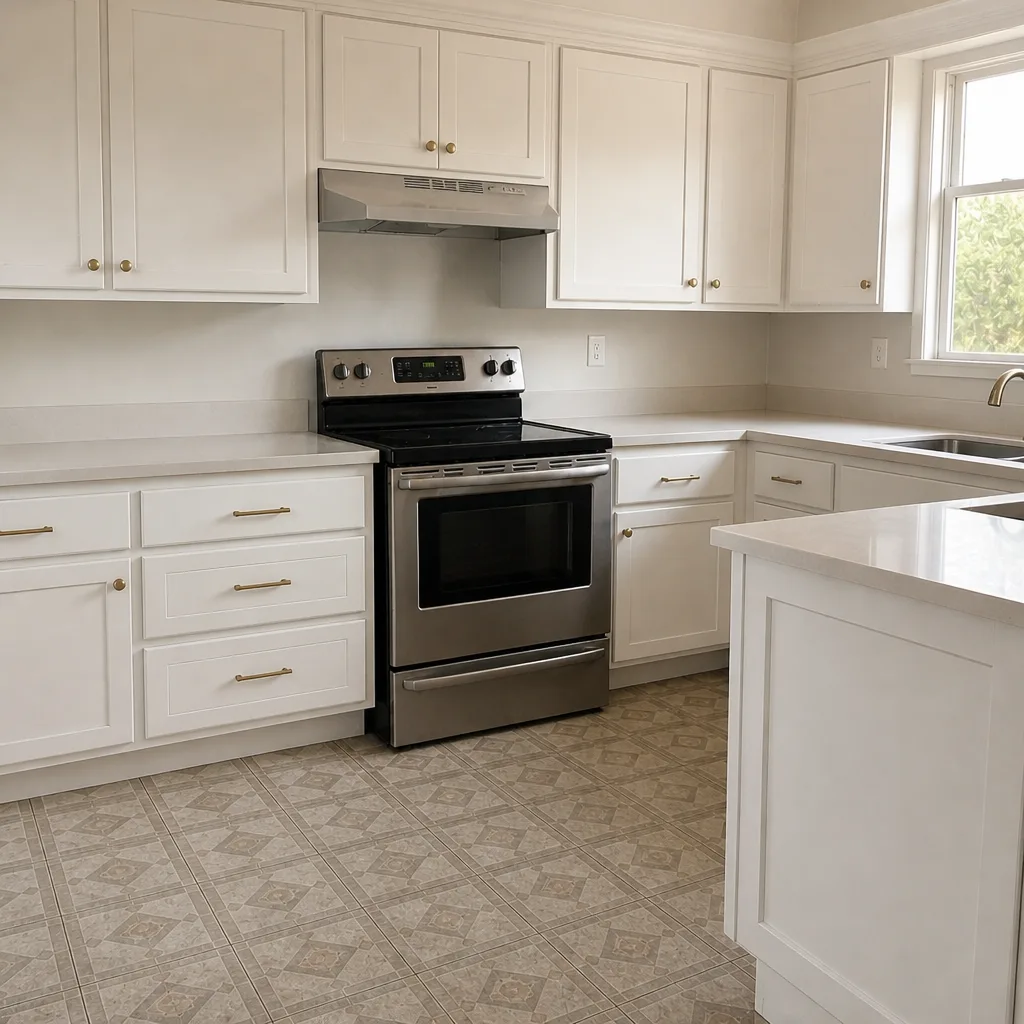 After
Replacement Cost & What’s Included
Here’s what driveway work actually runs in Sunnyvale. These are installed ranges and you get a written number before we touch the driveway, not a verbal ballpark.
| Project | Installed Range |
|---|---|
| Paver driveway installation | $7,000 – $18,000 |
| Concrete driveway installation | $4,500 – $12,000 |
| Asphalt driveway paving | $3,500 – $9,000 |
| Driveway replacement | $5,000 – $14,000 |
| Driveway sealing | $250 – $700 |
What drives the number up or down: total square footage, how much base has to be excavated and re-compacted, whether the edge restraint is being rebuilt, paver thickness and line, and how accessible the driveway is for equipment. Each quote breaks out materials and labor so you can see where the money goes. The work is covered by our written guarantee and the 365-Day Done Right Promise: if something fails inside the first year, we come back and fix it at no charge, and a failed repair visit doesn’t carry a service fee.
DIY or Call Us?
Some checks are safe and sensible to do yourself. Walk the driveway after rain and note where water pools. Pull a loose edge paver to measure thickness. Photograph the failing joints and any sunken sections. Those notes make a real quote faster and more accurate.
Where DIY goes wrong on paver driveways: the base. Re-laying pavers over a failed base is the most common mistake we see, and it fails again within a season. Proper base excavation, laser-leveling to the right slope, and compaction with the right equipment are the parts that make a driveway last, and they’re not a weekend job with a hand tamper. If you’re already seeing rocking pavers and pooling water, call us at (888) 426-8719 and we’ll give you an honest read before you spend a weekend on it.
FAQs
How long does a PGT paver driveway last in Sunnyvale? A properly installed paver driveway with a correct base typically lasts 25 to 30 years or more, and often longer. The realistic failure point in this climate is the base and joint sand, not the paver itself, which is why base prep and edge restraint matter as much as the surface material.
Can it be repaired instead of fully replaced? Often yes. If the failure is limited to a section, we can lift, re-base and re-set that area and re-sand the joints. If pavers are rocking across the whole driveway or water is pooling in multiple spots, a full rebuild is usually the more honest call, and we’ll tell you which one your driveway falls into.
How long does the swap take? A typical Sunnyvale paver driveway takes two to four days, depending on square footage and how much base work is needed. We give you a defined arrival window and leave the site cleaner than we found it.
How do you source the part? We match your paver by thickness, pattern and color family, then source from recognized trade brands. We don’t carry stock, so we order to spec after the free estimate confirms the right material.
If your driveway has started to rock, pool water or shed its joints, the smartest next step is a free estimate. We’ll measure, check the base and hand you a written price before any work starts. Call Penhallow Remodeling Sunnyvale at (888) 426-8719 today. We’re an independent service provider and not affiliated with PGT, and we also service KraftMaid, Cambria and Silestone products when your project calls for them.
Written by the team at Penhallow Remodeling Sunnyvale, serving Sunnyvale and nearby areas.