Free written scope consultation - allowances, timeline, and change-order rules on paper before a single trade is scheduled
Styles & brands we work with
- Kitchen remodeling
- Bathroom remodeling
- Home additions & ADU
- Roofing
- Windows & doors
- Driveway & pavers
- Fence
See the difference
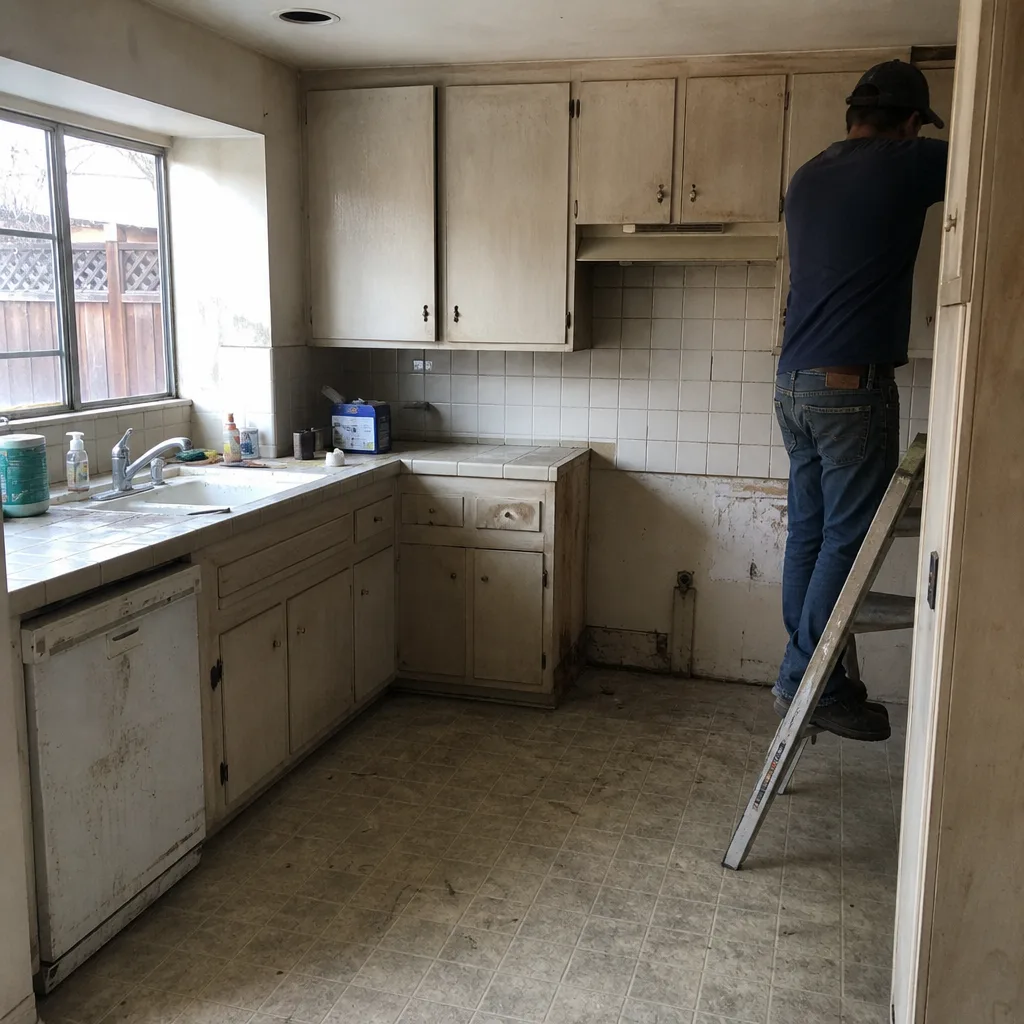 Before
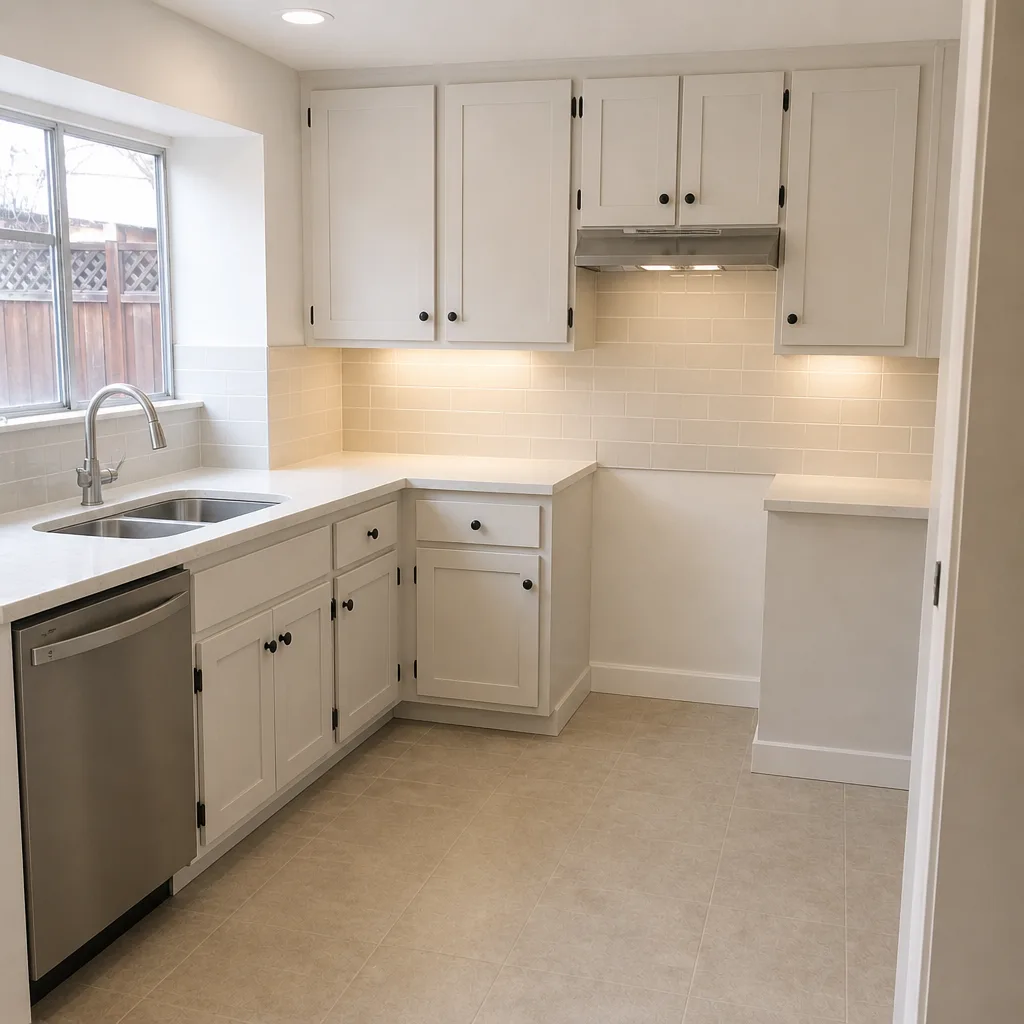 After
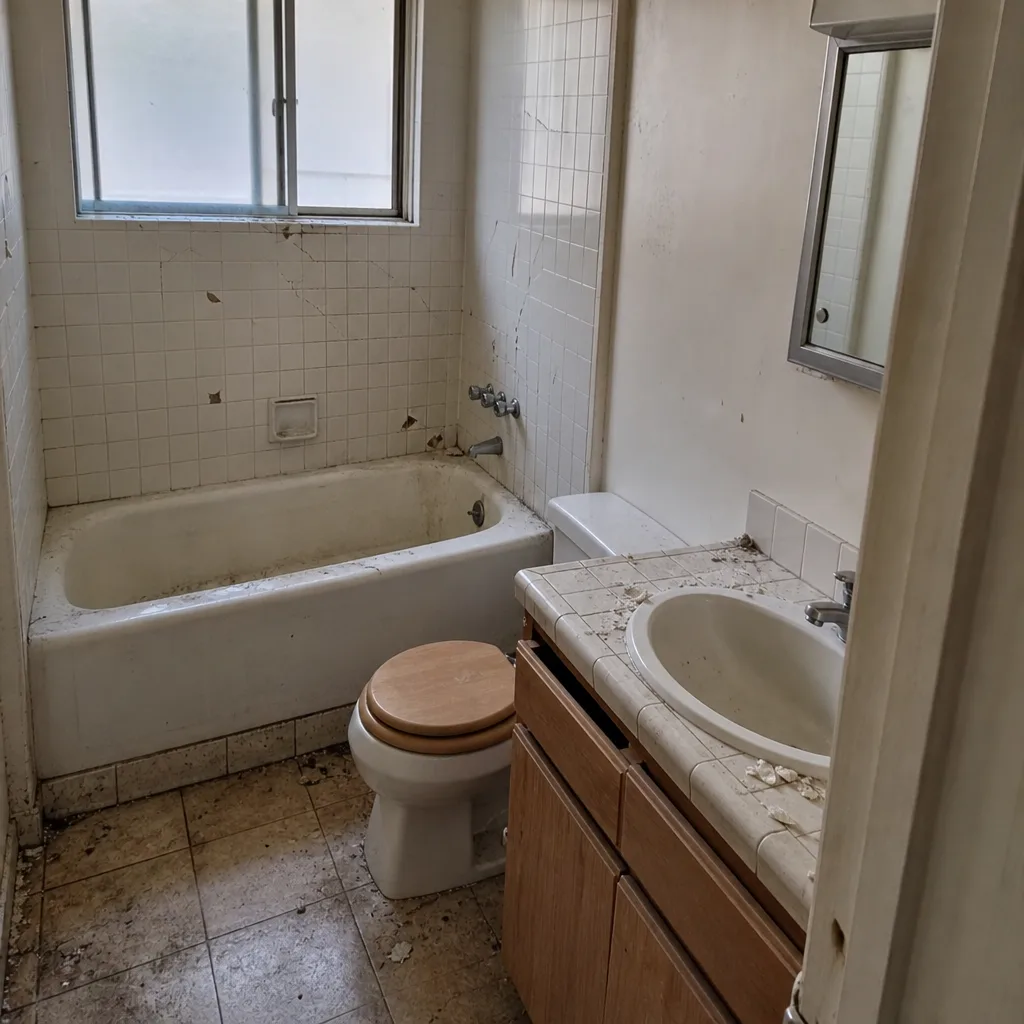 Before
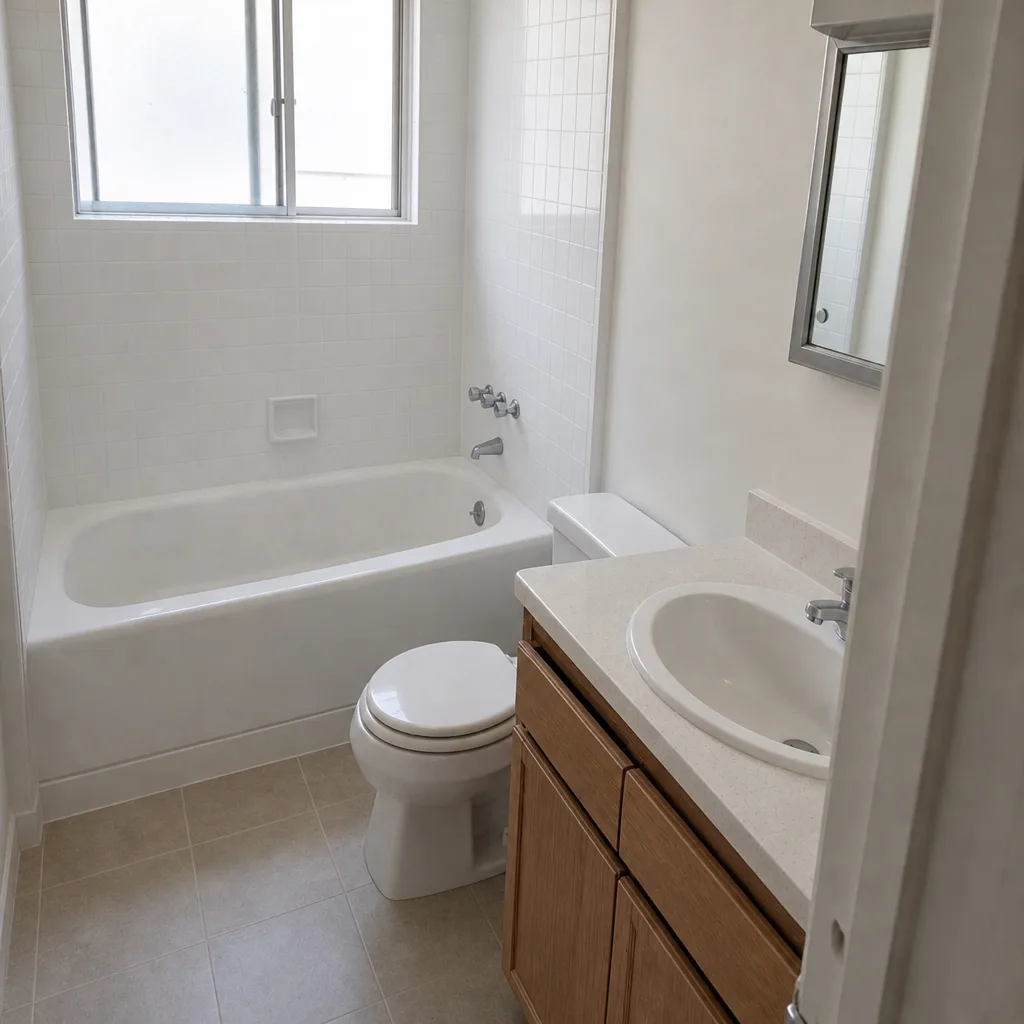 After
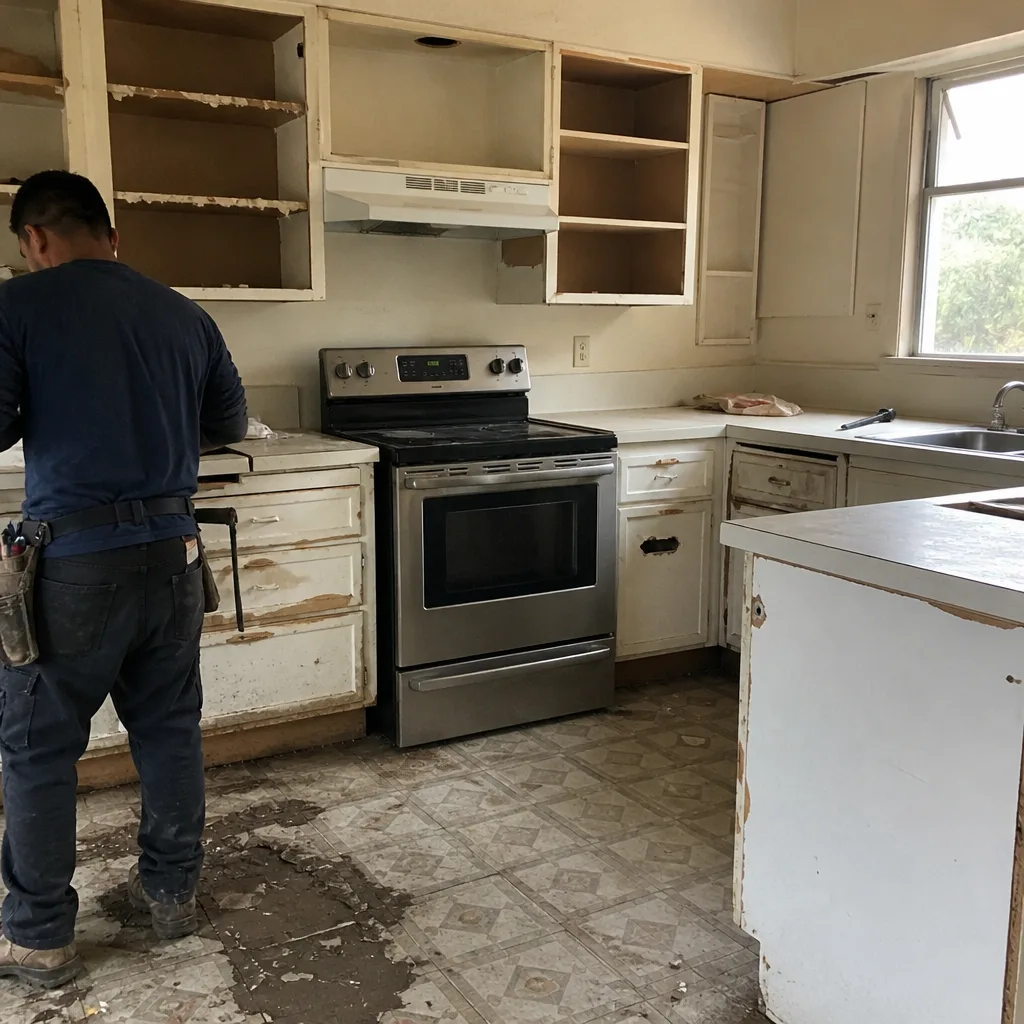 Before
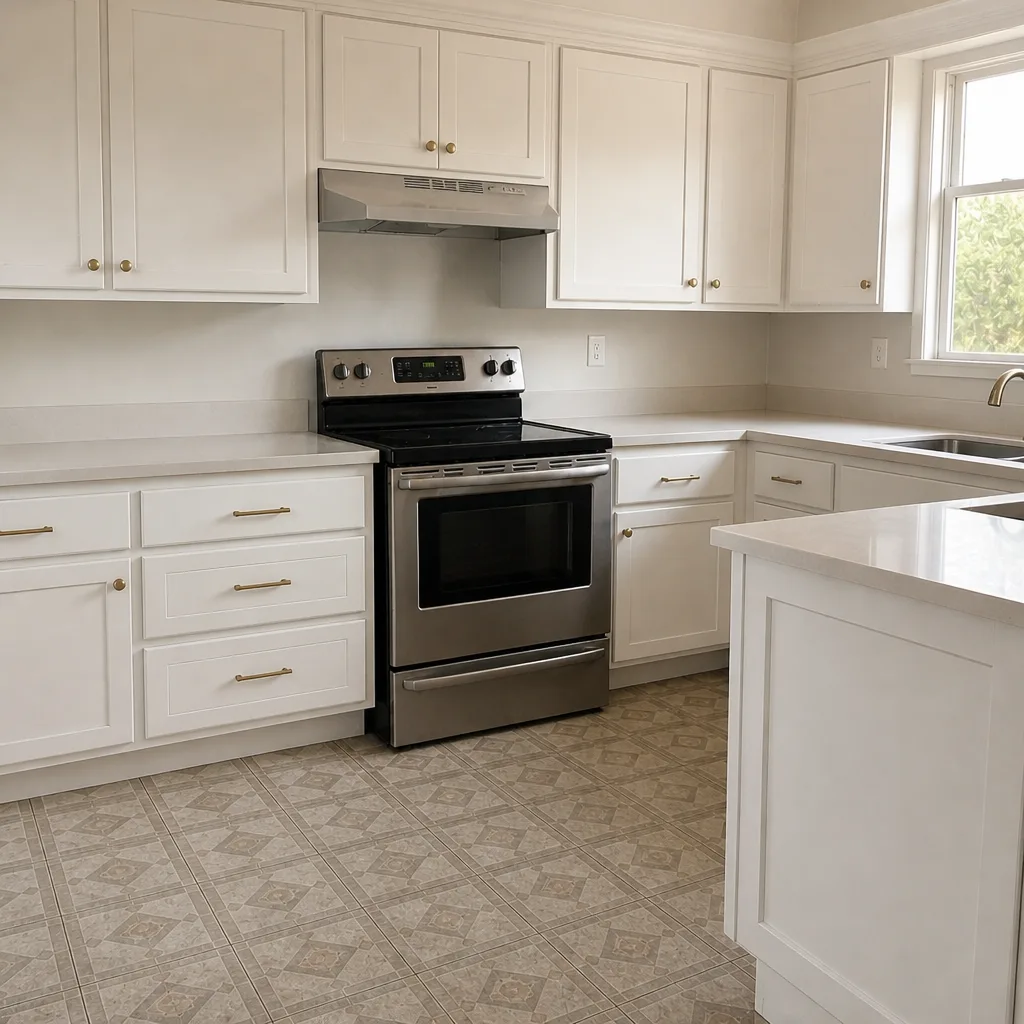 After
Attached vs Detached ADU in Sunnyvale: Choose Detached Unless Your Lot Can’t Take It
If you’re weighing an attached vs detached ADU in Sunnyvale, CA, choose detached when your rear yard has room for 4-foot setbacks and existing utility capacity, and choose attached when the lot is tight, the main panel is already maxed, or you want the fastest path through plan check. The catch is what’s underground: on Cherry Chase and Lakewood lots, old walnut roots and buried orchard irrigation lines can decide the question for you before you ever pick a floor plan. A written walkthrough of your specific slab and yard settles it. For a free assessment, call (888) 426-8719.
Key Takeaways
- Detached ADUs usually give you more flexibility; attached ADUs usually cost less to connect.
- California law caps the side and rear setbacks a city can require for an ADU at 4 feet, which opens up yards that look too small.
- Subsurface surprises in Sunnyvale’s orchard-era neighborhoods belong in a contingency line, not a handshake.
- Expect ADU construction in Sunnyvale to run roughly $90,000-$220,000 depending on type, size and utilities.
Why the Ground Under Your Sunnyvale Lot May Already Be Voting
Sunnyvale’s core is 1950s to 1970s ranch tract homes built over former Santa Clara Valley orchards. The walnut and cherry trees came out, but the roots and the irrigation lines that fed them didn’t always go with them. Walk a rear yard in Cherry Chase or Lakewood before a footing layout and you’ll often find remnant lines running exactly where a detached unit’s footings need to go, or root systems that have been quietly heaving a slab or a driveway for years.
What that means for your choice is simple. A detached ADU puts fresh footings in undisturbed ground, but that ground has to be cleared and often over-excavated where organic material or old lines sit. An attached ADU shares the main home’s foundation and shear walls, which sidesteps the excavation question but pushes a different one: can the existing structure carry the load and the seismic bracing that Sunnyvale’s plan review will demand?
That’s the real fork in the road. Not curb appeal. Substrate.
Attached ADUs: Cheaper to Connect, Sometimes Costly to Support
Attached ADUs share the main home’s foundation and shear walls. On the shallow slab or pier-and-beam foundations common to Sunnyvale’s ranch neighborhoods, that sharing often triggers a structural upgrade, and that cost is usually missing from the attached ADU numbers you’ll find online. Typical work includes foundation bolting, shear-wall retrofits, and, on the pier-and-beam homes, sistering or replacing posts that were never sized for a second load path.
Seismic exposure makes this routine rather than optional. Sunnyvale sits near the San Andreas and Hayward faults, and the region’s seismic reality means shear-wall and foundation work is a normal line item, not a scare tactic. An attached unit also typically extends your existing electrical panel and plumbing rather than building new service runs, which is where the savings live. When the panel has room and the foundation is sound, attached is genuinely the more economical path, and we say so.
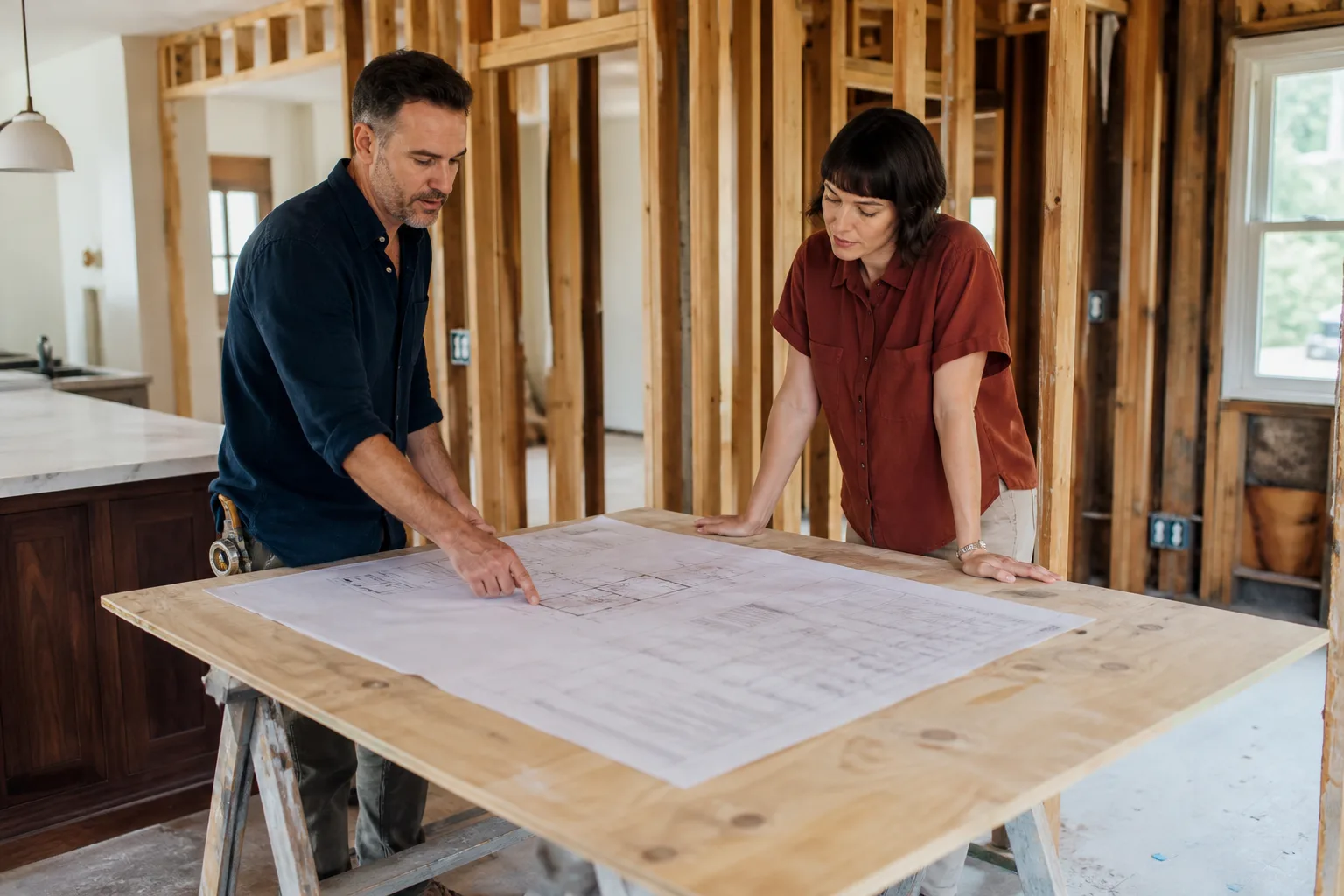
Detached ADUs: Setbacks, Service Runs, and the 4-Foot Reality
Detached ADUs in Sunnyvale rear yards still have to meet setback requirements, but California law limits how much a city can demand: no more than 4-foot side and rear setbacks for an ADU. That creates real buildable area on lots that look too small at first glance. A Sunnyvale lot that seems to leave no room for a separate structure often has enough once you measure to the 4-foot line instead of the standard residential setback.
Where detached gets more involved is utilities. Detached units may require new service runs with separate metering, and Sunnyvale’s requirements for separate metering on ADUs affect both your upfront cost and how you account for rental income later. Separate metering is cleaner for a renter arrangement; shared metering is cheaper to build. That trade-off is worth thinking through before plan check, not after.
The subsurface discoveries are the other wildcard. Old irrigation lines and remnant root systems show up during detached ADU excavation often enough that we treat them as expected, not surprising. Our written price includes a defined contingency line for exactly this, so a root mass or a forgotten line doesn’t become a renegotiation at the worst possible moment. That’s The Kingswell Way stated plainly: say the price before the work, show up in the window we gave, leave the place cleaner than we found it.
Comparing the Two Paths on a Sunnyvale Lot
| Factor | Attached ADU | Detached ADU |
|---|---|---|
| Foundation | Shares main home; often needs structural upgrade on shallow slab or pier-and-beam | New footings; excavation may hit roots or old irrigation lines |
| Setbacks | Follows main home footprint | California caps side and rear at 4 feet for ADUs |
| Utilities | Usually extends existing panel and plumbing | May need new service runs and separate metering |
| Seismic work | Shear-wall retrofit and foundation bolting often required | New construction meets current seismic code by design |
| Typical Sunnyvale range | Lower connection cost, higher structural risk | Higher excavation cost, cleaner long-term utility setup |
Both paths fall inside the same broad budget band for ADU construction in Sunnyvale, roughly $90,000-$220,000, with size, finish level and utility scope driving where you land. A garage conversion is a third option at about $30,000-$80,000, and it’s often the smartest answer on a small lot where neither attached nor detached fits well. If your project grows into more than an ADU, our home remodeling services cover the kitchen and bath work that usually comes with it, and you can see the full scope of what we build across our Sunnyvale service area.
What the Choice Actually Changes in Your Sunnyvale Budget
Because we put the price in writing before any work starts, you can compare attached and detached on real numbers instead of ballpark guesses. The written scope covers foundation, structure, finishes, and fixtures like Kohler and Moen, so the two proposals sit side by side and the decision stops being abstract. Finish selections are where budgets swing most: cabinetry, countertops and window packages move the number more than most homeowners expect. Hurricane-rated window lines like CGI, CWS, and ES Windows show up on some of these builds, and James Hardie siding handles the exterior envelope on standalone structures where stucco would otherwise need frequent attention in the wet-winter, dry-summer cycle.
The trade-word version of all this: substrate decides scope. If the ground and the existing structure are cooperative, attached tends to win on cost. If the yard is cramped or the foundation is a retrofit risk, detached tends to win on predictability. Our technicians have up to 22 years of experience reading both situations, and the free second visit if the work needs it is backed in writing.
How Sunnyvale’s Plan Review Fits In
Sunnyvale pushes through ADU and whole-house remodel permits at one of the highest rates in the region, and its planning review moves fast but strict. The city wants more housing density while protecting established residential blocks, which is a different balancing act than Cupertino or Mountain View run. Practically, that means your ADU application needs its structural and utility documents clean the first time. Undocumented prior additions on the main home also have to be permitted retroactively before a new ADU can pass plan check, and we flag those early so they don’t stall the schedule.
FAQs
An attached ADU is usually cheaper to build in Sunnyvale because it typically extends your existing electrical panel and plumbing instead of requiring new service runs with separate metering. On a shallow slab or pier-and-beam foundation, though, the required structural upgrade can erase that savings. Both paths fall in the $90,000-$220,000 range for ADU construction. Call (888) 426-8719 for a written price on your specific lot.
Yes, California law limits Sunnyvale from requiring more than 4-foot side and rear setbacks for an ADU, and that often opens up buildable area on a lot that looks too tight. Measure to the 4-foot line before ruling out detached, because many small Sunnyvale lots have more room than the standard residential setback would suggest. Call (888) 426-8719 and we’ll confirm your yard’s actual footprint.
Remnant orchard irrigation lines and walnut or cherry root systems are common in Sunnyvale’s orchard-era neighborhoods during detached ADU excavation, so we don’t treat them as surprises. Our written price includes a defined contingency line for subsurface discoveries, so the finding doesn’t become a renegotiation. Call (888) 426-8719 for a free assessment and a written number.
A garage conversion in Sunnyvale typically runs about $30,000-$80,000 and is often the smartest option on a small lot where neither an attached nor a detached unit fits cleanly. It uses the existing structure and footprint, which sidesteps the excavation and setback questions entirely. Call (888) 426-8719 to see whether a conversion or a new ADU serves your property better.
If you’d rather have your lot looked at by someone who reads foundations for a living, Penhallow Remodeling Sunnyvale offers a no-pressure assessment in Sunnyvale - call (888) 426-8719 for a written price before any work starts.
Written by the team at Penhallow Remodeling Sunnyvale, serving Sunnyvale, CA.