Free written scope consultation - allowances, timeline, and change-order rules on paper before a single trade is scheduled
Styles & brands we work with
- Kitchen remodeling
- Bathroom remodeling
- Home additions & ADU
- Roofing
- Windows & doors
- Driveway & pavers
- Fence
See the difference
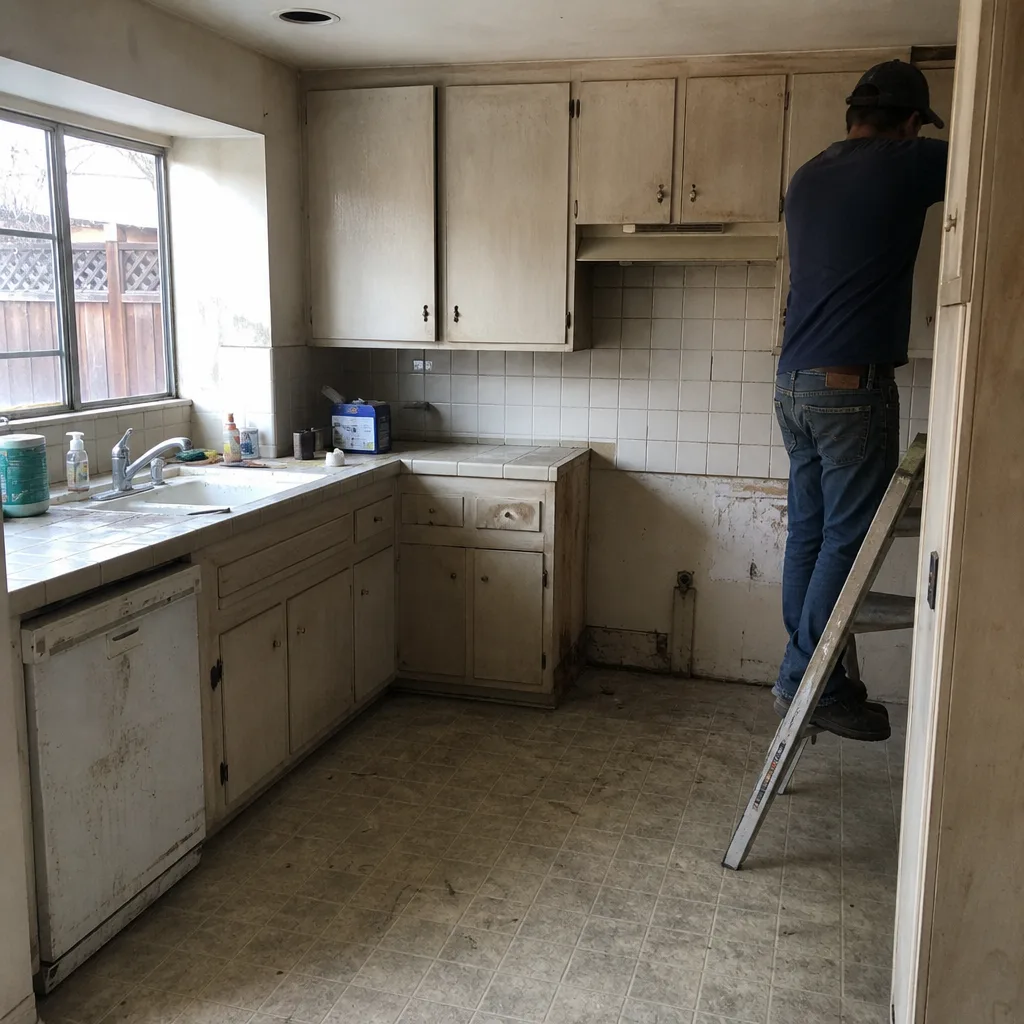 Before
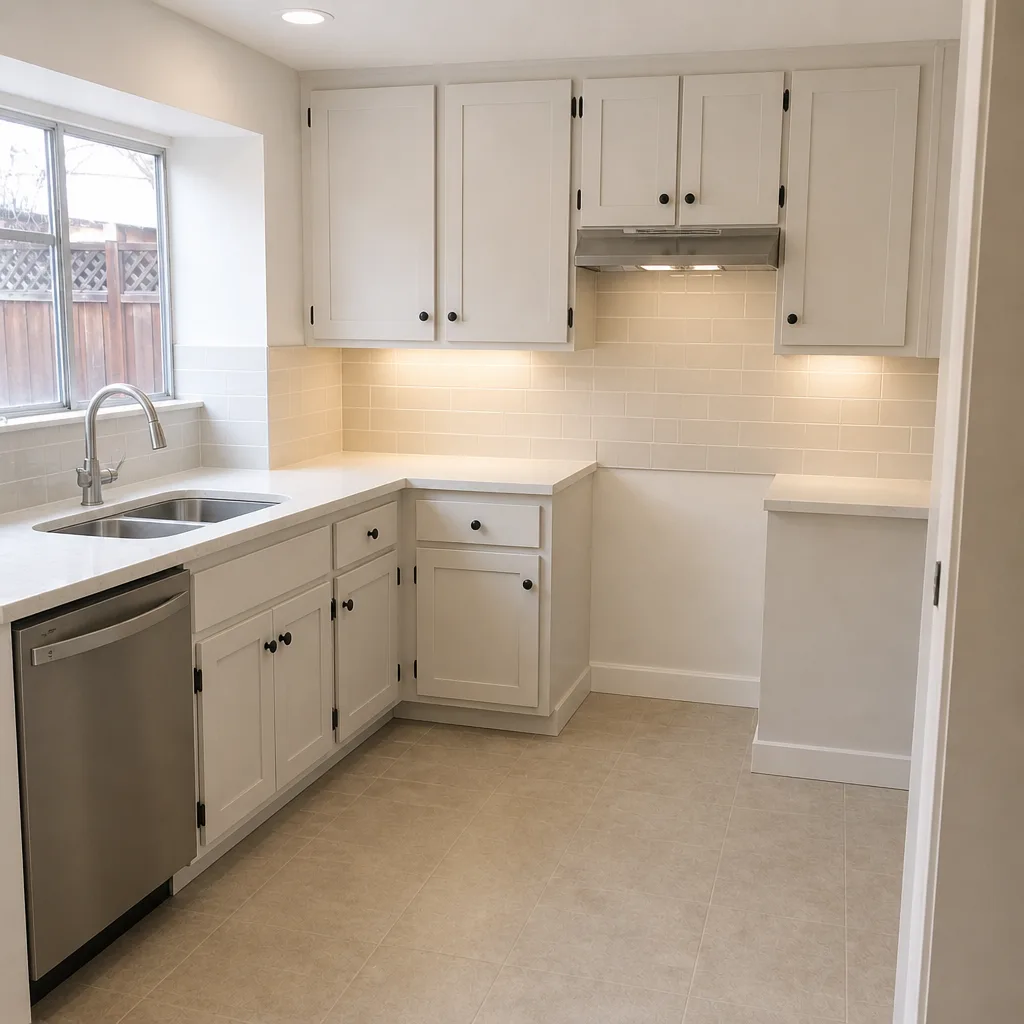 After
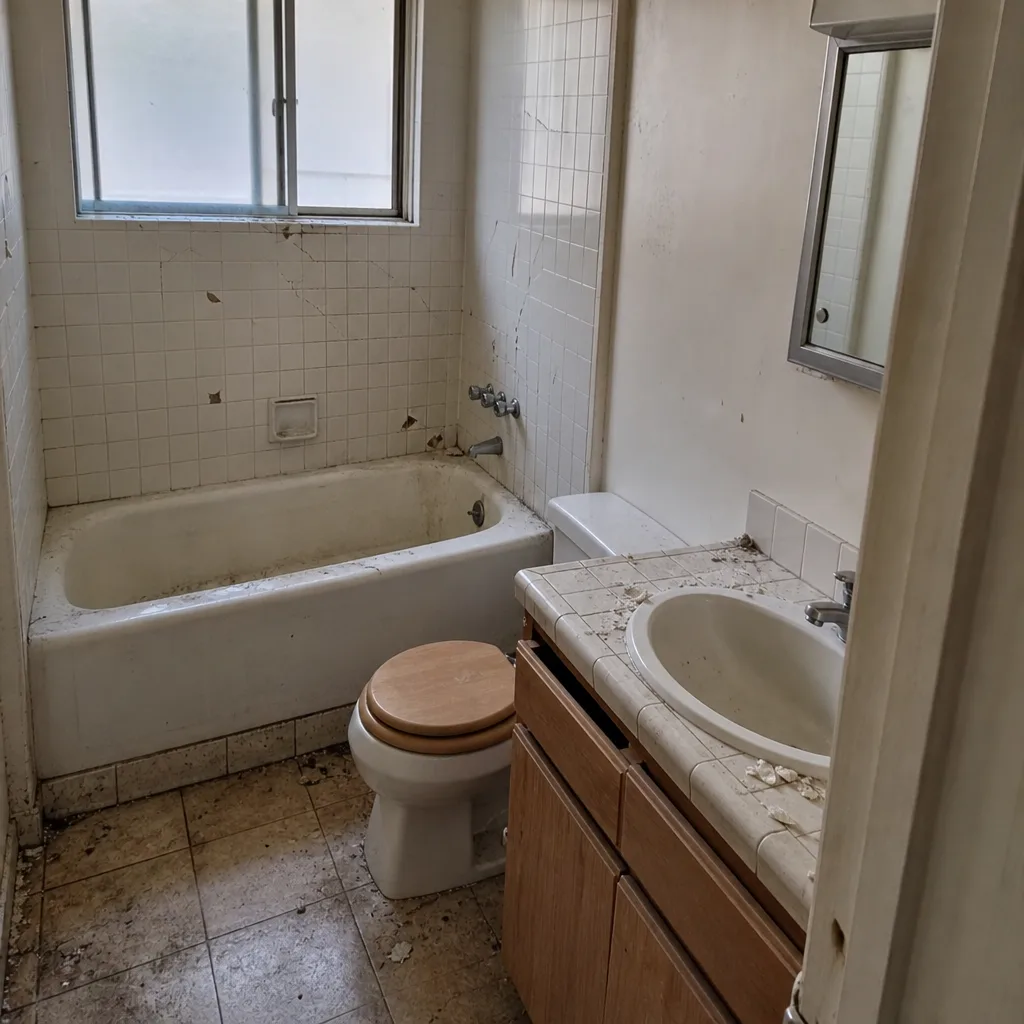 Before
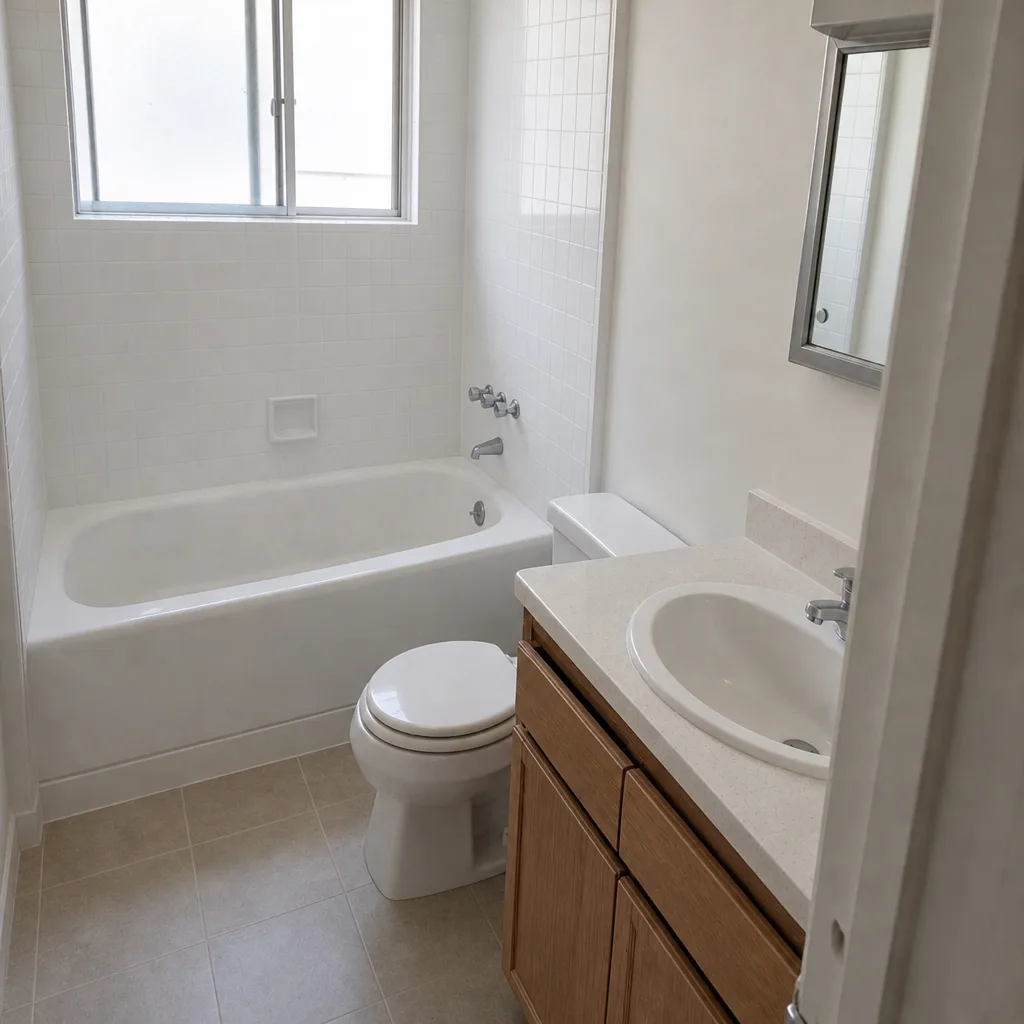 After
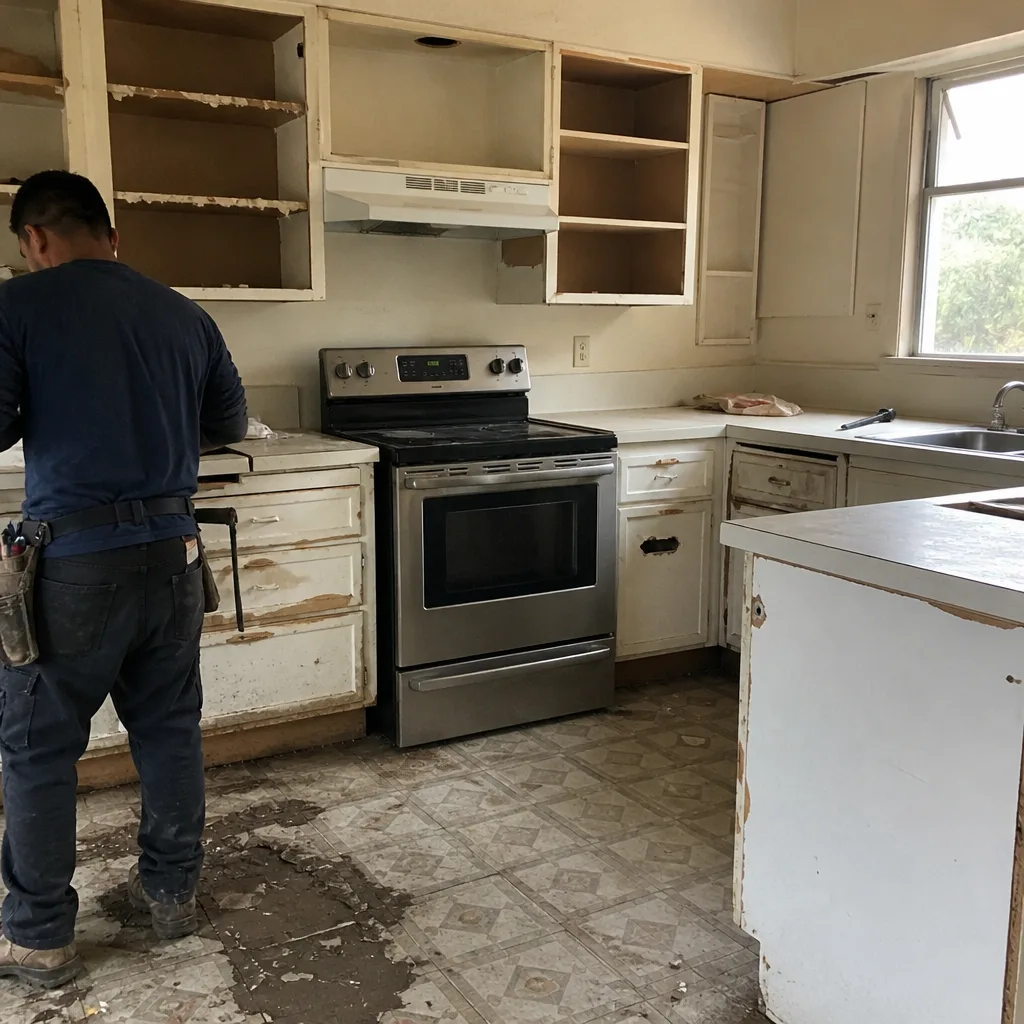 Before
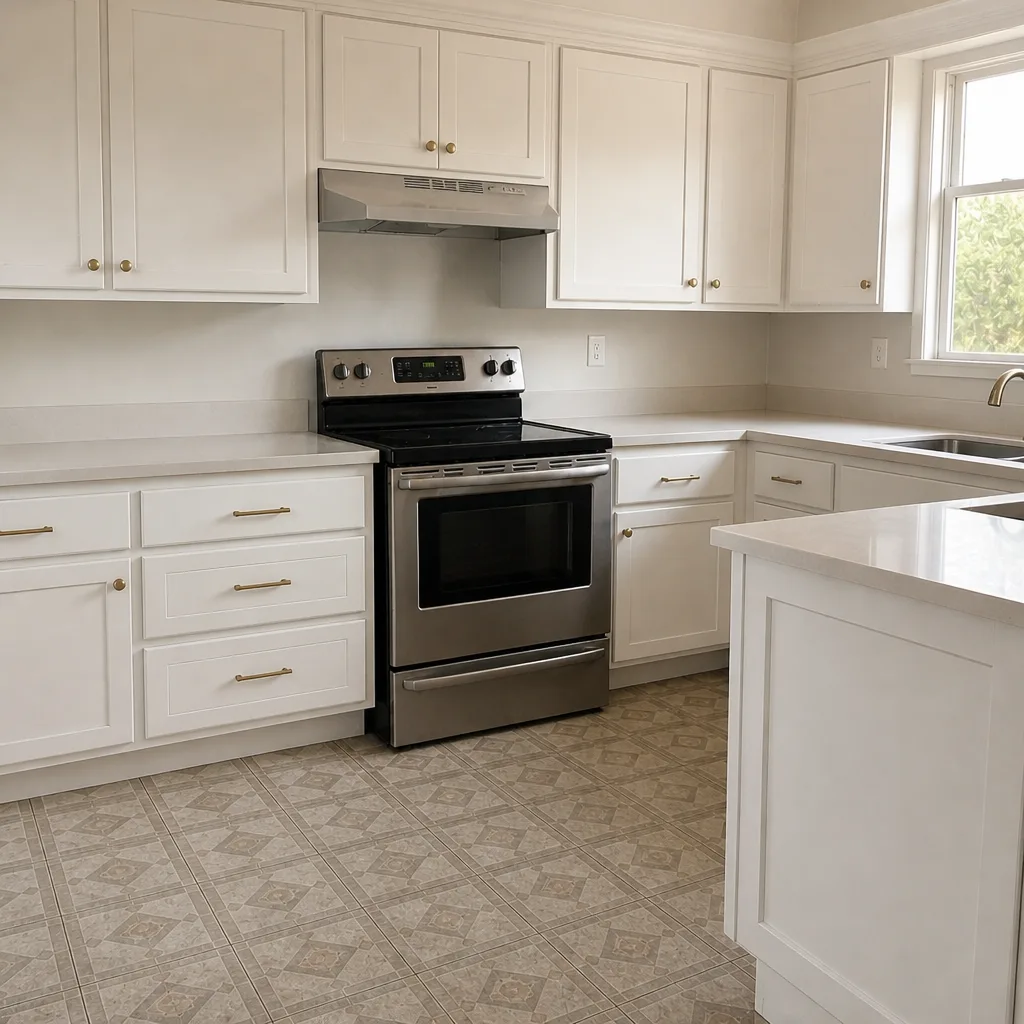 After
Home Addition vs. ADU in Sunnyvale, CA: Which One Belongs on Your Lot?
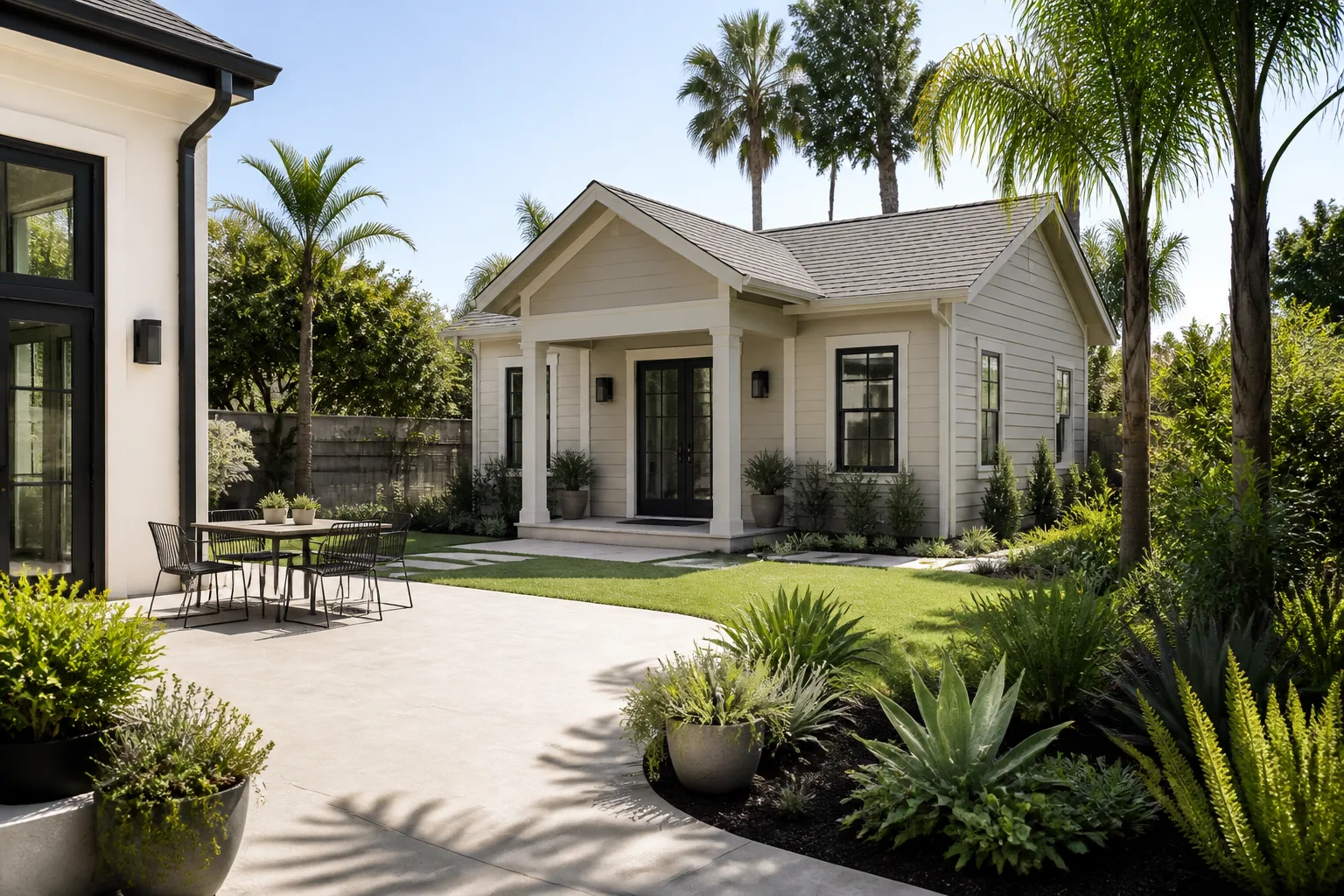
Choose a home addition if you need more living space for your own household and want to stay under your zoning district’s lot coverage limit. Choose an ADU if you want a legally rentable unit with its own address, and your rear yard can fit a detached structure where California’s ADU setback exemptions apply. Most Sunnyvale homeowners we talk to along the Cherry Chase and Lakewood blocks assume both paths cost the same and face the same review. They don’t. Call (888) 426-8719 and we’ll walk your parcel through both options before you commit to either.
That answer is short because the decision rarely comes down to taste. In Sunnyvale it comes down to what your lot will legally hold, what the planning department will review, and what you actually want the square footage to do.
Sunnyvale spent the last decade turning its orchard-town downtown and the El Camino Real corridor into dense mixed-use housing, while the post-war single-family neighborhoods behind it pull ADU and whole-house remodel permits at some of the region’s highest rates. Construction here means working under a city that wants more density and protects its established blocks at the same time. That tension is exactly why this comparison matters more in Sunnyvale than it does in Cupertino or Mountain View.
Key takeaways
- An addition makes your house bigger. An ADU makes it bigger and rentable.
- Lot coverage and setbacks decide more Sunnyvale projects than budget does.
- ADUs move through a faster, mostly over-the-counter review track; additions often don’t.
- Detached ADUs usually carry a lighter structural engineering burden than a second-story addition on an older ranch.
Why the Decision Hinges on Your Sunnyvale Lot, Not Your Taste
The core of Sunnyvale is 1950s-1970s ranch tract homes built over former Santa Clara Valley orchards, most with single-pane aluminum windows and either a shallow pier-and-beam or slab foundation. The lots are modest. That last fact is where this whole comparison turns.
Sunnyvale’s municipal code sets lot coverage maximums that differ by zoning district. On those small ranch lots, a bump-out or rear addition can push you over the coverage limit before you’ve added much square footage at all. A detached ADU sits in the rear yard and may still be permissible under California’s ADU-specific setback exemptions, which don’t follow the same coverage arithmetic. We’ve seen parcels where an 800-square-foot addition was a coverage problem and a detached ADU of similar size was not.
Then there’s the review track. Sunnyvale’s planning department treats ADUs and additions under different processes. ADUs generally qualify for ministerial, over-the-counter review, meaning a reviewer checks the plans against objective standards and you wait weeks. A home addition that exceeds certain size or setback thresholds often needs discretionary review, which adds public noticing, neighbor input and a longer calendar. The timeline gap alone changes the math for a family trying to time a project around a school year or a rental lease.
Cost, Rental Income, and What the Number Actually Buys
Here’s where a lot of comparison articles stop short. An ADU creates a legally rentable unit with its own address and utility metering. A home addition does not, no matter how nicely you finish it. In a Silicon Valley rental market, that distinction has a dollar value most homeowners never model before they choose.
Use these Sunnyvale ranges to put the two paths side by side:
| Path | Typical Sunnyvale range | What you gain |
|---|---|---|
| Home addition | $45,000-$130,000 | More owner living space, no rental income |
| ADU construction | $90,000-$220,000 | Shorter review track, separate address, rentable |
| Garage conversion | $30,000-$80,000 | Often the cheapest ADU route, but you lose the garage |
Those ranges turn on layout, foundation type and finish level, not on guesswork. A second-story addition over a slab-foundation ranch may require a full structural engineering review and shear-wall upgrade because of seismic exposure near the San Andreas and Hayward faults. That engineering is real money. A detached ADU on its own footings usually carries a lower structural burden because it’s a separate building, not a load added to an existing frame. Meanwhile, the region’s seismic reality makes foundation bolting and shear-wall retrofits routine on Sunnyvale residential work rather than optional upgrades. Wet winters and long dry summers also squeeze exterior framing, roof and stucco work into the rain-free months, so the season you start shapes the schedule as much as the plans do.
What Older Orchard-Era Lots Throw at Both Projects
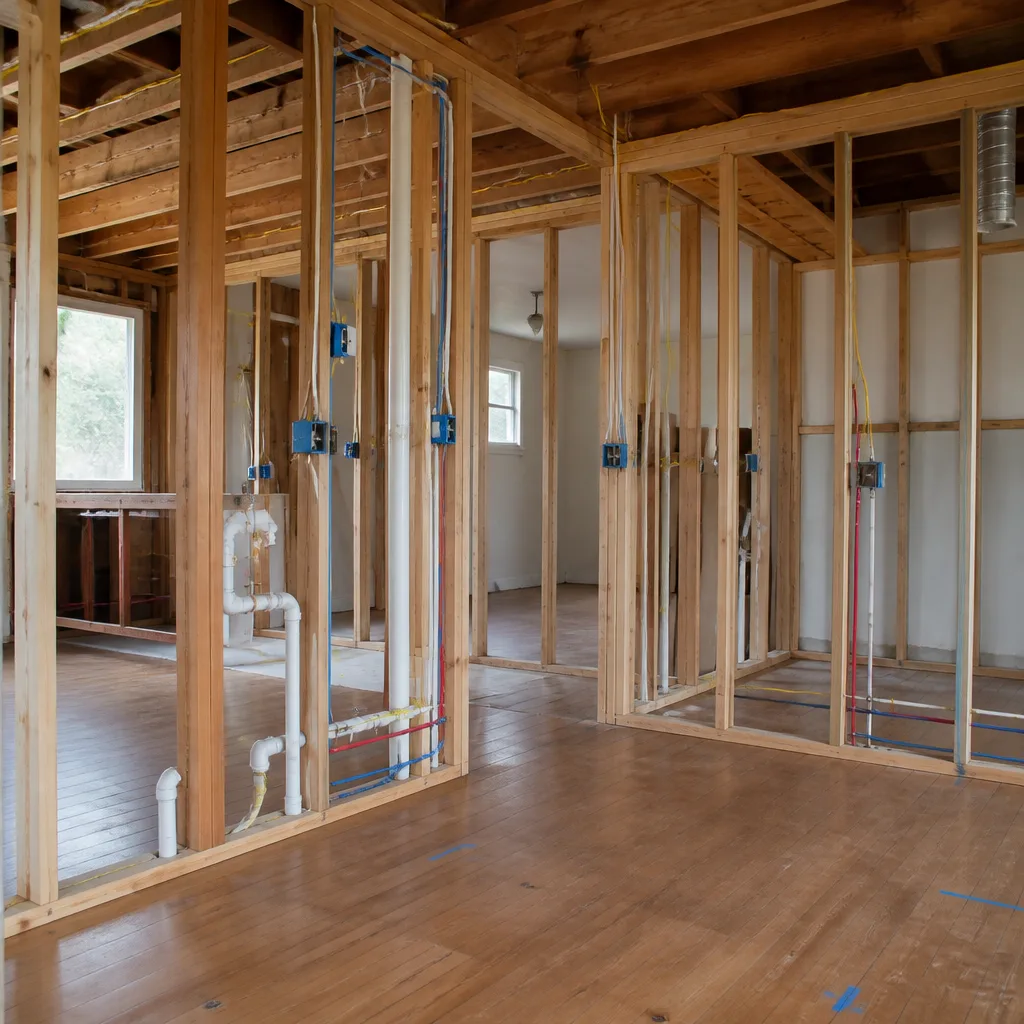
In the orchard-era neighborhoods, dirt and paperwork surprise you in the same week. Contractors routinely find remnant orchard irrigation lines, old walnut and cherry tree roots heaving slabs and driveways, and undocumented prior additions that must be permitted retroactively before any new remodel clears Sunnyvale’s plan check. If a previous owner finished a bonus room without a permit, that has to be resolved before your addition or ADU gets approved. We find it early, price it early, and write it into the number you sign off on.
Want to see how this plays out across the city? A look through our Sunnyvale service area page shows the neighborhoods and project types we work with most.
A First-Hand Comparison: What We Actually See on Sunnyvale Jobs
Most Sunnyvale households land on one of three paths. First, a family outgrowing the house but staying put. They usually want a home addition, and the coverage limit is their first obstacle. Second, a homeowner thinking about rental income or aging parents. That points to an ADU, often a garage conversion at the lower end of the range. Third, a homeowner with an older ranch who wants both more space and a rentable unit. That’s the hardest to pull off and needs the most careful lot analysis up front.
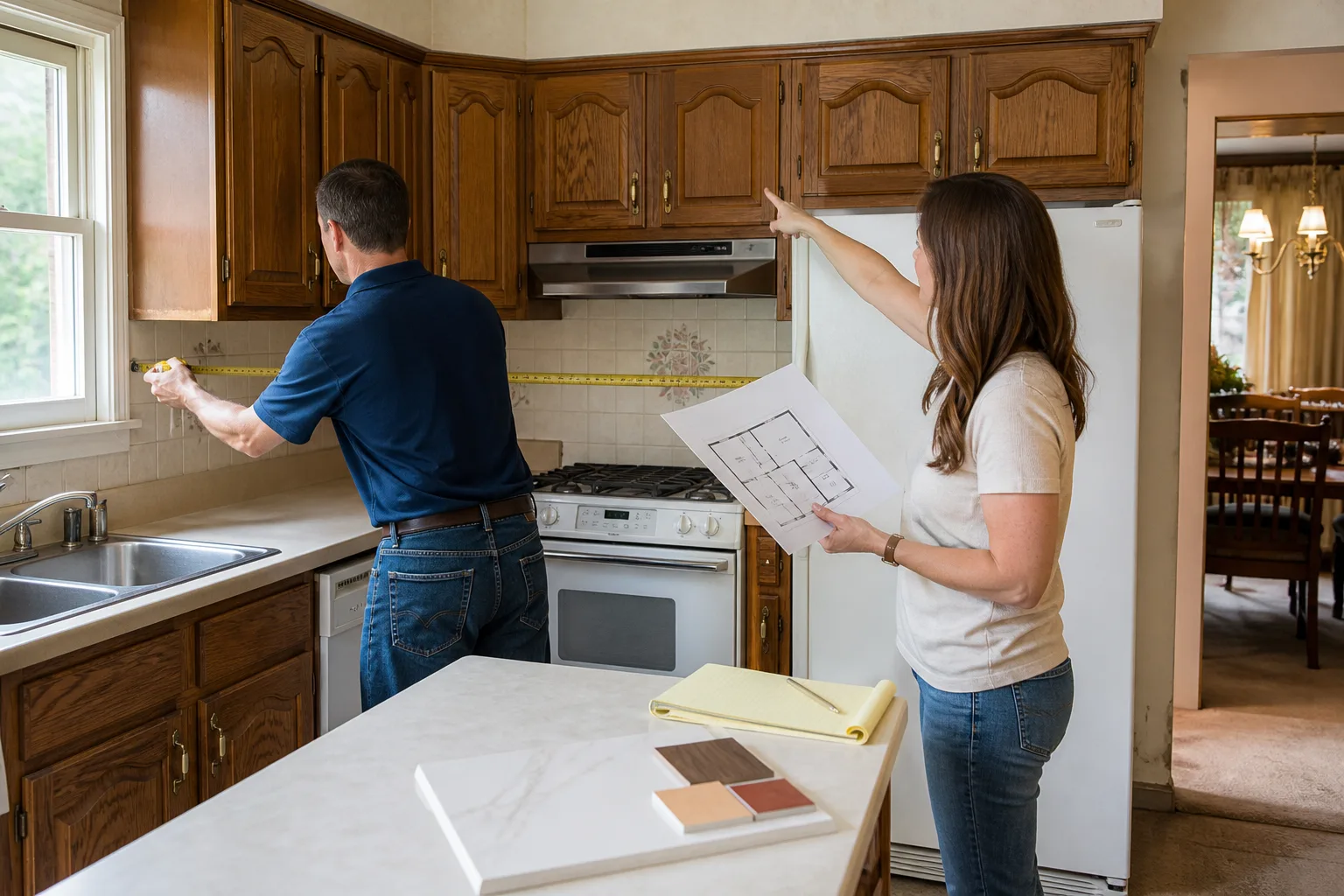
Here’s the operator detail no comparison chart will tell you: the footprint decision is the expensive one. Moving a wall two feet after framing starts costs far more than moving it on paper. We measure the lot and check the coverage math before we draw a single line. Our technicians bring up to 22 years of experience, and every one of them is background-checked and arrives in uniform, so you know who is walking through your house. When a long project needs new exterior doors, we install recognized brands like Therma-Tru for durability and energy performance, and we don’t hand you a finish schedule full of names you can’t look up.
The written price comes before the decision, not after
This is the part where Penhallow Remodeling Sunnyvale works differently from a verbal bid. Every homeowner gets a written price before any work starts, so the number on day one is the number on the invoice, not an estimate range that drifts at demo day. That matters here because you’re comparing two very different projects. With a written number for the addition and a written number for the ADU in hand, you decide with real figures instead of intuition. We also back every project with the 365-Day Done Right Promise: if the work fails inside the guarantee period, we come back and fix it at no charge, in writing. Say the price before the work. Show up in the window we gave. Leave the place cleaner than we found it. That’s The Kingswell Way, and it’s how we run every Sunnyvale project.
FAQs
A home addition is typically cheaper per project – our Sunnyvale additions run $45,000-$130,000 while ADUs run $90,000-$220,000 – but an ADU can generate rental income an addition never will. If you plan to rent the unit, the ADU may pay back part of its cost over time. Call (888) 426-8719 for written pricing on both paths so you can compare real numbers.
Yes, an ADU requires its own permit, but Sunnyvale reviews most of them on a faster ministerial track rather than the discretionary review many additions face. That faster timeline is one reason some homeowners lean toward an ADU. We confirm your lot’s coverage and setback eligibility before we draw up a written price – call (888) 426-8719 to start.
It can, especially on the small lots common to 1950s-1970s ranch neighborhoods. Different zoning districts set different lot coverage maximums, and a rear addition can cross that line before it adds much square footage. A detached ADU may still be permissible under California’s ADU setback exemptions. We check the coverage math on your specific parcel before you commit to any design.
Often, yes. A second-story addition on a slab-foundation ranch may need a full structural review and shear-wall upgrade given proximity to the San Andreas and Hayward faults. Detached ADUs on their own footings usually need less because they’re separate buildings. We price the engineering honestly up front rather than letting it surprise you mid-project – call (888) 426-8719 for a written estimate.
If you’d rather have your lot looked at before you decide between an addition and an ADU, Penhallow Remodeling Sunnyvale offers a no-pressure assessment in Sunnyvale. You’ll get a written price on each path, a clear read on your coverage limits, and a real person on the phone 24/7 – call (888) 426-8719.
Written by the team at Penhallow Remodeling Sunnyvale, serving Sunnyvale, CA.